
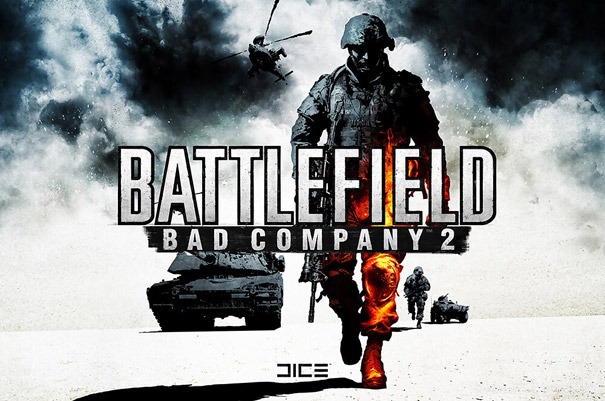
📅 Game released: 2010
Use this updated 2026 Battlefield: Bad Company 2 PC guide to check official download availability, understand the EA multiplayer shutdown, review installation options for existing owners, and compare system requirements, Steam Deck compatibility, and community modding before returning to Bad Company.
 By Editor Zero — independently researched, edited, and maintained.
Last updated: 11 October 2026
Last reviewed: 11 October 2026
Table of Contents
- Quick Summary
- Quick Facts
- Official PC Stores, Download & Installation
- Battlefield: Bad Company 2 Review
- Pros & Cons
- PC System Requirements
- Frequently Asked Questions
- Similar Games
Battlefield: Bad Company 2 Quick Summary
✔ Military first-person shooter from DICE featuring a single-player campaign about Preston Marlowe and the returning B Company squad as they investigate a dangerous Russian weapon and attempt to prevent a wider international conflict.
✔ Frostbite-powered Destruction 2.0 allows players to demolish buildings, destroy defensive positions, create openings through walls, and reshape combat encounters using explosives, vehicles, and heavy weapons.
✔ Similar to Battlefield 3 through its modern military setting, combined-arms combat, infantry classes, squad coordination, multiplayer objectives, vehicles, environmental destruction, and cinematic single-player campaign.
✔ The original Windows version remains a native PC game, but new purchases are unavailable through normal official digital storefronts. EA retired its official multiplayer services, leaving the single-player campaign as the principal officially supported game content for existing owners.
✔ The Vietnam expansion adds a separate Vietnam War multiplayer experience rather than another story campaign. Community-run multiplayer projects and unofficial PC modifications exist, but they should not be confused with EA-operated services or official game editions.
✔ Original PC requirements are modest by modern hardware standards, although legacy activation, limited controller support, historical Steam Deck verification, and compatibility on newer Windows systems deserve attention.
Battlefield: Bad Company 2 Quick Facts
Official PC Store Status, Download & Installation
👇 Use the notes below to understand Battlefield: Bad Company 2’s official PC availability, existing-owner installation options, and discontinued online services before attempting to reinstall or access the game.
- Official PC availability: Battlefield: Bad Company 2 was removed from digital storefronts on April 28, 2023. New buyers can no longer purchase a normal digital PC edition through Steam or the EA app. No verified official Windows release is available through Epic Games Store, GOG, or Microsoft Store either.
- Existing Steam ownership: Players who previously purchased the game on Steam may still have it listed in their Steam Library. If the original entitlement remains available, use Steam’s Library installation option to download or reinstall it. The historical Steam product page remains accessible for information, but does not provide a new purchase option. Successful installation and activation can depend on the existing account and game license.
- EA app ownership: Players who previously acquired the game through EA’s digital services should check the library of the EA account associated with their original purchase. Historical ownership does not guarantee that a retired title can be newly activated or reinstalled without complications. Contact EA Help for account-specific entitlement problems rather than purchasing unverified activation keys.
- Original physical copies: Battlefield: Bad Company 2 was also released on PC DVD. An original retail disc can provide a legitimate installation source for someone who owns that copy, but older serial codes, account registration, disc protection, and authentication requirements may complicate installation. A second-hand disc does not guarantee that its original online activation code remains usable.
- Official server shutdown: EA ended the game’s official online services for Windows PC, PS3, and Xbox 360 on December 8, 2023. EA-operated multiplayer matchmaking, official server browsing, online account services, and associated progression functionality are no longer available through the original supported service.
- Community multiplayer: Independent community projects, including Project Rome, have provided alternative community-operated multiplayer infrastructure for the PC edition. These projects are unofficial, may require separate configuration, and are not maintained or guaranteed by EA. Their continued functionality, security, server availability, and compatibility should be assessed independently. Use only an appropriately owned installation of the game.
- Single-player campaign: The original campaign is separate from online multiplayer and remains the game’s most dependable content for existing owners. Once a compatible and properly activated installation is working, campaign gameplay does not depend on active multiplayer servers. However, initial authentication and older EA account or product-key systems can create installation or launch problems on some PC editions.
- Vietnam expansion: Battlefield: Bad Company 2 Vietnam is a separate multiplayer expansion featuring U.S. Marines and North Vietnamese forces, new maps, period weapons, vehicles, and music. It requires the original game and does not contain a separate story campaign. Because the official multiplayer infrastructure has closed, original ownership of Vietnam does not restore EA-hosted online matches.
- Limited Edition and Onslaught: The historical Limited Edition provided six early multiplayer unlocks rather than a different campaign. Onslaught Mode was a separate cooperative addition for PS3 and Xbox 360, not an officially released PC expansion. Neither should be mistaken for an alternative complete Windows edition or an available PC co-op package.
- Subscriptions and Steam Deck: EA removed the game from EA Play when its online services were retired, so an EA Play membership is not a current ownership route. Valve’s recorded Steam Deck Playable rating reflects historical compatibility testing and does not cover the later shutdown of EA services or guarantee that an old copy will activate successfully.

Battlefield: Bad Company 2 Review
Destructible cover, decisive squads, and fierce sound give this uneven military shooter lasting tactical character.
In most military shooters, a building is a fixed piece of the map. In Battlefield: Bad Company 2, it is often a temporary arrangement of walls waiting for the wrong tank shell. A position that seems secure at the beginning of a firefight may have no roof or usable cover a minute later. DICE makes destruction part of decision-making, then combines it with vehicles, four-person squads, and objectives that reward coordination more than a spectacular individual kill.
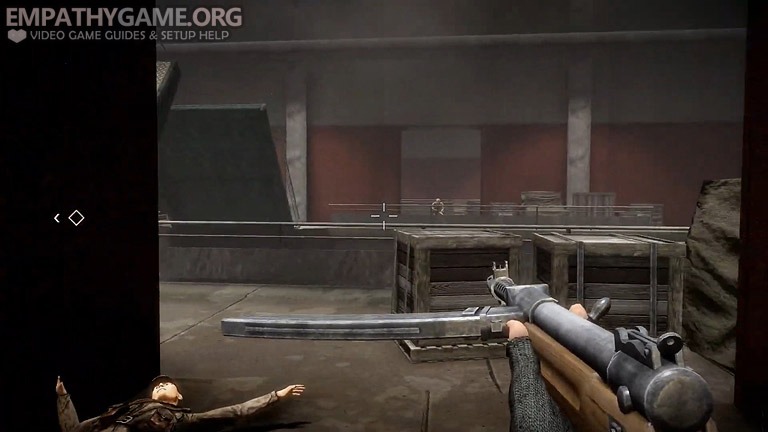
That interaction is the game’s strongest achievement. Multiplayer is at its best when a team solves a stubborn defense by changing the terrain, distracting enemy armor, or giving one squadmate enough room to reach an objective. The single-player campaign delivers the same explosive presentation and a more personable cast than many contemporary military shooters, but often exchanges that freedom for scripted spectacle. Movement also feels comparatively rigid, and some systems reward blunt force more than careful tactics. Bad Company 2 is not the most flexible Battlefield; its appeal lies in how much can change within a relatively focused fight.
Destruction Makes Cover a Temporary Advantage
Destruction 2.0 is easy to admire when a building collapses, but its smaller effects have more influence over an ordinary encounter. An underbarrel grenade opens a sightline through a wall; a shell removes a machine gunner’s protective corner. Blasting through a doorway lets infantry attack from an unexpected angle, while defenders may find their surviving cover useless in the next firefight.
Demolition exposes opponents but can also remove cover attackers need later. Leveling a house near an objective denies hiding places while leaving the approach visible to distant rifles. Opening one wall instead creates a route without exposing the entire area. Destruction feels unusually consequential because the tactical value of a space changes as the match progresses.
There are limits. Certain buildings collapse completely once sufficiently damaged, while others lose walls without falling; substantial pieces of scenery remain intact regardless of how much firepower is directed at them. The difference can feel arbitrary when two similar-looking obstacles respond differently. Still, the persistent damage gives battles a readable history. A battered village tells you where armor has pushed, where defenders have been forced out, and which approaches have stopped being safe.
Rush Is Where the Systems Come Together
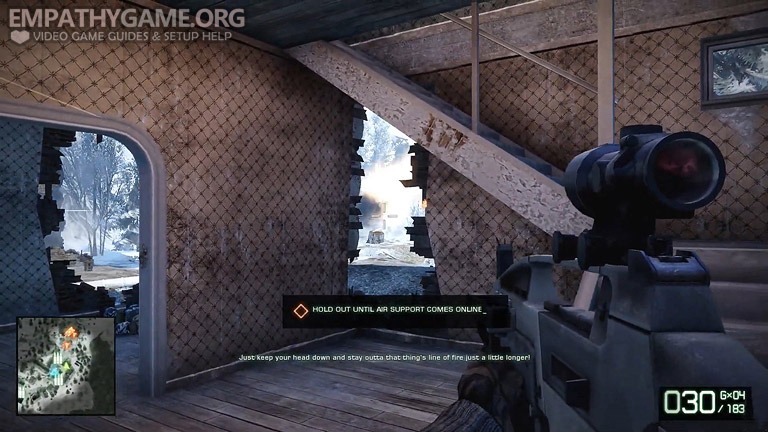
Rush gives this changing terrain a purpose. Attackers must destroy pairs of M-COM stations to unlock the next sector before their reinforcement tickets run out. Defenders contest the approaches, hold close to the stations, or retreat behind dwindling cover. Even a string of kills means little if attackers cannot reach the objective.
Valparaiso makes that distinction clear. Its wooded, uphill approaches can allow defenders to watch the obvious routes and punish attackers crossing open ground. One useful answer is not a more accurate sniper but a coordinated distraction: an armored vehicle absorbs attention along one approach while Assault soldiers lay smoke across another, allowing teammates to close the distance and arm an M-COM. Smoke does no ordinary shooting damage, yet it can accomplish more than an extra grenade by briefly denying the defenders a reliable view. Vehicles remain vulnerable, and smoke hides threats as well as teammates, but the maneuver rewards winning space rather than duels.
Other objectives invite a harsher approach. When an M-COM is inside a building that can fully collapse, demolition can destroy the station without the usual arm-and-defend sequence. Defenders must protect both the station and its surrounding structure. Not every building can collapse, though, and direct explosive damage is a costly alternative to arming the station.
Conquest uses the same weapons and vehicles differently. Multiple flags spread attention across a wider area, allowing a mobile squad to bypass a defended position and threaten another one. Atacama Desert’s open stretches and armored lanes favor a very different pace from Valparaiso’s forested advances. Squad Rush compresses objectives into a four-versus-four contest; Squad Deathmatch pits four squads against each other for kills. Full Rush best captures the struggle to take and reshape ground.
Four Classes Create Genuine Interdependence
The Assault, Medic, Engineer, and Recon classes are broad enough to learn quickly, yet their most valuable contributions depend on the rest of the squad. Assault distributes ammunition and uses grenade-launcher attachments to break defensive positions. Medics keep an infantry push alive through healing and defibrillator revives. Engineers can repair friendly vehicles or challenge enemy armor with rockets. Recon provides spotting, long-range pressure, and explosives. Together, they can sustain an advance that scattered sharpshooters cannot.
The relationship between Assault and Medic is especially practical. A Medic laying down sustained fire with a light machine gun needs ammunition; an Assault soldier on the front line benefits from having someone nearby who can restore health and recover a fallen teammate. Together, they reduce retreats and lost momentum. Squad spawning makes survival a team resource: one living teammate near an objective can matter more than another kill.
Support becomes counterproductive when it is performed without checking the situation. A Medic who revives someone beneath a staircase while an enemy still controls the top can return that teammate directly to the same gunfire. A useful rescue requires suppressing that threat first. Support actions need judgment, not just speed.
The classes are less rigid than their first impressions suggest. Recon need not spend an entire round motionless on a distant hill: an SV-98 can support aggressive engagements around an objective, whereas a GOL suits a more deliberate long-range role. Assault also has a clever loadout trade-off. Equipping an all-kit weapon such as the Thompson replaces the normal underbarrel attachment with C4, while the ammunition box provides a way to replenish explosives. This opens unconventional attacks on armor, buildings, and even M-COMs, though destroying a station directly requires substantial effort. Class names are starting points, not rigid instructions.
Vehicles Give Firepower Weight—and Create Balance Problems
On foot, rifles recoil sharply, machine guns feel forceful, and explosive blasts interrupt visibility with dust and debris. The gunplay has a sturdy rhythm rather than the smooth mobility associated with later shooters. Soldiers cannot go prone, so crouching and using terrain replace the familiar option of flattening out behind a low ridge. Fights keep moving, but cautious players have fewer options under long sightlines.
Vehicles change the scale of the problem. A tank can suppress a defensive line and tear open an approach that infantry could not cross alone. A helicopter or other fast vehicle can threaten areas far beyond an ordinary firefight. But heavy firepower works best with support: Engineers repairing friendly armor and infantry checking nearby cover can keep a push alive, while rockets and coordinated ambushes punish a driver who advances without protection. The balance depends less on tank versus rifle than on how well both teams coordinate around the vehicle.
The weakness is how sharply that balance can turn. A capable vehicle crew facing opponents without enough anti-armor equipment can dominate a stretch of the map, while awkward infantry movement leaves exposed soldiers with few graceful escape options. Bad Company 2 rewards cooperation, but it also makes the cost of poor team composition painfully obvious. With effective counters and support, each encounter feels like part of a larger battle.
B Company Gives a Scripted Campaign Its Personality
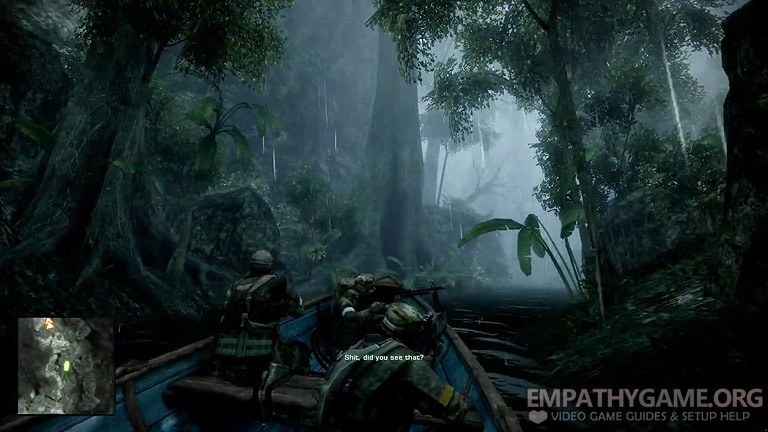
The campaign brings back Preston Marlowe, Sergeant Redford, Sweetwater, and Haggard, this time pursuing a dangerous weapon amid an expanding international conflict. Marlowe is the viewpoint character, but the other three provide the identity. Redford’s weary authority, Sweetwater’s talkative unease, and Haggard’s barely contained excitement at the prospect of blowing something up make their conversations more memorable than the central conspiracy. Their joking under fire cuts through the usual solemnity of military fiction.
The story itself is fairly conventional and more earnest than the first Bad Company’s treasure-hunting adventure. Its villains and escalating stakes exist largely to send the squad from one striking location to another. Frozen villages give way to jungles, dusty settlements, armored engagements, and frantic escapes, even when the objective remains another firefight and checkpoint.
The snowbound mission Snowblind is a good example of the campaign briefly finding a different rhythm. Exposure to extreme cold forces Marlowe to move between sources of warmth rather than treating every enemy as a reason to stop and trade fire. The environment becomes a threat rather than scenery. Vehicle sequences also vary the pace, though they are tightly choreographed.
That contrast is the campaign’s central frustration. Destructible scenery suggests multiple solutions, but objectives and triggers frequently insist on a particular route or sequence. Friendly squadmates are entertaining company without always being dependable tactical partners. Higher difficulty can also make explosive hits and sudden exposure more punishing without making enemy behavior notably more sophisticated. An RPG or grenade can force a repeat of familiar combat rather than a new plan. The campaign seldom trusts its strongest systems as much as multiplayer does.
Audio and Visual Design Sell the Scale of the Fighting
Bad Company 2’s sound does more than make explosions loud. Gunfire changes character across open ground, enclosed rooms, and wooded approaches; a nearby impact can overwhelm the quieter footsteps and calls that were helping a squad read the fight. Tank engines announce danger before a vehicle is fully visible, while sustained fire turns an exposed crossing into an intimidating decision. The aggressive War Tapes mix heightens that sensation, although the intensity can also obscure subtler cues.
The landscapes work in tandem with the audio. White mountain snow, tropical foliage, industrial buildings, and windswept desert terrain give battles distinct silhouettes and sightlines. Some character animations, textures, and environmental boundaries show their age, but the visual effect of walls disintegrating around a defended position remains expressive because it changes the space in which everyone is fighting. Spectacle is strongest here when it informs strategy.
Unlocks Provide Direction; Maps Provide the Replay Value
Multiplayer progression initially provides a steady sense of advancement. Playing a class earns access to its weapons and tools, while general rank rewards, specializations, pins, and insignias encourage experimentation and useful team actions. A gadget that changes how a class supports its team matters more than a marginal damage boost.
The reward curve is less satisfying over the long term. General rank-based equipment unlocks run out well before the highest ranks, while later promotions demand substantially more experience. Class-specific progression has its own path, so there is no single point at which every soldier has exhausted all options, but the transition from unlocking tools to accumulating rank symbols can drain some of the forward momentum. The matches must then provide their own motivation.
The Vietnam expansion tests whether the underlying formula is strong enough to carry that shift. Its period firearms, iron-sight-heavy engagements, helicopters, jungle paths, and distinctive music make familiar objectives feel more intimate and unruly. The M2 flamethrower is a particularly revealing weapon: its short reach and damage that continues after ignition make it frightening from an unexpected flank but risky against a defender who can shoot back immediately. Charging straight toward a rifleman can mean setting the target alight and dying before the fire finishes the job. Vietnam’s reduced emphasis on weapon unlocks and its more constrained destruction put even more weight on map flow, positioning, and coordinated attacks. It changes the atmosphere without reinventing the rules.
Final Verdict
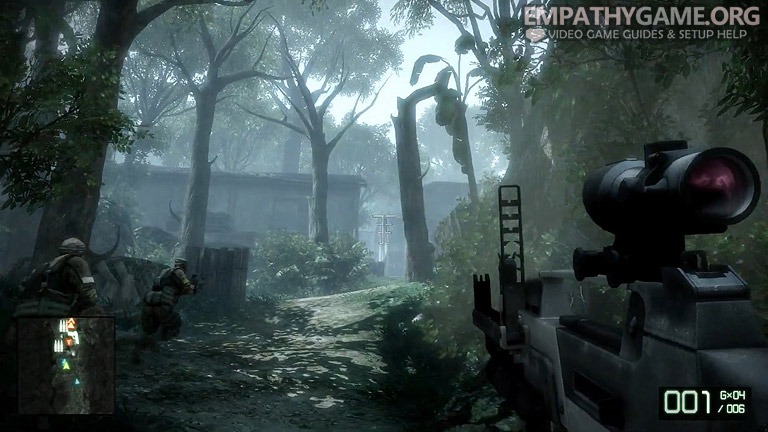
Battlefield: Bad Company 2 stands out because it makes a squad’s decisions visible on the battlefield. The outcome of an attack is written in collapsed walls, abandoned vehicles, exposed routes, and a handful of teammates who managed to keep one another alive. Rush is the clearest showcase: an apparently hopeless defense can be approached differently through smoke, demolition, repair work, and a better-timed push. The four classes retain distinct purposes without entirely confining players to prescribed styles, and the sound design gives every change in momentum a physical presence.
Its limitations are equally tangible. Infantry movement is comparatively stiff, vehicles can dominate teams that fail to cooperate, and destruction follows rules that are not always intuitive. The story campaign has wonderful squad banter and varied locations but leans on scripted action rather than the improvisation that makes the multiplayer design exceptional. Progression eventually gives way to a long stretch of ranks with fewer meaningful rewards.
Those searching chiefly for a lengthy solo campaign or modern movement options will find better matches elsewhere. For anyone interested in how objectives, class support, armor, and a destructible map can influence one another, Bad Company 2 remains a distinctive example of focused combined-arms design. Its finest moments come not from firing the largest weapon, but from recognizing when a team needs a new route, a supply box, a safe revive, or a wall that is no longer there.
Battlefield: Bad Company 2 Pros & Cons
Battlefield: Bad Company 2 PC System Requirements
The following are the original Windows PC requirements published for Battlefield: Bad Company 2. They describe the 2010 release rather than a modern remaster or a newly tested Windows 11 configuration.
OFFICIAL WINDOWS PC REQUIREMENTS:
MINIMUM:
OS: Windows XP
CPU: Intel Core 2 Duo at 2.0 GHz
RAM: 2 GB
GPU: NVIDIA GeForce 7800 GT or ATI Radeon X1900 with 256 MB video memory
DirectX: DirectX 9, 10, and 11 support
Storage: 15 GB available hard-drive space
RECOMMENDED:
OS: Windows Vista or Windows 7
CPU: Intel Core 2 Quad or higher
RAM: 2 GB
GPU: NVIDIA GeForce GTX 260 or ATI Radeon HD 4870 with 512 MB video memory
Additional Notes: The original Steam requirements also mention support for Logitech G15 and G19 keyboard LCD displays in multiplayer
Additional PC Performance and Setup Notes
- Windows 10 and Windows 11: The original requirements were written for older operating systems and do not constitute official certification for modern Windows releases. The hardware demands are modest, but activation, legacy dependencies, display settings, and compatibility can still matter. Steam itself requires a modern supported Windows version, even though the game’s historical specifications list Windows XP, Vista, and 7.
- DirectX rendering: The Windows version supports DirectX 9, 10, and 11 rendering paths. Graphics features can behave differently between them; for example, the game’s built-in multisample anti-aliasing support depends on the newer rendering paths. Start with the normal graphics configuration before experimenting with alternative DirectX settings.
- Widescreen and field of view: Battlefield: Bad Company 2 supports widescreen displays, and some camera and FOV values can be adjusted through configuration files. The game uses vertical FOV values, so copying a horizontal FOV number directly from a modern shooter may produce an unexpected result. Community camera adjustments may also behave differently between single-player and multiplayer.
- Settings and save backups: The PC version stores user configuration data under the BFBC2 folder in the Windows Documents directory. A commonly used configuration file is
%USERPROFILE%\Documents\BFBC2\settings.ini. Back up relevant configuration and save data before applying third-party fixes, replacing game files, or experimenting with mods. - High refresh rates: Although the engine can render above 60 FPS, unusually high frame rates can cause problems with some scripted animations and sequences. If an event behaves incorrectly, testing a 60 FPS cap is a sensible troubleshooting step before changing other files.
- Mouse and controller input: Mouse and keyboard remain the most straightforward PC control method. Native gamepad implementation is considerably less complete than in modern Battlefield releases, and some controller axes or buttons may not map correctly without additional configuration. Steam Input or a suitable custom controller mapping may help on supported installations.
- Steam Deck: Valve previously classified the Steam edition as Playable, reporting workable default performance and controller configuration with some non-Deck control prompts. That classification was issued before EA closed the official multiplayer services, so it should be treated as historical compatibility guidance rather than an assurance of account activation or online functionality.
- Community modifications: The game’s modding community has produced visual adjustments, lighting changes, interface improvements, custom configurations, and experimental gameplay modifications. Use reputable project pages, check version compatibility, preserve backups, and avoid replacing original files unnecessarily. Community mods are not guaranteed to remain compatible with every installation.
Official Trailer
Note: Electronic Arts’ official Battlefield: Bad Company 2 launch trailer showcases the game’s military action, combat atmosphere, explosions, and destruction-focused presentation. The written guide above explains the original PC requirements, official availability limitations, and how the discontinued online services affect existing owners.
Frequently Asked Questions
Is Battlefield: Bad Company 2 worth playing in 2026?
Yes, particularly if you enjoy military shooters with environmental destruction, powerful weapon audio, memorable squad characters, and vehicle combat. The single-player campaign remains enjoyable for fans of classic Battlefield, while multiplayer enthusiasts should understand that EA’s official servers have closed and community-run services are unofficial.
Do I need to play the first Battlefield: Bad Company before Bad Company 2?
No. Bad Company 2 follows Preston Marlowe, Sergeant Redford, Sweetwater, and Haggard from the original game, but introduces a largely self-contained military storyline. Playing the first Bad Company adds background to their personalities and relationships without being necessary to understand the sequel.
How long is the Battlefield: Bad Company 2 single-player campaign?
Most players can finish the campaign in approximately 6–8 hours, although higher difficulty settings and repeated attempts at demanding encounters can extend that time. Finding collectible weapons, destroying hidden satellite uplinks, and replaying missions can provide several additional hours.
Can I play Battlefield: Bad Company 2’s campaign offline?
Yes. The single-player campaign does not require a connection to active multiplayer servers once a legitimate copy is properly installed and activated. However, older PC editions may still encounter product-key, account, or first-time authentication problems, depending on the original installation method.
Can I replay campaign missions or change the difficulty?
Yes. The My Campaign menu allows players to revisit unlocked missions and select a difficulty when starting them, without having to replay the entire storyline from the beginning. Normal campaign progress is saved automatically at checkpoints rather than through unrestricted manual saves.
How do collectible weapons and Supply Drops work in the campaign?
Picking up different weapons during missions adds them to your campaign weapon collection. Supply Drops allow you to select previously discovered weapons and change your loadout, although Marlowe can only carry two firearms at a time. Some collectible weapons appear in specific missions, rewarding exploration and replaying earlier levels.
What are the hidden M-COM stations in Bad Company 2’s campaign?
They are optional satellite uplink terminals scattered throughout several missions. Destroying them contributes to the campaign’s collectible objectives and associated in-game awards, but they are not required to finish the storyline or unlock a different ending. Their role differs from multiplayer Rush, where destroying M-COM stations is the primary objective.
How do I survive the freezing conditions in the Snowblind mission?
Move between heat sources rather than remaining exposed in the snow for too long. Fires, burning barrels, and suitable shelter can help Marlowe warm up, while the increasingly icy screen indicates dangerous exposure. Planning your route between warm locations is more important than eliminating every enemy immediately.
Are Battlefield: Bad Company 2’s official multiplayer servers still online?
No. EA permanently discontinued the original online services for PC, PS3, and Xbox 360. Official matchmaking, server browsing through EA’s infrastructure, and related online progression are no longer supported, although independent community multiplayer projects exist for PC.
Can Battlefield: Bad Company 2 still be played online through Project Rome?
Yes, Project Rome is an unofficial community project that provides alternative multiplayer connectivity for compatible PC installations. It can allow players to join community-operated servers without EA’s retired infrastructure, but server availability, supported features, account management, and continued operation depend on the independent project rather than EA.
Does Battlefield: Bad Company 2 have Steam achievements?
No. The original PC game’s Steam release does not provide native Steam achievement integration. Bad Company 2 has its own campaign collectibles and historical in-game awards, while the Xbox 360 and PS3 releases used separate achievement and trophy systems. The official server shutdown also affects the availability of original online progression-related awards.
Can I play Battlefield: Bad Company 2 multiplayer against bots offline?
Not through an official built-in PC mode. The original Windows release does not include a conventional offline multiplayer bot-match option comparable to Battlefield 2. Some unofficial community server modifications support AI players, but these are separate projects and should not be confused with an officially supported offline mode.
Does Battlefield: Bad Company 2 support split-screen or local multiplayer?
No. The original PC version does not support split-screen, couch co-op, or two people playing together on one computer. Its multiplayer was designed around separate players connecting to online servers rather than sharing a single display.
Does Battlefield: Bad Company 2 support LAN multiplayer?
The original PC release does not provide a normal built-in offline LAN hosting mode. Its official multiplayer relied on online account and server infrastructure. Some independent server projects have experimented with LAN functionality, but that requires unofficial software and is not a standard feature of the retail game.
Can two players complete the Bad Company 2 campaign together on PC?
No. The main campaign is exclusively single-player. DICE released a separate four-player cooperative mode called Onslaught for PS3 and Xbox 360, but that expansion was never officially released for Windows PC and does not turn the original story into a cooperative campaign.
Does Battlefield: Bad Company 2 support cross-play between PC, Xbox, and PlayStation?
No. The original Windows PC, Xbox 360, and PS3 multiplayer versions operated within separate platform ecosystems without cross-platform matchmaking. Community-operated PC servers do not add official cross-play with console players.
What is the difference between Rush and Conquest in Battlefield: Bad Company 2?
Rush divides players into attacking and defending teams, with attackers attempting to destroy pairs of M-COM stations before exhausting their reinforcement tickets. Conquest instead revolves around capturing and holding flags to reduce the opposing team’s tickets. Rush emphasizes advancing through successive defensive positions, while Conquest encourages controlling multiple locations across a battlefield.
How do Squad Rush and Squad Deathmatch differ from the main multiplayer modes?
Squad Rush reduces Rush to two opposing four-player squads fighting over a sequence of individual M-COM objectives. Squad Deathmatch places four squads against one another, with the first squad to reach 50 kills winning the standard match. Both focus on smaller encounters than full 32-player PC battles.
How do squad spawning and revives work in Bad Company 2?
Multiplayer soldiers are organized into four-player squads, and a fallen player can choose to respawn on a living squadmate instead of returning to a conventional deployment position. Medics can also revive fallen teammates using defibrillators. Keeping squad members alive near an objective provides valuable forward deployment opportunities.
Which Battlefield: Bad Company 2 class is best for beginners?
Assault is a straightforward starting choice thanks to its versatile rifles, grenade launchers, and ammunition supply role. Medic is another useful option for players who prefer supporting teammates with healing and revives. Engineer specializes in vehicle repairs and anti-armor weapons, while Recon emphasizes long-range shooting, spotting, and explosives. All four can be effective depending on the map and team needs.
Can you destroy an M-COM station by collapsing a building?
Yes. In Rush, an M-COM station located inside a fully destructible building can be destroyed when the structure collapses onto it. This creates an alternative to planting and defending a charge, but not every building can be completely demolished. Defenders must therefore protect both the objective and the surrounding structure.
How do I spot enemies for teammates on PC?
Aim at an enemy soldier or vehicle and press the default Q key. Spotting marks the target for teammates and can help coordinate attacks against threats that other players have not noticed. The usefulness and visibility of these markers differ in Hardcore matches, where normal spotting indicators are restricted.
How does the Tracer Dart Gun work against tanks and helicopters?
Fire a tracer dart into an enemy vehicle, then use a compatible rocket launcher such as the RPG-7 or M2 Carl Gustav to lock onto the marked target. Keep the launcher aimed at the tracer indicator until the lock is established before firing. The M136 AT4 uses manual missile guidance instead, so it does not function like a tracer-guided rocket.
Can soldiers go prone in Battlefield: Bad Company 2?
No. Unlike several other Battlefield games, Bad Company 2 does not allow soldiers to lie prone. Players can stand, crouch, sprint, jump, and use terrain for cover, but there is no normal prone or crawling stance. This also applies to Recon players using sniper rifles.
What does Hardcore mode change in Bad Company 2 multiplayer?
Hardcore reduces player survivability, removes much of the normal interface, restricts spotting indicators, and enables friendly-fire damage. Automatic health regeneration is disabled, making Medic support more important. The result rewards careful positioning and communication but can be less forgiving for beginners.
What is the War Tapes audio setting in Battlefield: Bad Company 2?
War Tapes is an alternative audio mix designed to make battlefield sound more intense and forceful. Gunfire, explosions, vehicles, and environmental effects gain a more aggressive presentation than the default Hi-Fi mix. It does not modify weapon statistics, damage, enemy behavior, or gameplay difficulty.
Why does Battlefield: Bad Company 2 crash or fail to start on Windows 11?
The game was designed for older Windows versions, so some installations can encounter compatibility, graphics initialization, or legacy software dependency problems. For a legitimately owned Steam installation, start by verifying the game files, restoring default graphics settings, checking relevant Windows compatibility options, and installing required Microsoft components from official sources. No single workaround is guaranteed to resolve every startup problem.
Still have questions? Check the Battlefield: Bad Company 2 Reddit community, Steam Discussions, or EA Help for additional information about gameplay, existing-owner installation, account issues, and community multiplayer.
Sources & References
Key factual and technical information in this guide was checked against relevant official and community sources, including:
- Electronic Arts — Online Service Updates — official confirmation of the Bad Company 2 multiplayer shutdown for Windows PC, PS3, and Xbox 360, including the removal from EA Play.
- Steam — Battlefield: Bad Company 2 — historical official PC product listing used to verify the game’s release, developer, original system requirements, gameplay features, and unavailable purchase status.
- Electronic Arts — Battlefield: Bad Company 2 Vietnam Announcement — publisher documentation of the Vietnam multiplayer expansion, its platform availability, maps, weapons, vehicles, and original DLC arrangements.
- Electronic Arts — Bad Company 2 Onslaught Mode — official documentation confirming the four-player cooperative mode and its console-specific availability.
- SteamDB — Battlefield: Bad Company 2 — Steam application metadata, historical purchasing status, review information, and recorded Steam Deck compatibility classification.
- PCGamingWiki — Battlefield: Bad Company 2 — community-maintained technical reference for PC graphics options, field-of-view adjustments, controller behavior, configuration files, frame-rate issues, and legacy troubleshooting.
Similar Games Like Battlefield: Bad Company 2
- Battlefield 3
- Battlefield 4
- Battlefield 2
- Call of Duty: Modern Warfare 2
- Call of Duty 4: Modern Warfare
- Call of Duty: Modern Warfare 3 (2011)
Found something worth playing through DecideGame?
DecideGame.com is an independent gaming project run by Editor Zero. If this guide helped you discover a game, solve a problem, or find useful information, you can support DecideGame.com and help keep new and updated game guides coming.
DecideGame — PC Game Guides, Reviews & Setup Help