
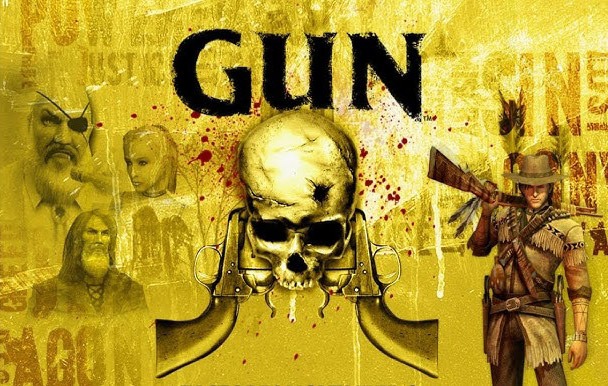
📅 Game released: 2005
GUN (2005) is a compact Western action-adventure in which Colton White rides across a dangerous frontier, takes bounty jobs, and fights through a revenge story using fast revolver combat and slow-motion Quick Draw. This PC guide covers official Steam and GOG purchase and download options, DRM-free installation, original system requirements, Steam Deck compatibility, controller setup, and a practical widescreen fix.
 By Editor Zero — independently researched, edited, and maintained.
Last updated: 12 November 2026
Last reviewed: 12 November 2026
Table of Contents
- Quick Facts
- Official PC Stores, Download & Installation
- Gun Review
- Pros & Cons
- PC System Requirements
- Frequently Asked Questions
- Similar Games
Gun Quick Facts
- Game: Gun / GUN™
- Developer: Neversoft; Windows PC adaptation by Beenox
- Publisher: Activision
- Genre: Action-Adventure, Open World, Western, Third-Person Shooter
- Release: November 8, 2005 (original North American release, including Windows PC); Steam storefront lists November 17, 2005
- Platforms: Windows PC, PS2, Xbox, GameCube, Xbox 360; PSP adaptation (Gun: Showdown)
- PC modes: Single-player only
- Steam Deck: Playable; some input, on-screen keyboard, and native-resolution limitations
- Content rating: ESRB Mature 17+
- Engine: Not officially confirmed
- Community: Steam Discussions
- PC modding: Unofficial Nexus Mods projects and Gun Widescreen Fix
- Metacritic score: 76/100 (Windows PC)
- IGN score: 8/10 (original game; console review)
- GameSpot score: 7.4/10 (original Windows PC and console review)
- Steam user reception: Very Positive overall
Official PC Stores, Download & Installation
👇 Compare official PC stores below to purchase, download, and install Gun on Windows.
- Steam: Sells the original Windows PC game and lists single-player play and Family Sharing. Steam achievements and Steam Cloud are not listed as features.
- GOG: Sells the same core single-player PC game with a DRM-free offline installer. GOG Galaxy is optional, and playing the installed game does not require online activation.
- Edition differences: Neither storefront lists a modern remaster or separate PC story expansion. Gun: Showdown is a distinct PSP adaptation, not an upgraded Windows edition.
- Windows installation: Install through the Steam client or download the standalone GOG installer from your own GOG library. GOG lists Windows XP through Windows 10; Windows 11 is not explicitly included in that published compatibility range.
- Steam client requirement: Steam’s client requires Windows 10 or later even though the game’s historical minimum requirements still name Windows 2000/XP.
- Steam Deck: Valve rates Gun Playable, not Verified. The default controller layout has limitations, some prompts show non-Deck icons, text entry may need the on-screen keyboard, and the native Deck display resolution is not supported.
- Unofficial PC fixes: ThirteenAG’s Gun Widescreen Fix improves resolution, aspect ratio, HUD, and field of view. Follow the verified installation steps under PC System Requirements and keep a backup of original files.



Gun Review
A fierce, compact Western where fast gunfights matter more than a vast frontier.
Gun has an unusual advantage over many larger Western adventures: it knows exactly what kind of experience it wants to deliver. Its frontier may be small, its controls unmistakably from 2005, and its open-world systems relatively simple, but there is little hesitation in its approach. Colton White rides into a territory of outlaws, crooked authority, and unfinished business, where a quiet conversation can become a shootout within seconds.
The revenge story provides the momentum, while horseback travel, bounty hunting, side jobs, and a particularly entertaining quick-draw system give the journey its personality. This is not a Western about slowly settling into another life. It is about moving through a dangerous one, usually with a revolver already close to hand.

Gunplay Has More Character Than Complexity
Fights are built around speed, directness, and a little controlled chaos. Revolvers, rifles, and shotguns make different kinds of encounters satisfying, but Gun is not trying to be a tactical shooter. Enemies arrive in groups, often from different heights or directions, and Colton has to keep firing, repositioning, and finding moments to recover. The violence is deliberately blunt. When a fight erupts on a dusty street, the game wants it resolved with decisive shooting rather than prolonged cover management.
Quick Draw is the mechanic that brings this approach together. Activating it slows the action and helps Colton pick out targets in rapid succession, turning an otherwise messy ambush into a brief display of gunslinger precision. Headshots can help sustain the advantage, so the system rewards accuracy as well as fast reactions. The important choice is when to use it. Spending the ability on a lone enemy is rarely as interesting as holding it for mounted attackers, a crowded rooftop, or the moment several gunmen close in at once.
The strongest encounters combine different pressures. A shootout across town rooftops tests how quickly targets can be identified; a chase on horseback demands attention to the road and the enemy; a narrow canyon gives Colton less room to escape incoming fire. None of these situations has much mechanical complexity by modern standards, yet their changing rhythm prevents the shooting from feeling like one repeated corridor fight.
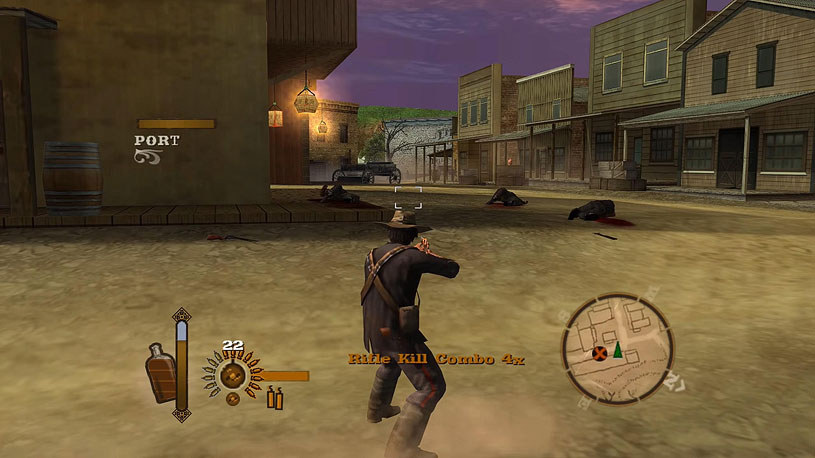
Age becomes obvious when precision and movement must work together. Turning, aiming, and moving around enemies can feel stiff compared with newer third-person shooters, while some encounters rely more on fast damage output than clever enemy behavior. Quick Draw also risks making regular fights too easy if it is used at every opportunity. Even so, there is a satisfying logic to the combat: read the danger, choose the right weapon, and act before the situation gets worse.
A Small Frontier With Interesting Trade-offs
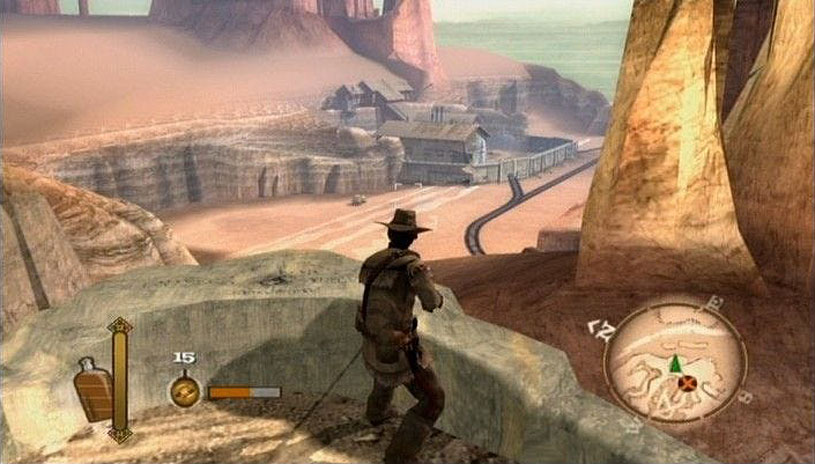
Gun‘s world is closer to a connected collection of Western settings than a living simulation. Towns, open plains, trails, and rougher canyon routes provide enough room to ride, explore, and find work, but the distances are short and the number of meaningful distractions is limited. At first, that compactness feels refreshing. A bounty or story mission is rarely buried beneath a long journey, and the map is easy to understand without constantly consulting directions.
Horseback riding adds more to this movement than simple speed. Colton can push a mount harder to cross ground quickly, but repeatedly spurring an exhausted horse can kill it and throw him off. It is an unexpectedly harsh consequence in such an arcade-minded game, turning an ordinary rush toward an objective into a small judgment about how much speed is actually worth. The horses are useful tools, not indestructible vehicles.
The map’s limited size becomes less flattering later in the campaign. When story objectives repeatedly send Colton across familiar ground, a ride that once felt like freedom can become a compulsory commute. The scenery is recognizable, but there are not always enough new events between destinations to make another crossing interesting. This is where Gun‘s focused design shows its cost: the same compactness that keeps the early hours moving can expose how little the world changes around the player.
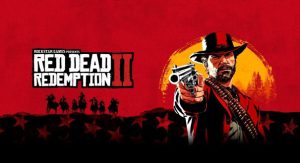
The comparison with Red Dead Redemption 2 helps clarify the difference. Rockstar’s Western finds much of its character in slow travel, routine, incidental encounters, and the feeling of inhabiting a place. Gun treats the frontier primarily as a stage for action. Neither approach is automatically better, but players expecting a richly reactive world will find this one noticeably thin.
Revenge Drives the Story, Sound Gives the Frontier Space
Colton White begins with a personal loss that soon expands into a struggle involving family secrets, powerful enemies, and corruption. The story is direct and often brutal, with an interest in betrayal and revenge rather than elaborate moral choices. Its advantage is momentum. Conversations tend to lead somewhere, allies and enemies are established quickly, and the campaign rarely loses sight of Colton’s reason for pressing forward.
That urgency can also make the writing feel hurried. The game moves from one threat to the next so quickly that some supporting characters and conflicts have less room to develop than their introductions suggest. Still, the frontier’s hostility comes through clearly. Authority does not automatically mean justice, and a seemingly routine encounter can turn violent before Colton has much opportunity to negotiate. The story’s harshness feels connected to the way the game plays.
What is easy to overlook is how much of the atmosphere comes from the audio rather than the size of the scenery. Music, ambient sound, gunfire, and the performances give quieter rides through open terrain a sense of place. A stretch of landscape need not contain another mission marker to feel recognizably Western. These quieter moments are important because they create contrast: without the brief stillness between destinations, the next sudden burst of violence would have less impact.
Side Jobs Strengthen Colton, but Not Every Player Needs Them
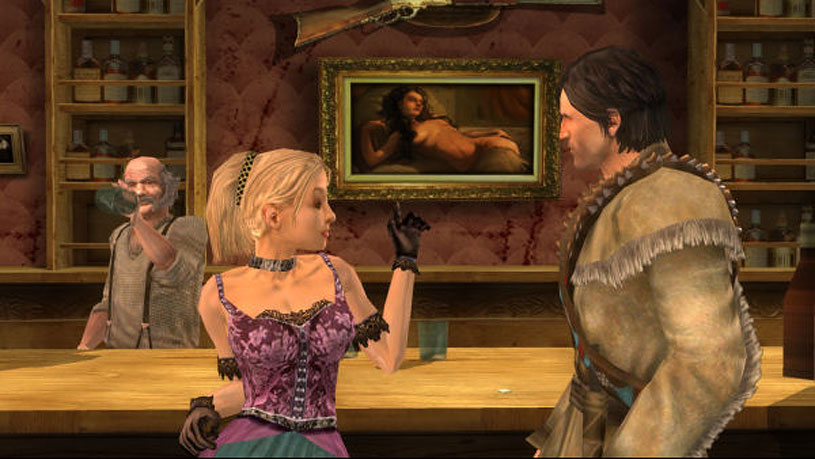
Outside the campaign, Colton can take bounties, work as a deputy, deliver goods, hunt, play poker, and earn money for equipment. The appeal is not that any one activity has extraordinary depth. It is that the jobs fit the fantasy of a gunslinger surviving by whatever work the territory offers. Bounty hunting is especially effective because there can be a practical difference between killing a wanted outlaw and bringing him in alive for a greater reward.
Completing optional activities improves Colton’s abilities, while shops provide upgrades and better equipment. This creates a useful connection between exploration and the next major shootout. But the review needs a qualification here: on Normal difficulty, a player can concentrate heavily on the story and still progress without collecting every stat increase. On harder settings, where incoming damage is less forgiving, that optional preparation becomes more persuasive. The side jobs offer flexibility, rather than a single correct path through the game.
Weapon progression is also more directed than the range of firearms initially suggests. Story rewards frequently replace older guns with stronger ones, so there is less reason to experiment with a long-term favorite or maintain several equally viable approaches. It suits Gun‘s brisk pacing, but it limits the sense that Colton is developing a personally chosen fighting style. The game is more interested in making him stronger than in letting the player build him differently.
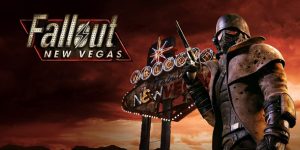
Players drawn to a frontier shaped by more involved factions, choices, and character development may find Fallout: New Vegas an interesting contrast. Both have dangerous territories and people willing to abuse power, but Gun tells a defined revenge story where New Vegas gives the player far more say in how conflicts are resolved.
A Short Campaign Worth Replaying, With a Thin Afterlife
Gun is not designed to occupy weeks of play. Its best story encounters arrive quickly, and the short campaign makes a second run or a harder difficulty setting a more appealing prospect than in a much larger open-world game. The other side of that efficiency is that its towns and activities can be exhausted before the frontier feels fully explored. Once the missions are complete, roaming the map offers relatively little that has not already been seen.
There is a particularly odd mismatch between completion and reward. Some of the most powerful equipment, including special horse protection, is associated with finishing the optional content. By then, there may be almost no substantial challenge left in which to enjoy it. As a result, the reward can feel more like recognition for having completed everything than a new reason to keep playing. A game this compact would benefit from giving its late rewards more room to matter.
Another old-fashioned limitation concerns saving. Manual saves do not always behave like snapshots of Colton’s exact location in the middle of a mission; reloading can return him to a designated mission starting point. Active missions use checkpoints, but that distinction is not always obvious, and losing progress to an unexpected restart can interrupt an otherwise fast-moving adventure. It is a small design detail with a large effect when a difficult encounter needs repeating.
Even with those frustrations, the game has a clear identity that survives its dated animation and limited systems. Its combination of aggressive gunfights, fast horseback action, straightforward progression, and a grim revenge plot feels different from Western games that aim for simulation or expansive role-playing. The rough edges deserve criticism, but they do not erase the pleasure of a game that gets to its strongest ideas quickly.
Final Thoughts
Gun remains an enjoyable Western action game because its scale serves its strongest feature: momentum. Quick Draw gives the shooting its distinctive rhythm, the revenge story rarely loses direction, and the soundscape makes even sparse stretches of frontier travel feel purposeful. There is something satisfying about an adventure that does not insist every journey become an enormous undertaking.
It is also easy to see where that design runs out of room. Repeat journeys become tiresome, movement and aiming show their age, optional progression is relatively linear, and the world has little to offer once its objectives are finished. Players wanting a deep, reactive Western sandbox may prefer something larger. Those who value brisk missions, rough-edged atmosphere, and decisive shootouts will find a compact game that still understands what makes a good gunslinger story work.
Gun Pros & Cons
- Pro: Strong Western atmosphere, horseback encounters, and punchy Quick Draw gunfights
- Pro: Focused story and compact frontier keep the main campaign moving
- Pro: Bounties, poker, hunting, and other side jobs give upgrades a clear purpose
- Pro: Official Steam and DRM-free GOG ownership options for the Windows game
- Con: Short campaign and relatively little to do once the frontier is cleared
- Con: Aiming, animation, enemy AI, and mission variety show their age
- Con: Original 4:3 presentation and modern-controller setup may need community adjustments
Gun PC System Requirements
The two profiles below come from different official storefronts. Steam preserves the original PC minimum specification, while GOG publishes a newer compatibility profile; they are not minimum and recommended tiers for the same release.
STEAM ORIGINAL MINIMUM:
OS: Windows 2000/XP
CPU: Pentium III 1.8 GHz / Athlon XP 1800+ or higher
RAM: 256 MB
GPU: DirectX 9.0c-compliant 32 MB hardware T&L-capable 3D accelerator
Storage: 2.8 GB uncompressed space, plus 320 MB for the Windows swap file
DirectX: DirectX 9.0c
Audio: DirectX 9.0c-compliant 16-bit sound card
Input: Windows-compatible mouse and keyboard; optional gamepad with at least 10 buttons and dual analog sticks
GOG STORE COMPATIBILITY PROFILE:
OS: Windows XP, Vista, 7, 8, or 10
CPU: 2.4 GHz processor
RAM: 1 GB
GPU: DirectX 9.0c-compatible 3D graphics card
Storage: 5 GB available space
Audio: DirectX 9.0c-compatible sound device
Additional PC Compatibility and Setup Notes
- Current Steam client: Steam requires Windows 10 or later, independently of the game’s original Windows 2000/XP minimum specification.
- Modern Windows: GOG’s published compatibility profile extends through Windows 10; Windows 11 compatibility is not formally listed there. Test a clean installation before applying unofficial patches or compatibility options.
- Widescreen fix — download: The original PC presentation does not provide properly corrected 16:9 widescreen by default. Get the Gun Widescreen Fix from ThirteenAG’s GitHub release; choose the Gun.WidescreenFix.zip asset, not an unrelated third-party repack.
- Widescreen fix — install: Close the game and extract the ZIP contents into the Gun installation folder containing
Gun.exe, preserving the ZIP’s internal subfolders. On Steam, use the game’s installed-files browsing option to find that folder; on GOG, open the directory where you installed the game. - Widescreen fix — configure: In
scripts/Gun.WidescreenFix.ini, useResXandResYif you need to specify a resolution such as 1920 × 1080. The distributed defaults areResX = 0,ResY = 0,FixHUD = 1, andFixFOV = 1. Test the image and menus after starting the game. The project lists support for any game executable version, although store-specific setups may still vary. - Frame rate: The original PC game is capped at 30 FPS by default. Higher-frame-rate executable modifications are unofficial, and community documentation reports altered explosive behavior and possible mission softlocks at 60 FPS on Impossible difficulty. Keep an unmodified executable backup and prefer the original cap if issues appear.
- Safe troubleshooting: Start from clean game files, remove conflicting overlays or mods one at a time, and back up your saves and configuration before editing the registry or making executable-level changes. For known issues, check the Gun PCGamingWiki page.
Official Trailer
Frequently Asked Questions
What is the difference between Gun and Gun: Showdown?
Gun is the original single-player Western action game sold for Windows PC. Gun: Showdown is a separate PSP adaptation with extra handheld-specific content; it is not a remaster or an add-on for the Steam or GOG game.
Is Gun open world, and how long is the story?
Yes, but the frontier is deliberately compact. A main-story run commonly takes roughly 6–8 hours; bounties, hunting, poker, ranch work, and other side activities extend the playtime.
How does Quick Draw work?
Quick Draw switches the action into a slowed first-person aiming view for a brief burst, making it easier to target multiple gunmen. The meter builds through fighting, so it is worth saving for crowded encounters or mounted attackers.
What should beginners prioritize?
Do some bounty and ranch work early to improve Colton’s attributes and afford useful equipment. Health and effective weapons make demanding story encounters more manageable, while conserving Quick Draw helps against sudden ambushes.
Does Gun have multiplayer or co-op on PC?
No. Both official Windows editions are single-player only. Do not confuse them with the handheld-specific multiplayer content in Gun: Showdown.
Should I get Gun on Steam or GOG?
Both sell the original Windows game. Steam is convenient for an existing Steam library and Family Sharing; GOG is the straightforward choice for DRM-free ownership and a standalone offline installer without mandatory GOG Galaxy use.
Does Gun have Steam achievements or cloud saves?
Neither Steam achievements nor Steam Cloud is listed among the game’s Steam store features. Make your own save backups, particularly before switching PCs or experimenting with community patches.
Can Gun run on Windows 11?
The official GOG profile lists Windows versions through Windows 10, not Windows 11. Successful Windows 11 reports are not a compatibility guarantee; test a clean install and consult the technical notes if something fails.
Can I play Gun with a modern controller?
The original PC requirements include an optional dual-analog gamepad, but modern pads may need custom button mapping or Steam Input. Some in-game prompts may not correspond to the connected controller.
How can I get proper 1080p or 16:9 widescreen?
Install the unofficial Gun Widescreen Fix using the download and setup steps in the PC System Requirements section. It adjusts aspect ratio, field of view, and HUD rather than merely stretching a 4:3 picture.
Can Gun run at 60 FPS?
The original PC game is capped at 30 FPS. Unofficial higher-FPS changes exist, but they can affect gameplay behavior; community documentation specifically warns about explosive damage and potential softlocks at 60 FPS on Impossible difficulty.
Is Gun playable on Steam Deck?
Valve rates it Playable, but not Verified. You may need a community controller layout or the on-screen keyboard, and the game does not natively support the Deck’s full display resolution.
Can you continue after finishing the story?
The game has leftover activities and completion goals rather than a large, evolving endgame. Its longer-term appeal comes mainly from replaying the campaign, pursuing side objectives, or attempting a harder difficulty.
Is Gun historically accurate?
It draws on imagery and conflicts from the American frontier but takes significant dramatic liberties. Its portrayal of Native peoples, violence, and frontier politics is best understood as stylized mid-2000s Western fiction, not a historical account.
Is Gun suitable for younger players?
It is rated ESRB Mature 17+ for blood and gore, intense violence, sexual themes, strong language, and alcohol use. It is intended for mature audiences.
Still have questions? Check the Gun Steam Discussions, PCGamingWiki compatibility page, or patientgamers community on Reddit.
Sources & References
Key release, ownership, compatibility, and technical information in this guide was checked against these sources:
- Steam — GUN — game availability, original listed requirements, Steam features, and overall user reception
- GOG — GUN — DRM-free ownership, offline installer, supported operating systems, and compatibility requirements
- GameSpot — Activision draws Gun — first North American release and original platform history
- SteamDB — GUN — Steam Deck Playable classification and specific compatibility caveats
- ThirteenAG — Gun Widescreen Fix — original patch release and fixes for resolution, aspect ratio, HUD, and field of view
- PCGamingWiki — Gun — original frame-rate cap, community compatibility guidance, and high-FPS caveats
Similar Games Like Gun
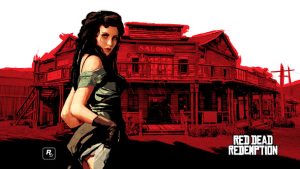
- Red Dead Redemption
- Red Dead Redemption 2
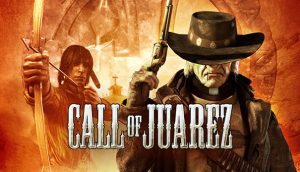
- Call of Juarez
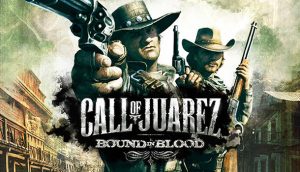
- Call of Juarez: Bound in Blood
- Call of Juarez: Gunslinger
- Fallout: New Vegas

Found something worth playing through DecideGame?
DecideGame.com is an independent gaming project run by Editor Zero. If this guide helped you discover a game, solve a problem, or find useful information, you can support DecideGame.com and help keep new and updated game guides coming.
DecideGame — PC Game Guides, Reviews & Setup Help