
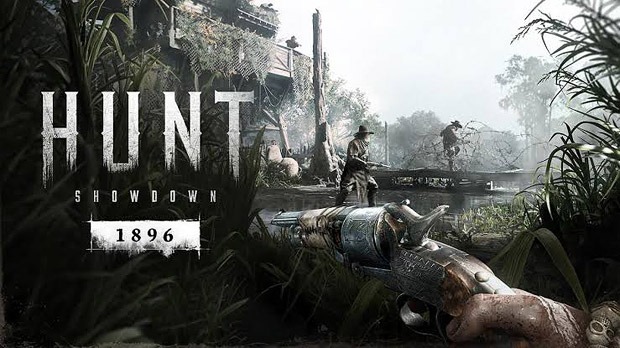
Use this updated 2026 Hunt: Showdown 1896 PC guide to compare official Steam, Microsoft Store and Crytek Store purchase and download options, understand Bounty Hunt and co-op, and check DLC, system requirements, cross-store play, Steam Deck support and setup.
 By Editor Zero — independently researched, edited, and maintained.
Last updated: 19 October 2026
Last reviewed: 19 October 2026
Table of Contents
- Quick Summary
- Quick Facts
- Official PC Stores, Download & Installation
- Hunt: Showdown 1896 Review
- Pros & Cons
- PC System Requirements
- Frequently Asked Questions
- Similar Games
Hunt: Showdown 1896 Quick Summary
✔ Competitive first-person extraction shooter mixing supernatural PvE with lethal PvP across the corrupted American frontier, where teams hunt valuable targets while other Hunters track them
✔ Bounty Hunt combines clues, Boss Target fights, banishing, Bounty Tokens, Dark Sight, ambushes and risky extraction rather than a conventional single-player campaign
✔ Similar to Red Dead Online through its frontier gunfights, lonely landscapes, period weapons, multiplayer confrontations and careful positioning, although Hunt adds supernatural horror and extraction stakes
✔ Solo players and teams of up to three risk permanent Hunter loss and carried equipment; spatial audio, positioning and knowing when to disengage matter more than chasing every fight
✔ The 1896 overhaul brought CRYENGINE 5.11 and Colorado’s Mammon’s Gulch alongside three Louisiana maps, while persistent weapon, inventory, Hunter and progression systems support varied approaches
✔ The base game gives access to the essential online experience; optional paid DLC primarily adds Legendary cosmetic content rather than separate maps or story campaigns
Hunt: Showdown 1896 Quick Facts
Official PC Stores, Download & Installation
👇 Compare the official Steam, Microsoft Store (Windows) and Crytek Store options before buying, downloading, installing or adding DLC for Hunt: Showdown 1896 on PC.
- Official PC stores: The base game is sold for Windows PC on Steam and the Microsoft/Xbox Store. The official Crytek Store sells Steam keys rather than a separate Crytek launcher edition.
- Standard game: A base-game purchase unlocks the core Bounty Hunt multiplayer experience, the normal maps, available modes and shared live gameplay content. Cosmetic bundles are not required to take part.
- Starter Edition: Steam’s Starter package combines the base game with Legends of the Bayou, The Prodigal Daughter and The Trick Shooter cosmetic DLC.
- Deluxe Edition: Steam’s Deluxe bundle includes the base game and Meridian Turncoat, Reap What You Sow, Fear The Reaper and Last Gust DLC. Check your owned items before buying a bundle or an individual add-on.
- Other bundles: Steam and Crytek may offer additional themed bundles, with selections and discounts that vary over time. Check the actual included products at checkout rather than assuming one bundle contains all DLC.
- Legendary DLC: Paid character and equipment packs predominantly contain cosmetic Hunters, weapon skins and other customization items. They do not provide separate paid campaign missions or exclusive standard Bounty Hunt maps.
- Blood Bonds: This premium currency is used for selected cosmetic and optional in-game purchases, while Hunt Dollars fund ordinary gear and loadouts. Evaluate individual offers before spending; premium cosmetic DLC is not necessary to compete.
- Separate PC ownership: A Steam license or Crytek-delivered Steam key does not automatically grant a Microsoft Store license. Do not assume purchases, premium currency or account progress automatically transfer between storefronts.
- Cross-store parties: Steam and Microsoft Store Windows players can form parties using lobby codes. PS5 and Xbox Series X|S players can also invite each other within their separate console pool; PC-versus-console crossplay is not supported.
- Online and anti-cheat: The core game requires an internet connection and official account services. Steam lists Easy Anti-Cheat and a third-party EULA; avoid unsupported changes to game executables or anti-cheat files.
- Steam Deck: Valve currently rates the Steam version Playable. Some in-game text is small and the on-screen keyboard may need to be invoked manually.
 Buy Hunt: Showdown 1896 on Steam
Buy Hunt: Showdown 1896 through the Official Crytek Store
 Buy Hunt: Showdown 1896 on Microsoft Store for Windows PC
 Visit the Official Hunt: Showdown Website

Hunt: Showdown 1896 Review
Slow, lethal gunfights and extraordinary spatial audio turn every bounty into a contest of information, but the same unforgiving sandbox demands patience before its brilliance becomes readable.
Hunt: Showdown 1896 is an extraction shooter where the most important event in a match may be a sound nobody intended to make. Crows erupt beyond a treeline. A rifle cracks several compounds away. Glass breaks upstairs. A wounded Hunter starts healing behind a wooden wall. Each detail gives away information, and Hunt is built around deciding what that information is worth before another team reaches the same conclusion.
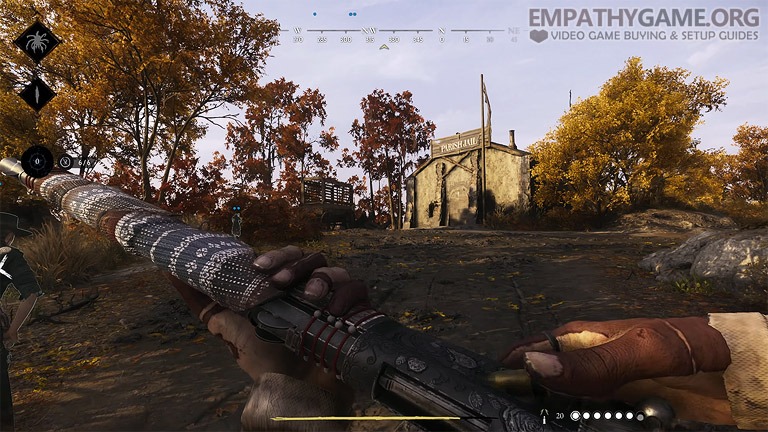
Bounty Hunt supplies the structure. Hunters enter corrupted stretches of Louisiana or Colorado, investigate clues, locate supernatural Boss Targets, kill and banish them, collect the Bounty, and extract before rival Hunters take it instead. The objective is less a finish line than a device for drawing teams together. Killing the Boss can turn a quiet compound into the most dangerous place on the map, while taking the Bounty provides useful information but makes escape the next problem.
That tension remains distinctive because Hunt refuses the speed and abundance common to many competitive shooters. Period firearms make misses expensive, equipment is finite, and death can erase a developed Hunter. The learning curve is severe, but once gun sounds, compounds and enemy habits become legible, even silence can feel like part of a firefight that has not started yet.
Bounty Hunt Turns the Objective Into a Trap
A typical Bounty Hunt begins with direction rather than loot collection. Clues narrow the Boss Target’s territory, so teams have an immediate reason to move. Ordinary AI and environmental sound traps keep that movement from becoming empty travel. Sprinting is faster, but a horse, crows or a loud monster encounter can advertise the route to anyone close enough to interpret it.
The objective gradually concentrates the match. Reaching a Boss lair first creates an advantage, but killing and banishing the target also gives rival teams time to converge. Defenders have walls, doors, windows and traps; attackers can probe for angles, listen for movement or let another group force the first mistake. Once a token is collected, Dark Sight Boost briefly helps locate nearby enemy Hunters, but extraction becomes another decision rather than a victory screen.
This creates excellent reversals. A team can win the boss fight and defeat one attacking squad, then lose everything crossing the final field. Another can arrive late, hear two groups destroying each other and decide patience is worth more than participation. Hunt rarely tells anyone which decision is correct; it creates enough pressure that every option has a cost.
There are weaker rounds. Spawn, Boss and extraction geometry can sometimes produce a long rotation toward a fight that is already ending, especially when one team gets an efficient route and a convenient extraction. The objective-driven structure reduces the aimless downtime common to many battle royales, but it cannot remove travel entirely.
Period Gunplay Makes Every Miss a Decision
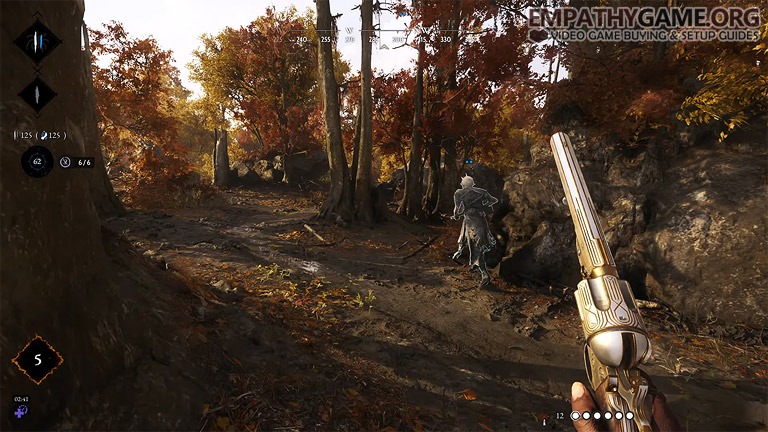
Hunt’s firearms are satisfying because they are inconvenient. Single-shot rifles demand a follow-up plan before the trigger is pulled. Revolvers and lever-actions provide more forgiving capacity but still punish careless reloads. Shotguns can dominate a room while becoming a different proposition across an exposed yard. Muzzle velocity matters enough that landing rifle shots at range requires learning how far to lead a moving Hunter rather than simply centering a hitscan crosshair.
That weapon handling creates rhythm. A powerful shot misses through a doorway; the opponent now knows roughly where it came from, and the shooter has to cycle, reload or reposition. A shotgun user can exploit that pause by pushing, but crossing open ground may expose them to the shooter’s partner. Aggression can be devastating without becoming mindless.
Penetration strengthens the information game. Wooden cover is not automatically safe when footsteps, a reload or a healing sound reveal where somebody is standing. Traps, explosives, melee tools and consumables expand the same logic: a doorway can be denied, an escape route made dangerous, or a distraction used to disguise a rotation.
Players familiar with the slower weapons and frontier iconography of Red Dead Redemption 2 will recognize some of the same physical character in revolvers, rifles and shotguns, but Hunt uses that historical friction for a different purpose. Their pauses and limitations exist to create openings that another human opponent can exploit.
Sound Is a Second Map
No system defines Hunt more completely than audio. Footsteps communicate direction, distance and often the surface underneath a Hunter. Gunshots can be read from far beyond the current compound. Crows, horses and dogs turn careless movement into public information, while doors, chains, glass and machinery help reconstruct what is happening before anyone is visible.
The important skill is not simply hearing more. It is deciding what a sound probably means. Two rifle reports may suggest a fight rather than someone clearing AI. A sudden silence inside a boss compound can be more suspicious than continued movement. Footsteps above a ceiling may reveal which staircase is unsafe, while a reload heard through a thin wall can create the few seconds needed to push.
This is why tense compounds remain effective after the maps become familiar. Three teams can be separated by only a few rooms and still spend a long stretch probing one another without seeing a target. Someone crouches, another changes floors, a third rotates outside, and every small noise alters the imagined positions. When the first shot finally breaks the standoff, the fight feels like the result of information accumulated beforehand rather than a random collision.
Proximity voice chat adds an unpredictable social layer. It can support negotiation, taunting, misdirection or simply an absurd conversation between enemies who may start shooting seconds later. Those unscripted moments give Hunt flashes of personality without weakening the danger around them.
The Monsters Matter Because Other Hunters Exist
The PvE population is not a separate campaign layered underneath the competitive game. Grunts, Hives, Armored enemies and Hellhounds are environmental complications that become tactically important when another team is nearby. An isolated monster may be trivial; the same creature blocking a retreat while bullets arrive from a compound window becomes part of the firefight.
Good Hunt play therefore includes knowing when not to solve a PvE problem directly. A loud firearm may remove an obstacle but reveal a position. Hellhounds can be avoided and left for the next team. A Hive controlling an awkward approach can function almost like an unpaid guard if opponents are forced to deal with it first.
The broader loadout sandbox follows the same philosophy. Healing limitations, stamina, traps, AI and information all have tools, consumables or Traits that can mitigate or exploit them. No loadout answers everything, so preparing for one problem means accepting less flexibility somewhere else.
The AI rarely replaces rival Hunters as the central threat once its patterns are understood. Its value is making routes imperfect, creating noise at bad times and adding systems that can be manipulated rather than merely cleared.
Map Knowledge Turns Fear Into Suspicion
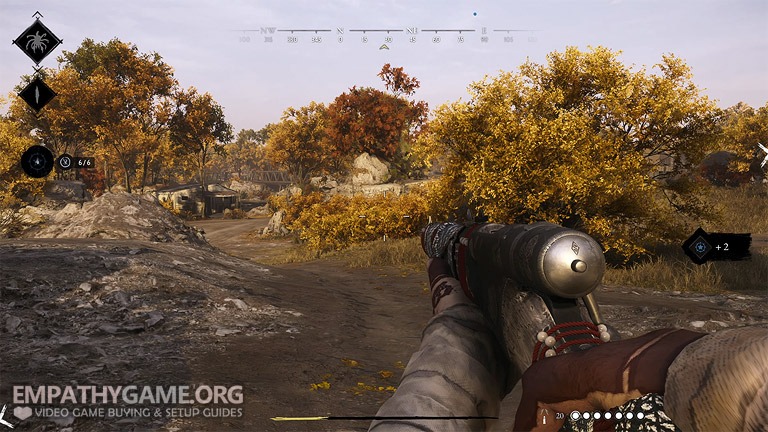
Hunt’s maps present different versions of a corrupted American frontier. Louisiana is defined by swamps, farms, compounds and decaying industry, while Mammon’s Gulch uses Colorado mines, cliffs and stronger vertical variation. Learning them is less about memorizing collectibles than understanding sightlines, covered approaches, ladders, windows and how compounds connect.
That knowledge changes the value of information. A gunshot is more useful when the listener knows which nearby compound supports that angle. Disturbed birds matter more when there are only a few sensible routes from their location toward the Boss. An attacker entering through the obvious gate becomes easier to predict once the alternatives are familiar.
The Western imagery creates a useful contrast with Red Dead Redemption. Both draw from lonely settlements, period weapons and a fading frontier, but Hunt corrupts that language until barns, mines and muddy roads feel infected rather than nostalgic. Bodies, ritual spaces and diseased creatures suggest a wider catastrophe without stopping the multiplayer match for conventional story scenes.
Port Sulphur Band’s music reinforces that identity between matches, while the world itself does most of the storytelling during them. Hunt does not need scripted jump scares. Hearing something move in a building that should be empty is usually enough.
Progression Creates Attachment Without Making Gear Sacred
A surviving Hunter becomes more valuable because experience and upgrade points allow Traits to accumulate across successful missions. That creates a small but effective attachment: extracting with a veteran feels different from recruiting a replacement, even though account progression and the wider equipment economy continue after an individual death.
Permadeath works because equipment never becomes magical insurance. Strong gear improves options, but a well-placed shot from a cheaper loadout can still end a developed Hunter. Expensive weapons therefore raise the emotional stake without guaranteeing the result, making loadout cost another expression of how much risk a player is willing to carry.
Traits alter healing, movement, utility and weapon handling, while tools and consumables support traps, information gathering or aggressive pushes. Major updates periodically reorganize that sandbox, so favourite builds can change value without making the underlying skills of positioning and reading a fight obsolete.
For newcomers, this is a lot to absorb alongside compounds, audio and gun handling. Onboarding systems can make the first steps more structured, but no tutorial can quickly teach what a rifle sounds like from the next compound or which window an experienced opponent is likely to use. Hunt’s real education still happens through deaths that become understandable afterward.
The Live-Service Layer Is Less Stable Than the Core Game
The 1896 relaunch substantially revised Hunt’s presentation, maps and game systems, and its expanding multiplayer sandbox gives returning Hunters more ways to approach a match. The tradeoff is a moving competitive rulebook: interface changes, loadout revisions and shifting balance can take some of the comfort away from a carefully learned routine.
The important distinction is between that moving layer and Hunt’s durable foundation. Event mechanics can disappear, Traits can be rebalanced or removed, and inventory rules can change. The tension between spatial audio, lethal firearms, PvE interference, imperfect information and extraction risk has proved much more stable.
This can frustrate players who value fixed rules or become attached to one precise build. Yet adaptation also reinforces the larger appeal: reading other Hunters remains more important than mastering one supposedly perfect set of items.
Replayability Comes From People, Not Checklists
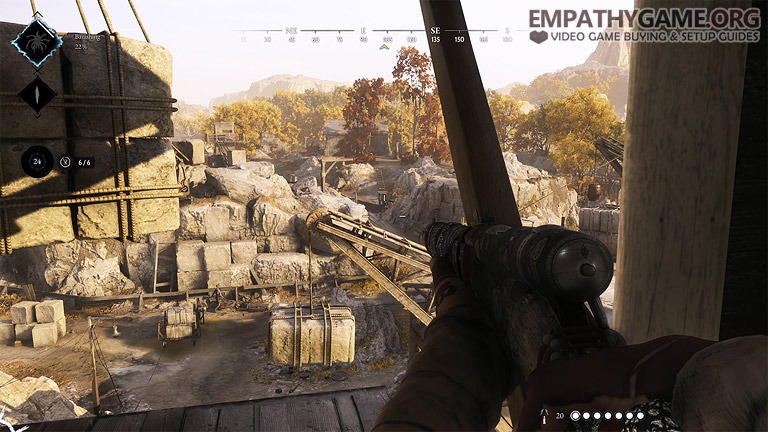
Hunt’s long-term appeal is difficult to measure by the number of bosses or weapons because the strongest variation comes from other teams. The same compound can host a five-minute shotgun breach in one match and a prolonged three-team standoff in the next. One extraction becomes a desperate sprint under rifle fire; another is eerily quiet because the remaining teams killed each other elsewhere.
Mastery also keeps changing shape. Learning rifle lead times makes long-range fights more confident, while switching to an aggressive shotgun loadout demands different positioning. A cautious team can practise faster rotations; an aggressive team can learn when refusing a fight is actually the stronger decision. Improvement is visible less through a rising damage statistic than through situations that stop feeling mysterious.
Soul Survivor and Bounty Clash provide alternative rhythms when the full Bounty Hunt loop is not appealing. The former reshapes the solo objective structure, while Bounty Clash compresses conflict around a compound for much faster engagements when available. Neither replaces Bounty Hunt’s mixture of travel, tracking and uncertainty, but they expose different parts of Hunt’s combat.
Few competitive shooters can make a quiet minute this stressful after the novelty has worn off. Silence does not mean nothing is happening. It means there is not enough information yet.
Final Verdict
Hunt: Showdown 1896 remains exceptional because nearly every system feeds the same question: what does the other team know? A gunshot reveals distance and direction. Crows betray a route. A monster can force noise from an otherwise careful approach. A missed rifle shot creates a window to push, while collecting a Bounty provides valuable information at the cost of making escape more dangerous.
Its best gunfights are therefore built before the first bullet lands. Period firearms reward commitment, compound layouts turn sound into positioning, and PvE threats become tools or obstacles depending on who notices them first. The frontier setting gives that tactical game a grotesque identity that few extraction shooters resemble.
The price is a severe learning curve. New Hunters must absorb weapon velocity, sound cues, map routes, Traits, equipment, AI and an experienced competitive population while accepting that one mistake can erase a developed character. Some matches contain more travel than tension, and the live-service layer has gone through enough technical, UI and balance turbulence that major updates can temporarily complicate an otherwise brilliant foundation.
For players who want predictable progression or constant firefights, that friction can be exhausting. For those who enjoy extracting information from sound, improvising around imperfect plans and feeling genuinely uncertain inside a familiar map, Hunt offers something much rarer. Even after the monsters become routine and the compounds become recognizable, another human team can still make the next quiet doorway feel dangerous.
Hunt: Showdown 1896 Pros & Cons
Hunt: Showdown 1896 PC System Requirements
Official Windows PC specifications for the CRYENGINE 5.11 version:
MINIMUM:
OS: Windows 10 64-bit
CPU: Intel Core i7-7700 / AMD Ryzen 5 2600
RAM: 8 GB
GPU: NVIDIA GTX 1650 Super / AMD Radeon RX 5500 XT, with at least 4 GB VRAM
DirectX: Version 12
Storage: 75 GB available space
Network: Broadband internet connection
Sound Card: DirectX-compatible audio card
Additional: Best experienced on an SSD and with headphones
RECOMMENDED:
OS: Windows 11 64-bit
CPU: Intel Core i7-8700 / AMD Ryzen 5 2700
RAM: 12 GB
GPU: NVIDIA RTX 2060 Super / AMD Radeon RX 6600 XT, with at least 8 GB VRAM
DirectX: Version 12
Storage: 75 GB available space
Network: Broadband internet connection
Sound Card: DirectX-compatible audio card
Additional: Best experienced on an SSD and with headphones
Additional PC Performance and Setup Notes
- The current requirements reflect the CRYENGINE 5.11-era Hunt: Showdown 1896 client rather than the substantially lighter requirements associated with older pre-2024 versions of Hunt.
- Install the game on an SSD where possible. Crytek specifically recommends one, and additional free disk space is useful for large live-service patches, temporary update files and shader caches.
- Use headphones or a good stereo headset. Hunt’s spatial sound communicates enemy movement, gunshot direction, disturbed animals, broken objects, nearby AI and other information that can be as important as visual settings.
- If performance drops after a major update, install current graphics drivers, restart the shader-building process where relevant, verify the game through your official PC storefront and test without overlays or unnecessary background applications before reinstalling.
- Steam Deck is rated Playable. Valve reports that the default graphics configuration performs well and controller functions are accessible, but some text may be difficult to read and text input can require manually opening the virtual keyboard.
- The Windows version uses Easy Anti-Cheat. If the game refuses to join matches or reports an anti-cheat problem, verify your official game installation and repair the official anti-cheat component rather than replacing game executables or using unofficial client modifications.
- Hunt receives frequent updates that can alter CPU/GPU performance, maps, weapons, UI systems and server behavior. Re-test graphics settings after major patches rather than assuming an older configuration remains optimal.
Official Trailer
Note: Crytek’s official Hunt: Showdown 1896 launch trailer introduces Mammon’s Gulch, Hunters, supernatural enemies, period firearms, PvPvE combat and the CRYENGINE 5.11 visual overhaul, while this guide covers official PC storefronts, edition choices, system requirements, cross-store co-op, Steam Deck, anti-cheat and setup guidance.
Frequently Asked Questions
Is Hunt: Showdown 1896 worth playing in 2026?
Yes, especially if you enjoy tactical multiplayer games where sound, positioning and risky extraction matter more than frequent respawns. Its gunfights can be extraordinarily tense, but the learning curve, loss of Hunters and dependence on online servers will not suit everyone.
Is Hunt: Showdown 1896 a sequel or a separate purchase?
No. It is the upgraded continuation of Hunt: Showdown, not a sequel or a separate campaign. The 1896 overhaul improved technology and added Mammon’s Gulch while preserving the same underlying multiplayer game for existing owners.
How do Bounty Hunt matches work?
Investigate Clues, identify a Boss Target’s lair, defeat and banish it, collect its Bounty Tokens and reach an extraction point. Rival Hunters can kill you and take the bounty, so surviving the journey is just as important as defeating the monster.
Can you extract without killing a Boss Target?
Yes. You can leave without carrying a bounty if an extraction is accessible. Extracting early is a sensible option when your team is wounded, poorly equipped or facing a fight it cannot reasonably win, although bounty rewards require the relevant objectives.
What does Dark Sight Boost do?
Holding a Bounty Token grants limited enhanced Dark Sight that can reveal the approximate position of nearby enemy Hunters. Use it at decision points, such as before leaving a lair or crossing a dangerous approach, rather than assuming it guarantees an uncontested escape.
What is the difference between Boss Targets and Wild Targets?
Boss Targets are the major lair objectives in normal Bounty Hunt progression. Wild Targets are different dangerous creatures found outside the usual boss-lair structure. Their availability and mission conditions may vary with the active rules.
What happens when your Hunter dies? Can teammates revive them?
A Hunter who is permanently lost takes their equipment and developed Traits with them, while Bloodline progression remains. Teammates can revive downed Hunters when the match’s revive conditions permit; do not assume every death or burned-out health state can be undone.
Can you play solo, as a duo or in a trio? Are four-player squads supported?
You can queue alone or play in a team of up to three in Bounty Hunt. Regular four-Hunter squads are not supported. Solo play is possible, but fighting coordinated groups raises the difficulty.
What are Soul Survivor and Bounty Clash?
Soul Survivor is a solo-focused mode with a different survival and recruitment rhythm. Bounty Clash concentrates Hunters around a smaller area for faster fights. Bounty Hunt remains the main long-form tracking and extraction experience; additional modes may rotate.
What is the difference between MMR, Bloodline Rank and Prestige?
MMR reflects competitive matchmaking skill, Bloodline Rank measures account progression and unlocks, and Prestige is an optional long-term progression reset and reward system. A high Prestige number does not directly mean somebody has a higher matchmaking rating.
How does the weapon-capacity system work?
Weapons have numbered sizes from 1 to 5. A normal loadout has five total weapon-capacity points across its two weapon slots; the Quartermaster Trait raises that limit to six. Tools and consumables use a more flexible shared inventory arrangement, making older small/medium/large loadout advice less reliable.
What is a good beginner loadout?
Start with an affordable rifle or carbine, a practical close-range or backup weapon, healing and a reliable way to handle AI quietly. More expensive gear is not a substitute for recognizing sound traps, checking angles and knowing when to retreat.
Why is audio so important, and can bullets penetrate walls?
Gunshots, footsteps, disturbed animals and noisy objects reveal where people may be moving. Some materials, including wooden cover, can be penetrated by suitable ammunition. Good headphones and careful listening can expose an opponent before either side sees the other.
How are Blood Bonds different from Hunt Dollars, and is DLC pay-to-win?
Hunt Dollars are the ordinary gear economy, while Blood Bonds are premium currency used for selected optional items. Paid DLC primarily adds Legendary cosmetic content rather than essential competitive maps or separate campaigns. The base game is enough to participate in normal matches.
Where can I buy Hunt: Showdown 1896 on Windows PC?
You can buy the Windows version through Steam or Microsoft Store, while Crytek’s official store supplies Steam keys. A license for one PC storefront does not automatically unlock another store’s product or transfer all purchased entitlements.
Can Steam and Microsoft Store PC players invite each other?
Yes. Crytek’s lobby-code system supports parties across Steam and Microsoft Store Windows PC versions. It also supports cross-console invitations between PS5 and Xbox Series X|S, but these are separate platform groups.
Can PC players team up with PS5 or Xbox Series X|S players?
No. PC and console matchmaking pools are separate. The cross-platform lobby feature applies to the two Windows PC stores within the PC group and to PS5/Xbox Series X|S within the console group.
Is Hunt: Showdown 1896 available through PC Game Pass?
Microsoft Store availability does not by itself mean PC Game Pass membership includes the game. Check the current Xbox app or the game’s Microsoft listing for your region and plan; a normal Microsoft Store purchase is a separate ownership option.
Can you play offline, by LAN or using split-screen co-op?
No. Hunt’s main experience requires live online services. There is no conventional offline campaign, dedicated offline LAN multiplayer or split-screen local co-op.
Does Hunt: Showdown 1896 support controllers?
Yes. Steam lists full controller support, although mouse and keyboard may offer a different aiming experience on Windows. Adjust sensitivity and bindings to your preferred input device.
Is Hunt: Showdown 1896 playable on Steam Deck?
Valve rates the Steam edition Playable. Some text can be hard to read, and an on-screen keyboard may have to be opened manually. Since this is a live-service title using anti-cheat, check Valve’s current notes before relying on handheld support.
Which maps are included in Hunt: Showdown 1896?
The main map selection includes Stillwater Bayou, Lawson Delta, DeSalle and Mammon’s Gulch. Individual maps, times of day and weather conditions may appear in different rotations or modes.
What are Story Challenges and Legacy Chronicles?
Story Challenges give objective-based tasks tied to Hunt’s characters, lore and rewards. Legacy Chronicles are more persistent challenge sets tied to selected returning rewards; their structure differs from time-limited event passes. Check the in-game challenge screen for rules and availability.
Can you mod Hunt: Showdown 1896?
There is no normal official Workshop-style modding support for this competitive online game. Altering the client, executable or anti-cheat files can prevent play or violate service rules; avoid unofficial modification packages.
How can I troubleshoot crashes, stutters or Easy Anti-Cheat errors?
Restart the PC, verify files through your official storefront, update Windows and GPU drivers, and test with conflicting overlays disabled. For anti-cheat failures, use official repair or support instructions rather than downloading third-party DLL replacements.
Can you reconnect if your internet drops during a match?
The game provides reconnection functionality for eligible interrupted matches, but your Hunter may remain exposed while disconnected. Rejoining does not reverse damage or guarantee a successful extraction.
What frustrates beginners most, and how can they improve?
Common difficulties include unpredictable one-shot deaths, distinguishing sounds, unfamiliar compounds and losing a valuable Hunter. Learn a small weapon set, use the Shooting Range, move quietly near enemies, and focus on making your deaths more understandable rather than winning every match immediately.
Still have questions? Check the Hunt: Showdown community on Reddit, Hunt: Showdown Steam Discussions, and official Hunt Discord.
Sources & References
Key official information used to verify this guide:
- Hunt: Showdown 1896 on Steam — PC release date, available editions, Steam Deck rating, Easy Anti-Cheat, overall reviews and system requirements
- Microsoft Store: Hunt: Showdown 1896 (Windows) — native Windows purchase, online features and supported PC devices
- Crytek Store: Hunt: Showdown 1896 — official Steam-key purchasing and PC requirements
- Crytek: Hunt lobby codes and onboarding changes — confirmed Steam/Microsoft Store parties and PS5/Xbox Series X|S invitations
- Hunt: Showdown inventory-slot rework — permanent weapon-size and Quartermaster capacity rules
- Crytek: Blood Testament update coverage — checked ongoing support and why earlier Road to Hell event claims were retired from the evergreen article
Similar Games Like Hunt: Showdown 1896
- Red Dead Online
- Call of Juarez: Gunslinger
- Call of Juarez: Bound in Blood
- Red Dead Redemption
- Gun (2005)
- Red Dead Redemption 2





Found something worth playing through DecideGame?
DecideGame.com is an independent gaming project run by Editor Zero. If this guide helped you discover a game, solve a problem, or find useful information, you can support DecideGame.com and help keep new and updated game guides coming.
DecideGame — PC Game Guides, Reviews & Setup Help