
📅 Game released: 2011
Batman: Arkham City expands Rocksteady’s detective-driven superhero action into a walled-off district of Gotham, where Batman glides between rooftops, dismantles gangs, and investigates a conspiracy involving Hugo Strange and the Joker. This PC guide compares official Steam, GOG, and Epic Games Store download options for the Game of the Year Edition, explains its included DLC, and covers system requirements, Steam Deck support, and practical setup advice.
 By Editor Zero — independently researched, edited, and maintained.
Last updated: 3 November 2026
Last reviewed: 3 November 2026
Table of Contents
- Quick Facts
- Official PC Stores, Download & Installation
- Batman: Arkham City Review
- Pros & Cons
- PC System Requirements
- Frequently Asked Questions
- Similar Games
Batman: Arkham City Quick Facts
- Game: Batman: Arkham City / Batman: Arkham City – Game of the Year Edition (GOTY)
- Developer: Rocksteady Studios
- Publisher: Warner Bros. Interactive Entertainment / WB Games
- Genre: Action-Adventure, Open World, Stealth Action, Superhero
- Release: Original game — October 18, 2011 (PS3 / Xbox 360); Windows PC — November 22, 2011 (North America). Game of the Year Edition — May 29, 2012 (PS3 / Xbox 360); Windows PC GOTY — September 7, 2012.
- Platforms: GOTY Edition — Windows PC, macOS, PS3, Xbox 360; other Arkham City editions / collections — Wii U, PS4, Xbox One, Nintendo Switch
- DLC / Expansions: Harley Quinn’s Revenge, Catwoman Pack, Robin and Nightwing packs, Challenge Map Pack, and Arkham City Skins Pack included in PC GOTY
- Modes: Single-player story, side missions, Riddler challenges, challenge maps, and New Game Plus; no co-op or competitive multiplayer
- Steam Deck: Verified for the Steam GOTY Edition; external-controller selection may need adjustment when docked
- Engine: Unreal Engine 3
- Community: Steam Discussions, Batman Arkham Reddit community
- PC modding: Nexus Mods offers unofficial suits, visual adjustments, and other modifications; no official Steam Workshop integration is listed
- Metacritic score: 91/100 for the original Windows PC release; not a separate GOTY-specific critic score
- IGN score: 9.5/10 for the original Batman: Arkham City review
- Steam user reception: Overwhelmingly Positive overall (GOTY Edition)
Official PC Stores, Download & Installation
👇 Compare the official Steam, GOG, and Epic Games Store options below before purchasing, downloading, or installing Batman: Arkham City – Game of the Year Edition on PC.
- Official Windows editions: The Game of the Year Edition is available through Steam, GOG, and Epic Games Store. These are complete, officially licensed PC releases, not a remake.
- GOTY content: All the main released add-on packs are bundled, including the Catwoman story episodes, Harley Quinn’s Revenge, Robin and Nightwing challenge characters, additional challenge maps, and costume skins. A separate DLC purchase is not normally necessary for this edition.
- Harley Quinn’s Revenge: The extra story chapter takes place after the main campaign. It is included with GOTY rather than being a separate sequel; finish the central story before starting it to avoid narrative spoilers.
- Arkham Collection bundle: Steam also sells Batman: Arkham Collection, which contains Arkham Asylum GOTY, Arkham City GOTY, Arkham Knight, and the Arkham Knight Season Pass. Compare the bundle against a standalone Arkham City purchase, especially if you want the trilogy.
- GOG ownership: GOG supplies the GOTY Edition without DRM. A GOG account is needed to buy and access the download, but GOG Galaxy is optional; the purchased game can be installed with GOG’s own offline installer and played without online activation.
- Steam and Epic installation: Purchase or redeem the game in the relevant account, open the store’s desktop client, select it in your library, and choose Install. Ownership and store-based cloud saves are not interchangeable between Steam, Epic, and GOG.
- Old Games for Windows – LIVE copies: The modern Steam GOTY release no longer uses Games for Windows – LIVE or its former SecuROM activation. Older retail installations and old saved games may behave differently; use a legitimate library entitlement or valid activation key where accepted instead of relying on outdated setup instructions.
- Steam features: Steam lists single-player, achievements, Steam Cloud, Family Sharing, and partial controller support. A standard Xbox-style gamepad is a comfortable choice, while keyboard and mouse controls are also supported.
- Steam Deck: Valve rates the Steam GOTY Edition as Verified. The standard controller layout works, though users connecting an external controller may need to change which controller is active in the Steam Deck’s Quick Access menu.
- Version distinction: Batman: Return to Arkham and the Nintendo Switch Batman: Arkham Trilogy contain console rereleases of Arkham City. They are not downloadable upgrades or replacements for the Windows GOTY copy sold on the PC storefronts above.
 Buy Batman: Arkham City GOTY on Steam
 Buy Batman: Arkham City GOTY on Epic Games Store
 Buy Batman: Arkham City GOTY on GOG

Batman: Arkham City Review
A dense Gotham playground where Batman’s freedom is built on precision, not size.
Batman: Arkham City could easily have lost what made Arkham Asylum work by spreading its best ideas across a much larger map. Instead, Rocksteady gives Batman a walled-off district of Gotham that feels open when he is moving above it and carefully directed when he enters its buildings. Gliding between rooftops is enjoyable by itself, yet the strongest moments still ask Batman to think about a room, an enemy, or a problem rather than merely travel through the city.
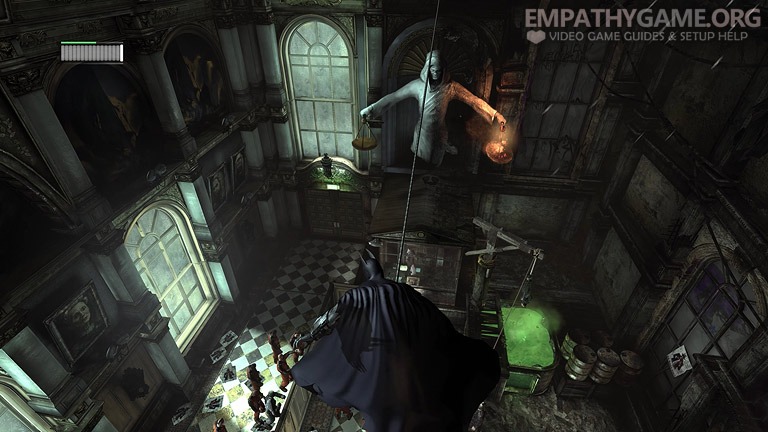
Combat, stealth, detective work, and exploration share tools, so an optional detour rarely feels separate from the adventure. The drawback is that all this freedom sits beside a story full of emergencies. Arkham City constantly gives Batman somewhere he urgently needs to be and something interesting to investigate on the way. That contradiction shapes much of the adventure.
Arkham City Is an Open Hub, Not an Unrestricted Sandbox
There is a particular satisfaction in crossing the district without touching the streets. Batman can grapple onto a roof, dive to gain speed, then spread his cape and use that momentum to reach the next building. The compact city keeps landmarks familiar, so learning how its rooftops connect feels more useful than uncovering another section of an enormous map.
Yet Arkham City is not trying to be an unrestricted Gotham simulator. The Steel Mill, the Museum, and the underground routes toward Wonder City are distinct, designed locations connected by the outdoor district. Once Batman enters them, the experience comes closer to Arkham Asylum, with specific routes, guarded rooms, and obstacles that make his gadgets relevant. The outdoor district functions as an enlarged hub, expanding exploration without sacrificing the first game’s focused interiors.
That compromise is worth recognizing because it also explains some frustration. A ledge can look perfectly reachable while the grapnel refuses to attach, and a mission may close off a route that seems possible from the outside. Batman’s movement looks wonderfully fluid, but it is still governed by a selective set of interactions. Players expecting complete freedom will notice those boundaries. Yet those controlled spaces offer decisions the open district alone could not support.
FreeFlow Combat Is Simple to Start and Demanding to Master
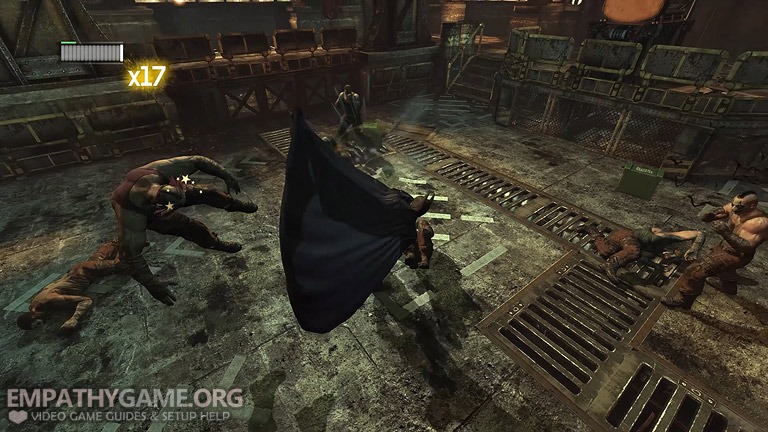
FreeFlow combat is immediately readable. Batman strikes one thug, counters another, and moves toward the next target without stopping to perform elaborate button combinations. The real skill lies in recognizing what the crowd is doing while keeping that movement uninterrupted. Keeping a combo alive means continually judging position, enemy priorities, and the risk of losing that rhythm.
Equipment makes those choices increasingly interesting. Shields call for aerial attacks, stun batons punish strikes from the front, and armored thugs need to be stunned and beaten down. Quickfire Batarangs or the Batclaw can interrupt a threat while Batman changes position. Later, Special Combo Disarm and Destroy lets him remove certain weapons from the fight altogether. It rewards players who notice danger early. An armed or shield-carrying enemy becomes a problem to solve before the group closes in.
Even evading has a rule that is easy to miss. Redirecting over a nearby opponent changes Batman’s position while preserving a combo, whereas rolling through empty space twice in succession without another move breaks the streak. It makes dodging something to judge rather than an unlimited escape button. Positioning matters, and moving through the crowd can be safer for a skilled player than retreating from it.
Not every broken combo feels deserved. When a gunman is mixed into a large melee, gunfire can interrupt an otherwise well-managed exchange from outside the immediate pattern of punches and counters. Batman is dealing with two kinds of danger at once, and the game does not always give him an equally clear way to read both. Target selection can also become awkward when several enemies overlap and an attack carries him toward the wrong person. FreeFlow remains excellent, but its elegance does not always mean predictability.
Predator Encounters Turn Batman’s Weakness Into a Strategy
Guns make more convincing threats in dedicated predator encounters. In a predator room, Batman cannot simply stand among armed guards and rely on counters. He has to understand the layout first. Detective Mode shows where enemies are moving, gargoyles provide high routes, and vents or weakened walls offer ways to approach someone without crossing the floor. A silent takedown preserves the element of surprise; an inverted takedown may frighten the survivors but also draws attention to the place where it happened.
The gadgets feel different here because they are part of a plan rather than quick responses during a brawl. A Disruptor can quietly disable a gun, smoke can buy an escape when Batman is spotted, and explosive gel can make an otherwise safe route dangerous for the guards. Guards becoming nervous as colleagues disappear gives these rooms personality. Detective Mode has a cost, however: keeping it active can reveal so much through walls that the physical room becomes less important to observe.
What makes these encounters interesting is that the quickest takedown is not always the best one. Leaving a guard alone may allow him to move into a better position or bring another patrol within range. The challenge maps make that trade-off explicit through medals requiring particular methods. Remove too many enemies too early and a carefully planned double takedown can become harder to arrange. Stealth becomes as much about influencing patrol behavior as avoiding detection.
Side Missions Make Investigation Part of the City
The best side missions repurpose Batman’s existing abilities. Victor Zsasz’s telephone calls turn rooftop navigation into a timed rescue, rewarding efficient gliding rather than simple knowledge of the map. Deadshot’s murders slow the pace in the opposite direction, asking Batman to examine evidence and follow the logic of a shot. Riddler’s pressure plates, hidden mechanisms, and hostage challenges test whether the player understands the gadgets beyond their use in combat.
There is also value in simply listening. After the courthouse sequence, nearby thugs can be heard talking about another exit and a basement connection. That small detail suggests a building with more to it than its mission marker. Even ordinary arguments and threats make the streets feel inhabited.
The less appealing side of exploration is quantity. A clever Riddler puzzle can be a welcome reason to pause the story, but dozens of trophies and return visits gradually change the activity from discovery into checking off locations. It is especially noticeable when Batman is meant to be racing toward an urgent confrontation. The city encourages curiosity, while the plot frequently insists there is no time for it.
Boss fights show a similar divide between clever use of Batman’s abilities and more conventional spectacle. Mr. Freeze is the clearest success. A tactic that works once will not remain reliable, forcing Batman to read the room again and find a different approach. Understanding the available options matters more than repeating an attack. Other bosses rely more heavily on prescribed openings, making Freeze’s adaptability stand out.
A Strong Gotham Atmosphere Holds a Crowded Story Together
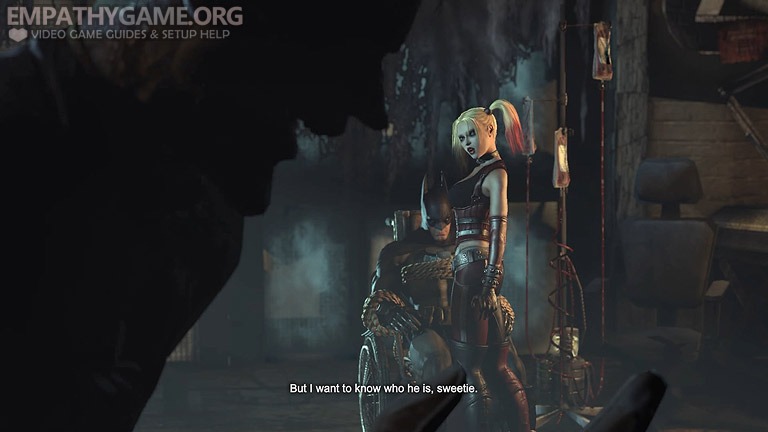
Hugo Strange’s prison district gives the story a strong starting point: criminals have been given control of a section of Gotham, and Batman is trying to understand the threat behind Strange’s Protocol 10. The Joker, Two-Face, Penguin, Harley Quinn, and other villains each bring their own motives and territory into the investigation. It creates plenty of memorable confrontations, but not all of those characters receive the development their introductions seem to promise.
The campaign contains a contradiction. The central mystery keeps raising the stakes, while the open city makes it easy to spend a long time doing something entirely unrelated. Meaningful side investigations justify the detour; minor collectibles rarely do when the next story event is supposedly urgent. Arkham City’s plot is engaging, but its structure sometimes works against the urgency the writing is trying to create.
The environment helps hold those competing stories together. Snow hangs over rooftops and industrial buildings, neon cuts through the dark streets, and once-important civic spaces have been turned into criminal territory. Gotham’s decay extends beyond its villains. The sound contributes just as much: conversations rise from the streets below, guards become more anxious during an ambush, and the music moves between quiet unease and direct confrontation without needing to fill every moment.
Kevin Conroy’s controlled Batman and Mark Hamill’s Joker provide a particularly effective contrast. Batman rarely needs to raise his voice to sound determined; the Joker can sound playful while making a threat unmistakably cruel. Catwoman offers a different tone through her faster, more acrobatic movement and motives that do not always match Batman’s. Her episodes broaden the view of the district, although their placement can briefly pull attention away from a story that already has plenty of competing threads.
Upgrades Expand Batman’s Options Rather Than Replacing His Skills
Experience earned through fights, missions, and exploration goes into armor, combat techniques, and gadget improvements. Critical Strikes place more value on timing, Batclaw Disarm gives Batman another way to control a threatening opponent, and special combo abilities increase the number of useful choices available during a fight. These upgrades reward understanding rather than replace it. Better equipment helps, but an armored thug or badly positioned gunman remains dangerous if approached carelessly.
New gadgets also change the meaning of earlier locations. A mechanism that could not be reached during the first visit may become a solvable Riddler puzzle later, so learning the map and expanding the toolkit feed into one another. That gives backtracking a purpose. Unfortunately, the number of trophies means the same principle can eventually become tiring. The progression is thoughtfully connected to exploration; full completion asks players to enjoy that connection many more times than the story requires.
Riddler’s Revenge Reveals the Game’s Real Skill Ceiling
New Game Plus is a useful test of how much of the combat system a player has actually learned. Batman keeps his earned equipment, but visible counter warnings disappear and enemy arrangements become more demanding. Familiar encounters are no longer carried quite so comfortably by the interface. Recognizing an incoming strike, deciding when to redirect, and remembering the right response to a weapon matter more.
Riddler’s Revenge goes further because winning is only the beginning. A high multiplier helps combat scores, but different moves have different values, and the variation bonus rewards players who make use of more of Batman’s abilities. A quick knockout may score less than a riskier move. Keeping a few enemies active long enough to perform another special move can be worth the risk, which gives scoring a deliberate layer beyond surviving a crowded fight.
Predator medals create almost the opposite challenge. Instead of maintaining an uninterrupted flow, the player must sometimes wait for a particular arrangement of guards. On Catwoman’s End of the Line (Extreme), a double-ledge takedown can depend on two enemies following useful routes near the same area. Clearing the room too aggressively may leave the remaining patrols in positions that make the objective harder. That planning can be satisfying, although strict medal conditions reduce the spontaneity of campaign stealth.
Different playable characters expose the design’s limits in interesting ways. Catwoman is quick and acrobatic, but her smaller selection of predator tools, vulnerability to gunfire, and lack of Batman’s cape-assisted landing control make precision challenges less forgiving. Robin and Nightwing approach combat and stealth with different equipment and timing, so they are more than cosmetic alternatives, even if Batman remains the most flexible choice in many encounters.
Campaign challenges add another consideration by combining maps with modifiers and a limited supply of retries. Choosing where to apply a difficult handicap matters; placing one on the opening map can be sensible because that stage can be restarted without spending retries reserved for later rounds. Success depends on planning across maps. Harley Quinn’s Revenge provides a shorter, story-focused return with Robin in the action, but the challenge modes offer the more substantial reason to keep mastering these mechanics. Earning every medal also requires patience far beyond simply finishing the campaign.
Final Verdict
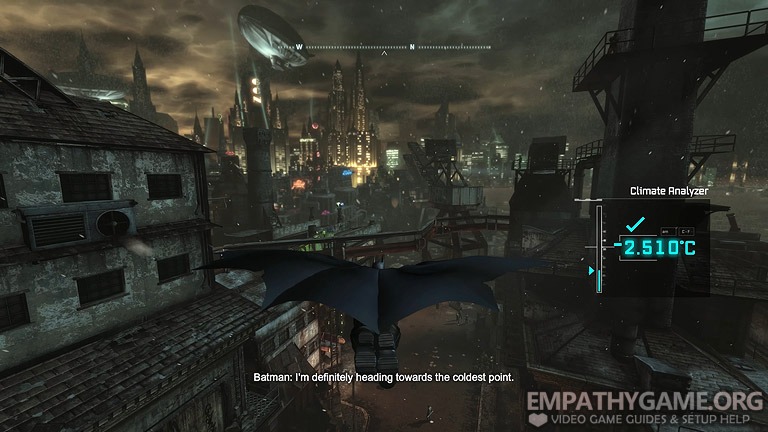
Batman: Arkham City succeeds because the movement, combat, stealth, and investigations support one another without losing their individual character. A glide across the district can lead into a rooftop puzzle, then a predator room, then a fight where a single badly judged evade breaks a hard-earned combo. The city creates possibilities; the carefully built encounters give those journeys a purpose.
Those strengths come with restrictions. Traversal feels open until a grapnel point refuses to cooperate. FreeFlow combat feels effortless until gunfire or targeting disrupts its rhythm. Side activities make the prison district worth exploring, yet their sheer number can undermine the urgency of an already crowded story. The strictest challenge medals sometimes reward rehearsed setups more than improvisation.
Players looking for a vast, unpredictable sandbox may find Arkham City more directed than its rooftops suggest. Those who prefer a focused campaign can also ignore much of the Riddler workload without losing what makes the adventure worthwhile. Its strongest appeal is to players who enjoy learning a toolset, noticing how a space has been designed, and getting better at using both together. Batman feels powerful here, but the game is most rewarding when it asks him to be observant first.
Batman: Arkham City Pros & Cons
- Pro: Freeflow melee combat rewards timing, crowd awareness, counters, and gadget use.
- Pro: Gliding, grappling, and rooftop exploration make Arkham City enjoyable to traverse.
- Pro: Predator stealth encounters and detective investigations provide a useful change of pace.
- Pro: Distinctive villains, strong voice performances, and an atmospheric Gotham setting.
- Pro: GOTY includes the story expansion, additional playable characters, maps, and costumes.
- Con: Numerous Riddler collectibles and repeated challenges can feel like busywork.
- Con: Some story threads and villains receive less development than the crowded cast deserves.
- Con: Legacy PC graphics options, especially DirectX 11 and hardware PhysX effects, can require extra troubleshooting on some systems.
Batman: Arkham City PC System Requirements
Official Windows PC minimum requirements (Game of the Year Edition): These are the legacy specifications published by WB Games and the official PC stores, not a guarantee of trouble-free operation on every modern PC.
MINIMUM:
OS: Windows XP, Windows Vista, or Windows 7 (historical supported operating systems)
CPU: Intel Core 2 Duo 2.4 GHz or AMD Athlon X2 4800+
RAM: 2 GB
GPU: ATI Radeon HD 3850 512 MB or NVIDIA GeForce 8800 GT 512 MB
DirectX: 9.0c
Storage: 17 GB free disk space
Recommended specifications: The official Steam, Epic, and WB support references provide the minimum Windows configuration but do not establish a separate complete recommended Windows specification for this GOTY listing. Hardware figures shown by unrelated third-party requirements sites should not be treated as official recommendations.
Additional PC Performance & Setup Notes
- Modern Windows: The OS names above come from the original release era. The Steam client itself requires a modern supported Windows version, while actual compatibility depends on the game, drivers, and graphics configuration. Do not install an obsolete Windows version merely to match the historical requirements.
- Graphics and performance: If play becomes uneven or visual problems appear, test the game’s DirectX 9 rendering path instead of the optional DirectX 11 features, and lower enhanced PhysX effects when available. These settings can matter more than the old minimum hardware figures suggest.
- First launch: Start with the standard launcher and default graphics settings. Try the game without third-party reshades or modifications first, then adjust resolution, controller bindings, and optional effects one at a time.
- Legacy components: An older DirectX game can depend on legacy runtime components that are different from DirectX 12 installed with modern Windows. Prefer official Microsoft or store-provided redistributables rather than random third-party DLL downloads.
- Technical fixes and modding: PCGamingWiki’s Batman: Arkham City page documents PC-specific settings, issues, and fixes. Back up saves and configuration files before applying community tools or modifications.
Official Trailer
Note: Warner Bros. Games’ original launch trailer introduces Arkham City’s setting, villains, and action. The written guide above separately covers the PC Game of the Year Edition, its DLC, and installation details.
Frequently Asked Questions
Can you continue exploring Arkham City after finishing the main story?
Yes. Completing the story does not lock you out of the city. You can return to free roam, finish outstanding side missions, collect Riddler trophies, and work toward full completion without starting a new game.
How do you switch between Batman and Catwoman in free roam?
The GOTY Edition integrates four Catwoman episodes into the campaign. After completing the story, look for the pink Catwoman markers on the Batcomputer map; at those locations, groups of cats mark the points where you can switch between Batman and Catwoman.
Can Robin and Nightwing explore Arkham City like Batman?
Not in the normal, unmodified open-world campaign. Both are playable in the Riddler’s Revenge challenge maps, while Robin also has playable sections in the Harley Quinn’s Revenge story expansion. Nightwing does not have a separate free-roam campaign.
How do you unlock New Game Plus, and what carries over?
Complete the main story on Normal or Hard difficulty; an Easy playthrough does not unlock New Game Plus. Gadgets, upgrades, and collected Riddler challenges carry over within that save, but story and side-mission objectives must be completed again. New Game Plus also changes enemy encounters and removes counter prompts, making fights less forgiving.
Do you need every Riddler trophy to finish Batman: Arkham City?
No. The main storyline can be completed without clearing the Riddler’s challenges. To finish the Riddler hostage side mission, you need 400 completed Riddler challenges; the GOTY Edition has 440 available across Batman and Catwoman, including riddles, trophies, breakable objects, and physical challenges.
How do you reveal hidden Riddler trophy locations on the map?
After the Riddler’s introductory encounter, watch for thugs highlighted in green in Detective Mode. Defeat the other enemies first, then interrogate the green informant to reveal more Riddler locations. Some puzzles require gadgets obtained later, so an inaccessible trophy does not necessarily mean you missed a step.
How do you unlock Grapnel Boost for faster travel?
Complete the first four Augmented Reality (A.R.) Training flight challenges to unlock Grapnel Boost. This upgrade lets Batman launch into a faster glide after grappling to a ledge, making rooftop travel and some later aerial challenges considerably easier.
How do you use alternative Batman suits in the story?
Finish the campaign on Normal or Hard to unlock costume selection for post-story exploration and New Game Plus. Choose Continue Story or New Game Plus from the main menu, then select an available suit when prompted. The included skins can also be used in the appropriate challenge modes.
When should you play Harley Quinn’s Revenge, and where do you start it?
Play it after the main campaign because it takes place afterward and reveals story consequences. Select Harley Quinn’s Revenge from the game’s main menu; the included expansion lets you control both Batman and Robin during its separate adventure.
Do you need to play Batman: Arkham Asylum before Arkham City?
Not strictly, since Arkham City explains its immediate conflict, but playing Arkham Asylum first is recommended. City follows its events, revisits relationships established there, and expands combat and gadgets introduced in the earlier game.
How long does Batman: Arkham City take to beat?
Expect roughly 12–15 hours for the central story, or around 20–25 hours when completing a substantial number of side missions. Collecting everything and mastering the challenge maps can push playtime toward 45–60 hours or more, depending on difficulty and skill.
Does Batman: Arkham City GOTY have multiplayer, co-op, or split-screen?
No. The PC GOTY Edition is a single-player game with no online co-op, local co-op, split-screen, or LAN multiplayer. Riddler’s Revenge challenges are single-player score and mastery activities rather than cooperative missions.
Will save files from the original Batman: Arkham City work with the GOTY Edition?
Not directly. WB Games states that saves from the original standard edition are not compatible with the Game of the Year Edition. If you are returning from an older retail or Games for Windows – LIVE copy, keep a backup of those saves rather than assuming they will load in the modern GOTY installation.
How do you change the language in the Epic Games Store version?
The Epic version initially follows your Windows language, but WB Games documents a manual override. In Documents > WB Games > Batman Arkham City GOTY > BMGame > Config, open BmEngine.ini and set the Language value to a supported three-letter code, such as FRA for French or INT for English. Back up the file before editing; consult the official WB Games language guide for the full code list.
What can you try if Batman: Arkham City crashes on startup or during a cutscene?
First verify the game files through your official PC store and try launching without mods. If it still crashes, disable enhanced hardware PhysX effects and test the DirectX 9 rendering option instead of DirectX 11. These are common troubleshooting steps for the older PC build, not guaranteed fixes for every system.
Still have questions? Check the Batman Arkham Reddit community, Batman: Arkham City GOTY Steam Discussions, or official Batman: Arkham City support page for more gameplay and technical help.
Sources & References
Key factual and technical information in this guide was checked against relevant official and established PC sources, including:
- Steam — Batman: Arkham City GOTY — Windows edition, bundled content, Steam features, overall user reception, and Steam Deck rating
- Epic Games Store — Batman: Arkham City GOTY — official PC availability, exact included DLC packs, and minimum Windows specifications
- GOG — Batman: Arkham City GOTY — DRM-free ownership, optional GOG Galaxy client, and offline installation
- WB Games / DC Games Support — publisher-published original PC minimum system requirements
- PCGamingWiki — Batman: Arkham City — Windows-version distinctions, original PC service changes, graphics options, and troubleshooting references
- Metacritic — Original Batman: Arkham City PC reviews — version-labeled 91/100 PC critic aggregate and the historical IGN review score
Similar Games Like Batman: Arkham City
- Middle-Earth: Shadow of Mordor
- Spider-Man: Web of Shadows
- Watch Dogs
- Ultimate Spider-Man
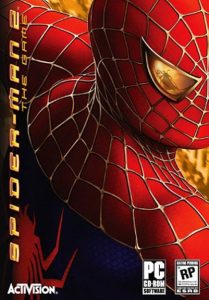
- Spider-Man 2
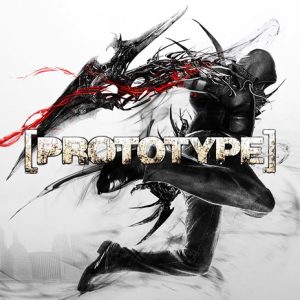
- Prototype




Found something worth playing through DecideGame?
DecideGame.com is an independent gaming project run by Editor Zero. If this guide helped you discover a game, solve a problem, or find useful information, you can support DecideGame.com and help keep new and updated game guides coming.
DecideGame — PC Game Guides, Reviews & Setup Help