
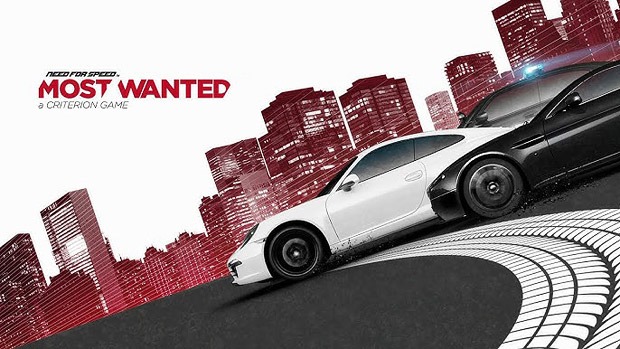
📅 Game released: 2012
Need for Speed Most Wanted (2012) is Criterion’s open-world arcade racer set in Fairhaven, where discovering cars, beating rivals, and escaping police take priority over a story campaign. This PC guide compares official EA app, Steam, Epic Games Store, and EA Play download options, explains the Complete DLC Bundle, and covers Steam Deck support, system requirements, and setup advice.
 By Editor Zero — independently researched, edited, and maintained.
Last updated: 15 November 2026
Last reviewed: 15 November 2026
Table of Contents
- Quick Facts
- Official PC Stores, Download & Installation
- Need for Speed Most Wanted 2012 Review
- Pros & Cons
- PC System Requirements
- Frequently Asked Questions
- Similar Games
Need for Speed Most Wanted 2012 Quick Facts
- Game: Need for Speed: Most Wanted (2012) / Need for Speed Most Wanted: A Criterion Game
- Developer: Criterion Games
- Publisher: Electronic Arts
- Genre: Racing, Open-World Racing, Open World, Multiplayer
- Release: October 30, 2012
- Platforms: Windows PC, PS3, Xbox 360, PS Vita, Wii U; iOS and Android (separate mobile versions)
- DLC: Complete DLC Bundle, Terminal Velocity Pack, Ultimate Speed Pack, Movie Legends Pack, NFS Heroes Pack, plus utility and unlock add-ons
- Steam Deck: Playable; EA launcher interaction, internet requirements, non-Deck prompts, and external-controller switching may need attention
- Modes: Single-player and online PvP (service-dependent); no campaign co-op or local split-screen on Windows PC
- Engine: Chameleon
- Community: Steam Discussions, Reddit Need for Speed, EA Need for Speed Forums
- PC modding: Nexus Mods for Need for Speed Most Wanted 2012 hosts unofficial visual, camera, handling, save, and quality-of-life modifications; there are no official public modding tools or Steam Workshop support
- Metacritic score: 78/100 on PC
- IGN score: 9/10 for the 2012 multiplatform release
- Steam user reception: Mostly Positive overall
Official PC Stores, Download & Installation
👇 Compare the official EA app, Steam, Epic Games Store, and EA Play options below before purchasing, downloading, installing, or linking Need for Speed Most Wanted 2012.
- PC availability: The 2012 Criterion Games release is officially sold for Windows PC through the EA app, Steam, and Epic Games Store.
- Version check: This is the Fairhaven-based 2012 game, not EA Black Box’s 2005 Most Wanted with Rockport, Razor, the Blacklist, and the original BMW M3 GTR storyline.
- EA Play: The game is available through EA Play on PC. PC Game Pass and Game Pass Ultimate include EA Play for PC through the EA app, while EA Play memberships purchased directly through Steam or Epic remain tied to that storefront.
- Complete DLC Bundle: EA’s Complete DLC Bundle requires the base game and combines Ultimate Speed, Terminal Velocity, Movie Legends, and NFS Heroes.
- Other DLC: EA also lists the Deluxe DLC Bundle, Multiplayer Booster Pack, Time Saver and Premium Timesavers packs, Premium Modification Unlock, and separate modification-unlock packs; check owned content before buying overlapping add-ons.
- EA Account: Steam and Epic copies require an EA Account and account linking. Steam’s legal text still contains legacy Origin wording, while current Steam metadata identifies the EA app launcher technology.
- Internet requirement: EA, Steam, and Epic account/activation terms require an internet connection for the PC launch workflow. Valve’s Steam Deck metadata also states that first-time setup and single-player require an active internet connection on Deck.
- Online services: Steam lists Online PvP, while Steam and Epic describe Autolog and competitive playlists. These listings do not confirm live connectivity. PC players have reported Autolog and multiplayer connection failures in the EA community forums; check service reports before buying primarily for online play. These reports should not be treated as an announcement of permanent shutdown.
- Steam Deck: Valve rates the game Playable rather than Verified. Expect EA launcher interaction, occasional non-Deck controller icons, active-internet requirements, and possible manual controller switching with external gamepads.
- Other PC stores: No standalone GOG purchase is verified. PC Game Pass and Game Pass Ultimate provide EA Play access through the EA app rather than a separate Microsoft Store copy of this game.
 Buy Need for Speed Most Wanted through the EA app
 Buy Need for Speed Most Wanted on Steam
 Buy Need for Speed Most Wanted on Epic Games Store
 Visit the Official Need for Speed Most Wanted Website

Need for Speed Most Wanted 2012 Review
A restless urban racer where discovery and impact matter more than the Most Wanted name.
Need for Speed Most Wanted (2012) becomes easier to appreciate when it is judged as Criterion’s open-world arcade racer, not a remake of the 2005 classic. Rockport, Razor, pink slips, elaborate visual tuning and the story-driven Blacklist are gone. In their place is Fairhaven, a city packed with discoverable cars, billboards, speed cameras, shortcuts, police and events that encourage almost constant movement.
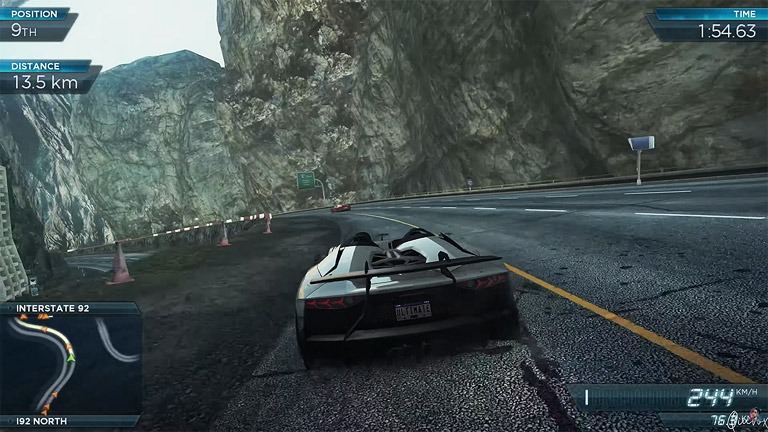
That distinction matters. Someone looking for the full 2005 Most Wanted fantasy will notice the missing career drama and personal garage immediately. This game is closer in spirit to Burnout Paradise and Need for Speed: Hot Pursuit: licensed cars, physical crashes, Autolog rivalry and an open world that rarely lets speed become routine. Its identity is strong, even if the title gives the wrong first impression.
Fairhaven Is the Real Main Character
Fairhaven is compact, but its roads are arranged with a clear purpose. Downtown grids feed into elevated highways, industrial yards, tunnels, docks, park roads and construction ramps. Something useful or tempting is usually nearby: a Jack Spot, a billboard to smash, a speed camera to challenge or a narrow escape route worth remembering. Instead of making travel an interval between races, the city makes it part of learning to race.
A shortcut discovered during free roam can later save a difficult event. A jump that first looks like decoration may help break police line of sight. Service stations can repair the car, restore its tires and change its paint during a pursuit. Fairhaven rewards the player who pays attention to its layout, rather than simply following the shortest route to the next marker.
The layout is particularly good at changing the meaning of a road. An elevated route may offer a clean run at high speed, while the streets beneath it offer cover from pursuing police. An industrial ramp might be the faster option only if the landing stays clear of traffic. The city rewards looking beyond the route painted on the map.
It also has a distinct urban atmosphere. Concrete, glass, steel, wet pavement and brightly lit tunnels give the city a harder edge than the scenic landscapes of many open-world racers. Engine noise, nitrous bursts, impacts and sirens reinforce that sense of physical speed. There is little conventional storytelling, yet the environment communicates exactly what kind of racing game Criterion wanted to build.
Finding Cars Changes the Meaning of Exploration
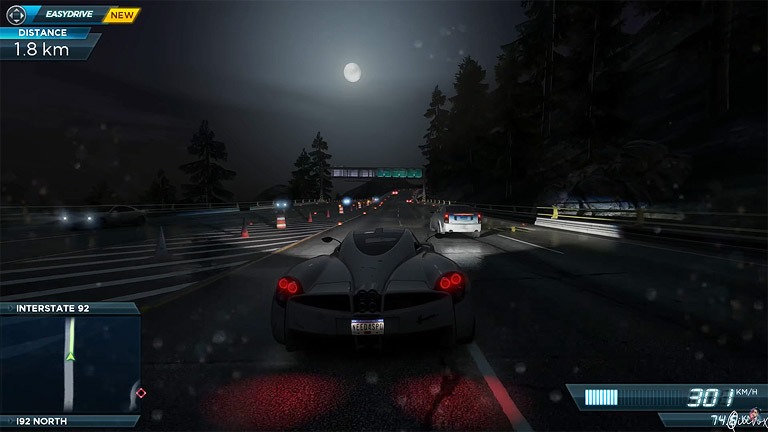
Most cars are discovered at Jack Spots rather than purchased from a dealership. Finding a parked exotic in an overlooked corner of Fairhaven makes that detour immediately worthwhile. It creates an enjoyable loop: explore, find a vehicle, try its handling, then discover roads where it might perform better. The reward is curiosity and access, not the satisfaction of finally affording a dream car.
Switching into a discovered vehicle also keeps experimentation uncomplicated. There is no lengthy financial decision behind taking a chance on something unfamiliar. That freedom makes the roster more inviting, but it can weaken the sense that any particular car has been earned. The design puts the pleasure of trying cars ahead of the pleasure of collecting possessions.
The trade-off is significant. Powerful machines can become available early, so the familiar rise from an underpowered starter to a carefully built favorite loses much of its meaning. Speed Points, car-specific upgrades and Most Wanted challenges supply progression, but they cannot entirely replace personal ownership. Players who enjoy saving, tuning and becoming attached to one car may find this surprisingly impersonal.
Later entries choose differently. Need for Speed Heat gives its garage more importance through tuning and career pressure, while Need for Speed Unbound connects customization to money and weekly progression. Most Wanted 2012 is more interested in what a new car lets you do immediately. Neither direction is inherently superior, but the difference explains why this game’s progression can feel liberating and hollow at the same time.
Arcade Handling With Noticeable Weight
Criterion’s brake-to-drift handling is deliberately exaggerated. Cars slide into bends, recover from ambitious maneuvers and survive jumps that would make little sense in a simulator. Yet they rarely feel weightless. Suspension compresses on landing, heavy cars resist sudden direction changes and poor positioning can turn a manageable drift into a collision. The challenge is not achieving a perfect motorsport line; it is judging how much speed and instability a particular road will tolerate.
The Ford F-150 SVT Raptor, Ariel Atom, Lamborghini Aventador and Porsche 911 bring different strengths to the map. A light, agile car suits some tight routes; a powerful exotic feels more at home during long highway runs. Even with limited tuning, vehicle choice affects how a corner, jump or stretch of traffic should be approached. The BMW M3 GTR also appears through the NFS Heroes DLC, although its presence does not recreate the 2005 campaign built around it.
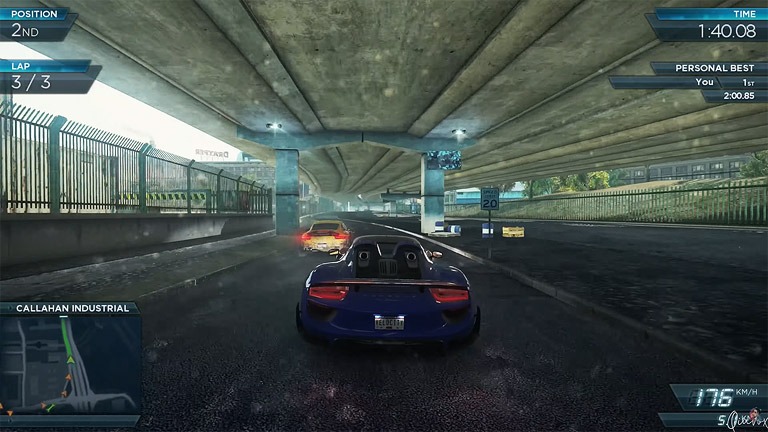
The balance between a controlled slide and an overcommitted one gives the best corners their tension. Brake too late, and the car may drift wide into a barrier. Slow too cautiously, and the straight that follows becomes a lost opportunity. Learning where to trust the game’s generous drifting and where to respect a car’s mass is more satisfying than its accessible controls initially suggest.
This handling works best when steering and braking feel responsive. A small correction before a shortcut can save a heavy car; a delayed reaction can make the same car seem stubborn. That sensitivity helps explain the divided response to the driving model. It rewards commitment and recovery, but fast traffic leaves little room to correct an initial mistake.
Crash Cameras Make Every Mistake More Expensive
Impacts have spectacular force. A well-timed takedown against a rival makes the collision feel like a victory in itself. The problem is that the crash camera treats the player’s mistakes with similar enthusiasm. A civilian vehicle appearing on the wrong line can stop the action, remove control and leave the car respawning without momentum while the race continues.
That interruption matters more than the position lost. Most Wanted is built around continuous acceleration, fast decisions and narrow escapes, yet its most recognizable visual flourish repeatedly breaks that rhythm. Traffic, rival cars and police can combine to make the punishment feel abrupt. The system gives crashes personality, but also makes an otherwise approachable arcade racer less forgiving than it first appears.
Repeated Events Become Routes to Master
Each car has a small selection of events that unlock practical modifications, including nitrous options, tires, chassis and transmission upgrades. These rewards encourage time with different vehicles. They also expose a limitation: familiar routes recur frequently, so the campaign eventually feels smaller than the roster suggests.
Event types make different demands on familiar roads. A conventional race is about overtaking without throwing away momentum; a speed run punishes sustained slowing because average pace matters. Most Wanted encounters add a memorable rival to the traffic and police already occupying the route. The events may use overlapping geography, but they do not always ask for the same kind of driving.
Repetition is not entirely wasted here. A difficult bend becomes a predictable braking point, a risky industrial shortcut becomes usable with the right car, and a speed camera turns into a target for improving a personal record. Some of Fairhaven’s best racing comes from knowing its roads well enough to take a calculated risk rather than reacting blindly to the next turn.
The contrast with Forza Horizon 5 is revealing. Forza offers a broader range of environments, event styles and car-culture activities. Criterion concentrates its smaller world on traffic, aggressive cornering, police pressure and repeated attempts to find a faster route. The narrower design is a weakness for variety, but an advantage when the aim is to learn one city thoroughly.
Police Pursuits Turn Road Knowledge Into Survival
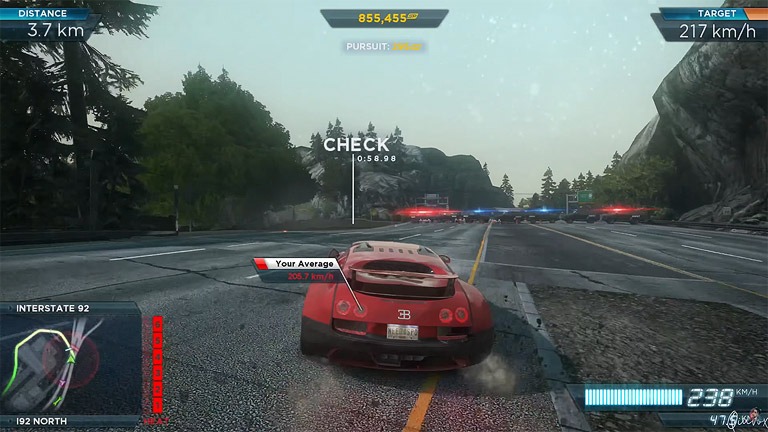
Police chases give Fairhaven another purpose. Roadblocks, interceptors, spike strips, ramming attempts and persistent radio chatter turn familiar streets into escape decisions. The most satisfying response is not always greater speed. It may be a sudden turn through an alley, a jump into a lower road or a visit to a service station before another encounter.
Reinflating tires can preserve a pursuit after a spike strip, while knowledge of tunnels and underpasses helps create opportunities to disappear. This is where exploration, car upgrades and driving skill come together most convincingly. The city becomes a puzzle that changes as the police close in.
Long pursuits are less consistent. Repeated radio lines lose their urgency, heavy impacts can trap slower vehicles in a frustrating cycle, and collecting Speed Points is not the same as climbing the escalating pursuit milestones of the 2005 game. Still, the police are essential to Criterion’s version. A damaged car leaving a race with sirens already behind it captures the game’s particular mixture of excitement and disorder.
The Most Wanted List Provides a Ladder, Not Characters
The main career reduces the Blacklist idea to a clear sequence: earn Speed Points, unlock a rival event, win the race and take down the rival car to claim it. It provides direction without much narrative investment. The opponents are defined mainly by their vehicles, not by personalities, relationships or memorable confrontations. There is no equivalent of Razor’s betrayal to make reaching the top feel personal.
There is a benefit to the simplicity. Events start quickly, and the game rarely interrupts driving for a story it has little interest in telling. Yet removing that friction also removes much of the anticipation that made the old Blacklist memorable. The surreal pre-race introductions offer another kind of character: cars emerge from smoke and distorted scenery in sequences that are stylish, occasionally bizarre and much more distinctive than the thin rival fiction.
Multiplayer Finds Competition Beyond Racing
Online Speedlists were among Most Wanted 2012’s strongest design ideas. Races, takedowns, speed tests, jumps and group challenges followed one another in the same open world. Travelling to the next event was itself part of the interaction, rather than a pause inside a conventional lobby. The result was a more playful kind of competition where players could be rivals even before the official challenge began.
This is a useful distinction from multiplayer that simply places several cars on a circuit. Here, reaching the meeting point, jostling between events and watching another driver attempt an absurd stunt could be as entertaining as the formal objective. The open world gave the mode room for spontaneous rivalry without requiring a different set of driving rules.
Autolog gave ordinary activities a second purpose by comparing times, billboards and speed-camera records with friends. Randomized Speedlist sequences also changed the mood of a session: one could focus on precise racing, while another shifted toward collisions and improvised objectives. Some events repeated, but their order and the behavior of other drivers made the experience less predictable than the solo event list. This remains an appealing multiplayer design concept regardless of the separate question of service availability.
DLC Extends the Playground Rather Than Reinventing It
Ultimate Speed, Movie Legends and NFS Heroes expand the car selection, while Terminal Velocity adds Hughes International Airport, a location particularly suited to high-speed runs, jumps and experimentation. The airport is the most substantial addition because it provides new space in which to use the game’s driving systems. The extra cars are enjoyable, especially those tied to earlier Need for Speed history, but they operate inside the same basic formula.
Nothing in that additional content transforms the limited story or customization. Timesaver-style unlocks also offer less lasting value than fresh roads and events. The distinction is useful: the expansions serve players who already enjoy Fairhaven’s racing playground, not those waiting for the missing 2005-style career to appear.
Final Verdict

Need for Speed Most Wanted (2012) has an identity worth defending, but not by pretending it delivers the experience its name suggests. Fairhaven is a tightly designed urban map, Jack Spots make exploration meaningful, and the combination of weighted arcade handling, police pressure and Autolog gives even short drives something to chase. Its strong atmosphere and imaginative multiplayer format remain among Criterion’s best contributions to the series.
The compromises are equally visible. Recycled routes and intrusive crash cameras wear on the pace, while shallow customization and anonymous rivals leave little space for the personal career fantasy that defined the original. Players wanting to build one car and defeat a memorable Blacklist are better served by the 2005 game. Those who prefer quick access to varied cars, learning a dense city and turning ordinary streets into competitive challenges may find the 2012 release more satisfying than its reputation suggests. It is not the same Most Wanted, and it is stronger when allowed to be its own game.
Need for Speed Most Wanted 2012 Pros & Cons
- Pro: Fairhaven gives players an immediately readable open-world racing playground full of jumps, shortcuts, speed cameras, billboards, gates, and police escape routes
- Pro: Car Jack Spots remove garage friction and let players discover, switch, race, and upgrade cars quickly across the map
- Pro: Police chases, nitrous-heavy racing, crash physics, Autolog comparisons, and online playlists create a fast competitive rhythm closer to Burnout Paradise than older story-driven Need for Speed entries
- Pro: Complete DLC Bundle gives new players a cleaner way to access the major premium packs instead of buying every add-on separately
- Pro: Low official requirements make the game easy to run on modern desktops and laptops compared with newer Need for Speed releases
- Con: Players expecting the 2005 Most Wanted storyline, Razor rivalry, Blacklist structure, Rockport map, deep visual tuning, and BMW M3 GTR nostalgia may be disappointed
- Con: EA App activation, EA Account linking, online requirements, and old Origin-language legal text create more setup friction than a simple standalone racing install
- Con: Steam Deck is Playable rather than Verified, with launcher and internet caveats that can frustrate handheld users
- Con: Some DLC is mostly convenience-based or car-pack focused, so not every add-on meaningfully changes the single-player structure
Need for Speed Most Wanted 2012 PC System Requirements
OFFICIAL WINDOWS PC REQUIREMENTS:
MINIMUM:
OS: Windows Vista Service Pack 2, 32-bit, with available Windows updates
CPU: 2 GHz dual-core processor, such as Core 2 Duo 2.4 GHz or Athlon X2 2.7 GHz
RAM: 2 GB
GPU: DirectX 10.1 compatible AMD GPU with 512 MB RAM, ATI Radeon 3870 or higher performance; or DirectX 10.0 compatible NVIDIA GPU with 512 MB RAM, GeForce 8800 GT or higher performance
DirectX: DirectX 10 / 10.1 compatible graphics support
Storage: 20 GB available space
Sound Card: DirectX-compatible sound device
Internet: Internet connection and EA Account are required by the PC store terms; online PvP, Autolog, EA Play, and account services also depend on connectivity
RECOMMENDED:
OS: Windows 7 Service Pack 1, 64-bit, with available Windows updates
CPU: Quad-core CPU
RAM: 4 GB
GPU: DirectX 11 compatible GPU with 1024 MB RAM, such as NVIDIA GeForce GTX 560 or AMD Radeon HD 6950
DirectX: DirectX 11 compatible graphics support
Storage: 20 GB available space
Sound Card: DirectX-compatible sound device
Internet: Internet connection and EA Account are required by the PC store terms; online features and subscription access depend on connectivity
Additional PC Performance and Setup Notes
- The official requirements are original 2012 specifications. The modern Steam client supports Windows 10 and later, so the Vista and Windows 7 lines should be treated as historical game requirements rather than a recommendation to use those operating systems today.
- Modern systems should usually have ample raw performance for the game, but EA app login, controller detection, display scaling, overlays, and old configuration files can still cause setup problems.
- If steering or braking feels unusually delayed, test V-sync or frame-rate behavior, overlays, controller configuration, and old configuration files one change at a time before judging the handling model.
- On laptops, force the game to use the dedicated GPU through Windows graphics settings or the NVIDIA / AMD control panel if performance is unusually low.
- For Steam Deck, begin with Valve’s Playable configuration, expect EA app login friction, and note that Valve’s compatibility metadata states that both first-time setup and single-player require an active internet connection.
- Use the same EA Account consistently across EA app, Steam, Epic Games Store, and any subscription route to avoid entitlement and account-linking problems.
- For crashes or failed launches, update the EA app, verify storefront files, install current GPU drivers, disable overlays, and test without reshades or unofficial mods.
- For online play, avoid mods that change handling, car data, event behavior, unlocks, or multiplayer-related files.
Official Trailer
Note: This official launch trailer shows Fairhaven, high-speed racing, police pressure, car switching, crash action, and the Criterion-style open-world structure, while the written guide adds EA app, Steam, Epic Games Store, EA Play, DLC, Steam Deck, requirements, modding, and setup information.
Frequently Asked Questions
Is Need for Speed Most Wanted (2012) the same game as Most Wanted (2005)?
No. Criterion’s 2012 game takes place in Fairhaven and focuses on Jack Spots, Speed Points, Autolog, and a lightly structured Most Wanted ladder. The 2005 EA Black Box game features Rockport, Razor, the Blacklist, bounty milestones, and a stronger garage-progression story. For the original, see our Need for Speed Most Wanted (2005) guide.
Where can I buy and download the 2012 game officially on PC?
EA sells the Windows game through the EA app, Steam, and Epic Games Store. A Steam or Epic purchase is a separate store entitlement and still uses EA account linking and the relevant EA launcher components.
Is Most Wanted (2012) included in EA Play or PC Game Pass?
Yes. EA Play access is listed for the game through supported PC storefronts. PC Game Pass and Game Pass Ultimate include EA Play for PC through the EA app; a Steam- or Epic-based EA Play membership does not automatically grant the same storefront entitlement elsewhere.
Does it require an EA Account, and can it be played offline?
The PC store terms require EA account/activation procedures and an internet connection for the launch workflow. Do not assume a permanently offline installation will work: Valve specifically identifies an active connection for Steam Deck first-time setup and single-player play. The ordinary Windows offline behavior should not be treated as guaranteed across EA app and account changes.
What is included in the Complete DLC Bundle?
It requires the base game and combines Ultimate Speed, Terminal Velocity, Movie Legends, and NFS Heroes. Other time-saver, modification-unlock, and multiplayer add-ons are separate, so compare owned content before purchasing overlapping packs.
What does the Terminal Velocity Pack add?
It expands Fairhaven with Hughes International Airport, an open-tarmac area designed around high-speed routes and jumps, and includes additional cars and events. It is more of a playable-world expansion than a story campaign.
How are cars unlocked through Jack Spots and Most Wanted rivals?
Most regular cars are parked at Jack Spots around Fairhaven; finding one lets you enter it and tackle its car-specific event set for performance upgrades. Rival cars instead require enough Speed Points to challenge the driver, win the event, and take down the rival car afterward.
What is Autolog, and does it work without online services?
Autolog compares friends’ racing times, billboard jumps, speed-camera records, and other achievements. Its social comparisons depend on functioning online services, so they should not be confused with the offline single-player activities themselves.
Is the PC multiplayer still available?
Steam still lists Online PvP, but that storefront label does not prove that PC connections work. Players have reported Autolog and multiplayer errors in EA’s community discussions. Check those reports and official EA service notices before purchasing mainly for online racing; a permanent shutdown has not been verified here.
Does the Windows version support co-op or local split-screen?
No. On Windows, the game provides single-player and online competitive racing, not a cooperative story campaign or local split-screen. Do not confuse it with the Wii U edition’s separate Co-Driver feature.
Is Most Wanted (2012) Steam Deck Verified?
No. Valve rates it Playable. The game can run under SteamOS, but launcher interaction, internet requirements, non-Deck button prompts, and external-controller selection can require extra steps.
Does the PC version support mods?
Unofficial camera, visual, handling, save, and quality-of-life modifications are available through Nexus Mods. There is no official Steam Workshop or public mod toolkit; back up saves and avoid gameplay-altering modifications when attempting online features.
Why might the game fail to launch through Steam or the EA app?
First confirm that the correct EA and storefront accounts are linked, then repair the EA app or verify the game files through the store you own. Outdated overlays, drivers, and unofficial mods can also complicate diagnosis. Avoid unlinking accounts casually, because access rights may depend on their existing connection.
How deep is car customization?
The 2012 game emphasizes performance mods, including nitrous, tires, chassis, body, and transmission choices, with only limited paint personalization. It does not reproduce the body-kit, vinyl, and garage-focused customization found in several other Need for Speed entries.
What should beginners prioritize?
Discover a few Jack Spots, learn shortcut and repair-shop locations, then complete events for cars that suit the routes you enjoy. Speed is useful, but traffic awareness and maintaining momentum can matter more than choosing the fastest-looking vehicle.
Still have questions? Check the Need for Speed community on Reddit, Most Wanted Steam Discussions, and EA Need for Speed Forums.
Sources & References
Key factual and technical information in this guide was checked against relevant official and community sources, including:
- Electronic Arts — Need for Speed Most Wanted and EA — Complete DLC Bundle — official PC availability, account requirements, system requirements, bundle contents, and listed add-ons
- EA Help — EA Play and Xbox Game Pass — PC Game Pass / Game Pass Ultimate access to EA Play and the EA app membership route
- EA launch announcement and EA Wii U announcement — original release timing, platform history, and contemporary review context
- Steam — Need for Speed Most Wanted and SteamDB app metadata — Steam availability, EA Play, account and launcher requirements, Online PvP, Steam Deck compatibility, and overall Steam reception
- Epic Games Store — Need for Speed Most Wanted — Epic purchase availability, EA Play access, EA Account linking, online feature descriptions, and system requirements
- PCGamingWiki — Need for Speed: Most Wanted (2012) and Metacritic — PC critic reviews — Chameleon engine verification, PC-specific configuration and mod information, the PC Metascore, and the applicable IGN review score
Similar Games Like Need for Speed Most Wanted 2012
- Burnout Paradise
- Need for Speed Most Wanted (2005)
- Need for Speed Unbound
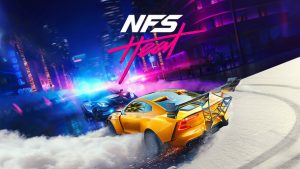
- Need for Speed Heat
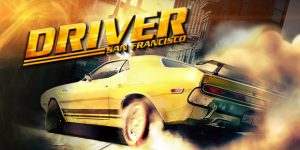
- Driver: San Francisco
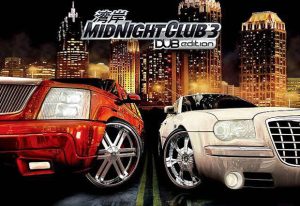
- Midnight Club 3: DUB Edition
Found something worth playing through DecideGame?
DecideGame.com is an independent gaming project run by Editor Zero. If this guide helped you discover a game, solve a problem, or find useful information, you can support DecideGame.com and help keep new and updated game guides coming.
DecideGame — PC Game Guides, Reviews & Setup Help