
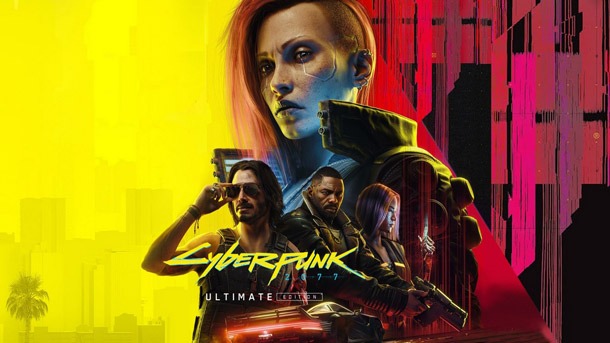
📅 Game released: 2020
Cyberpunk 2077 is a first-person open-world action RPG following mercenary V through Night City, where cyberware, hacking, gunplay, relationships, and consequential choices shape the journey. This PC guide compares official purchase, download, and installation options, Ultimate Edition and Phantom Liberty, Xbox Play Anywhere, system requirements, Mac and Steam Deck support, mods, and performance.
 By Editor Zero — independently researched, edited, and maintained.
Last updated: 4 November 2026
Last reviewed: 4 November 2026
Table of Contents
- Quick Facts
- Official PC Stores, Download & Installation
- Cyberpunk 2077 Review
- Pros & Cons
- PC System Requirements
- Frequently Asked Questions
- Similar Games
Cyberpunk 2077 Quick Facts
- Game: Cyberpunk 2077 / Cyberpunk 2077: Ultimate Edition / Phantom Liberty
- Developer: CD Projekt Red
- Publisher: CD Projekt Red
- Genre: Action RPG, Open World, Sci-Fi, Shooter
- Release: December 10, 2020 (Windows PC, PS4, Xbox One; simultaneous worldwide PC release; Steam lists December 9 in some regions)
- Platforms: Windows PC, macOS, PS4, PS5, Xbox One, Xbox Series X|S, Nintendo Switch 2
- DLC / Expansions: Phantom Liberty is the major paid story expansion; Ultimate Edition bundles it with the base game
- Xbox Play Anywhere: The Microsoft/Xbox digital version supports Windows PC and Xbox Series X|S under one eligible purchase, with shared Xbox saves and supported add-ons
- Apple Silicon Mac: Ultimate Edition is available for compatible Apple silicon Macs through Mac App Store, GOG, Steam, and Epic Games Store
- Cloud Access: Xbox Cloud Gaming; Game Pass and owned-game streaming entitlements depend on the current plan and region; cloud access is distinct from a native PC Game Pass catalogue entitlement
- Cross-Progression: Available on compatible PC and console editions using linked CD PROJEKT RED accounts; expansion content, region restrictions, and mod availability can affect transferred saves
- Steam Deck: Verified; an internal SSD is recommended instead of an SD card
- Engine: REDengine 4
- Modes: Single-player; no official co-op, split-screen, or PvP mode
- Community: Steam Discussions, CD Projekt RED Forums, Cyberpunk 2077 Reddit
- PC modding: REDmod, Nexus Mods, and an official in-game mod.io browser for selected approved cross-platform mods; community frameworks include Cyber Engine Tweaks, redscript, ArchiveXL, and TweakXL
- Metacritic score: 86/100 on PC (original release)
- IGN score: 9/10 (original PC review)
- OpenCritic average: 76/100 (original multiplatform critical reception)
- Steam user reception: Very Positive overall
Official PC Stores, Download & Installation
👇 Compare the official Windows and Mac versions below before purchasing, downloading, installing, or adding Phantom Liberty to Cyberpunk 2077.
- Official Windows stores: Steam, GOG, Epic Games Store, and Microsoft/Xbox Store sell native Windows versions. Steam, GOG, and Epic are separate ownership libraries; the Xbox digital release is also part of Xbox Play Anywhere.
- Base game: Includes V’s main Night City campaign and the permanent free gameplay additions, but not Phantom Liberty’s Dogtown campaign.
- Ultimate Edition: Bundles the base game with Phantom Liberty. It is the straightforward complete story package for new buyers, although store bundles and add-on entitlements should always be checked before purchase.
- Phantom Liberty upgrade: Base-game owners can purchase the expansion separately in their storefront ecosystem. Avoid paying for the same content again through a complete bundle.
- Xbox Play Anywhere: A qualifying digital Microsoft/Xbox purchase supports installation on Xbox Series X|S and Windows PC through the Xbox app, with Xbox saves and applicable add-ons shared within that ecosystem. This does not grant Steam, GOG, or Epic ownership.
- Xbox Game Pass and cloud: The base game has been offered through Game Pass Premium and Ultimate on console and cloud, rather than being listed as a native PC Game Pass catalogue game. The separate Xbox Play Anywhere Windows download is available through qualifying Xbox ownership; an eligible Game Pass subscription or owned-game streaming entitlement may also permit cloud access. Verify live regional plan and entitlement details before purchasing or subscribing. Phantom Liberty is a separate expansion entitlement.
- GOG and DRM: GOG provides a DRM-free Windows/Mac release that can launch without GOG Galaxy after installation. Cloud saves, store-library features, cross-progression syncing, updates, and the in-game mod.io browser require internet or appropriate account access when used.
- Mac ownership: Compatible Apple silicon Macs can play through Mac App Store or the supported Mac versions in Steam, GOG, and Epic. Owners in those three PC storefronts can use their existing entitlement for the supported Mac build; the Mac App Store purchase remains separate. Intel Macs are not officially supported.
- Supported console versions: The base game was also released on PS4 and Xbox One, but those older builds no longer receive the major newer gameplay additions, and Phantom Liberty requires newer-generation platforms. Nintendo Switch 2 has a separate Ultimate Edition.
- Cross-progression: Link the relevant platforms to the same CD PROJEKT RED account for supported saves. A save using Phantom Liberty content may not load without that expansion installed. When using mods, compatible copies of the same mod set may be necessary on the destination platform.
- Steam features: Achievements, Steam Cloud, HDR, Family Sharing, full controller support, and Steam Deck Verified compatibility are listed. Each PC storefront maintains its own library and installation workflow.
- Official modding options: REDmod is the free official PC toolset/DLC; the in-game mod.io Mods menu also offers a selected, moderated catalogue of cross-platform user-created mods. They are different routes, and not every Nexus or REDmod-based PC modification is available on console.
- In-game mod.io setup: From the main menu, open Mods, sign in with a CD PROJEKT RED account, connect mod.io, subscribe to compatible mods, then restart the game. A modded cross-progression save can fail to load when its required mods are missing or unsupported on another platform; on consoles, achievements/trophies are disabled for modded saves.
- Manual PC mods: Nexus Mods and community frameworks such as Cyber Engine Tweaks, RED4ext, redscript, ArchiveXL, and TweakXL can require updates after game changes. Back up saves first; availability in the moderated mod.io catalogue is not a guarantee that an unrelated manually installed mod has been approved or tested.
- SSD installation: Install the Windows game on an SSD and leave extra free space for the expansion and future file updates. CD Projekt Red also advises using the Steam Deck’s internal SSD instead of slower SD-card storage.

 Buy Cyberpunk 2077 on Epic Games Store

 Buy Cyberpunk 2077 with Xbox Play Anywhere
 Visit the Official Cyberpunk 2077 Website
Cyberpunk 2077 Review
Night City’s remarkable comeback works because its systems finally match its atmosphere.
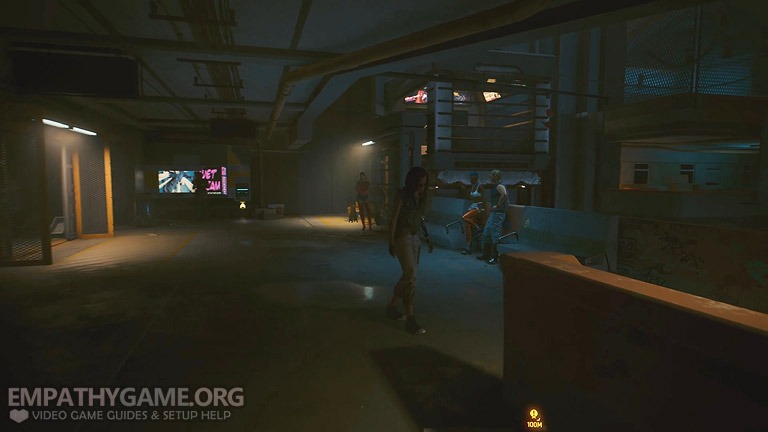
Cyberpunk 2077 is difficult to separate from the expectations that surrounded its launch. It promised a dense, choice-driven RPG in a neon city shaped by corporate power, dangerous technology, and people trying to carve out some freedom. Night City looked convincing from the beginning, but unpredictable AI, bugs, and underdeveloped systems often interrupted that illusion.
The later overhaul matters for more than its reputation. Redesigned perks, cyberware, police behavior, vehicle combat, and progression changed the decisions players make from one encounter to the next. The Phantom Liberty expansion also gave the game a more concentrated example of what its storytelling could achieve. They brought the way it plays closer to the promise of the setting.
Character builds have clearer identities, combat gives those choices room to matter, and moving through the city feels less disconnected from the actions taking place within it. The rough edges are still visible, but Night City has become a much easier place to believe in.
A City Reborn
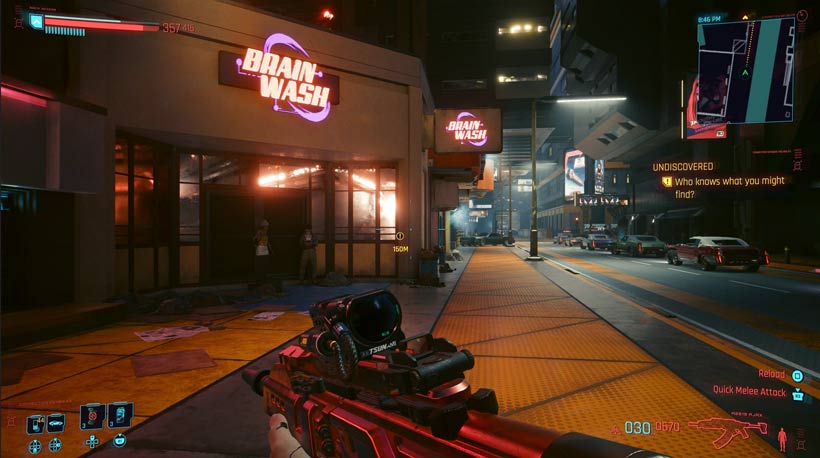
Night City has always been the star of Cyberpunk 2077. Megabuildings tower over crowded streets, neon signs bleed into wet asphalt, vending machines scream ads at you, and every district feels like it was built by corporations that learned how to sell misery with style.
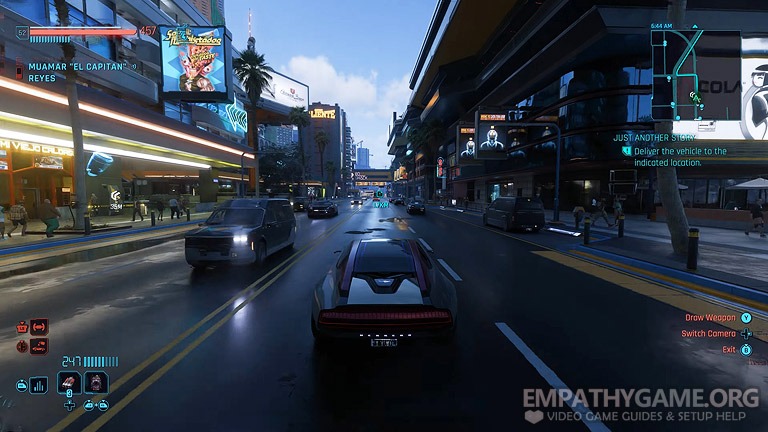
What has changed is how convincing that city feels in motion. Police responses and wanted levels make more sense, while vehicle combat gives street encounters an extra dimension. Being able to return fire during a chase matters because the vehicle is no longer simply a way to travel between missions. Traffic and pedestrians still behave awkwardly, but pursuits feel more coherent.
Walking through Watson at night remains one of its strongest experiences. Rain catches the pink and blue glow of storefronts, food stalls sit beneath worn signs, and gangs occupy corners that ordinary people still have to pass. In its best moments, Night City feels less like a map and more like a machine that keeps grinding people down while pretending it is giving them freedom.
For players drawn mainly to hacking and surveillance, Watch Dogs 2 makes an interesting comparison. Its lighter tone and connected tools similarly reward planning over gunfire. Cyberpunk places those ideas inside a more dangerous RPG structure, where the tools available depend heavily on the character you build.
The districts have personalities beyond their color palettes. Watson is crowded and uneasy; Westbrook wears its wealth openly without becoming any kinder. Santo Domingo feels industrial and worn, while Pacifica shows what happens when investment and opportunity leave an area behind. Dogtown, introduced in Phantom Liberty, takes that neglect in a more militarized direction.
There is also a useful contrast with GTA 5. Both offer driving, crime, shootouts, and a city willing to mock the culture surrounding it. Los Santos gives players a broader sandbox for causing chaos; Night City is more compelling when its streets, missions, and character systems suggest what life inside that chaos might actually cost.
A Real RPG, Not Just a Shooter With Dialogue
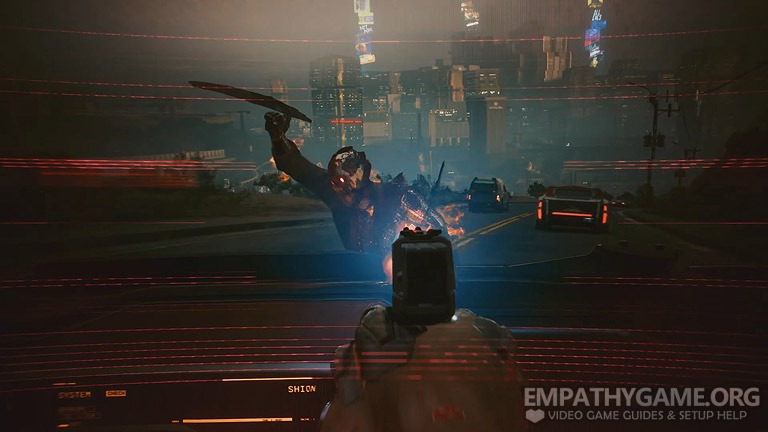
The redesigned progression system is among the clearest reasons the game feels stronger. With abilities organized around more recognizable styles of combat and movement, investing in a particular direction changes more than a handful of numbers on a character sheet.
A stealth netrunner approaches a guarded building differently from a katana-focused character who relies on speed and aggression. A Body-oriented shotgun build wants to close distance and absorb punishment, while a precision shooter benefits from keeping enemies at the right range. These differences change decisions, not just damage numbers.
For a different kind of RPG freedom, Fallout: New Vegas puts more weight on factions, branching conversations, and the political consequences of player decisions. Cyberpunk 2077 is more immediate and action-driven. Its most convincing role-playing often happens when a chosen build changes what seems possible inside an encounter, while the story supplies the personal consequences afterward.
Quickhacking captures that distinction particularly well. A capable netrunner can use cameras to understand a room, interfere with enemy vision, disable security, and apply damaging or disruptive hacks before stepping through the door. The satisfaction comes from turning information into control. A fight that would be chaotic for a gun-focused V can instead become a carefully managed sequence of distractions and disabled threats.
Direct combat has its own variety. Tech weapons can fire through cover, smart weapons track targets, and power weapons offer a more conventional ballistic feel. Pistols, shotguns, precision rifles, SMGs, and sniper rifles suit different ranges and rhythms. Their differences become more meaningful when combined with movement perks and implants, although the growing strength of an optimized build can eventually reduce the pressure to experiment.
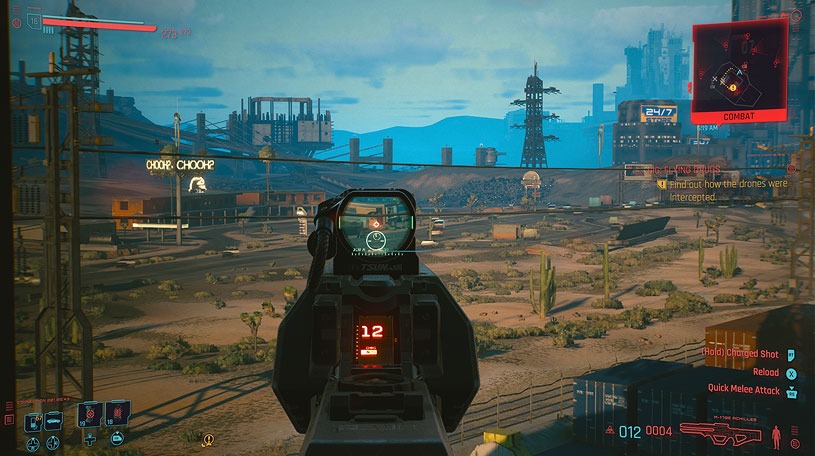
Combat, Cyberware, and Building the Perfect V
Cyberware is where the role-playing and combat systems connect most clearly. Armor is tied more directly to implants, and cyberware capacity limits how much V can equip. A visit to a ripperdoc therefore involves choices rather than an uncomplicated shopping trip. Improving survivability might mean giving up capacity that could have supported mobility, hacking, or a more aggressive fighting style.
That trade-off makes the idea of modifying V’s body more interesting. An implant is not valuable simply because its numbers are high; it needs to support what the character is trying to do. Defensive cyberware suits a bruiser who expects to take hits, while another build may gain more from movement tools or improvements that help maintain control during stealth.
The range of possibilities is substantial. A hacker can manage an encounter through quickhacks, a blunt-weapon fighter can pressure enemies at close range, and a katana specialist can use rapid movement to avoid staying in one place. A gunfighter equipped for slowed-time combat creates yet another pace. The appeal lies in choosing how to approach danger rather than finding one prescribed answer to every room.
There is a practical lesson underneath the build variety: damage output is only part of a useful loadout. A plan that works perfectly against unaware enemies can collapse once someone raises the alarm. A silenced pistol, defensive implant, emergency quickhack, or mobility option may be less spectacular than another damage upgrade, but it gives V a way to recover when the situation changes. That flexibility often feels more valuable than an idealized maximum-damage setup.
Those who enjoy that process of shaping a character through equipment and perks may find a related pleasure in Fallout 4. Its post-apocalyptic setting, settlement systems, crafting, and faction conflicts lead to a different experience, but the attraction of developing a personal approach to an open world is familiar.
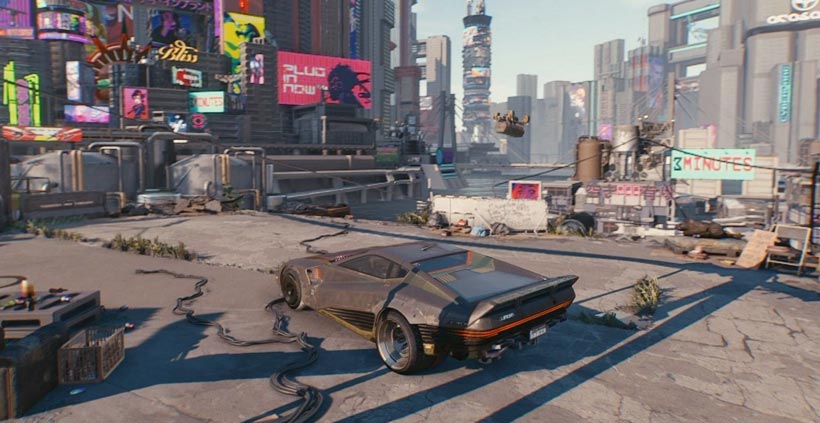
Phantom Liberty – The Expansion That Elevates Everything
Phantom Liberty adds more than a new stretch of the map. Dogtown is a tightly controlled, dangerous district, and the expansion builds a spy thriller around V, Songbird, Solomon Reed, and competing loyalties. Its political conflict works because deciding whom to trust is seldom separate from deciding what each character might be hiding or protecting.
Dogtown has a harsher atmosphere than much of Night City. Armed patrols, damaged infrastructure, black-market activity, and improvised pockets of normal life sit close together. That density helps the expansion maintain tension even between major story missions.
The Relic skill tree also adds cyberware-focused abilities specific to the expansion. Access develops through its story, with additional Relic points connected to exploring Dogtown. The abilities complement builds established in the main game.
What stays with you, though, is the writing. Phantom Liberty is more concentrated than the main campaign, and its characters rarely fit neatly into trustworthy and untrustworthy categories. Choices can be uncomfortable because several motivations are understandable even when the people pursuing them are difficult to defend. The expansion makes excellent use of Cyberpunk’s central interest in power, survival, and the price of loyalty.
More Than Just Visuals – It’s About Feel
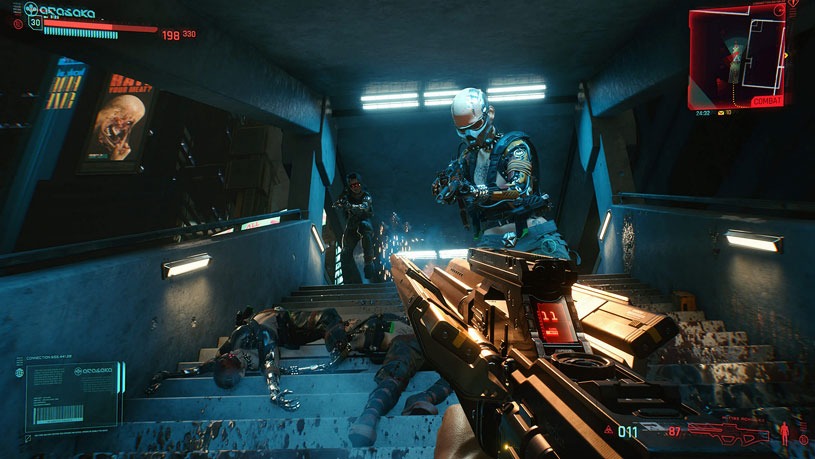
It would be easy to credit Cyberpunk 2077‘s atmosphere entirely to its lighting and architecture. The improvement in how it plays shows why that explanation is incomplete. Smoother driving, stronger combat feedback, more dynamic police encounters, and better-connected character systems reduce the moments when an impressive street scene stops feeling like a believable place.
The smaller details help as much as the skyline. Conversations drift through stairwells, advertisements compete for attention, and the contrast between wealthy districts and neglected neighborhoods is visible without a mission briefing. Night City does not need every building to be enterable or every citizen to behave realistically. It needs its details and rules to suggest that people live there for reasons beyond V’s next objective.
Side quests give that suggestion real substance. Judy, Panam, River, Kerry, Rogue, and Johnny Silverhand reveal different corners of the setting through relationships rather than exposition alone. Their stories concern loyalty, loss, ambition, exploitation, and family, making the city’s wider themes feel personal.
Some of the strongest moments are quiet. Sitting with Panam beside a campfire outside the city. Diving with Judy into memories buried underwater. Hearing Johnny offer a cutting remark before revealing something unexpectedly vulnerable. These scenes matter because they give the neon violence emotional contrast. The city is easier to care about when its characters occasionally get space to stop fighting it.
Still a Story About Facing the End
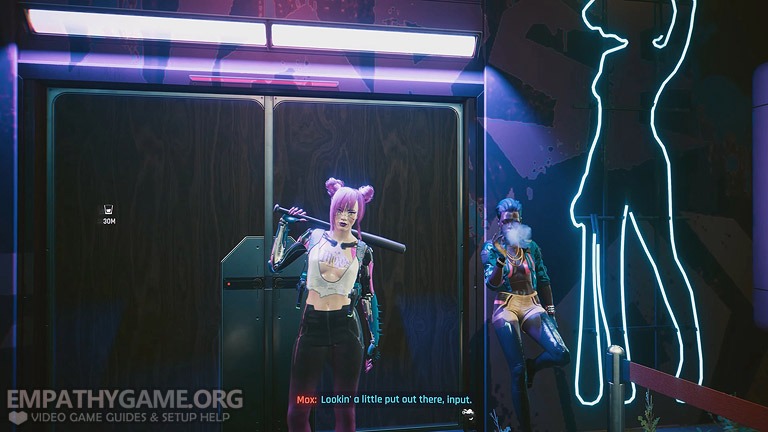
Under the corporate conspiracies and street-level violence, Cyberpunk 2077 tells a relatively intimate story about mortality. V is a mercenary hoping to make something of a life in Night City. After a heist goes wrong, a prototype biochip begins overwriting V’s mind with the digital consciousness of Johnny Silverhand. Suddenly, making a name for yourself matters less than having a self left to protect.
Johnny is more interesting than a conventional companion because he cannot simply be dismissed. He is intrusive, frequently abrasive, and capable of understanding parts of V’s situation that others cannot. As their relationship changes, the question of whether they help or damage one another becomes harder to answer.
That uncertainty gives the story its emotional weight. Against that backdrop, how should someone act when their expected future is disappearing? Survival, trust, ambition, and loyalty can pull in different directions. The game is at its best when an important decision feels less like choosing a correct ending and more like deciding what V can live with.
The Corpo, Streetkid, and Nomad life paths offer different introductions and occasional dialogue options, but their influence is narrower than the premise suggests. They help establish a background without fully reshaping the campaign. More substantial role-playing comes from relationships, quest decisions, builds, and the consequences of the choices made later. That limitation is worth knowing if radically different narrative routes are your main reason for replaying RPGs.
Replayability and Long-Term Value
Different builds give repeat playthroughs their strongest mechanical argument. A netrunner can make an infiltration feel like a surveillance puzzle, while a heavily augmented shotgun fighter turns the same building into a series of close-range confrontations. A mobile katana specialist changes the tempo again.
Endings, romance paths, gigs, cyberpsycho sightings, NCPD scanner activities, hidden encounters, iconic weapons, vehicles, apartments, and Dogtown’s additional stories broaden the reasons to stay. Some tasks eventually become routine, and collecting another reward is not always enough to make a repeated activity engaging. The more carefully written side quests are the stronger incentive to return.
There are limits to the freedom as well. Life paths have less narrative influence than their openings imply, and much of the city remains scenery rather than an interactive simulation. Even with better police and combat systems, occasional behavior can disrupt the illusion. It remains an atmospheric RPG world, not a simulation where almost anything can happen.
Final Verdict
Cyberpunk 2077 has moved far beyond being a cautionary story about an ambitious launch. Its redesigned perks, cyberware, combat, and policing give the world more convincing foundations, while Phantom Liberty shows how strong its character writing can be when a story has room to focus. Together, progression, atmosphere, and moment-to-moment decisions support one another far more consistently.
It still falls short of the completely reactive city some might imagine. Repetitive open-world tasks, limited life-path consequences, and inconsistent environmental interactions make that clear. Players seeking a deep urban simulation or radically branching campaigns may feel those limitations more sharply than someone interested in building a distinctive fighter and following memorable characters.
For players who value atmosphere, flexible combat, thoughtful side stories, and difficult personal choices, the journey is easy to recommend. Night City is seductive and cruel in equal measure, and the best parts of the game let you understand both qualities rather than just admire them from a distance. V may never get a clean answer to what a successful life should look like, but the struggle to find one makes this city worth exploring.
Cyberpunk 2077 Pros & Cons
- Pro: Night City remains an atmospheric, visually distinctive, and narratively rich open world
- Pro: Redesigned perks, cyberware, police behavior, vehicle combat, and progression give builds clearer identities
- Pro: Phantom Liberty adds Dogtown, the Relic tree, tense espionage missions, and meaningful choices
- Pro: Guns, blades, quickhacks, stealth, Sandevistan, mobility, and dual-wielded Power pistols support varied combat styles
- Pro: Side stories, relationships, endings, Photo Mode, vehicles, REDmod, and in-game mod.io options offer long-term variety
- Con: Lifepaths provide role-playing flavor but have less lasting narrative impact than their openings suggest
- Con: Some scanner activities and open-world tasks become repetitive, and many parts of Night City remain decorative
- Con: Ray tracing and path tracing are demanding at high resolutions without compatible upscaling hardware
- Con: Complex PC mod lists can become incompatible after game changes, and cross-platform modded saves need extra care
Cyberpunk 2077 PC System Requirements
Official Windows requirements: These tiers apply to the base game and Phantom Liberty. DirectX 12 is required, and CD Projekt Red lists SSD or NVMe storage for every tier. Its official table lists 70 GB, while Epic lists 90 GB with Phantom Liberty installed.
MINIMUM — 1080p Low / 30 FPS:
OS: Windows 10, 64-bit
CPU: Intel Core i7-6700 / AMD Ryzen 5 1600
RAM: 12 GB
GPU: NVIDIA GeForce GTX 1060 6 GB / AMD Radeon RX 580 8 GB / Intel Arc A380
VRAM: 6 GB
DirectX: Version 12
Storage: 70 GB available space; Epic lists 90 GB with Phantom Liberty
Drive: SSD required
RECOMMENDED — 1080p High / 60 FPS:
OS: Windows 10, 64-bit
CPU: Intel Core i7-12700 / AMD Ryzen 7 7800X3D
RAM: 16 GB
GPU: NVIDIA GeForce RTX 2060 Super / AMD Radeon RX 5700 XT / Intel Arc A770
VRAM: 8 GB
DirectX: Version 12
Storage: 70 GB available space; Epic lists 90 GB with Phantom Liberty
Drive: SSD required
ULTRA — 2160p Ultra / 60 FPS:
OS: Windows 10, 64-bit
CPU: Intel Core i9-12900 / AMD Ryzen 9 7900X
RAM: 20 GB
GPU: NVIDIA GeForce RTX 3080 / AMD Radeon RX 7900 XTX
VRAM: 12 GB
DirectX: Version 12
Storage: 70 GB available space; Epic lists 90 GB with Phantom Liberty
Drive: NVMe SSD required
RAY TRACING MINIMUM — 1080p RT Low / 30 FPS:
OS: Windows 10, 64-bit
CPU: Intel Core i7-9700 / AMD Ryzen 5 5600
RAM: 16 GB
GPU: NVIDIA GeForce RTX 2060 / AMD Radeon RX 6800 XT / Intel Arc A750
VRAM: 8 GB
DirectX: Version 12
Storage: 70 GB available space; Epic lists 90 GB with Phantom Liberty
Drive: SSD required
RAY TRACING RECOMMENDED — 1080p RT Ultra / 60 FPS:
OS: Windows 10, 64-bit
CPU: Intel Core i9-12900 / AMD Ryzen 9 7900X
RAM: 20 GB
GPU: NVIDIA GeForce RTX 3080 Ti / AMD Radeon RX 7900 XTX
VRAM: 12 GB
DirectX: Version 12
Storage: 70 GB available space; Epic lists 90 GB with Phantom Liberty
Drive: NVMe SSD required
RAY TRACING OVERDRIVE / PATH TRACING — 2160p / 60 FPS:
OS: Windows 10, 64-bit
CPU: Intel Core i9-12900 / AMD Ryzen 9 7900X
RAM: 24 GB
GPU: NVIDIA GeForce RTX 4080
VRAM: 16 GB
DirectX: Version 12
Storage: 70 GB available space; Epic lists 90 GB with Phantom Liberty
Drive: NVMe SSD required
Additional: CD Projekt Red measured this target with DLSS Frame Generation enabled
Apple Silicon Mac Requirements
Mac requirements: Every official tier requires macOS 15.5 or newer. Storage is 92 GB through Steam, GOG, or Epic Games Store and 159 GB through Mac App Store because that package includes all voice-over languages.
MINIMUM — 30 FPS:
OS: macOS 15.5 or newer
Processor: Apple M1
Unified Memory: 16 GB
Resolution: 1440 × 900 or 1600 × 900
Storage: 92 GB through Steam, GOG, or Epic Games Store / 159 GB through Mac App Store
Drive: SSD required
RECOMMENDED — 60 FPS:
OS: macOS 15.5 or newer
Processor: Apple M3 Pro
Unified Memory: 18 GB
Resolution: 1800 × 1125 or 1920 × 1080
Storage: 92 GB through Steam, GOG, or Epic Games Store / 159 GB through Mac App Store
Drive: SSD required
HIGH FIDELITY — 60 FPS:
OS: macOS 15.5 or newer
Processor: Apple M2 Max / M3 Max
Unified Memory: 32 GB
Resolution: 1800 × 1125 or 1920 × 1080
Storage: 92 GB through Steam, GOG, or Epic Games Store / 159 GB through Mac App Store
Drive: SSD required
VERY HIGH FIDELITY — 60 FPS:
OS: macOS 15.5 or newer
Processor: Apple M3 Ultra / M4 Max
Unified Memory: 36 GB
Resolution: 2294 × 1432 or 2560 × 1440
Storage: 92 GB through Steam, GOG, or Epic Games Store / 159 GB through Mac App Store
Drive: SSD required
Additional PC Performance and Setup Notes
- Use the built-in benchmark after changing graphics settings so frame rate, frame time, CPU load, and GPU load can be compared under the same scene.
- Disable path tracing or lower ray tracing first when performance is unstable. Overdrive is designed for very powerful hardware and was officially measured with DLSS Frame Generation.
- Lower crowd density when CPU-limited, then reduce volumetric fog, screen-space reflections, shadows, mirror quality, and VRAM-heavy textures as needed.
- Modern upscaling options include DLSS, FSR and XeSS, with supported versions and frame-generation features depending on GPU hardware and the installed build. The PC version also supports DLSS 4.5 and FSR 4; the legacy FSR 3 upscaling option was removed while FSR 3.1 Frame Generation remains available. Aggressive upscaling or frame generation from a very low base frame rate may reduce clarity or input responsiveness.
- For crashes or launch failures, update the game, clean-install the GPU driver, verify official files, disable overlays, remove unstable overclocks, and test without mods.
- When a game update breaks a manually modified installation, update Cyber Engine Tweaks, redscript, ArchiveXL, TweakXL, RED4ext, and other dependencies before loading an important save. The in-game mod.io catalogue is separate from manually installed script frameworks.
- Back up saves before major mod changes. Windows saves are normally stored under
%userprofile%\Saved Games\CD Projekt Red\Cyberpunk 2077\.
Official Trailer
Note: CD Projekt Red’s official fifth-anniversary trailer looks back across V’s journey, Johnny Silverhand, Night City, major allies, combat, choices, Phantom Liberty, and the game’s evolution into its expanded post-launch form.
Frequently Asked Questions
Should I buy Cyberpunk 2077, Ultimate Edition, or Phantom Liberty?
The base game contains V’s original campaign; Ultimate Edition combines it with the Phantom Liberty expansion. Existing base-game owners can normally purchase Phantom Liberty separately. Compare the actual store bundle against your owned content before paying twice.
Where can I officially download Cyberpunk 2077 for Windows PC?
The official native PC storefronts are Steam, GOG, Epic Games Store, and Microsoft/Xbox Store. Download through the storefront where you own the game rather than third-party game-file sites.
Does Cyberpunk 2077 support Xbox Play Anywhere?
Yes. A qualifying Microsoft/Xbox digital copy can be installed on supported Xbox consoles and Windows PCs using the same Xbox account, with Xbox ecosystem progress and applicable purchases shared. It does not transfer the license into Steam, GOG, or Epic.
Is Cyberpunk 2077 included with PC Game Pass?
Its Game Pass catalogue announcement specified console and cloud access with eligible plans, not a native PC Game Pass catalogue download. Separately, the game now supports a native Xbox Play Anywhere Windows installation for qualifying Microsoft/Xbox owners. Check the live Xbox listing for your region and plan before relying on subscription or cloud access.
Can I play Cyberpunk 2077 offline, and is the GOG version DRM-free?
GOG’s PC release is DRM-free and does not require GOG Galaxy to launch after installation. Online features, cloud synchronization, account-linked cross-progression, updates, and mod.io subscriptions need connectivity when used; other stores have their own sign-in and offline-mode conditions.
Can I play Cyberpunk 2077 on an Apple silicon Mac using my PC purchase?
Compatible Apple silicon Macs need macOS 15.5 or later and at least 16 GB of unified memory. Steam, GOG, and Epic owners can access the supported Mac build through their respective accounts; Mac App Store ownership is separate. Intel Macs are not officially supported.
Does Cyberpunk 2077 support cross-progression with mods?
Cross-progression works between supported editions linked to a CD PROJEKT RED account, with limitations for regional versions and missing Phantom Liberty content. Modded saves also require compatible mods on the destination installation; unsupported or absent mods can prevent loading. Keep a separate unmodded save before experimenting.
Is Cyberpunk 2077 Steam Deck Verified?
Yes. Valve marks it Verified. The dedicated Steam Deck preset is a sensible starting point, and installing on the internal SSD rather than an SD card is recommended to avoid asset-streaming problems.
Does the Nintendo Switch 2 edition include Phantom Liberty?
Yes. The Nintendo Switch 2 Ultimate Edition includes the base campaign and Phantom Liberty. It is a separate console ownership entitlement rather than a license for a Windows or Mac version.
When should I start Phantom Liberty, and is it worth playing?
The Dogtown expansion becomes accessible after advancing the main story through the Pacifica quest line. It adds a concentrated espionage plot, Solomon Reed, Songbird, the Relic ability tree, and consequential story choices. Starting after you understand your preferred build is practical, and completing it before the base-game finale leaves its possible ending path available.
Can I keep playing after the ending, and does Cyberpunk 2077 have New Game Plus?
After a finale, the game can return V to a point before the final mission so remaining side activities and other available endings can be explored. There is no traditional official New Game Plus mode; fresh runs allow different builds, choices, relationships, and lifepaths.
Which lifepath should a beginner choose?
Nomad provides an introduction from outside Night City, while Streetkid and Corpo offer different openings and contextual dialogue. None permanently determines V’s combat build or creates an entirely separate main campaign.
How should I build V early in Cyberpunk 2077?
Choose one main damage style, invest in survivability, and add a mobility or escape option before spreading attribute points across many unrelated branches. Technical Ability helps with cyberware capacity; the most useful build depends on whether you favor hacking, stealth, firearms, or melee.
Should I choose a cyberdeck or Sandevistan?
A cyberdeck enables quickhacks and remote control of encounters. Sandevistan favors high-speed gunplay or melee, slowing time to create openings. Both normally use the operating-system cyberware slot, so standard builds choose one or the other.
Can attributes and perks be reset?
Perk points can be reassigned outside combat, but the full attribute reset is limited. Decide which major playstyle and attribute thresholds matter before spending most of your points.
Can V dual-wield weapons?
Yes. The Double Trouble perk in the Cool tree allows dual-wielding qualifying Power pistols and revolvers, with supporting perks to strengthen that combat style. It is not a universal option for every firearm category.
What are Glamdocs, and how do they work?
Glamdocs are special vendors that customize the appearance of arm cyberware such as Mantis Blades, Gorilla Arms, Monowire, and Projectile Launch System implants. Their cosmetic offerings change the look of the equipped cyberware rather than providing a replacement for the underlying combat build.
Does Cyberpunk 2077 have third-person gameplay?
Normal on-foot play remains first-person, while vehicles support third-person camera views and selected sequences use other perspectives. There is no official full third-person on-foot campaign camera; unofficial camera mods can have animation and interaction limitations.
Can I play Cyberpunk 2077 with friends?
No. The main game and Phantom Liberty are single-player experiences. There is no official released co-op campaign, split-screen multiplayer, or PvP mode.
What is the difference between REDmod and the in-game mod.io Mods menu?
REDmod is a free PC modding toolset and deployment option. The in-game mod.io Mods menu lets linked-account users browse and subscribe to a selected cross-platform catalogue, then restart the game to enable it. Not all Nexus Mods or dependency-heavy PC modifications appear there. On consoles, modded saves disable achievements or trophies.
How much storage does Cyberpunk 2077 need?
CD Projekt Red’s Windows requirements specify at least 70 GB on an SSD, while Epic lists 90 GB with Phantom Liberty. Apple silicon Mac installations require 92 GB through Steam, GOG, or Epic, or 159 GB through the Mac App Store. Leave additional room for updates and saves.
Should I enable ray tracing or path tracing?
Ray tracing improves selected lighting and reflections on compatible hardware; path tracing/Overdrive is substantially heavier. Start with standard rendering, test the built-in benchmark, and then add appropriate upscaling or frame generation if the GPU and base frame rate support it.
How can I improve performance or troubleshoot crashes?
Try lowering ray tracing and crowd density, benchmark graphics changes, update drivers, verify official game files, and temporarily disable conflicting overlays, overclocks, or mods. For persistent problems, use CD Projekt Red’s official PC support rather than unverified third-party fixes.
Still have questions? Check the Cyberpunk 2077 Reddit community, Steam Discussions, or official PC support for further help.
Sources & References
Key release, edition, gameplay, hardware, ownership, and modding facts in this guide were checked against:
- CD Projekt Red — official feature and gameplay notes — confirmed dual-wielding, Glamdocs, additional quests, cross-platform mods, and PC display technologies.
- Microsoft/Xbox — Cyberpunk 2077 store listing — Windows availability, Xbox Play Anywhere, edition comparisons, and regional Game Pass/cloud ownership labels.
- Cyberpunk 2077 on Steam — Windows and Mac editions, Ultimate Edition contents, system requirements, Steam Deck status, and overall reception.
- CD Projekt Red — Windows PC requirements — official minimum, recommended, ultra, ray-tracing, and Overdrive hardware tiers.
- CD Projekt Red — Apple silicon Mac requirements — chip, memory, OS, storage, and performance tiers.
- CD Projekt Red — cross-platform mod support — mod.io account linking, subscriptions, modded saves, achievements, and cross-progression limits.
- CD Projekt Red — cross-progression save compatibility — expansion and region-based restrictions when loading saves.
Similar Games Like Cyberpunk 2077






Found something worth playing through DecideGame?
DecideGame.com is an independent gaming project run by Editor Zero. If this guide helped you discover a game, solve a problem, or find useful information, you can support DecideGame.com and help keep new and updated game guides coming.
DecideGame — PC Game Guides, Reviews & Setup Help