
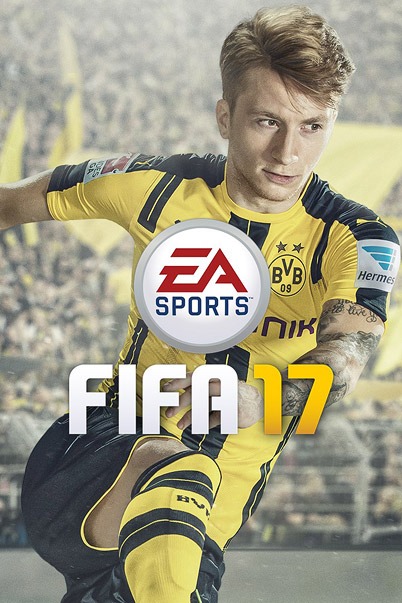
📅 Game released: 2016
FIFA 17 combines licensed football, Career Mode, and Alex Hunter’s The Journey, and this guide explains its official PC download status. Find out what existing owners can check in the EA app, which offline modes remain relevant after the online shutdown, where community mods fit in, and what the original system requirements specify.
 By Editor Zero — independently researched, edited, and maintained.
Last updated: 9 November 2026
Last reviewed: 9 November 2026
Table of Contents
- Quick Facts
- Official PC Stores, Download & Installation
- FIFA 17 Review
- Pros & Cons
- PC System Requirements
- Frequently Asked Questions
- Similar Games
FIFA 17 Quick Facts
- Game: FIFA 17 / EA SPORTS FIFA 17; originally sold in Standard, Deluxe, and Super Deluxe editions
- Developer: EA Vancouver and EA Romania
- Publisher: EA Sports / Electronic Arts
- Genre: Sports, football simulation, Multiplayer (local play; original online services retired)
- Release: September 27, 2016 (North America); September 29, 2016 (worldwide, including Windows PC)
- Platforms: Windows PC, PS4, PS3, Xbox One, Xbox 360
- Modes: Kick-Off, Career Mode, tournaments and The Journey on PC; local multiplayer; official online play discontinued
- Online services: EA retired FIFA 17’s online services on February 14, 2023, including online-dependent Ultimate Team functionality
- Steam Deck: No Steam release or official Steam Deck compatibility rating
- Engine: Frostbite (Windows PC, PS4, Xbox One); legacy console versions used different technology
- Community: EA football forums, FIFA Career Mode community
- PC modding: Unofficial squad, kit, graphics, and roster projects exist through ModdingWay’s FIFA 17 hub; no official modding toolkit
- Metacritic score: 84/100 (PC critic reviews)
- IGN score: 8.4/10 (original FIFA 17 review)
- Steam user reception: Not available on Steam
Official PC Store Status, Download & Installation
👇 FIFA 17 is no longer offered as a normal new PC purchase through EA’s digital storefront. Check its official ownership, re-download, and service limitations below before attempting to install an older copy.
- PC store status: FIFA 17 originally launched through EA’s Origin service for Windows, but it is no longer offered as a normal new digital purchase in the EA app. No verified official Steam, Epic Games Store, GOG, or Microsoft Store PC listing offers the original game for new purchase.
- Existing EA ownership: If FIFA 17 was previously purchased and registered to an EA Account, sign in to the official EA app using that same account and check the Library. EA’s general library installation guide explains how to use the Download option when an owned title is still offered. This is a check, not a guarantee that FIFA 17 can be downloaded or launched.
- Re-download limitation: EA staff have specifically said that FIFA 17’s digital version is no longer available, and EA forum reports describe download or launch failures. Even an entry visible in an account or storefront interface does not establish that the game’s files and activation remain accessible. If the library download fails, contact EA Help with proof of ownership; a working reinstallation cannot be promised.
- Old physical editions: Original Windows retail discs and product codes may exist second-hand, but a disc alone does not establish a usable new license. Previously redeemed codes are account-bound, and an old unused code may fail to activate. Do not buy an unverified code or used copy assuming it will work with the modern EA app.
- EA Play status: EA removed FIFA 17 from the EA Play catalogue in May 2021. Subscription membership is not a reliable way to obtain this game, even if an outdated launcher tile happens to suggest otherwise.
- Online shutdown: EA retired FIFA 17’s official online services on February 14, 2023. FIFA Ultimate Team’s server-dependent functions, online seasons, Pro Clubs and other official online matchmaking or connected features should not be presented as playable. The shutdown also affects previously advertised Deluxe and Super Deluxe Ultimate Team rewards.
- Offline football: A functioning, legitimately installed copy can still offer local Kick-Off matches, offline Career Mode, local multiplayer, tournaments and Alex Hunter’s The Journey. These are game modes, not a promise of successful installation, first-run authentication, or continued compatibility on every PC.
- PC version differences: The Windows PC version uses Frostbite and includes The Journey, unlike the older PS3 and Xbox 360 releases. Avoid using legacy-console feature lists to evaluate the Windows edition.
- Mods and squad updates: Community-created roster files, kits, faces and graphics modifications can extend an already working PC copy. Use established game-specific project pages, back up saves and original files, and verify exact mod/version compatibility. A mod does not supply the copyrighted game or restore EA’s closed online services.
 Download the Official EA App (for Ownership Checks)
 View FIFA 17: The Journey on the Official EA SPORTS Website

FIFA 17 Review
A more personal football game, where convincing moments still depend on unpredictable teammates.
There is a particular satisfaction in seeing an attack develop as intended. A midfielder waits for a defender to step forward, a winger moves behind the full-back, and a low finish slips past the goalkeeper. In FIFA 17, those few seconds can feel surprisingly close to watching a real match unfold. Then a teammate wanders out of position on the next possession, and the illusion becomes harder to maintain.
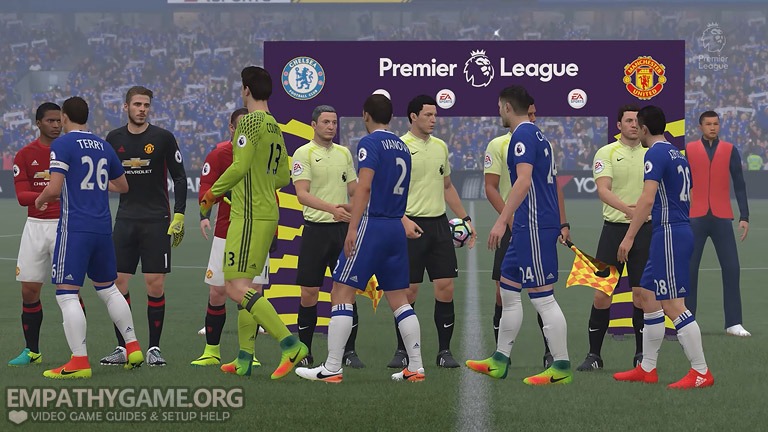
That contrast runs through the game. Frostbite gives the PC, PS4 and Xbox One editions a stronger sense of occasion, while revised movement, physical play and set pieces offer more ways to influence a match. The larger change is The Journey, which turns Alex Hunter’s uncertain start in professional football into a story with more personal stakes than a league table can provide. It is an ambitious direction for FIFA, although the football AI and the story’s tightly controlled choices do not always support that ambition.
Attacking Movement Creates Chances, but Not Always Trust
FIFA 17 is at its best when passing becomes a matter of creating space rather than simply finding the nearest teammate. The Active Intelligence System is designed to encourage supporting movement, decoy runs and attacks into open channels. Holding the ball in midfield can draw a defender forward and leave room for a winger to run behind the back line. A well-weighted through pass rewards that bit of patience, while the low driven finish gives the attacker an alternative to lifting the ball over a goalkeeper coming off the line. Downward headers add another possibility when a cross reaches the right player.
The problem is not a shortage of attacking options. It is knowing whether the rest of the team will cooperate. A striker instructed to stay forward may wander into midfield, while a wide player moves inside just when the flank needs an outlet. Tactical instructions can influence behaviour, but they do not always produce the positioning they suggest. That makes the difference between an ambitious pass and a careless one harder to judge. Sometimes the passing lane was sensible; the expected runner simply was not there.
The uncertainty continues after tackles. A ball breaks loose a few steps away, yet a nearby teammate hesitates instead of challenging for it. Crosses can float long enough for defenders to recover, turning a good opportunity into a crowded aerial contest. None of this ruins every attack, and improvising around imperfect teammates is part of football. But there is an important distinction between a defender reading a move well and your own team failing to carry out a reasonable instruction. FIFA 17 occasionally blurs it.
Small Touches and Physical Battles Make Possession Interesting
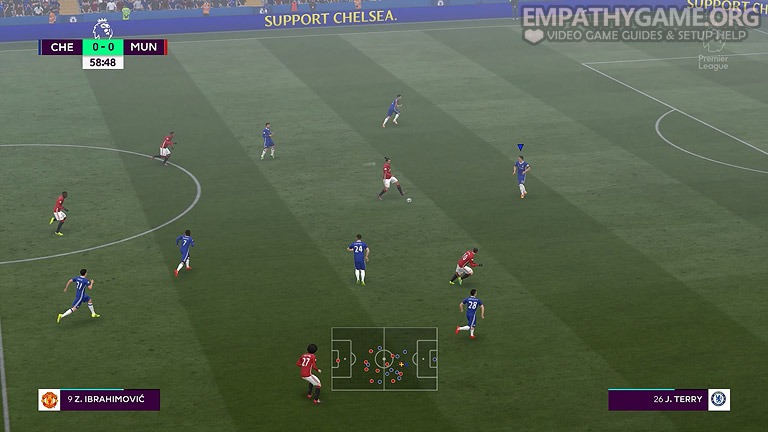
One of the more enjoyable changes is easy to overlook because it is not spectacular. A quick shift of the ball from one foot to the other, timed as a defender commits, can create enough space to escape without a complicated skill move. Close control rewards restraint as much as flair. It gives a technically capable player a way to beat a challenge in a congested midfield rather than having to accelerate past everyone.
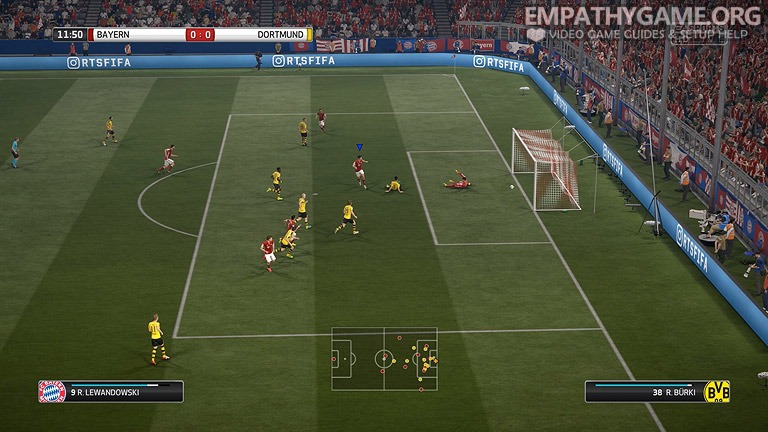
The Physical Play Overhaul develops the same idea through contact. A forward receiving the ball with their back to goal can shield it, use body position to resist pressure and wait for support. That changes the value of a strong striker. Their usefulness is no longer measured only by how quickly they reach a through ball; holding possession for two seconds can be what allows the entire attack to catch up. Shoulder-to-shoulder contests and challenges for high balls also have a stronger physical presence.
It is not a perfectly connected system. A convincing collision between two players can happen while the surrounding defenders lose track of their assignments. Shielding feels less purposeful when nobody offers a return pass, and extended midfield struggles can become messy rather than tactical. Still, the smaller decisions are often more satisfying than the elaborate animations. A protected first touch, a patient turn or a simple body feint can make possession feel earned. FIFA 17 benefits whenever it gives those quiet pieces of football as much importance as the spectacular finish.
Set Pieces Offer Freedom at the Cost of Simplicity
Set pieces are another attempt to give the player more deliberate control. Corners use a targeting system, making it possible to aim toward a selected area of the box. Free kicks offer more variation in the run-up and delivery, while throw-ins allow movement along the touchline and small feints before releasing the ball. These changes can make a dead-ball situation feel like a planned opportunity instead of a pause before play resumes.
Penalties are harder to defend. Adjusting the taker’s run-up, approach, direction and power creates room for technique, but also adds several decisions to a moment that already carries enough tension. A practised player can learn the sequence; someone playing occasional local matches may find it unnecessarily awkward. Greater control is useful when it clarifies what the player can accomplish. Here it sometimes makes a straightforward action feel less intuitive than it should.
The Journey Makes Football Personal, but Choice Has Boundaries
The Journey follows Alex Hunter as he attempts to establish himself in the Premier League, with childhood friend Gareth Walker and his family providing much of the drama around that ambition. The premise is familiar, but placing it inside a football game changes how ordinary moments feel. An appearance from the bench is not merely an opportunity to score; it is a chance to prove that Hunter deserves another one. Training exercises, match objectives and ratings connect his prospects to what happens on the pitch.
Choosing whether to control Hunter alone or the full team makes an unexpected difference to that story. When controlling only Hunter, off-ball movement matters more. He can make the correct run and never receive the pass, or watch a promising attack collapse because another player makes a poor choice. It can be frustrating, but the lack of complete control also fits the experience of being one young footballer among eleven. Controlling the entire team removes much of that dependence on AI teammates. It is more practical for shaping results and reaching objectives, although the temptation to route every attack through Hunter can make the football feel artificial in another way.
Performance and training contribute to Hunter’s development, while skill upgrades give progression a modest role-playing element. Interviews offer Cool, Fiery and Balanced responses that affect how he presents himself and how people react to him. Yet these choices should not be mistaken for control over the direction of his career. Choosing a smaller club in the hope of finding easier first-team opportunities sounds like a meaningful football decision, but the story still follows major predetermined events, including a loan spell. The game asks players to think strategically about where Hunter belongs, then sometimes ignores the logic behind that decision.
Some family confrontations and dramatic turns therefore feel more scripted than the performances leading up to them would suggest. The strongest scenes are often the less theatrical ones: waiting for selection, receiving an assessment after training, or stepping onto the pitch with little time to make an impression. Those situations are effective because football already contains uncertainty and pressure. The Journey does not need to manufacture a dramatic argument every time it wants a match to matter.
Broadcast Atmosphere Is Stronger Than the Close-Up Drama
Frostbite serves FIFA 17 best from a match-day perspective. Stadium lighting, broadcast camera angles, crowd reactions and familiar commentary help an important fixture feel different from a casual kickabout. A chance that brings the crowd to its feet, followed by a replay and the noise settling again, gives the action a convincing televised rhythm. Licensed clubs and their surroundings add recognisable identity to what could otherwise be interchangeable matches.
Close-up storytelling is less convincing. Facial expressions and gestures in The Journey can look stiff, and conversations in offices or corridors rarely have the energy of the stadium sequences. The contrast is revealing. The game is much better at communicating football emotion through a missed header, an urgent attack or a crowd reacting to a late goal than through a lengthy character exchange. Its atmosphere comes from how presentation follows the action, not simply from the improved lighting or more detailed faces.
Manager Career Rewards Planning, Then Tests Its Own Credibility
Manager Career offers a different kind of storytelling, one built from decisions rather than cutscenes. Total Club Management asks managers to consider finances, brand exposure and youth development alongside domestic and continental results. At a wealthy club, a disappointing season may mean falling short of an expected trophy. At a smaller one, developing young players or keeping the finances healthy can matter just as much. These objectives provide a reason to approach different saves differently.
Transfers, scouting, team selection and weekly training give the seasons continuity. Selling an established player to finance two promising replacements is not simply a transaction; it changes the team available for the next match and the options several seasons later. A talented youngster might need cup appearances to develop, but those minutes come at the expense of a more reliable senior player. The interesting part is deciding which compromises serve the club’s longer-term identity, rather than always choosing the highest-rated eleven.
The difference between clubs can be felt on the pitch too. A lower-league career may involve heavier first touches, less precise passing and fewer players capable of escaping pressure through individual quality. That can create a slower, less predictable kind of football than a match between elite Premier League sides. Gameplay sliders and tactical choices influence that impression, so weaker squads do not automatically make the simulation more authentic. What they do offer is a different set of problems to solve. Building a modest team can be enjoyable because even a routine passage of possession demands more care.
Career Mode becomes less believable when its simulation makes success arrive too easily. Ambitious transfer dealing can create a title-challenging squad much sooner than a gradual rebuild should allow, and results elsewhere in the league may do little to preserve the expected hierarchy. That unpredictability can be entertaining, especially if the aim is to build an unlikely champion. It is more disappointing when the attraction is the slow work of earning promotion and establishing a club over several seasons. Players who want that journey may have to set their own transfer limits or other rules to keep it credible.
Training and Player Career Reveal Different Kinds of Progress
Player Training makes development feel more hands-on by allowing repeated drills to improve selected attributes. Used carefully, it can address a prospect’s weakness or help prepare them for a specific role. Concentrating too heavily on a narrow group of statistics, though, may produce strange imbalances. A forward could become an exceptional finisher without comparable composure, or develop high sprint speed without equally convincing acceleration. The precise outcome depends on the player and training choices, but the underlying problem is clear: a rapidly improving rating does not necessarily describe a complete footballer.
Standalone Player Career offers another contrast with The Journey. It follows a created or existing footballer across a longer, more open-ended sequence of seasons, with training and performances contributing to development. Changes to a manager’s lineup can also make the player’s role less predictable. Yet the time between fixtures has little of Hunter’s character-focused storytelling, and match-day involvement is more restricted, including the lack of the same substitute-entry experience. Player Career gives greater freedom over the length of the journey but much less sense of a life around it.
Kick-Off, tournaments and local multiplayer provide a welcome alternative to these long-term systems. Different clubs, formations and opponents can make an evening of matches interesting without a transfer budget or training schedule. That variety also explains why a second run through Hunter’s fixed story is less appealing than starting another Manager Career with a different club. FIFA 17 offers plenty of ways to play football, but its modes do not all offer the same kind of freedom.
Final Verdict
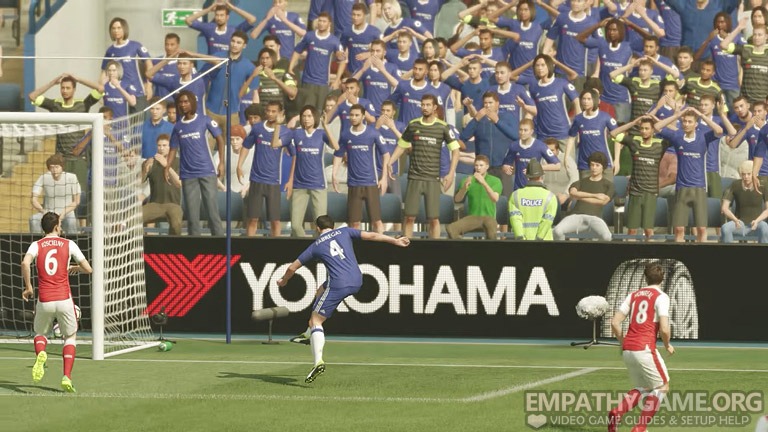
FIFA 17 is more interesting than a simple comparison of passing, shooting and defending would suggest. The Journey gives a substitute appearance and a missed chance meaning beyond the scoreline, while Manager Career lets the player build a football story through transfers, finances, training and difficult selections. On the pitch, shielding, subtle dribbling and more varied attacking movement make room for intelligent, patient football.
The frustrating part is how often the supporting systems fail to keep up. Tactical instructions do not always produce sensible positioning, teammates can be slow to react to loose balls, and the elaborate penalty controls add friction to an already tense moment. Hunter’s career is more scripted than its choices initially suggest. Manager Career offers much greater freedom, but odd transfer outcomes and league simulations can make a carefully planned rebuild feel less authentic than intended.
There is still a distinctive football game here for anyone who enjoys the 2016–17 clubs, wants to follow a young Premier League prospect or prefers developing an unfashionable team over controlling an established giant. Those looking for dependable tactical behaviour or a genuinely branching sports narrative will have less patience with it. FIFA 17’s strongest achievement is not that it simulates every decision well. It is that, when the football and its surrounding context finally align, an ordinary match can feel unexpectedly important.
FIFA 17 Pros & Cons
- Pro: Alex Hunter’s The Journey gives the football series a character-led story mode with meaningful match context.
- Pro: Licensed teams, familiar stadium presentation and commentary create a convincing match-day atmosphere.
- Pro: Career Mode, Kick-Off and tournaments provide substantial local and single-player football beyond online competition.
- Pro: Frostbite presentation, revised set pieces and new attacking movement give this entry a distinct identity.
- Con: Official online multiplayer and Ultimate Team services are permanently unavailable.
- Con: New digital purchases are unavailable, while downloads and activation for existing owners may also fail.
- Con: Some on-pitch movement, defending and player collisions are less consistent than the polished presentation suggests.
- Con: The original 2016–17 squads are historically fixed unless an unofficial, compatible roster update is installed.
FIFA 17 PC System Requirements
These are EA’s published requirements for the original Windows PC release, not a modern Windows 11 compatibility guarantee or a promise that EA’s current launcher can still activate the game.
OFFICIAL WINDOWS PC REQUIREMENTS:
MINIMUM:
OS: Windows 7 / 8.1 / 10, 64-bit
CPU: Intel Core i3-2100 @ 3.1 GHz or AMD Phenom II X4 965 @ 3.4 GHz
RAM: 8 GB
GPU: NVIDIA GeForce GTX 460 or AMD Radeon R7 260
DirectX: 11.0
Storage: 50 GB available
RECOMMENDED:
OS: Windows 7 / 8.1 / 10, 64-bit
CPU: Intel i5-3550K @ 3.40 GHz (EA’s original published model name) or AMD FX-8150 @ 3.6 GHz
RAM: 8 GB
GPU: NVIDIA GeForce GTX 660 or AMD Radeon R9 270
DirectX: 11.0
Storage: 50 GB available
Additional PC Performance and Setup Notes
Old specifications versus the modern EA app: FIFA 17’s original published operating-system range includes Windows 7 and 8.1, but the current EA app requires 64-bit Windows 10 or 11. Meeting the game’s historical minimum specifications does not guarantee that the current launcher or activation services will support a new installation.
Controls and display: A conventional gamepad is well suited to passing, dribbling and defending. The PC version supports ordinary widescreen display modes; there is no general need to apply an old 4:3-to-16:9 patch. Community graphics and roster changes should be treated as unofficial, version-dependent modifications rather than required setup steps.
Official Trailer
Note: EA SPORTS’ official The Journey trailer introduces Alex Hunter’s Premier League story. The guide above covers the Windows edition, historic system requirements, and the ownership and online-service limitations that the launch-era trailer does not discuss.
Frequently Asked Questions
Can you still complete The Journey in FIFA 17 after the server shutdown?
Not reliably. The Journey is a single-player story mode, but some owners report that certain progression checkpoints or save synchronization steps request a connection to EA’s retired servers. Parts of Alex Hunter’s campaign may remain playable on a functioning installation, but completing every chapter and the final scenes cannot be guaranteed.
Can you choose Alex Hunter’s club and position in The Journey?
Yes. You can choose from the 20 Premier League clubs featured in the original 2016–17 season and select an attacking position, including striker, attacking midfielder, or winger. Alex Hunter remains the fixed protagonist, so you cannot replace him with a completely custom character.
Do dialogue choices in The Journey change the story or ending?
Choices such as Cool, Fiery, and Balanced influence Alex’s personality, reputation, and how other characters respond to him. Your performances and decisions affect parts of his career experience, but the main storyline follows largely predetermined events rather than offering completely different endings.
How long does FIFA 17’s The Journey take to complete?
The Journey covers one football season, with a complete playthrough taking roughly 16 hours in published accounts. Your time depends on match length, training sessions, and how much of the on-pitch action you play. Access to the entire campaign may also be affected by the retired online services.
Does Alex Hunter’s story continue in FIFA 18 and FIFA 19?
Yes. FIFA 17 introduces Alex Hunter, FIFA 18 continues his career in The Journey: Hunter Returns, and FIFA 19 concludes the storyline in The Journey: Champions. Each is a separate game, and transferring your original FIFA 17 decisions and progress into later installments is no longer reliable because the process depended on EA’s retired online services.
What is the difference between The Journey and Player Career in FIFA 17?
The Journey follows Alex Hunter through a scripted Premier League story with dialogue choices, cinematic scenes, and match objectives. Player Career is a more open-ended football simulation where you control an existing or created player across multiple seasons, develop their abilities, pursue transfers, and potentially retire to become a manager.
How do board objectives work in FIFA 17 Manager Career?
Your club’s board evaluates more than league position and trophies. Objectives can involve financial performance, domestic and continental success, brand exposure, and youth development, with different priorities depending on the club. Check the board expectations before spending heavily on transfers or deciding which competitions to prioritize.
How do you develop young players in FIFA 17 Career Mode?
Use the Player Training system to assign weekly drills that improve selected attributes, and scout young prospects through the Global Transfer Network or youth academy. Training is especially useful for developing specific weaknesses, but regular playing time and a sensible squad rotation also matter. FIFA 17 uses its original development system rather than the Dynamic Potential and Development Plan features introduced in later games.
Can two people play FIFA 17 together on the same PC?
Yes. Local Kick-Off supports players competing against each other or controlling the same team using connected controllers. Everyone shares the normal full-pitch camera rather than separate split-screen views, so official online matchmaking is not required for a local match once the game is functioning.
Can FIFA 17 Ultimate Team be played offline?
No. EA’s original FIFA 17 PC manual states that all FIFA Ultimate Team modes require a connection to EA servers. Because those services have permanently closed, FUT squads, its transfer market, Squad Building Challenges, and FUT matches are no longer accessible through the original official service, including their former single-player activities.
Does FIFA 17 support keyboard and mouse controls on PC?
Yes. The PC version supports keyboard-only, keyboard-and-mouse, and compatible gamepad control schemes. At the initial “Press START or SPACE” screen, your selected input influences which button prompts appear, while Controller Settings lets you adjust the supported mappings. An Xbox-style controller is a practical choice for analog movement and skill moves.
Why are penalties and free kicks different in FIFA 17?
FIFA 17 redesigned set pieces to offer more control over positioning, aiming, and ball movement. Penalties allow you to adjust the taker’s starting position and run-up while directing the shot with the left stick. Free kicks also support different shot types, curl, and additional takers, so practicing these controls is more useful than relying entirely on habits from earlier FIFA games.
Can you update FIFA 17 squads without EA’s online services?
Official Match Day and live squad updates depended on EA’s online services and are no longer available. You can still make manual team edits in a functioning copy, while compatible community-created roster files may offer newer transfers, kits, and player changes. Back up your original saves and squad files before applying unofficial modifications.
Does FIFA 17 work on Windows 11?
Compatibility is not guaranteed. FIFA 17’s original PC specifications cover Windows 7, 8.1, and 10, while the modern EA app supports Windows 10 and 11. Some existing installations may work on newer Windows systems, but legacy activation, unavailable game downloads, and launcher problems can prevent a successful installation even when the computer exceeds the original hardware requirements.
Still have questions? Check the FIFA Career Mode Reddit community for discussions about older FIFA games, or visit official EA Help for account ownership, installation, and legacy-game support questions.
Sources & References
Key factual and technical information in this guide was checked against relevant official and established sources, including:
- EA’s FIFA 17 launch information — development studios, regional release dates, platforms and version-specific features.
- EA SPORTS original FIFA 17 PC specifications — the published minimum and recommended Windows hardware requirements.
- EA Online Services Updates — FIFA 17’s service retirement and removal from the EA Play catalogue.
- EA Help: Download and play games in the EA app — general legitimate account-library and installation steps.
- EA staff response about FIFA 17’s unavailable digital version — a game-specific warning against assuming legacy re-downloads work.
- Metacritic FIFA 17 PC critic reviews — platform-specific critical reception.
- ModdingWay FIFA 17 project hub — examples of unofficial PC roster, kit and visual modifications.
Similar Games Like FIFA 17





Found something worth playing through DecideGame?
DecideGame.com is an independent gaming project run by Editor Zero. If this guide helped you discover a game, solve a problem, or find useful information, you can support DecideGame.com and help keep new and updated game guides coming.
DecideGame — PC Game Guides, Reviews & Setup Help