
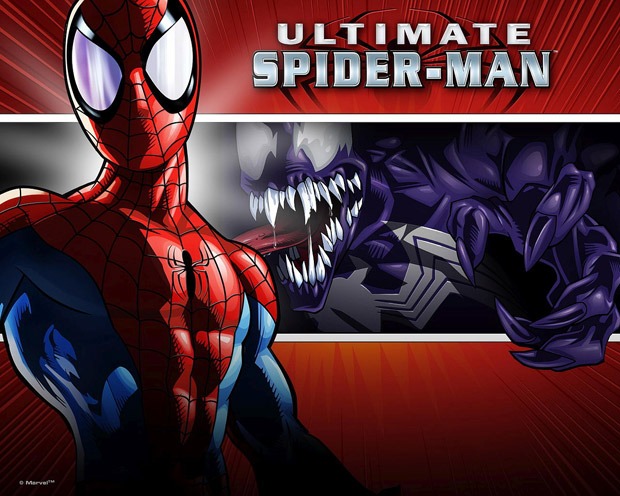
Use this updated 2026 Ultimate Spider-Man PC guide to check official download availability and lawful retail ownership, understand Windows compatibility and system requirements, and review mods, controller notes, and setup guidance for the 2005 PC release.
 By Editor Zero — independently researched, edited, and maintained.
Last updated: 28 September 2026
Last reviewed: 28 September 2026
Table of Contents
- Quick Summary
- Quick Facts
- Official PC Stores, Download & Installation
- Ultimate Spider-Man Review
- Pros & Cons
- PC System Requirements
- Frequently Asked Questions
- Similar Games
Ultimate Spider-Man Quick Summary
✔ Open-world superhero action-adventure based on Marvel’s Ultimate Spider-Man comics, with a story centered on Peter Parker, Eddie Brock, and the Venom symbiote
✔ Playable Spider-Man emphasizes web-swinging, agility, rescues, races, and acrobatic combat, while Venom uses heavier attacks, powerful jumps, tendrils, and a more destructive approach
✔ Similar to Spider-Man: Web of Shadows through its freely explorable New York setting, fast traversal, airborne superhero combat, wall-crawling, and darker symbiote-focused story
✔ The Windows version is a Beenox port of Treyarch’s main console game and remains tied to the original retail release rather than a modern Steam, Epic, GOG, or Microsoft Store edition
✔ No official remaster or remake has replaced the 2005 game; community HD, UI, widescreen, texture, and controller-prompt projects are unofficial modifications for existing PC installations
✔ Modern hardware easily exceeds the historical specifications, but the retail game’s SafeDisc-era protection and old Windows assumptions create more difficulty than raw CPU or GPU performance
Ultimate Spider-Man Quick Facts
Official PC Store Status, Download & Installation
👇 Use the notes below to understand the current official PC availability status for Ultimate Spider-Man and avoid unsafe or unofficial acquisition options.
- Current PC availability: No normal official digital Windows purchase or download page is presently verified for Ultimate Spider-Man. The documented PC release is the original physical retail version.
- Existing retail owners: Players who already own a legitimate Windows copy should retain the original discs and accompanying materials. The PC release predates modern account libraries, cloud ownership, and storefront re-download systems.
- SafeDisc compatibility: The retail Windows version uses SafeDisc 4 copy protection. This legacy system is incompatible with normal Windows 10 and Windows 11 operation, so owning sufficiently powerful modern hardware does not by itself guarantee that the original disc release will start.
- Security warning: Avoid untrusted replacement executables, DRM-removal packages, modified installers, or instructions that require weakening modern Windows security. This guide does not provide copy-protection bypass instructions.
- Digital storefronts: No verified Steam, Epic Games Store, Microsoft Store, or purchasable GOG edition is available. GOG’s Ultimate Spider-Man page is a Dreamlist preservation request rather than a store product page.
- Remaster status: No official remaster, remake, definitive edition, or modern PC rerelease has been verified. Projects carrying names such as Ultimate Spider-Man HD or UI Remastered are community modifications for the original game, not new Activision editions.
- PC content: The Windows release has no DLC, expansion pass, season pass, subscription entitlement, cloud-gaming edition, or PC-specific deluxe upgrade. The 2005 Limited Edition with additional bonus material was released for PS2 rather than Windows.
- Mods and ownership: Community widescreen, UI, texture, controller-prompt, and visual projects can improve an already working PC installation, but they do not provide the base game or substitute for legitimate ownership. Back up saves and original files before modifying an installation.

Ultimate Spider-Man Review
Comic-book style, fast traversal, and two genuinely different heroes carry an open world weakened by repetitive progression.
Ultimate Spider-Man understands that a superhero game does not need a huge checklist of systems to feel distinctive. Its strongest idea is simple: make New York enjoyable to cross, make Spider-Man and Venom feel fundamentally different, and present the entire adventure as if Mark Bagley’s comic art had started moving. The result is a compact open-world action game whose personality still comes through immediately.
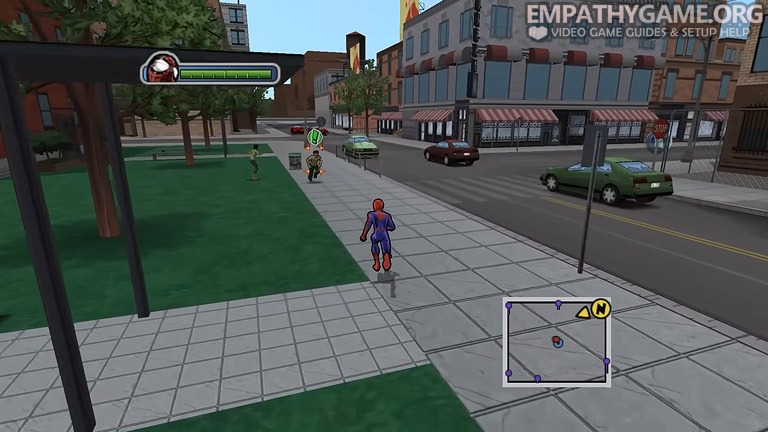
Spider-Man is quick, acrobatic, and built around momentum. He swings between buildings, climbs web lines to adjust his height, zips toward surfaces, rebounds through groups of enemies, and moves from street level to rooftops with very little friction. Venom turns the same city into something harsher. He covers distance through enormous jumps, tears through enemies with tendrils, throws cars, and feeds on people to keep his constantly draining health under control. That contrast gives the campaign more variety than its relatively small move sets suggest.
The weakness is everything the game uses to stretch that foundation. Story missions are brisk and often memorable, but progress repeatedly pauses until enough races, City Events, Combat Tours, or collectibles have been completed. Because those activities recycle quickly, the open world can feel less like a living city and more like connective tissue between stronger comic-book set pieces. For players who value expressive movement, stylized presentation, and a focused superhero campaign more than deep combat or abundant side content, however, Ultimate Spider-Man remains unusually easy to appreciate.
Web-Swinging Is Simple, but It Still Rewards Attention
Traversal is the game’s most consistent pleasure. Compared with Spider-Man 2, the swinging model is simplified: there is less emphasis on manipulating multiple web lines or mastering a demanding physics system. Ultimate Spider-Man instead prioritizes readability and speed. A swing, double-jump, web zip, wall crawl, or quick change of height is usually enough to keep Peter moving, and that accessibility suits a campaign that frequently asks the player to cross large sections of Manhattan and Queens at short notice.
The system has more nuance than its simplicity first suggests. Spider-Man can climb his active web line while swinging, allowing small mid-swing corrections that matter when the ground or an obstacle is approaching faster than expected. That turns an otherwise basic traversal mechanic into something slightly more deliberate: gaining a little height at the right moment can preserve a route instead of forcing a landing and restart. The web boost and zip also help maintain forward momentum when buildings become less convenient for a clean swing.
Progression occasionally feeds directly back into movement. Human Torch races are not merely medal challenges; completing them increases Spider-Man’s web-swinging speed. That makes these races one of the few pieces of side content with a tangible effect on how the city feels to cross. It also means an activity that can initially seem like optional time-trial padding can make later traversal and chase sequences more manageable.
The limits are equally clear. The city lacks the density of mechanical interactions that would make every route interesting, and repeated chase missions lean heavily on the same traversal skills. When a pursuit is well staged, speed and verticality create genuine urgency. When several appear close together, the structure exposes how often the campaign substitutes “keep up with the target” for a more varied objective.
Spider-Man’s Combat Is About Control, Not Combo Depth
Fighting is built around quick punches, kicks, aerial attacks, grabs, evasive movement, and web techniques rather than a large technical move list. Spider-Man can bounce between nearby targets and launch enemies into the air, giving ordinary encounters the elastic rhythm expected from the character. The animation and exaggerated comic-book impacts do much of the work: even a simple exchange looks more energetic than the underlying inputs really are.
One important detail gives the combat a stronger identity. Knocking an ordinary enemy unconscious is not always the end of the encounter. A downed thug can recover unless Spider-Man webs the enemy up for the police, so webbing functions as a proper subdual step rather than only as temporary crowd control. In a small fight this is straightforward; in a larger group, stopping to secure one opponent can leave Peter exposed to the others. That creates a useful decision between immediately removing a threat or keeping mobile until there is a safer opening.
The system rarely develops much beyond that. There are enough attacks to keep street fights lively, but not enough tactical variety to prevent repetition once the same gangs and Combat Tour structures start returning. Spider-Man’s agility is more interesting than his damage options, so the best encounters are those that encourage movement between targets, walls, and open space rather than prolonged button-mashing against one durable enemy.
Boss fights make better use of the rules because they introduce patterns and environmental openings. The Rhino sequence, for example, mixes pursuit with civilian rescues before turning the confrontation into a more controlled set piece. Electro’s Times Square encounter asks Venom to deal with an enemy whose electricity makes careless aggression dangerous. These battles are mechanically straightforward, but they provide stronger pacing and spectacle than another group of street thugs.
Venom Makes the Same City Feel Hostile
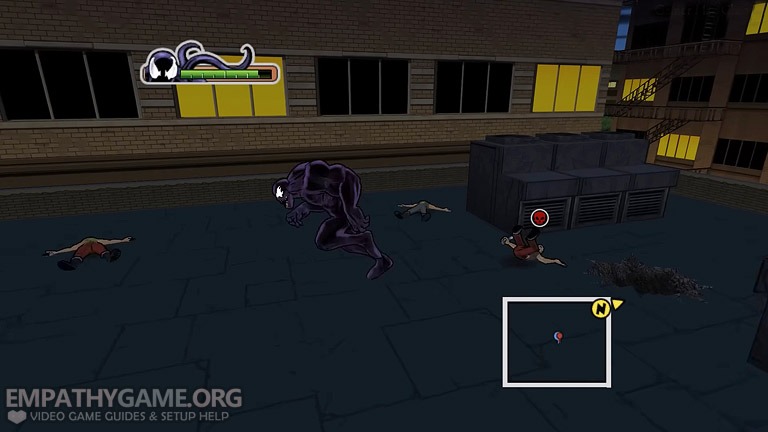
Venom is the game’s smartest source of contrast. He is not Spider-Man with heavier animations. His movement, health system, and relationship with the environment create a different rhythm from the moment control changes hands. Spider-Man reads rooftops and traffic as a route through the city; Venom reads cars, civilians, and armed response teams as resources, obstacles, or targets.
His enormous leaps replace web-swinging, and the lack of a web line makes each jump feel less precise but more forceful. In combat, wide tendril attacks can hit several enemies while grabs and thrown objects emphasize raw strength. Cars become improvised weapons instead of scenery. The constantly draining health meter keeps Venom moving aggressively because feeding restores the energy he is always losing. It is a simple pressure system, but it prevents his sections from becoming a slower version of Spider-Man’s.
That difference also changes the moral texture of free roaming. Peter’s city activities revolve around rescue and containment; Venom’s mechanics reward destruction. Post-story play leans into this with a destruction-for-points response system that escalates as havoc increases. Exiting that activity can also leave Venom roaming without the response forces, separating pure sandbox destruction from the scored escalation.
Venom’s weakness is depth. His attacks feel powerful, but the move set is narrower and encounters can become repetitive faster than Spider-Man’s. What keeps him memorable is not a sophisticated combat system; it is the way every familiar object in New York suddenly serves a different purpose.
The Best Missions Feel Like Comic Issues; the Side Content Feels Like Padding
The story campaign moves quickly from one villain or crossover character to another, which suits the source material. Rhino, Electro, Wolverine, Beetle, and others arrive in brisk confrontations that preserve a comic-issue rhythm. Chases, rescues, boss fights, and character switches keep the main path moving even when individual mechanics remain simple.
The pacing problem comes between those missions. Ultimate Spider-Man uses City Goals to gate story progress, requiring cumulative completion of races, City Events, Combat Tours, and token collection before the next story beacon appears. The idea encourages exploration, but the content underneath it is too thin to support how often the campaign relies on it.
City Events are especially revealing. Crimes and rescues can create pleasant interruptions while swinging across town, but they are structurally sparse and tied to recognizable locations, so repetition becomes visible quickly. A worker may need saving from the same type of danger in a familiar place, or another group of gang members may trigger a similar fight. Occasional break-ins involving Shocker or Boomerang are more memorable because they function like lightweight supervillain encounters rather than ordinary street crime, but there are not enough such surprises to make the city feel truly unpredictable.
Combat Tours have the same issue in a different form. Moving through several gang encounters can be satisfying when it gives Spider-Man room to chain movement and crowd control together, yet later tours mostly increase the amount of familiar fighting rather than introduce new tactical ideas. The mandatory nature of these systems hurts more than their simplicity. Optional repetition is easy to ignore; repetition that blocks the next story mission becomes part of the campaign’s pace.
Bendis and Bagley Give the Game an Identity Beyond Its Mechanics
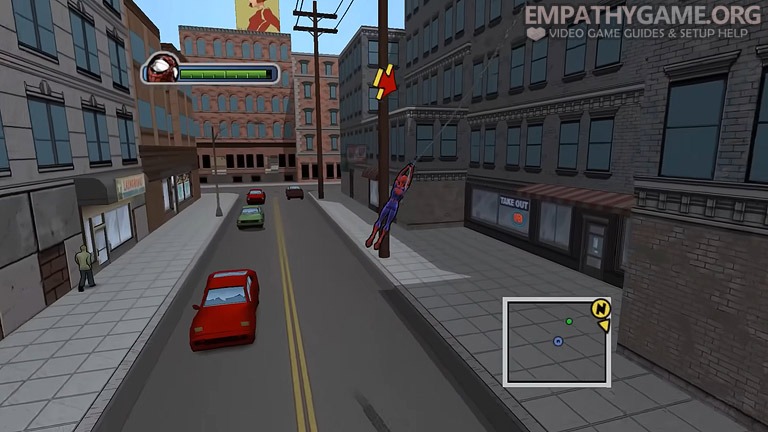
The presentation is where Ultimate Spider-Man most clearly separates itself from other superhero games of its era. Heavy outlines, bold colors, exaggerated character proportions, animated panels, on-screen impact words, and quick comic-style transitions turn menus, cutscenes, and combat into parts of the same visual language. Because the art direction aims for illustration rather than realism, its age is visible without erasing its personality.
That authenticity is more than surface imitation. Brian Michael Bendis shaped the story and dialogue, while Mark Bagley’s designs and art style informed the characters and visual direction. Peter therefore sounds and behaves like the younger Ultimate version of Spider-Man rather than a generic adaptation of the movie-era hero. His jokes are sharp enough to keep the campaign light, although repeated in-game quips can become familiar long before the story ends.
The narrative itself is better at momentum than depth. Peter and Eddie Brock provide a strong central contrast, and shifting perspectives lets the same conflict be viewed from hero and antagonist sides. Mary Jane, Nick Fury, S.H.I.E.L.D., Wolverine, Silver Sable, and the villain roster give the campaign the crowded energy of a crossover arc. The tradeoff is that several characters arrive, make an impression, and move on before they can develop much beyond their immediate role.
That briskness works because the visual storytelling carries so much personality. Panels split, slide, and reframe action instead of simply stopping for conventional cutscenes, while the voice performances sell both Peter’s nervous humor and the more extreme comic-book personalities around him. The subdued music is less distinctive, but the combination of dialogue, visual effects, and comic-style impacts gives the game a recognizable tone even during mechanically ordinary scenes.
Completion Rewards Movement More Than Replay
The progression structure is unusual because challenge completion serves several purposes at once. Races, Combat Tours, City Events, and tokens advance City Goals, unlock extras, and push completion upward, while some activities provide more practical rewards. The Human Torch races improving swing speed are the clearest example because the upgrade is immediately felt during ordinary traversal rather than disappearing into a menu.
Completionists also have costumes, collectible rewards, tougher challenge tiers, and post-story free roaming to pursue. Finishing the campaign unlocks the Switch Hero option, allowing Spider-Man and Venom to be selected for open-world play. That gives the city more value after the final story sequence because the two characters approach movement and destruction so differently.
The problem is that Ultimate Spider-Man has no conventional mission replay system. That weakens the value of costumes earned late in completion because favorite story missions cannot simply be revisited with a newly unlocked suit. A difficult costume reward therefore becomes more of a free-roam trophy than a tool for re-experiencing the campaign. There is also no traditional New Game Plus structure that reshapes a second run around those unlocks.
Replay value consequently depends on what the player enjoys most. Better race times, unfinished Combat Tours, remaining tokens, costume goals, and Venom sandbox play can extend the experience considerably. Anyone primarily interested in the authored story, however, may find little reason to repeat the grind that separates its best missions.
Final Verdict
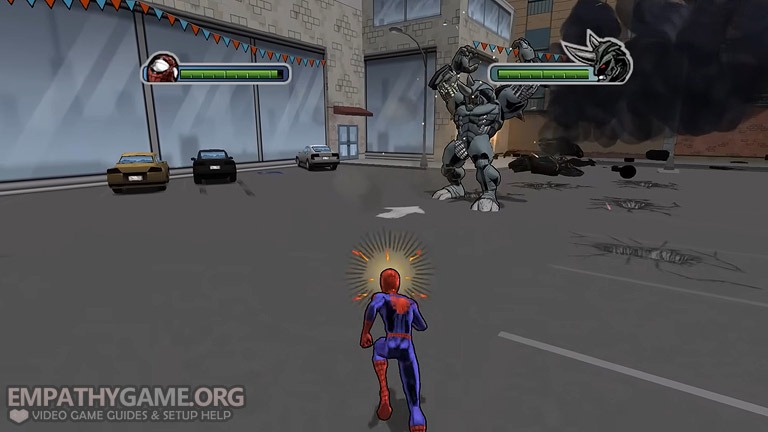
Ultimate Spider-Man succeeds because its strongest qualities reinforce one another. The comic-book art direction gives New York a memorable identity, the movement system makes crossing that city enjoyable, and the playable contrast between Spider-Man and Venom changes more than animations or damage values. Peter’s acrobatics, web-based subdual, and swing control create a nimble superhero rhythm; Venom’s leaps, tendrils, improvised weapons, and draining health turn the same streets into a destructive playground.
Its shortcomings are just as consistent. Combat remains shallow once the spectacle wears off, chase missions are overused, and City Goals force too much repetition from races, street events, and Combat Tours that were not designed with enough variety to carry the campaign’s pacing. Completion rewards can be demanding, yet the absence of mission replay limits what can actually be done with some of the late unlocks.
For players seeking a deep open-world sandbox, there is not enough systemic variety here to sustain long sessions after the story is finished. For Spider-Man fans who value traversal, comic-book atmosphere, fast pacing, and the chance to play a genuinely different version of Venom, the game has a much clearer appeal. It is brief, uneven, and mechanically modest, but its sense of character is unusually strong. Ultimate Spider-Man does not need to imitate a modern superhero epic to remain memorable; its best moments come from knowing exactly what kind of comic-book adventure it wants to be.
Ultimate Spider-Man Pros & Cons
Ultimate Spider-Man PC System Requirements
Important: Activision no longer maintains a current Windows storefront or support page with modern system requirements for Ultimate Spider-Man. The specifications below are archival requirements associated with the original 2005 Windows release. They describe the hardware expected at the time and should not be interpreted as a guarantee of compatibility with Windows 10 or Windows 11.
ORIGINAL WINDOWS PC MINIMUM REQUIREMENTS:
OS: Windows 2000 or Windows XP
CPU: Intel Pentium III 1.2 GHz or AMD Athlon 1.2 GHz or higher
RAM: 256 MB
GPU: DirectX 9.0c-compatible 3D graphics card with 64 MB VRAM
DirectX: DirectX 9.0c
Storage: 3.5 GB of uncompressed hard-drive space, plus approximately 400 MB for the Windows swap file
Sound Card: DirectX 9.0c-compatible 16-bit sound card
Input: Windows-compatible mouse and keyboard
Optical Drive: Windows-compatible quad-speed CD-ROM or DVD-ROM drive
No separate modern recommended specification is published: contemporary PCs greatly exceed the game’s original CPU, memory, and graphics demands. The more important issue is software compatibility with the original Windows release and its legacy copy protection rather than insufficient hardware.
Additional PC Performance and Setup Notes
- Modern Windows: The retail PC version uses SafeDisc 4, which is not normally supported by Windows 10 or Windows 11. Compatibility problems can therefore occur before the game reaches its rendering or performance stage.
- Frame rate: The original PC version is capped at 30 FPS. Community fixes can enable higher frame rates, but very high values can affect character behavior, including ledge-climbing animations, so uncapping the game is not purely cosmetic.
- Widescreen: Native presentation reflects the display standards of its era. Community widescreen tools can add modern aspect-ratio and field-of-view options, but they are unofficial modifications and should be backed up and tested individually.
- Controller: The PC release supports gamepads, and the movement-heavy web-swinging and combat systems generally suit a controller better than the original keyboard-and-mouse layout.
- Save backups: PC save data is stored under the user’s Documents folder in
Activision\Ultimate Spider-Man\Save\. Back up this folder before experimenting with mods, compatibility tools, or a new Windows installation. - Mods: Texture, UI, suit, controller-prompt, visual, widescreen, and debugging projects exist for the PC release. Treat all of them as unofficial additions and keep clean copies of changed files whenever possible.
- Remastered terminology: Community projects using words such as HD or Remastered improve parts of the original PC presentation; they do not convert the game into an official remastered edition.
Official Trailer
Note: IGN’s archived E3 2005 trailer presents the original Ultimate Spider-Man release’s cel-shaded comic style, Spider-Man and Venom, web-swinging, New York environments, and action sequences, while this written guide adds current PC availability, ownership, compatibility, requirements, modding, and setup information.
Frequently Asked Questions
Is Ultimate Spider-Man worth playing in 2026?
Yes. Its comic-book presentation, fast traversal, free-roaming New York, playable Venom, and strong connection to Brian Michael Bendis and Mark Bagley’s Ultimate universe still give it an identity few superhero games share. The biggest qualifications are its relatively short campaign, repetitive side-objective requirements, and the difficulty of running the original retail PC release on modern Windows.
Is Ultimate Spider-Man an open-world game?
Yes. Spider-Man can freely explore New York between missions, including large areas of Manhattan and Queens, completing races, combat tours, city events, and collectibles. The main story is structured around individual missions, however, and later chapters require some side activities before the next story objective becomes available.
Can you play as Venom in Ultimate Spider-Man?
Yes. Venom becomes playable during specific story chapters and has his own missions, bosses, movement, and combat mechanics. After completing all story missions, the Switch Hero option lets you change between Spider-Man and Venom for free-roam play, and additional Venom races become available.
How does Venom’s health work?
Venom’s health gradually drains because the symbiote needs energy. He can replenish it by feeding on people, making his free-roam and combat rhythm much more aggressive than Spider-Man’s.
Why is the next story mission not appearing?
Ultimate Spider-Man periodically requires additional side progress before another story mission unlocks. Complete more City Events, races, Combat Tours, and token collection when the story marker stops advancing; the required totals increase as the campaign progresses.
What are City Events and Combat Tours?
City Events are spontaneous activities such as stopping crimes or rescuing civilians while exploring New York. Combat Tours are structured challenges that send Spider-Man through several groups of enemies, with higher tiers becoming available as more tours are completed.
Do races and Combat Tours give Spider-Man upgrades?
Some do. The Human Torch race sequence improves Spider-Man’s web-swinging speed, while Combat Tour progression can provide health bonuses and unlock tougher challenge tiers; these activities also contribute toward costumes and overall completion.
What are the different tokens used for?
The city contains several collectible-token types tied to extras such as comic covers, landmark artwork, costumes, and completion progress. They are also important because story and unlock requirements eventually expect a significant amount of exploration rather than only completing main missions.
How do you unlock the black suit in Ultimate Spider-Man?
The Symbiote Spider-Man costume is a completion-focused reward rather than a normal story unlock. Surviving PC guides list 100 City Events, all 190 tokens, and extensive Combat Tour completion among its requirements; old cross-platform documentation differs slightly about the race requirement, so completing the remaining race medals is also advisable if the costume has not unlocked.
Does the black suit give Spider-Man new symbiote powers?
No. Symbiote Spider-Man functions as an alternate Spider-Man costume rather than turning Peter into a second Venom-style character with tendril attacks or Venom’s feeding mechanic.
Can you keep playing after finishing the story?
Yes. Finishing the campaign unlocks the Switch Hero option, allowing free-roam play as Spider-Man or Venom, and you can continue completing races, Combat Tours, City Events, tokens, costumes, and other remaining goals.
Does Ultimate Spider-Man have New Game Plus?
Not as a normal built-in mode. The official post-game structure is continued free roam and completion with the unlocked Switch Hero feature; community-created New Game Plus-style save files exist on PC, but they are unofficial modifications rather than part of the original game.
How long does Ultimate Spider-Man take to finish?
A straightforward story playthrough is commonly around 5–8 hours, while exploring the city and completing more optional objectives can push a run into roughly the 10–15-hour range or beyond. Full completion varies considerably because races, Combat Tours, City Events, tokens, and costume requirements add much more work than the main story alone.
Is Ultimate Spider-Man connected to the Ultimate Spider-Man comics?
Yes, very closely. Brian Michael Bendis wrote the game’s story and Mark Bagley’s comic artwork heavily influenced its presentation; the game was originally designed as a continuation of the Ultimate comics’ Venom storyline. Later comics revisited and changed parts of those events in the War of the Symbiotes storyline, so the game is best treated as its own version of that continuation rather than a perfectly clean part of present comic continuity.
Do I need to read the Ultimate Spider-Man comics before playing the game?
No. The game provides enough context to follow Peter Parker, Eddie Brock, Venom, S.H.I.E.L.D., and the main conflict without reading the comics first. Knowing the earlier Ultimate Venom storyline adds background to Peter and Eddie’s relationship, but it is not required to understand the campaign.
Is the PC version the same game as the PS2, Xbox, and GameCube versions?
Broadly, yes. The Windows release is a Beenox port of the main 3D game developed by Treyarch, retaining the same core story, open world, Spider-Man and Venom gameplay, missions, and progression structure. The main differences are PC-specific controls, graphics options, display behavior, and modern compatibility problems.
Does Ultimate Spider-Man have multiplayer, co-op, or split-screen on PC?
No. The Windows version is a single-player game with no online multiplayer, campaign co-op, local co-op, split-screen, LAN mode, or cross-platform play.
Can you still buy Ultimate Spider-Man on PC through Steam or GOG?
There is no normal official digital PC purchase listing on Steam, Epic Games Store, Microsoft Store, or GOG. GOG has a Dreamlist page where users can vote for the game to be brought to the store, but that page is not a purchasable GOG release; legitimate second-hand retail copies also remain subject to the original PC version’s modern-Windows compatibility limitations.
Is there an official Ultimate Spider-Man remaster or remake?
No. There is no verified official remaster, remake, Definitive Edition, or modern PC rerelease of Ultimate Spider-Man. Projects using names such as HD, Remastered, or UI Remastered are community modifications for the original game rather than new Activision or Marvel releases.
Does Ultimate Spider-Man work on Windows 10 or Windows 11?
The original retail PC release is not reliably plug-and-play on modern Windows because it uses SafeDisc 4, legacy copy protection that modern Windows versions no longer normally support. Hardware performance is rarely the problem; avoid untrusted replacement executables or instructions that weaken Windows security simply to make the old DRM function.
Can you use a controller with Ultimate Spider-Man on PC?
Yes, the PC version supports gamepad input and allows controls to be remapped. Because it predates modern standardized PC controller support, newer controllers may require manual button configuration, and modern Xbox-style button prompts are not part of the original interface.
Does Ultimate Spider-Man support widescreen and 60 FPS on PC?
The original PC presentation is capped at 30 FPS and does not provide proper modern widescreen support. Established community fixes can add widescreen resolutions, custom field of view, and higher frame rates, but these are unofficial; pushing the frame rate too high can also cause animation problems such as characters failing to climb ledges correctly.
Does Ultimate Spider-Man work on Steam Deck?
There is no official Steam version and therefore no Valve Steam Deck compatibility rating. Community users have reported running legitimately owned PC installations through Linux and Proton-based setups, but this is unsupported community configuration rather than an official or plug-and-play Steam Deck release.
Can Ultimate Spider-Man be modded on PC?
Yes. The PC community has created widescreen improvements, UI and controller-prompt changes, suit replacements, textures, visual modifications, save files, and other enhancements, with Nexus Mods hosting an established Ultimate Spider-Man section. There are no official mod tools or Steam Workshop support, so back up saves and changed files and check each mod’s compatibility instructions.
Still have questions? Check the Spider-Man Reddit community, Ultimate Spider-Man Nexus Mods hub, or PCGamingWiki technical page for additional community discussion, mod information, and PC compatibility help.
Sources & References
Key factual and technical information in this guide was checked against relevant official and established sources, including:
- Activision / Marvel Ultimate Spider-Man launch announcement — verified the original release context, free-roaming New York design, Spider-Man and Venom roles, and comic-book presentation
- GameSpot Ultimate Spider-Man PC review — verified the Windows port by Beenox, PC-version context, release information, and contemporary PC reception
- PCGamingWiki — Ultimate Spider-Man — used for retail availability, SafeDisc compatibility, engine identification, frame-rate behavior, widescreen/mod information, controller support, and PC save locations
- GameFAQs Ultimate Spider-Man PC guide — cross-checked the surviving original Windows minimum system requirements
- Metacritic Ultimate Spider-Man PC reviews — verified the PC Metascore and version-correct IGN review score
- GOG Dreamlist — Ultimate Spider-Man — checked the game’s preservation-request status rather than treating the page as a current GOG purchase listing
Similar Games Like Ultimate Spider-Man
- Spider-Man 2
- Spider-Man: Web of Shadows
- Spider-Man: Shattered Dimensions
- The Incredible Hulk: Ultimate Destruction
- Batman: Arkham City
- Deadpool




Found something worth playing through DecideGame?
DecideGame.com is an independent gaming project run by Editor Zero. If this guide helped you discover a game, solve a problem, or find useful information, you can support DecideGame.com and help keep new and updated game guides coming.
DecideGame — PC Game Guides, Reviews & Setup Help