
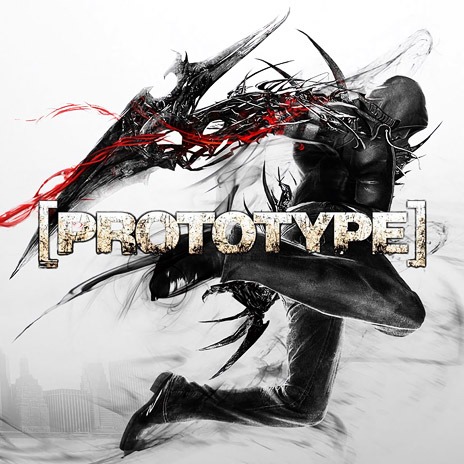
📅 Game released: 2009
Use this updated 2026 Prototype PC guide to check official Steam purchase and download options, compare the franchise bundle, review system requirements and Steam Deck support, and find practical Windows compatibility, resolution, and performance fixes for Alex Mercer’s original Manhattan adventure.
 By Editor Zero — independently researched, edited, and maintained.
Last updated: 28 October 2026
Last reviewed: 28 October 2026
Table of Contents
- Quick Summary
- Quick Facts
- Official PC Stores, Download & Installation
- Prototype Review
- Pros & Cons
- PC System Requirements
- Frequently Asked Questions
- Similar Games
Prototype (2009) Quick Summary
✔ Open-world action-adventure following Alex Mercer, an amnesiac shapeshifter searching for the truth behind his extraordinary abilities and a deadly viral outbreak spreading through Manhattan.
✔ Superhuman parkour, wall-running, enormous jumps, gliding, devastating biological weapons, disguises, military vehicle hijacking, and large-scale battles against Blackwatch forces and infected creatures define the action.
✔ Similar to The Incredible Hulk: Ultimate Destruction through its destructive superhuman combat, unrestricted urban traversal, powerful attacks, and open-world chaos; both games were developed by Radical Entertainment.
✔ The original Windows PC version remains available through Steam, either individually or in the Prototype Franchise Pack alongside Prototype 2 and its associated add-on.
✔ Modern Windows PCs can encounter launch crashes, unusual frame-rate drops, resolution limitations, and other legacy-engine issues; the unofficial PrototypeFix project offers several community-developed solutions.
✔ The original game is entirely single-player, with no campaign co-op, online multiplayer, or live-service progression. The later Prototype Biohazard Bundle is a separate console rerelease rather than a PC upgrade.
Prototype (2009) Quick Facts
Official PC Stores, Download & Installation
👇 Use the official Steam options below to purchase, download, and install Prototype, compare the original game with the franchise bundle, and understand the important ownership and compatibility differences.
- Official Windows PC store: Steam offers the original 2009 Windows version of Prototype as a standalone purchase. This is the verified official PC option for new buyers. No separate official Epic Games Store, GOG, or Microsoft PC purchase page was verified.
- Prototype Franchise Pack: Steam also sells a franchise bundle containing Prototype, Prototype 2, and the Prototype 2 RADNET Access Pack. The original game is complete without buying the sequel or its add-on. Compare the bundle against purchasing the first game separately and check which items you already own.
- RADNET distinction: RADNET Access Pack belongs to Prototype 2, not the original Prototype. Activision confirms that RADNET is no longer a supported feature, so the franchise pack should not be purchased on the expectation of receiving an active RADNET online service.
- Biohazard Bundle: Activision also released the Prototype Biohazard Bundle for PS4 and Xbox One, containing updated versions of both games. That console package features improved presentation compared with the original releases, but it is not a native Windows remaster and does not upgrade a Steam installation.
- Steam installation: Purchase Prototype or confirm ownership in your Steam Library, select Install, choose a storage location, and allow Steam to download the game and complete any included prerequisite installation. Launch the game from Steam before applying community modifications so any initial problems can be identified.
- Offline single-player: Prototype does not use multiplayer servers for its campaign. After Steam installation and any required initial account or client setup, its single-player gameplay does not depend on an active online game service. Steam’s own offline-mode requirements still apply.
- Modern Windows compatibility: The original PC release was designed for Windows XP and Vista. Although it can run on newer Windows systems, successful installation does not guarantee trouble-free operation. Multi-core processor configurations, older DirectX components, HID input devices, and legacy graphics behavior may produce problems on particular PCs.
- Steam Deck: Valve classifies Prototype as Playable rather than Verified. This means users should allow for compatibility limitations or manual adjustments. The Steam Deck rating should not be interpreted as a guarantee of identical behavior across Proton versions, mods, or graphics settings.
- Community modifications: Prototype has no official Steam Workshop integration. Established community projects such as PrototypeFix can address several technical problems, but they are unofficial and should be installed only after checking compatibility with the installed game build. Back up files before replacing them.


Prototype (2009) Review
A thrilling superhuman sandbox whose inventive powers often outpace its missions and controls.
Prototype makes Manhattan feel small in the most entertaining way. Alex Mercer does not need a vehicle, a climbing route, or even much patience to cross it. He vaults traffic, runs straight up skyscrapers, launches himself over entire blocks, and turns his own body into weapons when something gets in the way. The appeal is having so few barriers between deciding to do something and doing it.
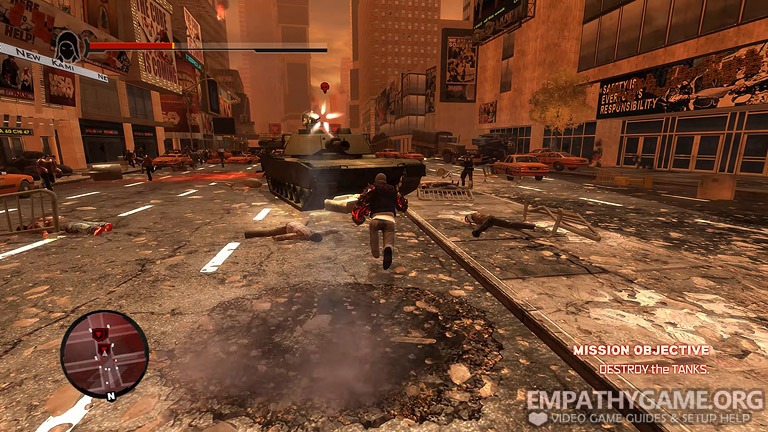
Radical Entertainment builds an unusually aggressive open-world action game around that freedom. Blackwatch troops, infected creatures, and armored vehicles can collide in a single street fight, while consumption gives Mercer health, disguises, and clues about his past. Yet the same game that makes crossing Manhattan effortless can make attacking one particular target surprisingly clumsy. Unreliable lock-on, lengthy attack animations, and objectives that punish improvisation create friction its movement rarely does. Prototype is consequently at its best for anyone who enjoys experimenting with an extravagant set of abilities and can tolerate the rougher encounters surrounding them.
Manhattan Is More Enjoyable to Cross Than to Explore
Most open worlds teach players a network of roads, shortcuts, and entrances. Prototype asks them to forget it. Holding sprint carries Mercer over parked cars and pedestrians and up the side of a building without interrupting his stride. A charged jump takes him above the roofs; Glide extends the flight; Air Dash corrects his direction or helps bridge another gap. Even a routine journey becomes a series of choices about launch points, gliding distance, and where to regain speed.
This movement can make a trip to a mission marker more enjoyable than the objective waiting there. It transforms escapes, too. When helicopters arrive or a military alert grows too dangerous, Mercer can climb out of a fight, cross several rooftops, break the enemy’s view, and reappear somewhere else. Combat and traversal feel like parts of the same system.
Freedom comes at the expense of finesse. Mercer’s leaps cover considerable distance, but controlling exactly where he lands can be harder than getting there. Overshooting a narrow rooftop or checkpoint is easy when a dash adds more momentum than expected. Beyond landmarks such as Central Park and Times Square, streets and building fronts blur together. Manhattan is better terrain for destruction than a city worth exploring closely.
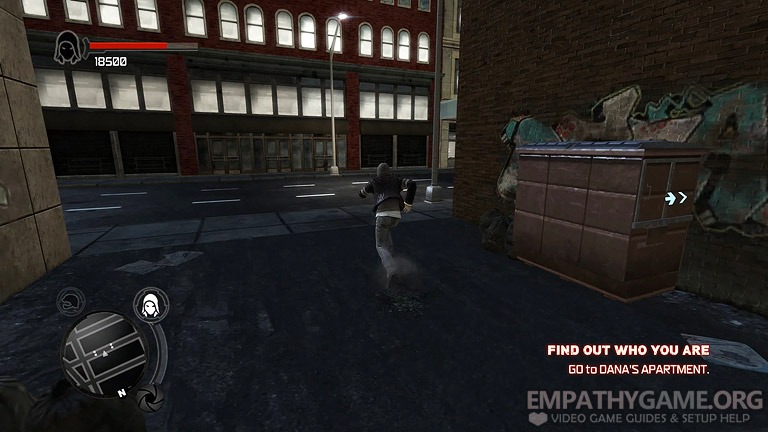
Shapeshifting Combat Has More Depth Than Its Spectacle Suggests
Mercer’s powers initially seem organized into obvious roles. Claws are quick and savage; Hammerfist crushes heavy targets; Whipfist reaches distant enemies; Blade delivers severe close-range damage. Shield preserves mobility, while Armor lets Mercer absorb more punishment at the cost of agility. Thrown cars, stolen weapons, and hijacked military vehicles widen the possibilities, although a reliable favorite such as Blade can make much of that arsenal seem unnecessary.
Experimentation reveals better distinctions. Claws’ Groundspike is not confined to carving up infantry; erupting spikes can punish armored targets as well. Hammerfist’s heavy blows can disrupt groups of weaker enemies rather than serving only as a tank-breaking tool. Whipfist offers a safer way to pressure a dangerous Hunter when approaching for a short-range combination would invite retaliation. They encourage decisions based on spacing and enemy behavior rather than damage alone.
Musclemass is an especially revealing alternative. Instead of giving Alex an obvious new blade or claw animation, it increases the force behind punches, throws, and several movement-based attacks. A Cannonball or Bulletdive Drop becomes more threatening when that extra strength is active, allowing momentum and the surrounding environment to do work that a repeated Blade combo might otherwise handle. Throwing a heavy object from a rooftop can also be a sensible response to a vehicle below. It encourages a style built around movement and environmental objects rather than a signature weapon.
But attacks are not as freely interchangeable as traversal suggests. Long combinations commit Alex to animations, and the end of Blade Frenzy can leave him exposed precisely when rockets or infected enemies are converging. Breaking off a combination with movement, where possible, is sometimes wiser than finishing it for damage. Groundspike and heavy Hammerfist blows also have recovery time that matters against aggressive opponents. Power matters less when an attack leaves no time to escape.
The camera and targeting system make that judgment harder. A lock-on intended for a helicopter or a Hunter can settle on a vehicle or nearby piece of scenery, while explosions, soldiers, civilians, and infected enemies compete for screen space. Mercer has the tools to handle almost anything, but selecting the correct tool and target under pressure is less dependable than the game’s bold presentation implies. The spectacle sometimes dissolves into button-heavy confusion.
Consumption Makes Stealth Useful Without Making It Deep
Consumption gives Prototype a more distinctive rhythm than simply defeating every enemy. Absorbing a person restores health; absorbing particular targets also provides information or access to a useful identity. A military disguise offers an alternative to attacking a guarded installation outright. He can enter as a soldier or commander, monitor suspicion, and find the right moment to consume a target.
It is satisfying to hide in plain sight among the troops hunting him. Patsy can redirect suspicion toward an unsuspecting soldier, and military disguises allow tactics that would be impossible while openly displaying biological weapons. An infiltration can become a rooftop escape once a detector exposes him.
Still, the system is better understood as a change of pace than as a full stealth game. Detection largely revolves around being watched, suspicious actions, and staying clear of surveillance equipment. Buildings offer little of the route planning found in dedicated stealth games, and overwhelming force is often quicker than maintaining a disguise. Consumption succeeds more consistently as a bridge between recovery, identity, and storytelling than as the basis of a sophisticated stealth simulation.
The Toughest Missions Fight Against the Sandbox
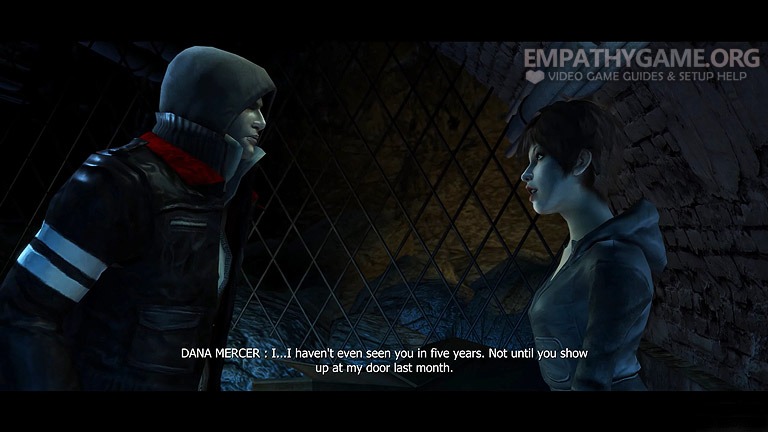
The campaign occasionally finds excellent uses for its overlapping systems. A military operation can shift from disguise to vehicle hijacking, then into an open fight against infected enemies that have interrupted the original plan. Destroying a Hive or striking a defended position creates satisfying opportunities to choose between direct biological attacks and commandeered military firepower. As the outbreak spreads, routine travel also becomes more hazardous.
Unfortunately, too many objectives rely on extending the same confrontation rather than making those choices more interesting. Target destruction, escort work, and base assaults recur, sometimes with additional enemies standing in for a new challenge. The Bloodtox pump defense is a telling example. Leader Hunters and Hydras converge on a stationary objective, so survival alone is not enough; Mercer has to draw threats away from equipment that cannot evade them. Keeping the pump intact demands target priority, not just personal survival.
That change in priorities is interesting, but the encounter exposes weaknesses in readability. Losing track of one dangerous enemy amid the chaos can cost the objective, and repeating a long stretch after a failed defense wears down the excitement of the spectacle. Boss battles likewise encourage evasion, recovery, and repeated safe attacks rather than improvisation. Difficulty would be more satisfying if Mercer were consistently challenged to use his freedom, not periodically forced to wrestle with the camera or checkpoint structure.
A Compelling Conspiracy Told in Uneven Fragments
Mercer’s story starts with a strong question: how did a man with missing memories become this dangerous, and why are Gentek and Blackwatch so determined to contain what is happening in Manhattan? His sister Dana, Gentek scientists, and the military become part of the investigation. The mystery has momentum, but Mercer remains emotionally distant: anger drives him while conversations mostly deliver the next lead.
The Web of Intrigue is one of the game’s more interesting narrative ideas. Consuming selected people unlocks brief memories that gradually connect researchers, operations, cover-ups, and personal histories. Finding a lead means tracking a living source and taking what that person knows, a fitting use of his biology.
There is a cost to that structure. Much of the context sits in fragments that are easy to overlook while following the main objectives. Someone who concentrates on the campaign can understand that a conspiracy exists without feeling certain how its individual revelations fit together. It rewards curiosity while leaving the main narrative less self-sufficient than it should be.
Manhattan’s atmosphere is more immediately effective than the character writing. Sirens, rotor noise, military gunfire, and the screams of infected creatures create the impression of a city losing control. Roadblocks reinforce the escalating outbreak, but muted textures, repetitive architecture, and passive civilians make it more convincing as a crisis zone than a living city.
Upgrades Reward Experimentation Until There Is Nothing Left to Buy
Evolution Points come from missions, combat, exploration, and optional Events, then buy improvements to movement, survivability, combat, and disguises. One upgrade can change multiple encounters: movement improves escapes, a new attack changes viable targets, and defense buys time under fire. Certain powers and vehicle skills are also tied to story progress or specific people Mercer must consume, so EP alone cannot unlock everything immediately.
Learning so many combinations can be an obstacle in itself. A player who develops a comfortable routine may ignore moves that would make a particular situation easier. The system is strongest when it encourages reconsidering that routine: using Musclemass and thrown objects against armor, switching to Whipfist for reach, or abandoning an exposed melee combination before retaliation arrives.
The progression economy has a natural endpoint. Once every available upgrade has been purchased, missions and side activities can keep awarding EP without giving those points another meaningful purpose. The sandbox remains entertaining for its own sake, but the steady promise of becoming stronger disappears. That removes a powerful reason to experiment.
Optional Challenges Reveal a Different Kind of Mastery
Landmark and Hint collectibles, Web of Intrigue targets, combat Events, movement courses, and gliding tests give the city more to offer between missions. Collectibles rarely reveal surprising places, while combat challenges can recycle familiar fights. Movement Events are more interesting because they ask players to use a free-form traversal system with unusual precision.
Higher medal targets, particularly Platinum, are not simply about moving as fast as possible. A route may require an early Air Dash, a sharp turn, and a burst of speed instead of a glide. A long, spectacular jump is worthless if it overshoots a checkpoint. They demand a precision that the campaign seldom requires.
Continued free roam and New Game+ extend the appeal of an upgraded Mercer, but repeating the story is not entirely unrestricted. Some tutorials and story-gated abilities still interrupt the fantasy of beginning again with complete freedom, even when the underlying mechanics are already familiar. A second campaign does not substantially change the story; replay value comes from unfamiliar powers, greater difficulty, medals, and free movement.
Final Verdict
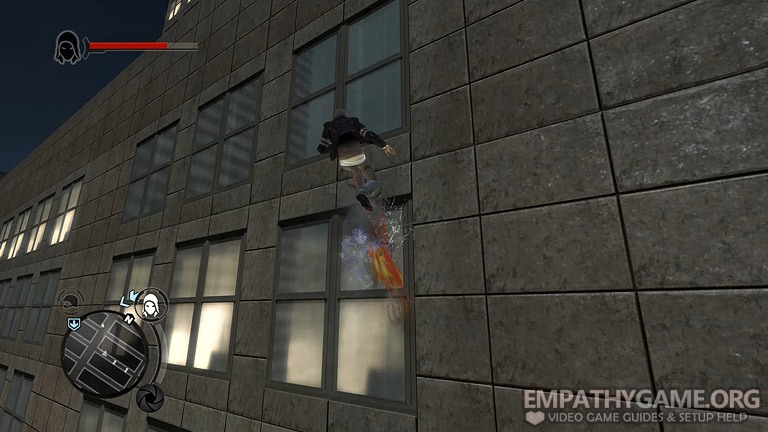
Prototype understands something that many open-world action games miss: movement itself can be the reward. Sprinting up a skyscraper, leaping from its roof, and landing in the middle of an unexpected battle remains exciting because Mercer’s abilities make the whole city accessible. Combat has more variety than its most familiar attacks initially suggest, especially when alternative powers, throws, and aerial attacks are used to solve different problems. Consumption adds a clever connection between fighting, disguise, recovery, and discovering the story.
Combat lacks traversal’s responsiveness, especially when the screen becomes crowded. Protect-the-objective missions and drawn-out bosses can punish players for problems they cannot read clearly. The conspiracy is fragmented, while repeated campaigns expose compulsory tutorials and the endgame can run out of meaningful rewards. Manhattan is also a better obstacle course than a convincing living city.
Those limitations do not erase what makes the game distinctive. Anyone seeking careful stealth, nuanced character drama, or polished, tightly designed encounters may tire of its chaos. For players who enjoy fast traversal, outrageous combat possibilities, and discovering unexpected ways to apply an overpowered moveset, it still has a strong identity. Prototype works best when it allows Mercer to make his own trouble and gives him enough freedom to escape it.
Prototype (2009) Pros & Cons
Prototype (2009) PC System Requirements
The following minimum specifications come from the original Windows PC release information published on Steam. They describe the game’s historical hardware requirements, not officially validated performance targets for Windows 10, Windows 11, Steam Deck, or contemporary high-resolution displays.
OFFICIAL WINDOWS PC REQUIREMENTS:
MINIMUM:
OS: Windows XP with Service Pack 3 or Windows Vista
CPU: Intel Core 2 Duo 2.6 GHz or AMD Athlon 64 X2 4000+ or better
RAM: 1 GB (Windows XP) / 2 GB (Windows Vista)
GPU: NVIDIA GeForce 7800 GT 256 MB or ATI Radeon X1800 256 MB, or a better supported chipset
DirectX: DirectX 9.0c
Storage: 8 GB of available drive space
Sound Card: DirectX 9.0c-compatible sound card
RECOMMENDED:
Activision’s current Steam listing does not publish a separate official recommended PC hardware tier for the original game. Higher-performance modern configurations should not be treated as officially certified without additional game-specific testing.
Additional PC Performance and Setup Notes
Windows 10 and Windows 11: The historical requirements above list Windows XP and Vista because those were the supported operating systems when Prototype launched. Steam itself requires a newer supported Windows installation. The original game’s processor and graphics compatibility issues can still occur on powerful hardware, so meeting or greatly exceeding the old specifications does not necessarily prevent crashes or slowdowns.
Recommended community compatibility project: PrototypeFix by emoose is an unofficial mod specifically developed to address technical problems in the original PC game. Its available fixes include excessive CPU-thread creation, HID-device polling, certain save-loading crashes, resolution limitations, graphics issues, and optional frame-rate behavior adjustments.
How to install PrototypeFix:
- Install Prototype through Steam and start it once without community modifications, if possible. Exit the game before making changes.
- Open Steam Library, right-click Prototype, choose Properties or Manage as appropriate, and use Browse local files to locate the game’s installation directory containing
prototypef.exe. - Visit the original PrototypeFix files page. Read the author’s compatibility notes and select the package intended for the installed game version.
- Back up any files that the mod would replace, then extract the selected package into the game directory beside
prototypef.exe, following the author’s instructions. - For the package that includes
ApplyGameLaunchFix.bat, run that file as instructed by the creator. Reviewprototype_fix.inibefore launching the game. - Start Prototype normally through Steam. Test loading, movement, camera controls, and graphics before introducing additional modifications.
Compatibility warning: PrototypeFix has received updates intended to support the revised Steam game files, but PCGamingWiki also documents reported problems with some combinations. Its installation should therefore be treated as an optional community workaround, not an official Activision patch or a guaranteed solution. If problems begin after installing it, restore the backed-up files and verify the game installation through Steam.
Resolution and widescreen support: The original PC version has native 16:9 widescreen rendering, although some modern GPUs and displays may not expose the desired resolution properly. This differs from a game that only supports 4:3 output. PrototypeFix incorporates resolution adjustments and field-of-view corrections that can help with newer displays.
For PrototypeFix configurations that expose the CustomResolution setting, open prototype_fix.ini and configure the desired display resolution according to the author’s instructions. The fix can use the display’s native resolution by default. If fullscreen selection remains problematic, PCGamingWiki documents a windowed launch argument and the BorderlessWindow option as possible workarounds. These settings should be tested against the installed build rather than assumed to work universally.
Low frame rate and multi-core crashes: Some systems experience unexpectedly poor performance because the old engine polls numerous input devices or creates too many CPU-related worker threads. PrototypeFix includes corresponding options such as DInputKeyboardMouseOnly and CPUThreadCountFix. Prefer testing these targeted fixes before experimenting with system-wide CPU affinity or device-disabling changes.
Frame-rate behavior: Higher displayed frame rates do not automatically mean every part of Prototype’s simulation or mouse input updates at the same rate. Its older internal timing can produce repeated frames, mouse irregularities, or difficulties with rapidly repeated interaction inputs. Test a stable frame-rate limit first, and only enable optional timing adjustments after reviewing the mod author’s guidance.
Save-file backup: The original Windows game normally stores its profile and save data under the user’s Documents\Prototype directory. Back up the relevant files before experimenting with major fixes, replacing installations, or modifying the game’s configuration.
Official Trailer
Note: This official Activision promotional video introduces Alex Mercer’s shapeshifting abilities and the destructive tone of Prototype. The written guide above provides the additional Steam ownership, system requirements, and modern-PC setup information needed beyond the original presentation.
Frequently Asked Questions
Is Prototype (2009) worth playing in 2026?
Yes, especially if you enjoy open-world action games built around powerful abilities, fast traversal, and chaotic combat. Alex Mercer’s movement and shapeshifting remain distinctive, although repetitive missions, dated presentation, and potential PC compatibility issues make the experience less polished than newer action games.
Should I play Prototype before Prototype 2?
Playing the original first is recommended because Prototype 2 continues the same fictional universe and builds on events introduced through Alex Mercer’s story. The sequel follows a different protagonist, James Heller, and changes several combat and progression systems. Both games are playable independently, but starting with Prototype provides better narrative context.
What happens when Alex Mercer consumes someone in Prototype?
Consuming a target restores health and allows Alex to assume the appearance of certain victims as a disguise. Specific soldiers can provide military knowledge or weapon and vehicle training, while designated Web of Intrigue targets reveal memories connected to the game’s conspiracy. Ordinary civilians do not all provide unique story information.
How do you restore health during combat?
Consuming nearby humans or infected enemies is the main way to recover health quickly. Health-related upgrades improve Alex’s survivability, while staying mobile and temporarily escaping combat can create opportunities to recover. Against dangerous opponents such as Hunters or military vehicles, it is often safer to retreat and consume weaker enemies than remain exposed.
How do you lose the military alert level in Prototype?
Break the military’s line of sight by escaping around buildings, moving through alleys, or reaching an area where nobody can see Alex. Watch the disguise HUD: when the shutter closes and the Switch prompt becomes available, changing to an uncompromised form helps end pursuit. Switching disguises while enemies are watching will not reliably remove the alert.
How do military disguises and base infiltration work?
Alex can consume a soldier or commander and assume that person’s appearance to enter certain restricted military areas without immediately provoking an attack. Consuming a base commander can provide the access needed to enter a military base, where specialist personnel offer additional training. Suspicious behavior, exposed powers, and detection equipment can still compromise the disguise.
What do the Patsy and Artillery Strike abilities do?
Patsy allows Alex, while wearing a military disguise, to accuse another person of being an enemy, redirecting military attention toward that target. Artillery Strike lets him call military firepower against selected enemies or structures. These abilities provide alternatives to direct combat and must be unlocked through the appropriate progression or military training.
What is the Web of Intrigue in Prototype?
The Web of Intrigue is a collection of memories obtained by consuming designated people throughout Manhattan. Each target reveals a fragment of the wider conspiracy involving Alex Mercer, the military, and the outbreak. The Web menu allows previously collected memories to be revisited and their connections examined.
Do you need to complete the entire Web of Intrigue to finish Prototype?
No. The Web of Intrigue includes optional targets that expand the background story beyond what the main campaign reveals. Collecting more memories provides additional context and rewards players interested in uncovering the conspiracy, but completing every Web node is not required to reach the main ending.
How do Evolution Points and upgrades work in Prototype?
Evolution Points (EP) are earned through missions, optional events, combat, consumption, and other activities. Spend them in the Upgrades menu to improve movement, combat, survivability, disguises, weapons, and vehicle-related abilities. Upgrades are purchased rather than assigned through a conventional character-level system, so deciding where to spend EP is an important part of progression.
Why are some powers and upgrades unavailable in Prototype?
Certain upgrades require an earlier ability to be purchased, while others remain unavailable until a specific story mission has been completed. The Upgrades menu distinguishes purchased, available, and locked stages. If an ability is missing despite having enough EP, check its prerequisites or continue the campaign.
Which upgrades should beginners prioritize in Prototype?
Movement and survivability upgrades are strong early investments because sprinting, jumping, gliding, and recovering health affect almost every encounter. Stealth Consume is also useful for infiltration, while Hammerfist and improved throwing abilities help against armored vehicles. Experiment with the available powers before committing most of your EP to expensive combat upgrades.
Is Shield or Armor better in Prototype?
Shield is generally better for mobile combat because it provides protection without heavily restricting Alex’s movement, although repeated damage can break it. Armor provides stronger physical protection but limits agility and prevents actions such as gliding. Shield suits evasive fighting, while Armor is more useful when surviving direct attacks matters more than mobility.
How do Critical Mass and Devastator attacks work?
Critical Mass is reached when consumption pushes Alex’s health beyond its normal maximum into the additional health zone. This enables powerful Devastator attacks, including Groundspike Graveyard, Tendril Barrage, and Critical Pain when their respective abilities are unlocked. These attacks are especially useful against groups of enemies and powerful targets, but using them requires the appropriate health reserve.
Can Alex Mercer drive tanks and pilot helicopters?
Yes. Alex can hijack military tanks and helicopters after acquiring the necessary abilities and training through story progression or military infiltration. Vehicles provide different weapons and tactical advantages, particularly against heavily defended targets. They are optional tools rather than replacements for Alex’s superhuman movement and combat abilities.
What happens when you destroy an Infected Hive or military base?
Destroying an Infected Hive temporarily reduces infected activity associated with that location, while destroying a military base temporarily suppresses the military’s ability to deploy certain reinforcements. Both activities award Evolution Points. Their effects are temporary rather than a permanent conquest system that removes the opposing faction from Manhattan.
What are Events in Prototype, and are they required?
Events are optional challenges involving movement, gliding, combat, military operations, or consuming designated targets. They reward Evolution Points and often encourage players to practice specific abilities or improve their performance. They are not necessary to complete the main campaign, but provide additional progression and replay value.
How many Landmark and Hint collectibles are in Prototype?
The original game contains 200 Landmark collectibles and 50 Hint collectibles scattered throughout Manhattan. Landmarks reward exploration, while Hints provide gameplay information and additional collection rewards. Neither collection must be completed to finish the campaign.
Can you keep exploring Manhattan after completing Prototype?
Yes. Finishing the main story unlocks continued free-roam play, allowing Alex to explore Manhattan, pursue optional events, collect remaining items, and develop his abilities further. You do not need to restart the campaign simply to continue using the open-world sandbox.
Does Prototype have New Game Plus?
Yes. New Game+ lets you replay the campaign with previously acquired powers, upgrades, and Web of Intrigue progress rather than rebuilding Alex from the beginning. The available New Game+ difficulty options depend on the difficulty already completed, and certain story-specific abilities or interactions may still require their associated missions.
How do you unlock Hard difficulty in Prototype?
Complete the main story on Normal difficulty to unlock Hard mode. Hard increases the challenge of combat encounters, making movement, target prioritization, and defensive abilities more important. Players looking for a tougher second playthrough should also distinguish a fresh Hard game from the difficulty-specific New Game+ options.
Can you replay completed story missions in Prototype?
Yes. The pause menu includes an option to replay previous missions, separate from the New Game+ feature. This allows players to revisit individual encounters without necessarily restarting the entire campaign. Use the menu’s mission and checkpoint options carefully so you do not confuse replaying a mission with abandoning your current objective.
How long does it take to beat Prototype?
A main-story playthrough usually takes approximately 10–15 hours, depending on difficulty and how much time is spent exploring or purchasing upgrades. Completing optional events, finding collectibles, and filling out the Web of Intrigue can extend the experience to roughly 25–35 hours or longer.
Does Prototype support multiplayer, co-op, or split-screen?
No. The original Prototype is a single-player game and does not include online multiplayer, campaign co-op, local split-screen, or LAN play. There is also no official cross-play functionality because the game has no multiplayer mode.
Can you play Prototype on PC with an Xbox or PlayStation controller?
Yes. The original PC game supports Xbox 360-style XInput controllers as well as keyboard and mouse controls. Modern Xbox-compatible controllers are usually the simplest option, while PlayStation controllers may require appropriate Steam Input configuration or another compatible input translation method. If the controller is not recognized, check Steam’s controller settings and the game’s selected input device.
Does Prototype autosave, or should you save manually?
Prototype supports automatic saving, but the PC version also provides a manual Save option in the pause menu. Saving manually before leaving a long play session or experimenting with modifications is a sensible precaution. Use separate save slots when possible so that a damaged or overwritten save does not eliminate all your progress.
Does Prototype have Steam achievements?
No. The original Prototype Steam release does not provide Steam achievements, even though achievements and trophies exist in certain console versions. Its optional challenges, statistics, collectibles, and in-game completion objectives are separate from Steam’s achievement system.
Still have questions? Check the Prototype Reddit community, Prototype Steam Discussions, or Activision Support for additional gameplay questions, troubleshooting discussions, and official support information.
Sources & References
Key factual and technical information in this guide was checked against relevant official and community sources, including:
- Prototype on Steam — official Windows PC availability, franchise bundle, minimum hardware specifications, Steam features, and user reception.
- Activision’s Prototype Release Announcement — original game identity, developer, publisher, initial release, and gameplay premise.
- Activision: Prototype Biohazard Bundle — official confirmation of the later PS4 and Xbox One package and its distinction from the original PC edition.
- PCGamingWiki: Prototype — community-documented Windows compatibility issues, DirectX behavior, save locations, resolution support, and technical workarounds.
- PrototypeFix by emoose — original community project, supported corrections, downloadable package, and installation instructions.
Similar Games Like Prototype
- The Incredible Hulk: Ultimate Destruction
- Spider-Man: Web of Shadows
- Spider-Man 2
- Batman: Arkham City
- Ultimate Spider-Man
- Dying Light






Found something worth playing through DecideGame?
DecideGame.com is an independent gaming project run by Editor Zero. If this guide helped you discover a game, solve a problem, or find useful information, you can support DecideGame.com and help keep new and updated game guides coming.
DecideGame — PC Game Guides, Reviews & Setup Help