
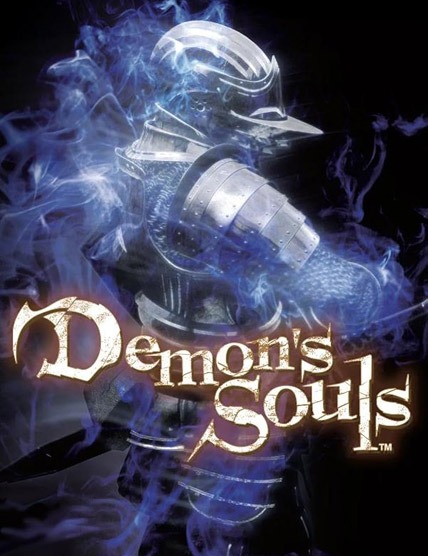
📅 Game released: 2009
Demon’s Souls (2009) sends a lone warrior into the ruined kingdom of Boletaria, where deliberate combat, dangerous shortcuts, lost souls, and shifting World Tendency make every expedition matter. This PC guide explains the original PS3 game’s official download status and how to use RPCS3 with a lawfully obtained copy, Sony PS3 firmware, controller settings, emulator-specific graphics options, and realistic PC system requirements.
 By Editor Zero — independently researched, edited, and maintained.
Last updated: 16 November 2026
Last reviewed: 16 November 2026
Table of Contents
- Quick Facts
- Official PC Stores, Download & Installation
- Demon’s Souls Review
- Pros & Cons
- PC System Requirements
- Frequently Asked Questions
- Similar Games
Demon’s Souls (2009) Quick Facts
- Game: Demon’s Souls (2009) — original PS3 release; distinct from the 2020 PS5 remake
- Developer: FromSoftware, in collaboration with Sony’s Japan Studio
- Publisher: Sony Computer Entertainment (Japan); Atlus (North America); Namco Bandai Games (Europe)
- Genre: Action RPG, Soulslike, Fantasy
- Release: February 5, 2009 (Japan, PS3); October 6, 2009 (North America); June 25, 2010 (Europe); no native Windows PC release
- Platforms: PS3 (original); PS5 (separate 2020 remake)
- Best PC Emulation Route: Original PS3 version through RPCS3 using a legally prepared personal game backup
- Modes: Single-player; original online co-op, invasions, messages, and bloodstains were supported before the official PS3 service shutdown
- Original Online Service: Official PS3 servers closed February 28, 2018; optional unofficial RPCS3 community connectivity requires separate setup
- Engine: FromSoftware proprietary technology; no reliably confirmed public engine name for the original release
- Community: RPCS3 Demon’s Souls Wiki, Demon’s Souls Reddit Community
- PC modding: No official Windows mod support; unofficial RPCS3 game patches and compatible community visual modifications are available
- Metacritic score: 89/100 (original PS3 game)
- IGN score: 9.4/10 (original PS3 game, 2009 review)
Official PC Store Status, Download & Installation
👇 Demon’s Souls (2009) has no official Windows game download. Use the ownership and RPCS3 instructions below to set up your own PS3 copy safely, without confusing the original game with its separately sold PS5 remake.
- Original PC availability: FromSoftware and Atlus identify the 2009 release as a PS3 game. There is no official Windows edition on Steam, Epic Games Store, GOG, or Microsoft Store, and RPCS3 does not supply a game license or game data.
- Original versus remake: Demon’s Souls on PS5 is the separate 2020 remake by Bluepoint Games. Buying that version does not provide the 2009 PS3 game files or a Windows license. This guide covers the original PS3 release only.
- Game ownership: Use a legitimately acquired original PS3 disc or an eligible previously purchased digital PS3 copy. A used physical copy can be a practical way to own the original, but secondhand availability and the PS3 digital storefront vary; do not assume a new official digital purchase is possible in every region.
- Download RPCS3: Get the Windows emulator from the official RPCS3 download page. Follow its official Quickstart, extract or install the Windows build as instructed, and install the Microsoft Visual C++ runtime if the emulator requests it. Do not obtain the emulator from game-download bundles.
- Install Sony firmware: Download Sony’s authentic PS3 system software file,
PS3UPDAT.PUP, from official PlayStation support. Open RPCS3, select File > Install Firmware, and choose that file. This publicly distributed system update is separate from the copyrighted game. - Prepare your disc backup: Follow RPCS3’s official guide to dumping PS3 games. Its supported approaches include copying your own disc from a compatible PS3 environment or using a compatible PC Blu-ray drive with the required disc-reading/decryption procedure. An ordinary DVD drive or an arbitrary Blu-ray drive is not sufficient. Check the guide’s compatibility list before obtaining hardware.
- Previously owned digital copies: RPCS3 documents a separate process for transferring a legitimately owned PSN game’s package and associated license data from the owner’s PS3. Use the exact official dumping instructions and account entitlements; do not substitute someone else’s PKG, license file, or game archive.
- Load Demon’s Souls: Once you have a valid, properly prepared personal backup, use RPCS3’s File > Add Games for the extracted disc-game directory or the applicable installation option for your own digital copy. Select the detected Demon’s Souls title in the RPCS3 game list to start it. Keep the game ID and region matched to your backup.
- Configure controls: Under RPCS3’s Pads settings, choose your connected controller and verify movement, camera, lock-on, dodge, attack, shield, and item controls before entering Boletaria. A modern Xbox, PlayStation, or other supported controller is the most straightforward route; keyboard mapping is possible but less natural for the original design.
- Game-specific graphics: Begin with RPCS3 defaults and its Vulkan renderer when supported. The RPCS3 game wiki specifically recommends enabling Write Color Buffers to correct missing graphics and keeping SPU Block Size at Safe. If you raise the rendering resolution, its documented Resolution Scale Threshold of 640 × 640 helps the depth-of-field effect scale properly.
- Optional FPS patches: Right-click Demon’s Souls in RPCS3 and use Manage Game Patches to inspect the community Unlock FPS, Skip Intro Videos, or Disable Motion Blur patches documented for this game. Use only patches that match your game ID and build; higher frame rates depend on your hardware and may affect certain shortcuts or timing. First establish a working unmodified configuration.
- Online and saved progress: The original official PS3 servers closed in 2018. Offline single-player is playable without them; optional RPCN/private-server functionality is community-run, version-dependent, and not the same service as the PS5 remake. Back up your RPCS3 save data before experimenting with patches, mods, or major configuration changes. Local law on game backups can differ by country.
 Download RPCS3 from the Official Emulator Website
Get Official PS3 System Firmware from PlayStation
 View the Original Demon’s Souls at FromSoftware

Demon’s Souls (2009) Review
A harsh, absorbing fantasy adventure where understanding the world matters more than confidence.
Demon’s Souls makes a small piece of progress feel important. Finding a lift, opening a gate, or learning when it is safe to cross a dragon’s bridge can be more satisfying than defeating the enemy waiting beyond it. Set in the fog-covered kingdom of Boletaria, FromSoftware’s dark-fantasy RPG sends players from the quiet Nexus into five threatening regions. Combat is deliberate, exploration is uneasy, and mistakes can be expensive. What makes the game interesting is that its difficulty rarely comes from fighting alone. Preparation and knowing when to retreat matter just as much. Not every harsh rule, however, creates a worthwhile challenge.
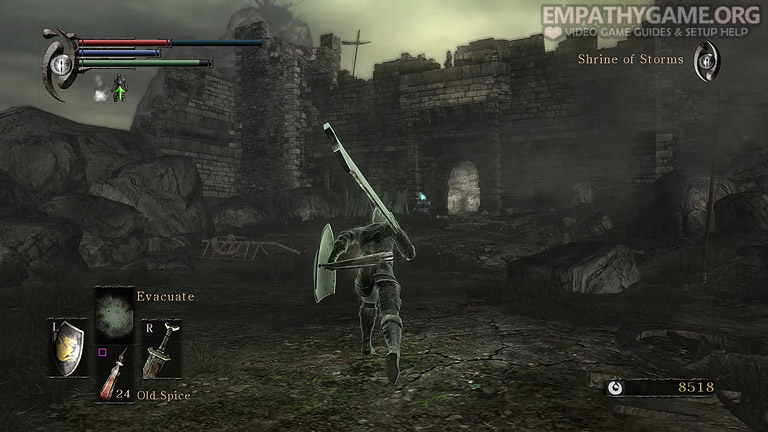
Five Worlds That Demand Different Kinds of Attention
The Nexus connects to the kingdom through Archstones rather than one continuous map. Boletarian Palace feels like a fortress under siege, full of soldiers, ambushes, and an exposed bridge watched by a dragon. Stonefang Tunnel punishes familiar weapons with resistant miners and walls that interrupt wide swings. Tower of Latria trades open confrontation for prison cells, locked doors, and the sound of Mind Flayers approaching somewhere out of sight. Shrine of Storms moves faster, while the Valley of Defilement makes poison, cramped paths, and difficult footing threats in their own right.
A solution learned in one region may fail in another. A shield can make the palace soldiers manageable, yet it does little for a sword bouncing off a mine wall. A bow may solve a corridor that seems impossible at close range. An especially difficult Archstone can be abandoned for another, though the game rarely explains which route is more forgiving.
Shortcuts are where this structure becomes most satisfying. A gate unlocked from the far side or a newly activated lift can remove an exhausting sequence of enemies from the next attempt. The layout stays the same; its difficulty does not. Unfortunately, not every difficult stretch has an equally useful shortcut. A boss may still require a long journey through opponents whose patterns are already understood. Repeating that journey after the real challenge has moved elsewhere can turn careful exploration into routine work.
Combat Is About Commitment, Not Constant Aggression
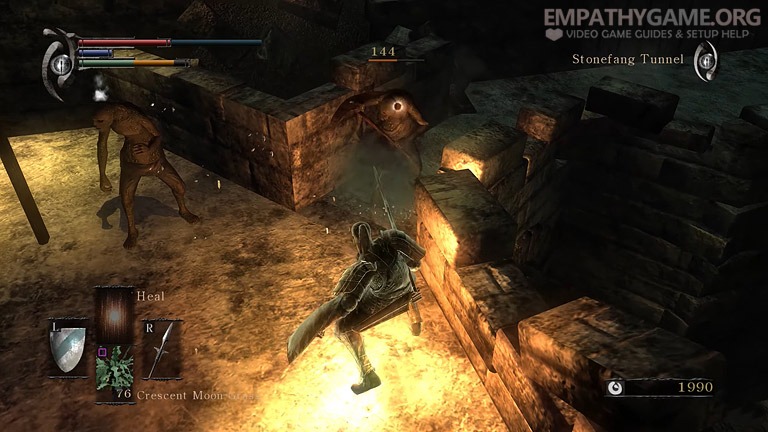
Stamina governs attacking, blocking, rolling, and sprinting. An extra swing can prevent a timely dodge, while continuous guarding slows recovery. This creates a slower rhythm than many modern action RPGs. Waiting for an opening and recovering between attacks usually works better than aggression. Weapons also serve different purposes. A heavy two-handed strike can break through defences, while piercing damage or magic may work better against Stonefang’s resistant miners.
Even a defensive build involves trade-offs. Spears are particularly interesting because certain thrusts can be performed without dropping a raised shield. That makes the combination useful in tight spaces, especially when approaching an enemy feels risky. But maintaining guard slows recovery, and a depleted stamina bar leaves the character exposed. Protection helps most when it is managed rather than treated as permanent safety.
Equipment burden adds another decision. Heavy armour protects, but exceeding the burden threshold makes rolling sluggish. Lighter equipment can therefore keep a character alive more effectively than another layer of defence. The controls complicate that choice. Rolling while locked on is restricted to four directions, and the camera can struggle near walls or ledges. There is an important difference between dying because an attack was mistimed and dying because the intended escape direction was unavailable.
The Best Encounters Reward Understanding, Not More Damage
Some encounters only make sense once their underlying rules are understood. In Shrine of Storms, airborne Storm Beasts can harass characters already busy with skeletons. Equipping the Thief’s Ring reduces enemy awareness and can make those exposed stretches substantially easier to navigate. Here, stealth can matter more than damage.
The same region contains shadowy enemies that return while a nearby Reaper remains alive. Trying to defeat every shadow individually turns the encounter into a draining cycle. Finding the Reaper changes the task from surviving another exchange to reaching the right target. Demon’s Souls is particularly effective when it lets knowledge replace brute force this way.
Bosses explore the same idea with uneven success. Phalanx rewards dismantling a protective formation before attacking its vulnerable centre. Tower Knight seems overwhelming until positioning reveals a manageable pattern. Flamelurker asks for quicker reactions and more careful control of distance. Their different demands give the campaign variety. Yet some spectacle-driven or gimmick bosses lose most of their interest once their intended solution is known. Difficulty alone is not what makes a boss worth fighting twice.
Death Changes How Every Decision Feels
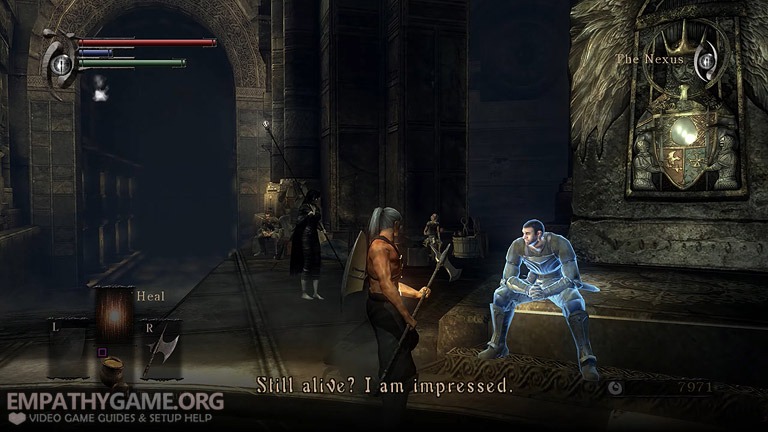
Souls are both money and character progression. Die, and the unspent amount remains at a bloodstain; die again before recovering it, and those souls are lost. That simple rule can make the walk back through a familiar area surprisingly tense. The risk of losing an earlier reward changes the meaning of familiar enemies. Sometimes recovering a bloodstain is more satisfying than collecting fresh souls, precisely because it means rescuing something that was nearly gone.
There are consequences beyond lost currency. Dying in Body Form returns the character to Soul Form, reducing maximum health unless equipment such as the Cling Ring offsets part of the penalty. A Body Form death within a region can also shift its World Tendency toward Black, potentially increasing the danger there. Failure thus affects not only the next attempt but the conditions under which later attempts happen. The problem is not that these systems exist. It is how little the game explains their relationship before a newcomer has already been affected by them.
Healing grass introduces a different kind of pressure. Because healing items are consumed rather than automatically replenished at a checkpoint, their supply can become something to worry about long before it is genuinely scarce. Keeping stronger varieties untouched for a future boss may lead to repeated farming of safer early areas. That grinding often comes from anxiety rather than necessity. At the opposite extreme, carrying plenty of grass allows repeated recovery during fights, so preparation can sometimes compensate for mistakes that a fixed healing allowance would not.
The separate Item Burden limit is less forgiving. Unlike equipment weight, it governs what can be carried in the inventory, including spare weapons and armour. Reaching a valuable treasure with too much equipment may mean being unable to collect it, and leaving an item behind before resetting the area can make it disappear. The Dragon Bone Smasher makes this especially painful after the World Tendency effort required to reach it. Stockpile Thomas can store equipment in the Nexus, but that only helps if space was cleared before the expedition. It is a severe penalty for carrying too much equipment.
Boletaria Tells Its Story Through Places and People
King Allant’s use of forbidden Soul Arts has brought ruin to Boletaria and awakened the Old One. Beyond that premise, the narrative is restrained. The Maiden in Black offers a calm presence in the Nexus, while Stockpile Thomas gives the disaster a more personal scale through his memories of loss. The kingdom’s history emerges through item descriptions, brief conversations, and ruined locations. That makes discovery feel meaningful, although important context can remain hidden from anyone who does not examine the details.
The atmosphere is strongest when the game gives sound and architecture room to work. Boletarian Palace still resembles a place designed to defend a kingdom. Tower of Latria feels as though its prison has become the entire purpose of the building, with metallic footsteps and distant cries giving shape to threats that cannot yet be seen. The Valley of Defilement is deliberately unpleasant; its polluted water and constricted routes make progress feel exhausting. Exploration frequently unfolds without music, letting isolated sounds carry the tension. Character animation and textures reveal the game’s age, but the places themselves remain remarkably expressive.
Even NPC stories reflect the world’s indifference. Rescuing Ostrava from danger in Boletarian Palace does not guarantee that he will be safe afterward. He can continue moving through hostile areas and be killed by ordinary enemies, potentially disrupting his questline without a dramatic scene announcing what happened. That vulnerability makes Boletaria convincing, but losing a storyline through an unseen event is frustrating.
Build Freedom Comes With Decisions That Are Hard to Reverse
Classes such as Royalty and Temple Knight determine starting equipment and attributes rather than permanent roles. After defeating Phalanx and unlocking levelling through the Maiden in Black, earned souls can improve Strength, Dexterity, Endurance, Magic, and other statistics. A heavily armoured fighter can gradually adopt spellcasting, while a fragile early mage can invest in weapon skills. Requirements and attribute scaling still punish unfocused investment.
Weapon upgrades deserve just as much attention as levels. Blacksmith Ed enables specialised upgrade paths, while boss souls create a choice between immediate resources and particular weapons or spells. Scarcity makes choices lasting. Crystal Lizards provide certain rare upgrade stones, but their appearances are limited within a playthrough. Missing an opportunity or spending valuable materials on an experimental weapon can leave another choice difficult to complete. Experimentation is encouraged by the number of possibilities, yet the game does not always supply enough materials to explore them freely.
World Tendency deepens that tension between discovery and uncertainty. Each Archstone region can move toward White or Black conditions, changing enemy danger, rewards, and access to particular events. Character Tendency tracks something different. These systems make the world feel reactive, with hidden paths or encounters rewarding careful exploration and different decisions across playthroughs. The weakness is their opacity. Discovering a new route because of something done earlier is exciting; finding out that an unexplained tendency change has closed another one is considerably less satisfying.
Multiplayer and New Game Plus Give Familiar Places New Meaning
The original online design introduced other people without removing the sense of isolation. Warning messages, bloodstains showing another adventurer’s death, cooperative Blue Phantoms, and hostile invasions could change how a familiar passage was approached. The Old Monk in Tower of Latria could even summon someone who had offered assistance in the area to serve as its boss. A cooperative intention became an adversarial role, adding unpredictability beyond scripted behaviour.
New Game Plus retains much of a character’s progression while making enemies substantially stronger. Alternative builds, missed NPC events, and different World Tendency outcomes provide reasons to revisit the five regions. Higher damage also punishes builds reliant on absorbing hits. Still, replaying the same spaces is more appealing when there is a new approach to try. Anyone returning mainly in search of another large chapter of story will find less variety than the depth of the systems might suggest.
Final Verdict
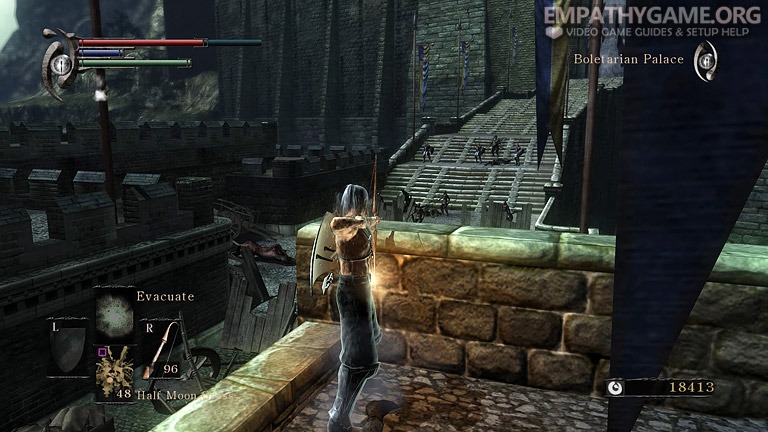
Demon’s Souls is most convincing when a place that once seemed impossible becomes manageable because something has finally been understood. A shortcut removes a dangerous route, a ring alters enemy behaviour, or another weapon changes a fight. Its five regions are distinct, its atmosphere is unusually patient, and its best encounters respect observation as much as reflexes.
But not every punishment supports that achievement. Long boss runbacks outstay their purpose, the four-direction lock-on roll can make failure feel arbitrary, and Item Burden, scarce upgrade materials, and World Tendency sometimes demand knowledge the game has barely offered. Those are substantial barriers, not qualities that automatically become virtues because the game is difficult. Players who enjoy investigating hostile environments and learning from costly decisions have good reasons to appreciate Boletaria. Those who prefer fluid controls, generous checkpoints, or more transparent progression may reasonably look elsewhere.
Demon’s Souls (2009) Pros & Cons
- Pro: Memorable, interconnected PS3-era stages with shortcuts that reward careful exploration.
- Pro: Methodical melee, ranged, and magic combat with meaningful character-build choices.
- Pro: Distinctive Boletaria atmosphere, enemy placement, and inventive boss encounters.
- Pro: RPCS3 provides a documented way to play an owned PS3 copy with sharper internal rendering and optional community patches.
- Con: Long boss runbacks, limited checkpoints, and unforgiving soul loss can make repeated failure costly.
- Con: World Tendency rules and some upgrade paths are poorly explained within the game itself.
- Con: No native Windows edition; preparing a legal PS3 backup and configuring RPCS3 involves extra work.
- Con: The original official online service is gone, and emulator performance varies significantly with CPU and configuration.
Demon’s Souls (2009) PC System Requirements
No official native Windows system requirements exist for Demon’s Souls (2009), because the original game was released for PS3 only. The following are RPCS3 emulator host-PC guidelines, not system requirements published by FromSoftware or Sony for a Windows game.
RPCS3 BASELINE — EMULATOR FUNCTIONALITY (NOT A PLAYABLE-FPS GUARANTEE):
OS: 64-bit Windows 10 or Windows 11
CPU: 64-bit Intel or AMD processor; AVX2 support and at least 4 cores / 8 threads are strongly preferable to very old or low-thread-count CPUs
RAM: 8 GB practical starting point; additional memory is preferable
GPU: Graphics hardware compatible with RPCS3’s supported rendering backend; a properly supported Vulkan GPU is strongly preferred
Storage: Enough space for the emulator, PS3 firmware, shader/cache data, and your legally prepared Demon’s Souls backup; no official Windows game-size figure exists
Additional Software: Official PS3 system software (PS3UPDAT.PUP), current GPU drivers, and Microsoft Visual C++ runtime for the Windows RPCS3 build
RECOMMENDED PRACTICAL RPCS3 PC CONFIGURATION — EDITORIAL GUIDANCE:
OS: 64-bit Windows 11 or a supported, updated 64-bit Windows 10 installation
CPU: Modern 6-core / 12-thread or better desktop-class CPU, such as an AMD Ryzen Zen 3-generation model or a comparable Intel Core processor with AVX2 support
RAM: 16 GB dual-channel RAM or more
GPU: Modern discrete AMD or NVIDIA graphics card with actively supported Vulkan drivers; extra GPU headroom helps when increasing internal rendering resolution
Storage Type: SSD recommended for RPCS3, game data, and emulator caches
Controller: Supported gamepad recommended; keyboard bindings are configurable
Performance Target: No guaranteed FPS or resolution for every PC; begin with stable 720p-scale settings and test the real game before increasing resolution or enabling FPS patches
Additional PC Performance and Setup Notes
Use the Demon’s Souls profile, not generic PS3 advice. In RPCS3, right-click the game and create a game-specific configuration if you want to preserve normal defaults for other titles. The official RPCS3 Demon’s Souls page documents Write Color Buffers: On for missing in-game graphics, SPU Block Size: Safe for stability, and Resolution Scale Threshold: 640 × 640 when upscaling causes depth-of-field problems. Check that page again after an emulator upgrade because recommended settings may change.
Resolution and widescreen: The original PS3 game renders at 1280 × 720 with a native 16:9 presentation, so no generic 4:3-to-16:9 widescreen patch is needed. Increase RPCS3’s Resolution Scale only after establishing stable rendering. Higher internal resolution improves sharpness but does not turn the original into the Bluepoint PS5 remake. RPCS3 also documents possible gray HUD outlines during upscaling; its game wiki links to an optional community correction if that visual issue bothers you.
Frame rate and measurement: Start with the original game’s normal timing before trying the optional RPCS3 Unlock FPS patch. Demon’s Souls can output duplicate frames when running below its cap, meaning a simple FPS readout may not represent truly unique rendered frames. The game wiki explains this behavior; consistent movement and responsiveness matter more than a nominal number. Shader compilation can also cause some initial stutter, and results depend heavily on CPU capability.
Disc and online limitations: Prepare your own game backup with the RPCS3 dumping instructions; do not expect a normal PC Blu-ray/DVD drive to read and load a PS3 disc automatically. The complete solo campaign is the dependable starting point. For optional community-run multiplayer, consult the game’s RPCN compatibility notes and relevant private-server instructions separately; unofficial services can change and should not be confused with the closed original PlayStation service.
Official Trailer
Note: This original Atlus USA promotional trailer shows the 2009 PS3 game’s dark-fantasy setting and combat. The written guide above explains the separate Windows emulation route and the original release’s ownership limitations.
Frequently Asked Questions
How does World Tendency work in Demon’s Souls?
World Tendency changes the difficulty, enemy behavior, rewards, and certain events within each of the five worlds. White Tendency generally makes enemies easier and can unlock special areas or NPC encounters, while Black Tendency creates tougher enemies, better item-drop opportunities, and additional Black Phantom encounters. Each world has its own Tendency, so your actions in Boletarian Palace do not directly change Stonefang Tunnel or the other worlds.
Why do enemies become stronger after I die?
Dying in Body Form within a world shifts its World Tendency toward Black, which can make enemies more dangerous. Dying in Soul Form does not cause this shift. Players trying to preserve White World Tendency often return to Soul Form inside the Nexus after defeating a boss, because deaths there do not lower another world’s Tendency.
What is the difference between World Tendency and Character Tendency?
World Tendency affects individual areas, including enemy difficulty, special encounters, and access to certain locations. Character Tendency instead reflects particular actions involving NPCs and Black Phantoms, influencing Soul Form bonuses and access to specific rewards or characters. For example, defeating certain named Black Phantoms can move Character Tendency toward White, while killing friendly NPCs can move it toward Black.
Why is my health reduced to half after dying?
Death normally returns your character to Soul Form, reducing maximum HP to approximately 50% under neutral Tendency conditions. The Cling Ring, found early in Boletarian Palace (1-1), raises Soul Form health to approximately 75% under the same conditions. Defeating a boss or using a Stone of Ephemeral Eyes restores Body Form and full maximum HP, although World and Character Tendency can slightly change the Soul Form percentages.
What happens to my souls if I die twice?
When you die, your unspent souls are left at a bloodstain near the place of death. You can retrieve them by reaching and interacting with that bloodstain, but dying again before recovering them permanently removes those previously lost souls. Your weapons, armor, and other normal inventory items are not dropped when this happens.
Which starting class is best for beginners?
Royalty is a forgiving choice for players who prefer ranged magic because it starts with Soul Arrow and the Fragrant Ring, which gradually restores MP. Temple Knight is a strong alternative for melee-focused players, offering useful equipment and a healing miracle. Starting classes determine your initial equipment and statistics rather than permanently locking you into a particular build.
Why can’t I level up at the beginning of Demon’s Souls?
Character leveling becomes available after defeating Phalanx, the first main boss in Boletarian Palace (1-1), and speaking with the Monumental in the Nexus. Afterward, the Maiden in Black allows you to spend collected souls to increase your attributes. Until that point, improving equipment and learning enemy attack patterns are more important than trying to accumulate levels.
Is Demon’s Souls open world, and can I complete its worlds in any order?
Demon’s Souls uses five separate worlds connected through the Nexus rather than one continuous open-world map. After defeating Phalanx, you can explore their available starting areas in different orders, allowing you to leave a difficult location and try another. Some later sections remain progression-gated, so complete freedom across every area is not available immediately.
Why can’t I pass the fog gate after the Tower Knight?
The passage beyond Tower Knight in Boletarian Palace is blocked until you defeat an Archdemon, the final major boss of another world. You can continue exploring Stonefang Tunnel, Tower of Latria, Shrine of Storms, or Valley of Defilement in the meantime. This restriction is part of the game’s progression structure, not a missing key or emulator problem.
Should I consume the Demon’s Souls dropped by bosses?
Usually, it is better to keep unique boss souls until you know which spells, miracles, or special weapons they can unlock. Consuming one immediately grants spendable souls, but may prevent you from obtaining a particular reward during that playthrough. Some boss souls have several possible uses, making the decision especially important for characters specializing in magic or particular weapons.
How do I unlock special weapon upgrades with Blacksmith Ed?
Blacksmith Ed is found in Stonefang Tunnel and provides more extensive upgrade options than Blacksmith Boldwin in the Nexus. To unlock advanced upgrades involving certain Demon’s Souls and special weapon paths, defeat Flamelurker and give Ed the Red Hot Demon’s Soul through his dialogue options. You also need an eligible base weapon and the appropriate upgrade materials.
Can I reset my character’s stats or respec in the original Demon’s Souls?
No. The 2009 version has no normal respec feature that lets you redistribute all your invested attribute points. Certain unusual mechanics can reduce Soul Level, but they are not a convenient replacement for a proper respec system. Plan important stat investments around your preferred weapons, spells, and equipment, or create another character to experiment with a substantially different build.
How does healing work in Demon’s Souls?
Healing relies primarily on consumable Moon Grass items rather than a flask that automatically refills at checkpoints. Different grass varieties restore different amounts of HP, and supplies can be found, purchased, or collected from defeated enemies. This makes managing healing resources important during long areas and repeated boss attempts, especially when you are still learning the safest routes.
Can I pause Demon’s Souls or save my progress anywhere?
The original game does not have a conventional pause function that freezes gameplay while you browse its menus. It saves progress automatically, and properly quitting and reloading normally preserves your position and game state. Saving does not create a manual checkpoint, however; dying still returns you to the relevant Archstone rather than your last saved location.
Does Demon’s Souls have difficulty settings?
No. There is no traditional Easy, Normal, or Hard difficulty selector in the original release. Instead, difficulty is influenced by World Tendency, character progression, equipment, and the way you approach encounters. Using ranged magic, stronger shields, upgraded weapons, and careful exploration can make particular challenges more manageable without changing a difficulty setting.
What carries over into New Game Plus?
New Game Plus allows you to replay the campaign against significantly stronger enemies while keeping your character level, attributes, equipment, spells, miracles, most inventory items, and collected upgrade materials. World Tendency and Character Tendency also carry over. Keys, opened passages, and most world progression reset, so you must unlock areas and defeat bosses again.
Can I play Demon’s Souls (2009) online or in co-op through RPCS3?
Yes, community-supported online functionality is possible through compatible RPCS3 networking and private-server services such as The Archstones. These services can provide cooperative summoning, invasions, messages, and other original online features, although availability and setup requirements depend on the community service. The original official PS3 servers permanently closed in 2018, so this is not official PlayStation online support.
Does Demon’s Souls support split-screen or local co-op?
No. The original PS3 game was designed around a single local player, with cooperative and competitive interactions taking place through online connections rather than split-screen. RPCS3 does not automatically add local multiplayer functionality, so playing together generally requires separate compatible setups and a working community online service.
What is the difference between Demon’s Souls (2009) and the PS5 remake?
The 2009 original is FromSoftware’s PS3 release, while the 2020 remake was rebuilt by Bluepoint Games for PS5 with substantially updated visuals, animations, audio, performance, and convenience features. The remake largely preserves the original game’s world structure, combat foundations, and major encounters, but it is a separate product. PS5 remake purchases and save files should not be treated as interchangeable with the original PS3 game or its RPCS3 emulation.
Still have questions?
Check the Demon’s Souls Reddit community, RPCS3 Demon’s Souls documentation, or The Archstones community server project for additional gameplay help, emulator compatibility information, and original-game multiplayer discussions.
Sources & References
Key platform, release, ownership, and emulator information in this guide was checked against the following sources:
- FromSoftware — Demon’s Souls — original PS3 release date, developer, publisher, and game identity.
- Atlus West — Demon’s Souls — North American PS3 publication and regional release information.
- RPCS3 — Official Quickstart — emulator installation, host hardware guidance, supported game-backup workflows, and firmware prerequisites.
- RPCS3 Wiki — Dumping PS3 Games — legal-ownership cautions and supported personal disc/digital backup methods.
- RPCS3 Wiki — Demon’s Souls — title-specific rendering, frame-rate patch, compatibility, and unofficial online notes.
- PlayStation Support — PS3 System Software — the authentic Sony firmware download used by RPCS3.
- Atlus West — A Fond Farewell to Demon’s Souls’ Servers — confirmation of the original PS3 online-service shutdown.
Similar Games Like Demon’s Souls
- Dark Souls III
- Elden Ring
- Dragon’s Dogma: Dark Arisen
- Sekiro: Shadows Die Twice
- Black Myth: Wukong
- Dragon’s Dogma 2

Found something worth playing through DecideGame?
DecideGame.com is an independent gaming project run by Editor Zero. If this guide helped you discover a game, solve a problem, or find useful information, you can support DecideGame.com and help keep new and updated game guides coming.
DecideGame — PC Game Guides, Reviews & Setup Help