
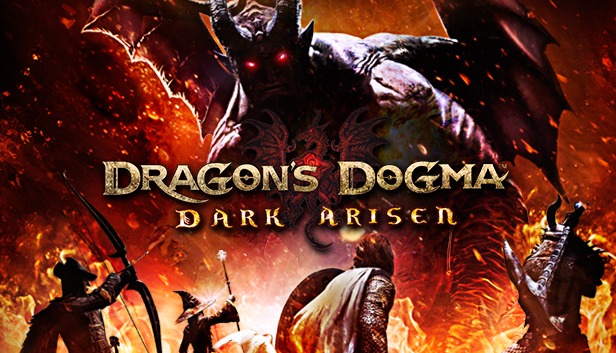
📅 Game released: 2013
Dragon’s Dogma: Dark Arisen is a single-player fantasy action RPG where the Arisen hunts colossal monsters across Gransys with a customizable party of Pawns, then confronts the punishing depths of Bitterblack Isle. This PC guide compares official Steam and DRM-free GOG download options, the complete edition, Pawn networks, Steam Deck support, system requirements, mods, and practical setup advice.
 By Editor Zero — independently researched, edited, and maintained.
Last updated: 15 November 2026
Last reviewed: 15 November 2026
Table of Contents
- Quick Facts
- Official PC Stores, Download & Installation
- Dragon’s Dogma: Dark Arisen Review
- Pros & Cons
- PC System Requirements
- Frequently Asked Questions
- Similar Games
Dragon’s Dogma: Dark Arisen Quick Facts
- Game: Dragon’s Dogma: Dark Arisen / DDDA
- Developer: Capcom
- Publisher: Capcom
- Genre: Action RPG, Open World, Fantasy, Action-Adventure
- Release: April 23, 2013 (PS3, Xbox 360, North America); Windows PC: January 15, 2016
- Platforms: PS3, Xbox 360, Windows PC, PS4, Xbox One, Nintendo Switch
- PC edition: Original Dragon’s Dogma campaign, Dark Arisen expansion, Bitterblack Isle, previously released gameplay DLC and bonus equipment
- Expansion area: Bitterblack Isle — advanced dungeon, cursed gear, enemy encounters and endgame progression
- Steam Deck: Verified
- Engine: MT Framework
- Modes: Single-player; asynchronous online Pawn sharing and a shared online Ur-Dragon; no direct campaign co-op
- Vocations: Fighter, Strider, Mage, Warrior, Ranger, Sorcerer, Mystic Knight, Assassin, Magick Archer
- Party: Arisen, one customizable main Pawn and up to two hired AI Pawns
- Community: Capcom manuals, Steam Discussions, Reddit community
- PC modding: Nexus Mods — unofficial visual, interface, equipment and gameplay changes; no Steam Workshop
- Metacritic score: 81/100 (PC)
- IGN score: 7.9/10 (2013 PS3/Xbox 360 review; not a PC review)
- OpenCritic average: 80/100 (cross-platform critic average)
- Steam user reception: Very Positive overall
Official PC Stores, Download & Installation
👇 Compare the official Steam and GOG PC purchase, download and installation options for Dragon’s Dogma: Dark Arisen.
- Official PC editions: Steam and GOG sell the complete Dragon’s Dogma: Dark Arisen Windows release. The original campaign and the Bitterblack Isle expansion are included; no separate gameplay expansion purchase is required.
- Steam download: Purchase or own the game on Steam, install it through the Steam client, and use the Library to manage updates. Steam supports achievements, cloud saves, trading cards, leaderboards, controller input and asynchronous Pawn features.
- GOG DRM-free download: GOG provides a standalone offline installer that does not require GOG Galaxy or online activation for single-player play. Galaxy is optional for offline gameplay but enables achievements, cloud saves and supported online services.
- Storefront Pawn networks: GOG’s online Pawn hiring, item trading, ratings and leaderboards require Galaxy and work with GOG users only. Steam uses a separate network; neither Pawn sharing nor saves should be assumed to migrate between stores.
- Offline campaign: The full story and Bitterblack Isle can be played without recruiting other players’ Pawns. Offline recruits remain AI-controlled; no real-time campaign co-op is provided.
- Masterworks Collection: The separately sold Steam Masterworks Collection is an optional soundtrack, not additional quests, monsters, vocations or Bitterblack Isle content.
- Steam Deck: Valve lists the Steam edition as Verified. Its default controller configuration, Steam Deck button icons, interface text and default performance meet the Deck verification checks.
- Controllers: Windows supports keyboard and mouse as well as compatible XInput and DirectInput devices, including Xbox and DualShock-style controllers.
- Separate sequel expansion: Dragon’s Dogma 2: Dark Arisen is a separate, released expansion and bundle for Dragon’s Dogma 2; it is not DLC for the original Dragon’s Dogma: Dark Arisen and is not included with its purchase.
 Buy Dragon’s Dogma: Dark Arisen on Steam
 Buy Dragon’s Dogma: Dark Arisen on GOG
 View the Official Dragon’s Dogma: Dark Arisen Manuals

Dragon’s Dogma: Dark Arisen Review
Brilliant monster combat and unpredictable Pawns carry an eccentric fantasy RPG whose quests and open world never equal its best ideas.
Dragon’s Dogma: Dark Arisen has the outline of a conventional fantasy adventure. A dragon attacks Cassardis, takes the protagonist’s heart, and sends the newly created Arisen across Gransys in pursuit. There are goblins to kill, bandits to outwit, court officials to satisfy, and plenty of long roads between objectives. Then combat begins, and the game becomes something far stranger. Large monsters become climbable spaces, the party’s knowledge matters as much as its weapons, and a carefully prepared spell can change the entire fight.

Those moments explain the game’s enduring appeal better than its quest design does. Combat creates surprising situations through physical interactions and imperfectly coordinated companions. The surrounding adventure can be obscure, repetitive, and surprisingly empty. Dark Arisen earns its cult reputation not by hiding those flaws, but by offering experiences that make them easier to tolerate.
Monster Combat Remains the Game’s Defining Achievement
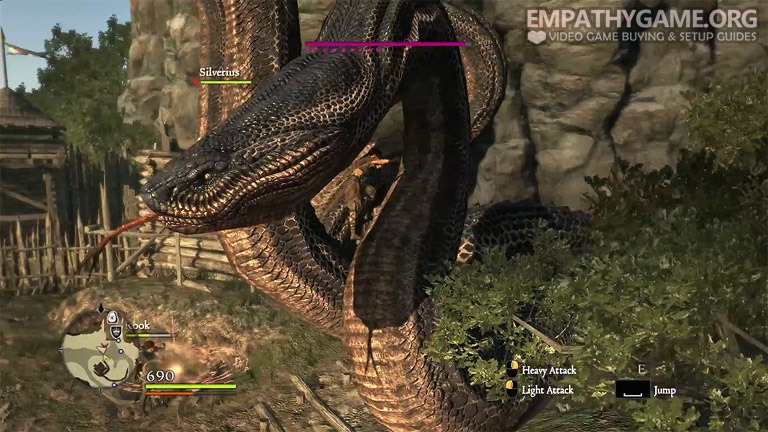
Large enemies are not merely oversized health bars. They have bodies that become part of the battlefield. Climbing a Cyclops toward its eye offers a different solution from attacking its legs until it stumbles. A Chimera’s lion, spellcasting goat, and attacking snake create three problems attached to one creature; disabling a component changes the fight. A Griffin can even take flight while the Arisen is holding on, turning an aggressive climb into a desperate stamina calculation.
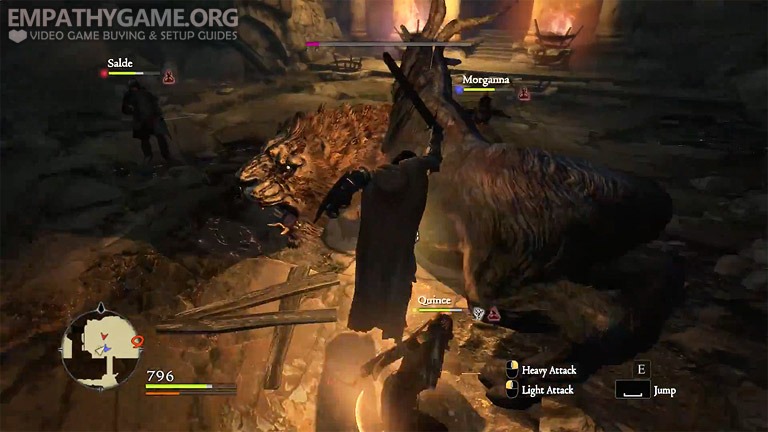
The animation sells the physical struggle. Characters brace against sudden movement, shift their weight across scales and fur, and hang on while a creature thrashes. But the controls cannot always keep up with the idea. The camera gets lost around wings and necks, climbing directions become unpredictable, and stamina drains while the player tries to reach the intended body part. The mechanic works best as a tactical choice, not an automatic answer. Sometimes creating an opening from the ground is smarter than trying to ride the monster.
Vocations Make Simple Controls Surprisingly Deep
Each vocation works with a limited selection of active skills rather than an enormous ability bar. A Fighter holds the front line with sword and shield, a Strider moves between dagger attacks and climbing, while bows give Rangers ways to pressure flying enemies. Warrior’s heavy two-handed blows feel wonderfully committed, although its restriction to three equipped weapon skills can make extended play less varied than the first satisfying hit suggests. Restraint helps combat stay readable, but it does not benefit every vocation equally.
Magic makes the difference between roles even clearer. Sorcerers spend vulnerable seconds preparing meteors, storms, and other battlefield-changing attacks, so defending the caster becomes a team objective. There is also a subtler reward for building around magic: Sorcerers with compatible spells can join an incantation already underway, sharing casting progress. Several spellcasters can therefore work together rather than simply compete for protection. It is an unusual system that makes Pawn selection feel like part of spellcasting itself.
Not every magical limitation is interesting. Assisted targeting can favour a harmless creature over the enemy threatening the party, making a useful spell awkward to direct. Meanwhile, a powerful attack against small ground targets may accomplish little against an airborne Griffin. Changing vocation alters distance, timing, defensive options, and the support needed from companions. The most rewarding experimentation is not finding a universally strongest class, but learning which kind of fight each one can control.
Pawns Create Tactical Depth and Wonderful Chaos
The Arisen travels with a custom main Pawn and can hire two more. A Pawn familiar with a monster may recognise an elemental weakness, aim for a vulnerable body part, or warn of an approaching attack. When that knowledge matches its vocation, a Ranger can keep striking a Cyclops’s eye while a melee ally distracts it. Hiring companions is therefore more interesting than filling three empty party slots; their skills and habits determine what the group can actually accomplish.
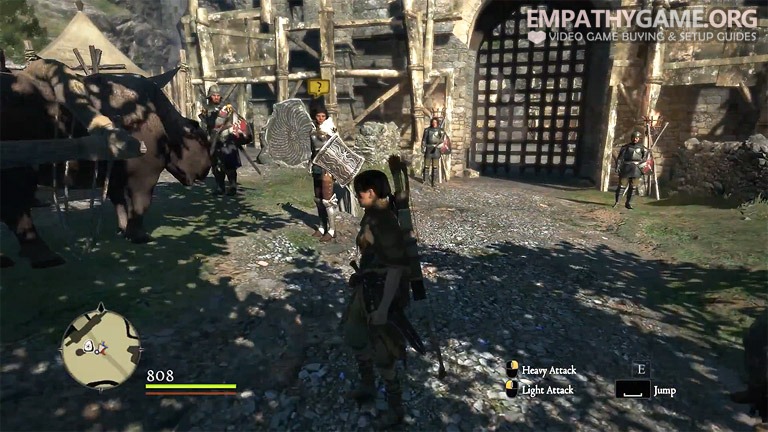
Unfortunately, Pawn behaviour is not entirely transparent. Habits and inclinations can push a companion toward climbing when it should stay back, while broad commands offer little control over individual spells or healing decisions. A Sorcerer may abandon a nearly completed cast to reposition. The resulting frustration is real, especially when a well-equipped Pawn fails for reasons the game scarcely explains.
Yet complete obedience would remove some of the system’s personality. Pawns grab opponents, rescue fallen allies, collect objects, and sometimes interact with the world in absurd ways. Their constant remarks about ladders, wolves, and familiar roads become exhausting, but the same chatter makes Gransys feel inhabited by companions with their own imperfect awareness. They can even catch and throw back small animals, a ridiculous detail that feels perfectly at home in this system. They are useful, irritating, and remarkably difficult to replace with ordinary party AI.
Gransys Produces Better Journeys Than Destinations
A distant trip from Gran Soren can be compelling before the first enemy appears. Daylight is running out, lantern oil and healing supplies are limited, and a previous battle may have left the party weakened. Darkness narrows the world to what the lantern illuminates. The silhouette of a Drake just beyond its reach can make the choice between fighting and retreating more memorable than the quest waiting at the end of the road. The best journeys are not empty travel between adventures. They become adventures because the party is unprepared for what appears next.
Attrition has consequences beyond a dwindling supply of items. Mage healing restores the recoverable portion of lost health, not the entire maximum health depleted by hard travel and combat; curatives or rest still matter. A healer is helpful, but cannot make an expedition self-sustaining. That restriction gives preparation a purpose, even if the game explains it poorly.
The problem is what happens after those roads become familiar. Wolves, harpies, goblins, and bandits return to many of the same stretches, while forts, caves, and ruins rarely reward detours with substantial self-contained discoveries. Elden Ring builds exploration around a denser supply of hidden places and encounters. Dragon’s Dogma is more interested in what happens on the way. That distinction is appealing during a dangerous first journey and much less convincing on another escort across an already memorised route. Fast travel eventually helps, but cannot create destinations the world lacks.
Questing Makes Simple Tasks Needlessly Obscure
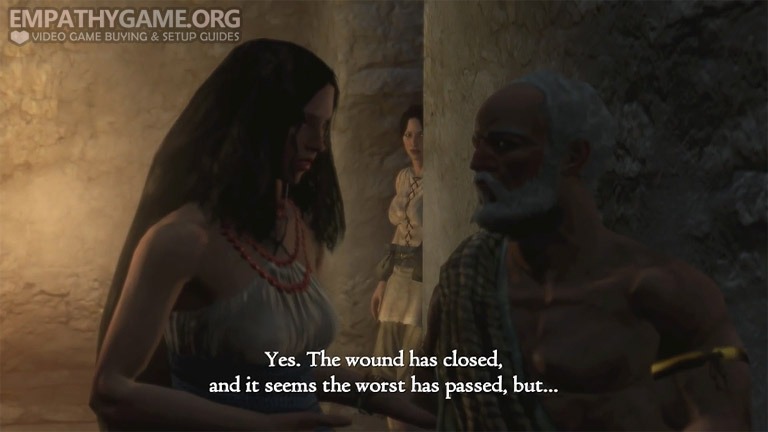
The dragon gives the opening a strong purpose, then recedes while the Arisen handles Wyrm Hunt assignments, court investigations, escorts, and errands for characters who seldom develop beyond their initial promise. Quests can disappear when the main story advances, and crucial triggers are not always communicated clearly. The challenge sometimes lies less in defeating a monster than in discovering which person, location, or invisible story condition matters.
Escort Duty exposes the problem on a smaller scale. Guiding Symone around Gran Soren seems simple, yet subtle behaviour during the outing can determine whether the Arisen receives a valuable Gold Idol or a lesser reward. Falling too far behind can matter even when the quest appears complete. This is the kind of hidden rule that rewards advance knowledge more than thoughtful play.
The later story is substantially more intriguing. Returning to the Dragon opens questions about the Arisen’s purpose and the cycle governing Gransys, while subsequent changes to the world reframe the familiar heroic premise. The ideas are stronger than the early court drama, but arrive so late that players interested mainly in character writing may lose patience before the narrative reveals what makes it unusual.
Progression Rewards Preparation but Hides Its Rules
Dragon’s Dogma can make a seemingly manageable enemy feel invulnerable. Physical and magical defences sometimes reduce weaker attacks to negligible damage, regardless of how dramatic those attacks look. A huge Cyclops can be easier to damage than a heavily defended human opponent, so appearance gives little indication of readiness. A modest weapon enhancement, elemental change, or different Pawn can suddenly turn that same fight around. The satisfaction comes from solving a problem through preparation; the frustration comes from having little feedback about whether poor damage means the wrong weapon, the wrong element, or simply insufficient strength.
Raw attack power is not the whole story, either. Upgraded rusted weapons can inflict Torpor, while golden weapons offer other debilitations, so equipment that looks inferior on a damage screen may be valuable for control. How quickly a weapon applies those effects matters too: a fast dagger can serve a support strategy differently from a slower method of delivering the same status. This gives equipment choices more depth than their numbers initially suggest, provided the player is willing to investigate systems the interface barely teaches.
Bitterblack Isle Gives the Combat the World It Deserves
Bitterblack Isle concentrates the game’s strongest ideas inside a hostile sequence of flooded chambers, prisons, courtyards, and narrow corridors. Shortcuts gradually make deeper expeditions practical, but the dungeon keeps pressuring the party’s weak points. An Eliminator can appear before a group is properly positioned; Hellhounds can punish a careless fall. Unlike the lengthy journeys through Gransys, the distance between meaningful decisions is usually short.
Confined spaces are not purely a disadvantage. A Magick Archer’s Ricochet Hunter sends lightning rebounding around narrow passages, making a corridor unexpectedly favourable against something as dangerous as a Garm, particularly when Torpor slows its pursuit. The same skill is less effective without surrounding surfaces. It is a satisfying example of terrain changing the value of a build rather than merely obstructing movement.
Other encounters punish confidence. Death can interrupt a fight and remove Pawns with its scythe, dismantling a party built around a healer or ranged specialist. Carrion encounters can also respond to the creatures and conditions in an area, so clearing enemies does not always mean the room will remain safe. Deeper sections impose brutal equipment checks, and some opponents barely register damage until the Arisen returns better prepared. Cursed equipment adds uncertainty to the reward loop because its contents must be purified; a hard-won item may not be what the party needs. The grind can become wearying, but stronger gear, opened shortcuts, and altered enemy arrangements make another expedition tempting. Bitterblack is repetitive, yet its concentrated threats give repetition more purpose than the main world’s repeated roads.
Replayability Comes From Changing the Party, Not the World
Switching vocations, retraining the main Pawn, collecting gear, and revisiting Bitterblack Isle offer stronger reasons to return than alternative story outcomes. The same monster feels different when approached with a shield, climbed with daggers, or controlled through a coordinated spellcasting party. Experience also helps avoid missed quests and wasted journeys. Gransys itself changes less: familiar encounters and travel frustrations persist. The replay value belongs primarily to combat systems that keep producing new answers to old problems.
Final Verdict
Dragon’s Dogma: Dark Arisen remains compelling because its finest battles emerge from interacting mechanics, not just scripted spectacle. Climbing a Griffin in flight, helping Sorcerers finish a devastating cast, or turning a cramped dungeon passage into an advantage creates memorable situations that belong to the party involved. Vocations, Pawns, enemy weaknesses, and equipment effects reward curiosity, even when the game is poor at explaining their rules.
The wider adventure is harder to defend. Gransys offers atmospheric journeys but too few worthwhile destinations, quests obscure important conditions, and the story withholds its best ideas for too long. Players wanting polished storytelling, convenient exploration, or precise companion orders may find these compromises exhausting. Those willing to accept an uneven RPG in exchange for unusual combat freedom will understand its reputation. Dragon’s Dogma is not consistently brilliant; it is brilliant in ways that remain difficult to replace.
Dragon’s Dogma: Dark Arisen Pros & Cons
- Pro: Monster climbing, breakable weak points and coordinated Pawn attacks make large-monster encounters unusually dynamic.
- Pro: Nine vocations and transferable augments support distinct physical, ranged and magical combat approaches.
- Pro: Pawn knowledge, skills and inclinations make party selection a meaningful tactical decision.
- Pro: Bitterblack Isle delivers dangerous dungeons, powerful equipment and extensive high-level progression.
- Pro: Night travel and elemental weaknesses reward preparation, rather than relying only on character level.
- Con: Missable quests and poorly communicated story triggers can punish ordinary exploration.
- Con: Repeated enemy groups, long journeys and inventory management can make Gransys feel cumbersome.
- Con: Pawn commands are imprecise, and repetitive chatter or shifting inclinations can be frustrating.
- Con: One primary character save and awkward hidden combat/stat rules make experimentation less convenient.
Dragon’s Dogma: Dark Arisen PC System Requirements
These are the published specifications for the native Windows PC edition. Steam retains the historical Windows Vista/7/8/10-era game requirements, but its client now requires Windows 10 or later; GOG lists Windows 10 for its current release. Internet access is needed for online features, not for GOG’s offline single-player installer.
MINIMUM:
OS: Windows 10 for the current store clients / GOG support; the historical Steam listing starts with Windows Vista
CPU: Intel Core i5-660 or equivalent
RAM: 4 GB
GPU: AMD Radeon HD 5870 or equivalent
DirectX: Version 9.0c
Storage: 20 GB available space
Sound: DirectX-compatible sound card or onboard audio
Internet: Needed for download and connected features; GOG offline play does not need a continuing connection
RECOMMENDED:
OS: Windows 10 for the current GOG listing; Steam’s original recommendation listed Windows 7/8/10
CPU: Intel Core i7-4770K or equivalent
RAM: 8 GB
GPU: NVIDIA GeForce GTX 760 or equivalent
DirectX: Version 9.0c
Storage: 20 GB available space
Sound: DirectX-compatible sound card or onboard audio
Internet: Needed for online Pawn/leaderboard features and optional cloud synchronization
Hardware note: Capcom did not officially test or guarantee every high-end integrated GPU or hybrid-graphics laptop. The specifications above are publisher/store requirements, not measured modern-hardware performance estimates.
Additional PC Performance and Setup Notes
- Launch the clean game and create an initial save before installing texture packs, interface replacements, gameplay modifications, ReShade presets, or archive tools.
- Back up the current save before experimenting because Dragon’s Dogma: Dark Arisen normally maintains one primary character progression rather than several independent character slots.
- Keep Steam Cloud or GOG Galaxy cloud synchronization in mind when restoring an older local save. A newer cloud copy can overwrite the intended backup if synchronization is not handled carefully.
- Use Steam or GOG Galaxy file verification before reinstalling if the game crashes after a mod, reports missing archives, loses audio, or displays corrupted textures.
- GOG users can preserve a clean offline installer and a separate unmodified game folder before building a modded setup.
- Run the game on the dedicated graphics processor when using a laptop with both integrated and discrete graphics.
- Confirm that the correct display resolution and refresh rate are selected before diagnosing poor image quality or unexpectedly low performance.
- Use a stable frame-rate limit if forcing unusually high frame rates causes animation, physics, camera, input, or cutscene problems.
- Check whether a mod replaces complete archive files or only individual resources. Two packages that modify the same archive may overwrite one another.
- Install large texture and model replacements gradually. Combining several high-resolution packages can increase memory use, loading time, and instability.
- Interface, skill, vocation, equipment, and difficulty modifications may alter balance or saved character data. Read removal instructions before applying them to an established playthrough.
- Do not assume that a mod created for Dragon’s Dogma 2 will work with Dragon’s Dogma: Dark Arisen. The games use different technology, file structures, tools, and mod pages.
- Keep separate backups of the save folder, configuration files, and clean installation before rebuilding a mod list or moving between Steam and GOG.
- Display support: Standard 16:9 widescreen works natively. Ultrawide 21:9 is not fully supported; PCGamingWiki’s game-specific page documents the DDDAFix community workaround and its limitations. Test a clean game first, and preserve backups before applying unofficial fixes.
Official Trailer
Note: This official Dragon’s Dogma launch trailer presents the Arisen, Pawn companions, Gransys, vocation-based combat, large monsters, climbing mechanics, magic, night exploration, and Bitterblack Isle enemies, while the written guide adds current Steam and GOG access, Pawn-network differences, Steam Deck support, requirements, mods, saves, and setup guidance.
Frequently Asked Questions
What is the difference between Dragon’s Dogma: Dark Arisen and Dragon’s Dogma 2: Dark Arisen? They are different products. Dragon’s Dogma: Dark Arisen combines the first game with its Bitterblack Isle expansion. Dragon’s Dogma 2: Dark Arisen is an expansion and bundled edition of the sequel; ownership does not carry between the two games.
Can Steam and GOG players hire one another’s Pawns? No. The storefronts operate separate connected Pawn networks. Your main Pawn, online rentals, ratings, gifts and related Rift rewards do not transfer between those networks; the stores also use different save-data formats.
Can Dragon’s Dogma: Dark Arisen be played fully offline? Yes. The campaign, recruited offline Pawns, vocations, Bitterblack Isle and New Game Plus are playable offline. Sharing your main Pawn and accessing other players’ uploaded Pawns require online features, and GOG uses Galaxy for its connected services.
Does Dragon’s Dogma: Dark Arisen offer cooperative multiplayer? No. The party consists of AI-controlled companions, not other people controlling characters in your campaign. Pawn sharing and the online Ur-Dragon are asynchronous online features rather than live co-op.
Which vocation should a beginner choose, and can it be changed? Fighter offers protection and direct melee attacks; Strider combines daggers with a bow; Mage provides spells and healing. Vocations can be changed later, and earned vocation ranks and augments are retained. Pawns cannot use the Arisen-only hybrid vocations.
Do vocation choices affect character stats permanently? Yes. The vocation active on level-up affects growth of attributes such as health, stamina, Strength, Magick and defences. Strict min-maxing is not necessary to finish the game: equipment, augments, party balance and enemy knowledge often matter more.
Why do some attacks deal almost no damage? Enemy defensive values can largely negate weaker physical or magical hits. Upgrade equipment, change damage type or element, use suitable vocation abilities and bring Pawns equipped to exploit the target’s weakness; repeatedly using an ineffective attack may accomplish very little.
How do Pawn inclinations and knowledge change their behavior? Inclinations affect which enemies or allies a Pawn prioritizes, while learned bestiary, quest and area knowledge helps it identify tactics and routes. Behavior can shift through play, so a useful Pawn build involves skills and inclination management, not just raw statistics.
Do hired Pawns level up alongside the Arisen? No. Only the Arisen and custom main Pawn level with your game. Hired Pawns retain the level uploaded by their owner; release and rehire or replace them when their level and abilities fall behind.
Why did a side quest disappear, and can quests be missed? Major story milestones can automatically close earlier side quests, sometimes without an obvious warning. Complete the character and town quests you care about before advancing major Wyrm Hunt and court assignments. An earlier save or New Game Plus may be needed to revisit missed content.
How do Portcrystals and the Eternal Ferrystone work? Portcrystals let you set custom fast-travel destinations in Gransys. The reusable Eternal Ferrystone becomes available through storage after reaching Gran Soren in Dark Arisen. Portable Portcrystals cannot be set freely through Bitterblack Isle.
Can I create multiple characters or save slots? Normally there is one primary character progression per platform account. Manual saves and checkpoint saves are not independent character slots. Back up saves carefully before replacing a character or experimenting with major modifications, and account for cloud synchronization.
When is a good time to enter Bitterblack Isle? It becomes accessible early, but its deeper rooms are designed for well-equipped parties and punish unprepared newcomers. Learning vocation skills and securing stronger gear during the main adventure before pushing deeper is usually more productive than rushing there.
What are cursed Bitterblack items, and how does purification work? Weapons, armour, gear and novelties from Bitterblack Isle can appear as cursed items. Olra purifies them using Rift Crystals. Results follow a predetermined sequence; repeated reloading usually will not randomize the result, though vocation colour choices can influence its category.
What is dragonforging and rarification? Dragonforging improves equipped items beyond ordinary enhancement after encounters with dragon-type foes. Barroch can then rarify dragonforged gear to Silver and Gold tiers using suitable materials and Rift Crystals.
What happens after defeating the main Dragon? Gransys changes and the expanded Everfall offers harder enemies, Wakestones and high-level gear. The later progression and New Game Plus provide opportunities to revisit vocations and prepare for difficult Bitterblack encounters.
Does Dragon’s Dogma: Dark Arisen have an online Ur-Dragon? Yes. There are offline and asynchronous online versions of the Ur-Dragon. The online encounter involves shared community progress, but it is not a real-time multiplayer boss fight with other players beside you.
Can the PC game be modded, and why do mods conflict? Unofficial mods can modify textures, visuals, UI, skills and balance. Several replace the same game archives, which can cause one to overwrite another. Keep clean files and save backups, and check compatibility before combining major modifications.
Does the PC version support ultrawide displays? Standard 16:9 widescreen is supported, but native 21:9 presentation is incomplete because elements of the interface were designed for 16:9. Community tools such as DDDAFix may help, with possible UI and cutscene limitations; back up files before using them.
Is Dragon’s Dogma: Dark Arisen compatible with controllers and Steam Deck? Yes. The PC release supports keyboard and mouse along with supported XInput/DirectInput controllers, including Xbox and DualShock-style devices. Valve rates the Steam version Steam Deck Verified, with a functional default controller layout.
Still have questions? Check the Dragon’s Dogma Reddit community, Steam Discussions, and the official Capcom manuals.
Sources & References
Key release, storefront, technical and review-reference details in this guide were checked against:
- Steam — Dragon’s Dogma: Dark Arisen — official PC listing, included content, Deck rating, Steam features, original requirements and overall player reception.
- GOG — Dragon’s Dogma: Dark Arisen — DRM-free installer, Galaxy-connected features, store-specific online network and Windows requirements.
- Metacritic — Dragon’s Dogma: Dark Arisen — platform-specific PC critic score.
- IGN — Dragon’s Dogma: Dark Arisen review — 2013 console-version critical review, distinguished from PC scores.
- Capcom — Dragon’s Dogma 2: Dark Arisen announcement — confirms that the similarly named sequel expansion is a separate product.
- Capcom / GOG official game FAQ (PDF) — separate save and Pawn ecosystems, 16:9/21:9 display support, controller compatibility and in-game content.
- PCGamingWiki — Dragon’s Dogma: Dark Arisen — native widescreen and ultrawide/FOV limitation context.
Similar Games Like Dragon’s Dogma: Dark Arisen





Found something worth playing through DecideGame?
DecideGame.com is an independent gaming project run by Editor Zero. If this guide helped you discover a game, solve a problem, or find useful information, you can support DecideGame.com and help keep new and updated game guides coming.
DecideGame — PC Game Guides, Reviews & Setup Help