
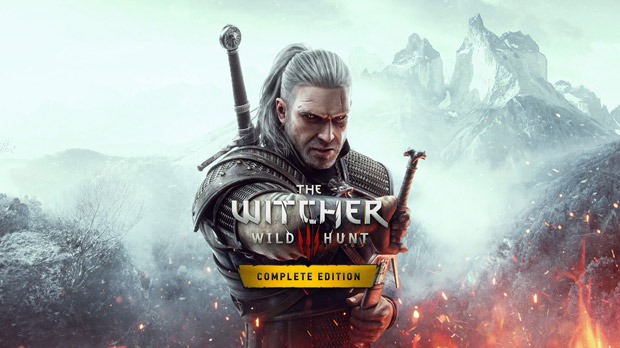
📅 Game released: 2015
The Witcher 3: Wild Hunt follows Geralt of Rivia across a war-torn fantasy world as he searches for Ciri, hunts monsters, and makes decisions with lasting consequences. This PC guide compares official Remastered and Complete Edition download options, the free ownership upgrade, expansions, mod.io and REDkit mod support, system requirements, Steam Deck compatibility, cross-progression, and practical setup.
 By Editor Zero — independently researched, edited, and maintained.
Last updated: 15 November 2026
Last reviewed: 15 November 2026
Table of Contents
- Quick Facts
- Official PC Stores, Download & Installation
- The Witcher 3: Wild Hunt Review
- Pros & Cons
- PC System Requirements
- Frequently Asked Questions
- Similar Games
The Witcher 3: Wild Hunt Quick Facts
- Game: The Witcher 3: Wild Hunt / Complete Edition / Remastered
- Developer: CD PROJEKT RED
- Publisher: CD PROJEKT RED
- Genre: Action RPG, Open World, Fantasy
- Release: May 19, 2015 (Windows PC, PS4, Xbox One); Remastered: September 29, 2026
- Platforms: Windows PC, PS4, PS5, Xbox One, Xbox Series X|S, Nintendo Switch, Nintendo Switch 2
- Expansions: Hearts of Stone and Blood and Wine are included in the updated game; Songs of the Past is listed separately and is not yet released
- Steam Deck: Verified for the updated Steam release
- Engine: REDengine 3
- Modes: Single-player; no co-op or competitive multiplayer
- Cross-Progression: Supported through a linked CD PROJEKT RED account, with matching installed game content
- Official Mod Tool: The Witcher 3 REDkit for PC mod creators
- PC modding: In-game mod.io support, Steam Workshop, and Nexus Mods
- Community: CD PROJEKT RED Forums, Steam Discussions, Witcher 3 Reddit
- Sales: More than 65 million copies reported by CD PROJEKT
- Metacritic score: 93/100 for the original Windows PC release
- IGN score: 9.3/10 for the original game
- Steam user reception: Overwhelmingly Positive overall
Official PC Stores, Download & Installation
👇 Compare official Windows PC stores, included expansions, the Remastered upgrade, account requirements, mod tools, and older-version options before purchasing or installing The Witcher 3.
- Official Windows stores: The Witcher 3: Wild Hunt — Remastered is available through Steam, GOG, Epic Games Store, Battle.net, and Microsoft/Xbox Store. Store entitlements do not automatically transfer between different PC storefronts.
- What new buyers receive: The updated main game includes Hearts of Stone, Blood and Wine, the earlier free DLC, and Remastered improvements. The legacy base-game and separately sold story expansions have been replaced by the consolidated current offering for normal new purchases.
- Free Remastered upgrade: Qualifying previous owners on Steam, GOG and Epic Games Store receive the updated version without purchasing the campaign again. Equivalent upgrades exist within eligible console ecosystems; an existing Steam or GOG license does not grant the Battle.net or Microsoft edition.
- Existing base-game owners: Hearts of Stone and Blood and Wine are included for owners of earlier base-game copies. Existing compatible saves and achievements carry forward, although the reworked ability system refunds allocated skill points and requires players to rebuild their skills.
- Battle.net: This is a separate official Windows PC purchase. Its store specifies that the Battle.net desktop application, Battle.net account, and an internet connection are required to play; do not assume it behaves like the DRM-free GOG release.
- Microsoft / Xbox Play Anywhere: The Microsoft digital edition supports Xbox Play Anywhere across compatible Xbox consoles, Windows PCs, and supported Windows handhelds under the same Microsoft-account entitlement.
- Game Pass versus owned cloud play: The Witcher 3 was listed as leaving the Game Pass catalogue and should not be treated as a presently included PC Game Pass or console catalogue game. The Xbox listing separately offers cloud play for an owned copy with an eligible Game Pass plan; it explicitly says game purchase is required.
- GOG and offline ownership: GOG offers the game DRM-free with official standalone offline installers. GOG Galaxy is optional for installation and offline play, but useful for updates, cloud saves, and version management.
- Other expansions: Songs of the Past is a separately listed, unreleased additional story expansion set in Letten. It is not included with the existing two-expansion package or ordinary Remastered ownership, and no purchase or release should be assumed merely because a wishlist page exists.
- Cross-progression: Use a connected CD PROJEKT RED account to upload a cloud-marked save on a supported device. The destination installation must have the content required by that save. Make a local backup before changing storefronts, versions or installed mods.
- In-game mods via mod.io: Remastered includes a Mods menu. Sign in with a CD PROJEKT RED account, connect it to mod.io, subscribe to a supported mod and restart the game; check the Installed list to confirm it is enabled. The in-game service is distinct from Steam Workshop and Nexus Mods, which remain available on PC.
- REDkit: The official REDkit creation tool is available for owners of supported PC versions. You do not need REDkit merely to subscribe to mods. Compatibility can differ between older script-heavy projects and Remastered, so verify mod version support before enabling a large mod list.
- Earlier versions and backups: CD PROJEKT RED documents Classic-version rollback through Steam’s BETAS menu and GOG Galaxy’s beta channels; Epic Games Store does not offer an official rollback option. Back up saves, mod files and configurations before switching game builds. Only the newest version receives full developer support.
 Buy The Witcher 3 — Remastered on Steam
 Buy The Witcher 3 on Epic Games Store
 Buy The Witcher 3 on GOG (DRM-Free)
Buy The Witcher 3 — Remastered on Battle.net
 Buy The Witcher 3 with Xbox Play Anywhere
 Visit the Official The Witcher 3 Website

The Witcher 3: Wild Hunt Review
A vast fantasy journey where people and consequences matter more than map size.
The Witcher 3: Wild Hunt opens on a continent falling apart and gives Geralt of Rivia a personal reason to cross it. Armies fight over the Northern Kingdoms, villages suffer from war, and the spectral Wild Hunt pursues Ciri. Yet the search keeps uncovering problems no sword can solve.
A missing-person notice can reveal a family tragedy. A contract can expose a crime committed by people rather than beasts. A frightened village may demand a simple answer when the evidence offers none.
Geralt brings his own past, profession, relationships, mistakes, and dry humour. You can guide his decisions without turning him into somebody else. That continuity gives conversations a weight a completely blank protagonist might lack.

Geralt’s Search Gives a Huge World Personal Weight
Geralt is searching for Ciri, his adopted daughter, before the Wild Hunt reaches her. Their relationship matters more than her extraordinary powers. Their shared history comes through even for someone unfamiliar with the earlier games.
Finding Ciri ought to be urgent, yet the game makes almost every detour tempting. Geralt can investigate a haunted tower, hunt a creature, settle a village dispute, play Gwent, or share drinks with old friends. Those distractions reveal the people caught in the same disorder, even when they strain the story’s sense of time.
The search sometimes becomes a chain of people directing Geralt toward somebody else. The Bloody Baron storyline gives that structure real purpose: gathering clues becomes a study of abuse, addiction, guilt, and a broken family. The game asks Geralt to understand those involved without excusing them.
Crookback Bog approaches moral uncertainty through folklore instead. The Crones entwine children, hunger, bargains, and vulnerable villagers in choices with unpredictable consequences. Good intentions are not a guarantee of a good result.
Anyone who wants to invent their own hero may find The Elder Scrolls IV: Oblivion Remastered more freeing. Character creation and guilds allow broader role-playing. The Witcher 3 trades some of that freedom for choices that feel personal precisely because Geralt already belongs to this world.
Velen, Novigrad, and Skellige Feel Like Different Societies
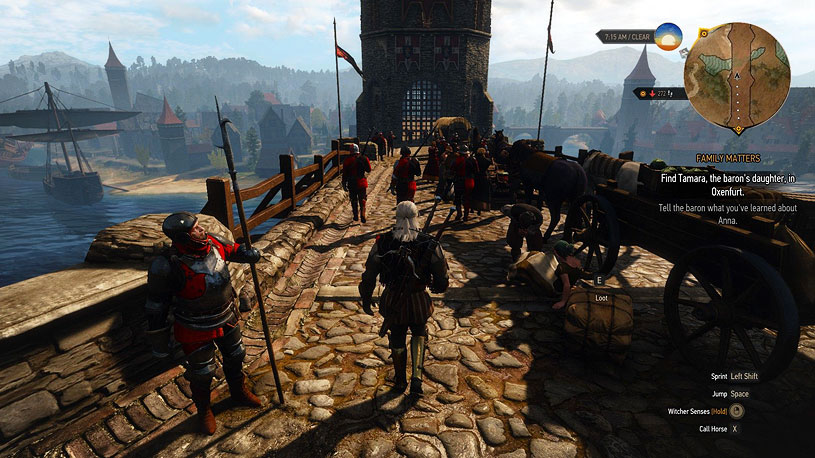
Velen expresses the damage of war through ordinary surroundings. Burned cottages, abandoned roads, hanging bodies, refugees, deserters, and neglected fields suggest that everyday life has become a struggle. The countryside feels different after speaking to its survivors.
Novigrad creates pressure in a different way. Its markets and busy streets bring merchants, criminals, priests, guards, refugees, and sorcerers close together. The Church of the Eternal Fire uses fear to justify persecution, and a single quest can take Geralt between very different layers of the city.
Skellige’s islands bring clan loyalties, difficult mountain journeys, burial customs, rough seas, and older traditions. Sailing between offshore markers can become tedious, particularly when sirens attack boats. Firing the crossbow while steering makes those encounters less disruptive, but cannot make every voyage interesting.
Blood and Wine’s Toussaint offers an almost startling change of mood. Bright vineyards, elegant buildings, tournaments, and fairy-tale scenery look welcoming after Velen’s misery. Cruelty still lurks beneath the polish.
Riding Roach through rain and overhearing roadside conversations can be absorbing without advancing a quest. Ghost of Tsushima achieves something comparable through its landscapes and horseback journeys, although the combat and historical setting are quite different.
Unlike Skyrim, whose open-ended wandering invites exploration for its own sake, The Witcher 3 keeps returning attention to Geralt’s relationships and responsibilities. That gives travel stronger dramatic direction, but can make an unplanned afternoon in the wilderness feel at odds with the urgent story. Both approaches have their appeal.

Side Quests Treat Ordinary People as More Than Quest Markers
The strongest side quests unfold as self-contained stories rather than errands. They present conflicting accounts and uncomfortable decisions, so the challenge is not simply locating an objective but deciding whom to believe. A job accepted for payment may become a question about responsibility, forgiveness, or whether revealing the truth will help anybody.
People withhold the truth for understandable reasons: shame, fear, or loyalty. A supposed victim may have hurt somebody else; a monster may deserve sympathy without being safe. Finding out what happened is often easier than choosing what to do about it. That uncertainty stays with a quest after its reward has been collected.
Dialogue therefore deserves more attention than the kindest-sounding response. A brief conversation after an objective ends may reveal the effect of Geralt’s decision, making its consequences feel more human than a reward screen could.
Not every task earns that attention. Repeated tracking sequences can reduce investigation to highlighted footprints. Some active encounters also punish walking away to prepare, making a manual save before a pivotal meeting sensible.
Monster Contracts Make Preparation Part of the Story
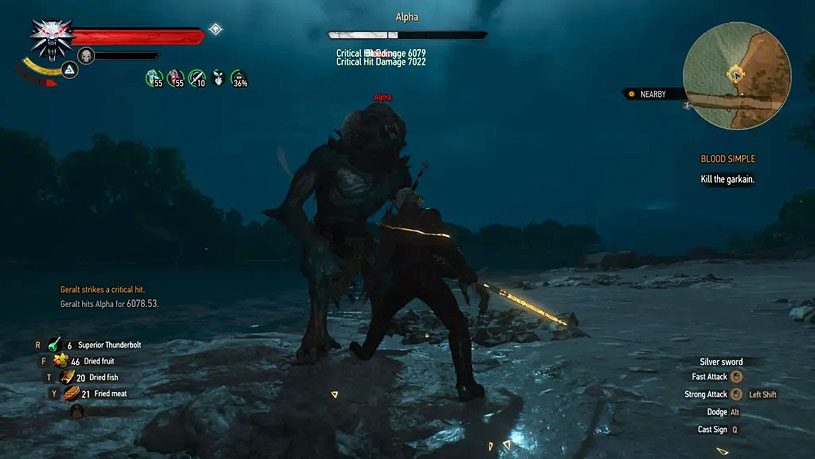
Contracts make the witcher profession tangible. Geralt negotiates a fee, examines victims and locations, follows evidence, identifies a creature, consults the bestiary, and prepares his equipment. Investigation gives the eventual fight context; it is not simply another enemy on the map.
A noonwraith, for example, is more interesting once its presence is connected to a death and a particular place. Yrden and specter oil become tools of a knowledgeable hunter. Higher difficulties make that knowledge much more valuable.
Alchemy is more approachable than it first appears. Potions and bombs need ingredients for the initial craft, but meditation with suitable strong alcohol replenishes their charges. Oils likewise need not be crafted repeatedly. Once that becomes clear, preparation feels less like a punishment for using consumables and more like part of Geralt’s expertise.
Potions aid survival or vision, decoctions support longer-term fighting styles, and bombs counter particular threats. Geralt’s two swords reinforce his specialised trade, even when the appropriate weapon is drawn automatically.
Combat Is Flexible, Though Less Precise Than the Writing
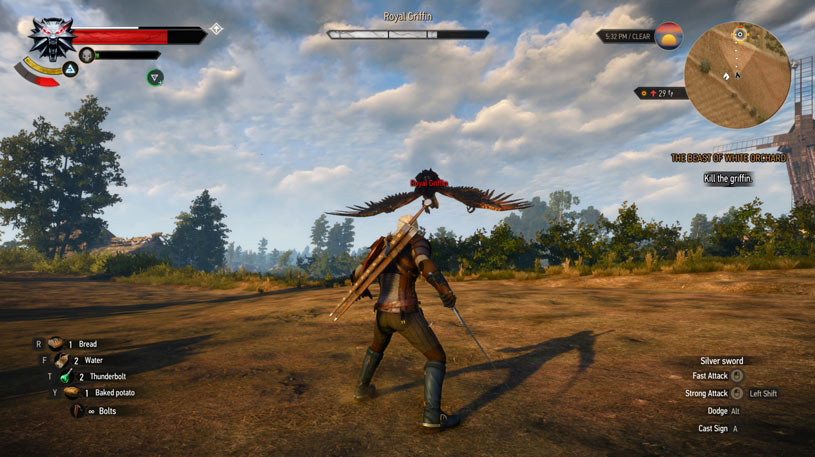
Swordplay combines light and heavy attacks, parries, Signs, bombs, dodges, rolls, and occasional crossbow use. The options are broad, but responsiveness is less dependable. Geralt may commit to a long animation or shift awkwardly toward a target. Human groups can be especially irritating when an attack arrives from outside the camera’s view. The frustration comes not simply from being hit, but from feeling that a command produced the wrong movement.
Dodging and rolling illustrate the difference. A short dodge keeps Geralt near an opponent and allows Stamina to recover, ready for another Sign or counterattack. A roll escapes a wider strike but briefly interrupts recovery and can carry him too far away to retaliate. Small movements often create a better combat rhythm than constant dramatic evasions.
The Signs reward experimentation too. Quen is an easy defensive habit, but Aard, Igni, Axii, and Yrden solve different problems. Quick Sign casting makes switching less cumbersome, especially on a controller, while the original selection wheel still suits players who value its pause. Flexibility only becomes meaningful once the controls encourage using it.
Skills support fast and heavy attacks, Signs, alchemy, mutations, and combinations of those approaches. Only some purchased abilities can be equipped, making priorities matter. Feline gear leans toward faster attacks, Griffin equipment supports Signs, Ursine armour favours durability, Wolven gear is adaptable, and Manticore equipment suits alchemy.
If the appeal is primarily precise boss combat rather than investigation and role-playing, Black Myth: Wukong may offer a better fit. It prioritises timing, while The Witcher 3 prioritises context and preparation.

Characters Give Consequences a Human Face
Yennefer, Triss, Dandelion, Zoltan, Vesemir, and Ciri have histories with Geralt before the opening scene. The game does not explain every detail, and it does not need to. Newcomers can follow the immediate feelings, while familiarity with the books and earlier games adds another layer.
Geralt and Yennefer share affection, conflict, and years of separation. Triss brings another complicated history and a different possible relationship. Neither woman exists merely to approve of the player’s decisions, which makes the romantic choices harder to reduce to a simple preference menu.
Ciri’s fate also depends on moments when Geralt supports her independence or tries to manage it. The game judges patterns of behaviour rather than presenting one obvious final choice. Those decisions can be difficult precisely because their significance is not always announced.
Political decisions involving rulers, spies, and allies can likewise affect the Northern Kingdoms and Skellige’s leadership. The delayed consequences can surprise you on replay.
Gwent Creates a Lighter Obsession Inside a Grim World
Gwent is ostensibly an optional distraction, but it has a progression loop almost independent of the adventure. Geralt challenges innkeepers, merchants, soldiers, and nobles to build stronger faction decks and hunt for rare cards.
The basic objective is to win two rounds while managing a limited hand. Spies, medics, weather cards, and the choice to pass make card advantage more important than simply playing your strongest unit. Winning often means tempting an opponent into wasting cards. Passing early can be a smarter decision than fighting to win every round.
Villages are starving and Ciri is in danger, yet Geralt can still challenge a local merchant to cards. That absurd contrast gives the grim adventure a welcome release.
Hearts of Stone and Blood and Wine Set an Exceptional Expansion Standard
Hearts of Stone is tighter than the main adventure, and benefits from that focus. Olgierd von Everec and Gaunter O’Dimm draw Geralt into a story of bargains, regret, and desires that go terribly wrong. Each strange assignment reveals something more troubling about its central characters.
A wedding lets comedy and character work share a scene. A painted world makes grief tangible; a heist turns clashing personalities into the real complication. These episodes feel designed around the people involved, not merely around a fresh location or reward.
Blood and Wine takes the opposite approach with an entire region. Toussaint brings vampires, knights, new contracts, grandmaster equipment, additional mutations, and a vineyard home. The story has particular force as a late chapter in Geralt’s life, giving his long journey room to breathe.
The expansions succeed for opposite reasons: one finds depth through concentration, the other through a new place to inhabit. Neither relies on adding activities for their own sake.
Replayability Comes From Different Values, Not a Different Geralt
Replays can change Ciri’s ending, relationships, political outcomes, Skellige’s leadership, and individual quest resolutions. Witcher-school equipment and skills support different combat approaches, while New Game Plus carries much of Geralt’s progression into a more demanding campaign.
Geralt remains Geralt, but he can act cautiously, show compassion, avoid political involvement, or trust others to choose for themselves. A second journey explores different values rather than inventing a new protagonist.
Progression has odd incentives. Quests far below Geralt’s level award much less experience, so exploring thoroughly can make later missions feel mechanically unrewarding even when their stories remain worthwhile.
Aerondight, the silver sword from Blood and Wine, adds another wrinkle. Its damage can grow when a fully charged blade delivers the killing blow, but damage-over-time effects may claim the finish instead. A powerful reward becomes a small test of precision rather than a simple statistical upgrade.
Those drawn to believable settlements and difficult everyday choices may also appreciate Kingdom Come: Deliverance II. It explores similar concerns through reputation, social position, and unpredictable consequences, without magic.
Imperfections Remain Visible After a Decade
None of this erases the practical irritations. Geralt can feel heavy to move, Roach catches on fences and narrow paths, and accumulated loot makes inventory management tiresome. Even Witcher Sense investigations lose their mystery when following marked trails becomes routine.
The economy adds its own busywork. Random loot can seem more valuable than carefully crafted equipment, while selling efficiently means finding the right merchants and enough money in their inventories. The game is at its least convincing when meaningful adventures give way to sorting objects.
Skellige’s offshore question marks are an obvious example of activity for its own sake. The crossbow helps against sirens, but repeated boat trips still feel less purposeful than the islands’ stories. Too many detours also make Ciri’s supposedly urgent situation easier to forget.
Later main-story stretches can fall back into the same pattern of finding another informant. The tighter Hearts of Stone shows how compelling this writing becomes when its forward momentum is not repeatedly interrupted.
Final Verdict
The Witcher 3: Wild Hunt earns its reputation through the people inhabiting its world. Monsters matter most when their presence exposes human suffering, fear, or impossible decisions.
Geralt’s search for Ciri gives the adventure its centre, while contracts, friendships, politics, and two unusually substantial expansions make its detours worth taking. Velen, Novigrad, Skellige, and Toussaint are more than different scenery; each has its own pressures and values.
Heavy movement, inventory chores, offshore clutter, and repeated investigations can make the journey drag. Players seeking precise action or a consistently directed story may find those compromises hard to ignore.
For those drawn to mature fantasy, investigative monster hunting, and decisions without perfect answers, the adventure has uncommon staying power. Its finest moments are not about clearing a map, but understanding what happened somewhere, making a choice, and living with its consequences.
The Witcher 3: Wild Hunt Pros & Cons
- Pro: Geralt, Ciri, Yennefer, Triss, the Bloody Baron, Gaunter O’Dimm, and other characters give the world emotional continuity
- Pro: Side quests and monster contracts combine investigation, folklore, moral uncertainty, and meaningful consequences
- Pro: Velen, Novigrad, Skellige, Kaer Morhen, and Toussaint provide distinct cultures, landscapes, conflicts, and atmosphere
- Pro: Signs, alchemy, Witcher gear, branching decisions, romances, Gwent, New Game Plus, and multiple endings support varied playstyles
- Pro: Hearts of Stone, Blood and Wine, cross-progression, REDkit, Steam Workshop, Nexus Mods, and the in-game mod.io browser add long-term value
- Pro: Remastered improves character animations, combat feedback, skill progression, visuals, and PC path tracing
- Con: Even with revised movement and an adaptive combat camera, swordplay and group encounters can feel less precise than dedicated action games
- Con: Repeated Witcher Sense trails, offshore Skellige caches, and inventory management can interrupt otherwise excellent questing
- Con: Remastered raises the supported PC baseline to Windows 11, DirectX 12, compatible modern drivers and an SSD; older hardware may require a legacy build
- Con: Ray tracing and path tracing are demanding, and outdated script-based mods can break quests, saves or the game itself
The Witcher 3: Wild Hunt PC System Requirements
Choose the correct game build: The current Remastered Windows version uses DirectX 12 and officially supports Windows 11 with SSD storage. CD PROJEKT RED publishes six performance profiles for Remastered; older DX11 and previous enhanced-build requirements apply only when deliberately running an earlier game version. Hardware targets are guidance, not guarantees of a locked frame rate.
Storage note: CD PROJEKT RED’s dedicated requirements support article and the Battle.net listing specify 70 GB on an SSD, while Steam’s store listing states 60 GB on an SSD. Reserve at least 70 GB free, plus additional update and mod space, rather than assuming the smaller listing is sufficient.
REMASTERED — MINIMUM (LOW)
Target: 1080p, 30 FPS, Low preset (native resolution)
OS: Windows 11, 64-bit
CPU: Intel Core i5-8400 / AMD Ryzen 5 2600
RAM: 12 GB
GPU: NVIDIA GeForce GTX 1660 / AMD Radeon RX 5500 XT 8 GB / Intel Arc A580
VRAM: 6 GB
DirectX: Version 12
Storage: SSD; plan for at least 70 GB available space
REMASTERED — RECOMMENDED (HIGH)
Target: 1080p, 60 FPS, High preset (native resolution)
OS: Windows 11, 64-bit
CPU: Intel Core i7-8700K / AMD Ryzen 5 3600X
RAM: 16 GB
GPU: NVIDIA GeForce RTX 2060 Super / AMD Radeon RX 6600 XT / Intel Arc B580
VRAM: 8 GB
DirectX: Version 12
Storage: SSD; plan for at least 70 GB available space
REMASTERED — ULTRA
Target: 1440p, 60 FPS, Ultra preset (native resolution)
CPU: Intel Core i7-13700K / AMD Ryzen 7 7700X
RAM: 24 GB
GPU: NVIDIA GeForce RTX 3070 Ti / AMD Radeon RX 6800 XT / Intel Arc B580 with XeSS
VRAM: 12 GB
OS / DirectX / drive: 64-bit Windows 11 / DirectX 12 / SSD
REMASTERED — RAY TRACING MINIMUM
Target: 1080p, 30 FPS, Ray Tracing preset, with DLSS / FSR / XeSS
CPU: Intel Core i7-11700K / AMD Ryzen 7 5800X
RAM: 16 GB
GPU: NVIDIA GeForce RTX 2060 Super / AMD Radeon RX 6600 XT / Intel Arc B580
VRAM: 8 GB
OS / DirectX / drive: 64-bit Windows 11 / DirectX 12 / SSD
REMASTERED — RAY TRACING RECOMMENDED
Target: 1440p, 60 FPS, Ray Tracing Ultra, with DLSS or FSR
CPU: Intel Core i7-13700K / AMD Ryzen 7 7700X
RAM: 24 GB
GPU: NVIDIA GeForce RTX 4080 / AMD Radeon RX 9070 XT
VRAM: 12 GB
OS / DirectX / drive: 64-bit Windows 11 / DirectX 12 / SSD
REMASTERED — PATH TRACING
Target: 4K, 60 FPS, Ray Tracing Ultra with path tracing, upscaling and Frame Generation
CPU: Intel Core i9-13900K / AMD Ryzen 7 9800X3D
RAM: 24 GB
GPU: NVIDIA GeForce RTX 5080
VRAM: 16 GB
OS / DirectX / drive: 64-bit Windows 11 / DirectX 12 / SSD
OLDER CLASSIC / PRE-REMASTERED BUILDS — DX11 MINIMUM
Scope: Legacy PC specifications; not the current Remastered minimum
Target: 1080p, DirectX 11, ray tracing unavailable
OS: Former listings included 64-bit Windows 7 / 8 (8.1); these systems are no longer officially supported
CPU: Intel Core i5-2500K at 3.3 GHz / AMD A10-5800K APU at 3.8 GHz
RAM: 6 GB
GPU: NVIDIA GeForce GTX 660 / AMD Radeon HD 7870
DirectX: Version 11
Storage: 50 GB available space (legacy listing)
OLDER CLASSIC / PRE-REMASTERED BUILDS — DX11 RECOMMENDED
Target: 1080p, DirectX 11, ray tracing unavailable
CPU: Intel Core i7-3770 at 3.4 GHz / AMD FX-8350 at 4.0 GHz
RAM: 6 GB
GPU: NVIDIA GeForce GTX 770 / AMD Radeon R9 290
DirectX: Version 11
Storage: 50 GB available space (legacy listing)
OLDER ENHANCED BUILD — DX12 HIGH
Scope: Earlier enhanced build with ray tracing off, not the new Remastered profile
Target: 1080p, High preset, DirectX 12
OS: Windows 10 / 11, 64-bit (legacy support context)
CPU: Intel Core i5-7400 / AMD Ryzen 5 1600
RAM: 8 GB
GPU: NVIDIA GeForce GTX 970 / AMD Radeon RX 480
Storage: 50 GB available space
REDkit Minimum Requirements
OS: Windows 10 minimum for the editor (separate from the Remastered game’s supported OS)
CPU: Intel Core i7-4790K or equivalent
RAM: 16 GB DDR3 at 1600 MHz
GPU: NVIDIA GeForce GTX 1060 6 GB or equivalent
Additional: An installed and owned PC copy of The Witcher 3 is needed to use REDkit
Additional PC Performance and Setup Notes
- Windows support: CD PROJEKT RED no longer tests the current game on Windows 10; this is a support distinction, not proof that every Windows 10 installation immediately stops working. The current official minimum is Windows 11.
- Choosing a version: Steam and GOG allow documented rollback routes. Epic Games Store offers no official rollback, so verify requirements before updating on an older PC.
- Ray tracing and path tracing: Disable costly lighting features before assuming ordinary texture quality is the main performance issue. Path Tracing’s published target depends on both upscaling and Frame Generation.
- Steam Deck: Valve’s Steam listing labels Remastered Verified. This does not mean a Windows 11 install is required on SteamOS or that the highest graphics presets are appropriate on a handheld.
- Mod compatibility: Remastered changes the game and modding tools, including script/text encoding requirements. Back up saves and the mod list, update compatibility-sensitive mods and avoid adding quest-changing mods mid-playthrough.
- Crash checks: If the game fails after an update, test a clean unmodified installation, verify game files, check supported graphics drivers and overlays, and only then reintroduce mods gradually.
- Save requirements: Cross-progression saves depend on the original game content and expansions installed at the destination. Back up saves before changing version branches or account links.
Official Trailer
Note: This official Next-Gen Update trailer presents Geralt, Ciri, the Continent, improved visuals, Complete Edition content, Photo Mode, and the enhanced PC version introduced before the separate Remastered upgrade.
Frequently Asked Questions
What changed in The Witcher 3 Remastered?
Remastered upgrades visuals, rendering, movement, Roach animations, combat feedback and the skill trees. It also adds PC path tracing, expanded Photo Mode features, a weapon-and-armour appearance system called Reforge, and an in-game mod browser. The main campaign and Geralt’s story remain the foundation.
Will my existing saves and skills carry over to Remastered?
Existing compatible saves and achievements transfer. The redesigned progression system refunds spent ability points, so you must allocate them again under the new skill-tree structure. Back up local saves before upgrading or changing version branches.
Do I have to buy Remastered if I already own The Witcher 3?
Qualifying existing owners on GOG, Steam and Epic Games Store receive the free upgrade in their own ecosystem, including Hearts of Stone and Blood and Wine. Ownership in one store does not automatically unlock a different store’s copy.
Is Songs of the Past included with Remastered or Complete Edition?
No. Songs of the Past is a separately listed additional expansion, set in Letten, and it is not part of the two-expansion package included with the updated game. Its official listing is a wishlist page rather than an already-playable DLC purchase.
What order should I play the main story and expansions?
For a first playthrough, finish the main campaign, then Hearts of Stone, then Blood and Wine. Hearts of Stone tells a more contained story, while Blood and Wine works especially well as a later chapter in Geralt’s journey.
How do mod.io mods differ from Steam Workshop, Nexus Mods and REDkit?
Remastered’s in-game Mods menu uses mod.io for supported cross-platform mods. Steam Workshop and Nexus Mods remain separate PC distribution routes. REDkit is the official creation and editing tool, not something required simply to install a compatible mod.
Why is a mod missing on consoles when it exists on PC?
Cross-platform mod support does not mean every PC mod is automatically allowed or compatible on consoles. Platform content policies and technical restrictions apply; script-based console mods require suitable REDkit workflows.
Can I use The Witcher 3 Remastered on Steam Deck?
Valve lists the updated Steam game as Verified. Start with the handheld-oriented graphics settings rather than desktop ray-tracing presets, and expect performance to depend on the scene and active mods.
Does The Witcher 3 require Windows 11?
Windows 11, DirectX 12 and an SSD form the officially supported Remastered baseline. CD PROJEKT RED no longer develops or tests the new version on Windows 10, although lack of support is not the same as a guarantee that it cannot launch. Steam and GOG offer rollback routes for older versions.
Can I play the GOG version offline?
Yes. GOG’s DRM-free release can be installed with official offline installers without requiring GOG Galaxy for ordinary offline play. Cloud saves and connected account features still need their respective online services.
Is The Witcher 3 included with PC Game Pass?
Do not assume so. Xbox announced the game’s departure from the Game Pass catalogue. The Xbox store advertises cloud access for an owned copy with eligible Game Pass plans and explicitly requires game purchase; this is different from a library-included Game Pass entitlement.
Can I use the same save on PC and a console?
Cross-progression supports cloud-marked saves through the same linked CD PROJEKT RED account on compatible platforms. The receiving installation needs any expansions or other game content required by that save.
Can The Witcher 3 be played in co-op or multiplayer?
No. The campaign, monster contracts, Gwent matches against non-player characters, and expansions are single-player experiences. Cross-platform mod support and cross-progression do not introduce multiplayer.
Why does the game crash or fail to load after installing mods?
Modified scripts, incompatible versions, merged files, missing game content or a corrupted modded save can cause problems. Test a clean installation, update or disable suspect mods, verify files and avoid introducing quest-changing mods in the middle of a playthrough.
Still have questions?
Check the official CD PROJEKT RED support centre, Steam Discussions, or Witcher 3 Reddit community.
Sources & References
Key ownership, gameplay-update, platform and technical information was checked against official publisher, support and store sources:
- CD PROJEKT RED — Remastered release and official feature notes — free upgrades, permanent changes, new mechanics and release status.
- CD PROJEKT RED — updated PC requirements and Steam listing — modern hardware profiles, storage-listing difference, Steam Deck status and Steam reception.
- CD PROJEKT RED — earlier requirements and rollback instructions — older builds and version management.
- CD PROJEKT RED — cross-platform mod setup and REDkit — mod.io, in-game subscriptions and mod creation.
- Xbox / Microsoft Store and Xbox Wire’s catalogue update — Play Anywhere, owned cloud play and Game Pass access distinctions.
- Official Songs of the Past overview and Steam expansion listing — separate, unreleased DLC and platform information.
Similar Games Like The Witcher 3: Wild Hunt
- The Elder Scrolls V: Skyrim
- Kingdom Come: Deliverance II
- Dragon’s Dogma 2
- Gothic 1 Remake
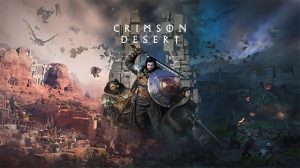
- Crimson Desert
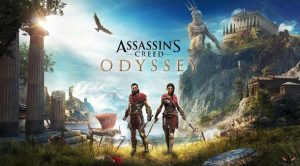
- Assassin’s Creed Odyssey
Found something worth playing through DecideGame?
DecideGame.com is an independent gaming project run by Editor Zero. If this guide helped you discover a game, solve a problem, or find useful information, you can support DecideGame.com and help keep new and updated game guides coming.
DecideGame — PC Game Guides, Reviews & Setup Help