
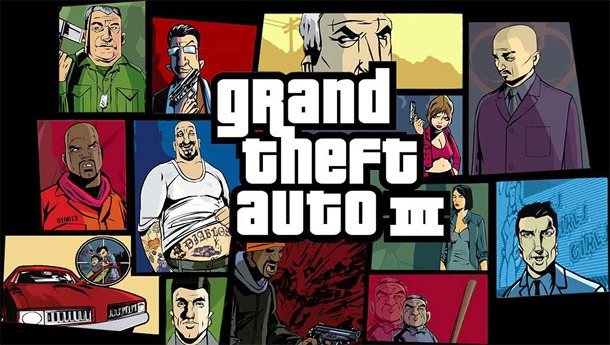
📅 Game released: 2001
Grand Theft Auto III drops silent getaway driver Claude into Liberty City, a hostile open-world crime sandbox built around driving, gang jobs, shootouts, and wanted-level escapes. This PC guide compares the classic game with the Definitive Edition, explains official store and download options, and covers system requirements, Steam Deck, mods, widescreen fixes, and setup.
 By Editor Zero — independently researched, edited, and maintained.
Last updated: 7 November 2026
Last reviewed: 7 November 2026
Table of Contents
- Quick Facts
- Official PC Stores, Download & Installation
- Grand Theft Auto III Review
- Pros & Cons
- PC System Requirements
- Frequently Asked Questions
- Similar Games
Grand Theft Auto III Quick Facts
- Game: Grand Theft Auto III / GTA 3 / Grand Theft Auto III – The Definitive Edition
- Developer: DMA Design (later Rockstar North) for the original; Definitive Edition adapted by Grove Street Games for Rockstar Games
- Publisher: Rockstar Games
- Genre: Action-Adventure, Open World, Third-Person Shooter, Sandbox
- Release: October 22, 2001 (PS2); Windows PC: May 20, 2002; Definitive Edition: November 11, 2021 (including Windows PC)
- Platforms: Original and legacy ports: PS2, Xbox, Windows PC, macOS, PS3, PS4, iOS, Android; Definitive Edition: Windows PC, PS4, PS5, Xbox One, Xbox Series X|S, Nintendo Switch, iOS, Android
- PC Packages: Rockstar’s classic Grand Theft Auto: The Trilogy; Grand Theft Auto: The Trilogy – The Definitive Edition; GTA+ subscription access while included in its PC library
- Steam Deck: Playable for the Steam Definitive Edition; first-time online setup and occasional launcher/input interaction may be necessary
- Engine: RenderWare (original); Unreal Engine (Definitive Edition)
- Modes: Single-player; no official multiplayer, co-op, split-screen, or cross-play in the PC releases
- Community: Steam Discussions, GTA 3 Reddit Community, GTAForums GTA III
- PC modding: Classic GTA III mods on Nexus Mods include widescreen, restored effects, scripts, vehicles, and compatibility fixes; Definitive Edition mods require remaster-specific files
- Metacritic score: 93/100 (original Windows PC release)
- IGN score: 9.4/10 (original Windows PC review)
- GameSpot score: 9.3/10 (original Windows PC review)
- Steam user reception: Mixed overall (Definitive Edition Steam release)
Official PC Stores, Download & Installation
👇 Compare the official PC purchase, download, installation, ownership, and subscription options below before choosing a GTA 3 version.
- PC versions: GTA 3 has two main official Windows PC routes: the original game inside Rockstar’s classic Grand Theft Auto: The Trilogy package and the remastered Grand Theft Auto III – The Definitive Edition inside the Definitive Edition Trilogy.
- Steam: The Steam listing for Grand Theft Auto III – The Definitive Edition is tied to Grand Theft Auto: The Trilogy – The Definitive Edition, which also contains GTA Vice City and GTA San Andreas.
- Epic Games Store: GTA III – The Definitive Edition is included in the Grand Theft Auto: The Trilogy – The Definitive Edition bundle; Epic’s individual GTA III page directs purchases through that bundle.
- Rockstar Store: Rockstar sells Grand Theft Auto: The Trilogy – The Definitive Edition for Rockstar Games Launcher with all three remastered games in one package.
- Classic Trilogy: Rockstar separately sells Grand Theft Auto: The Trilogy containing the classic PC versions of GTA III, Vice City, and San Andreas.
- Legacy Steam ownership: The original standalone GTA III Steam app is retired and no longer available as a new Steam purchase. Existing owners can retain their library entitlement.
- GTA+: The Definitive Edition Trilogy, including GTA III, is listed in the GTA+ PC Games Library. Access lasts only while the membership is active and the title remains included.
- Definitive Edition features: The remaster adds GTA V-style controls and targeting, upgraded lighting and environments, higher-resolution textures, longer draw distances, achievements, a full map, waypoints, autosaving, and Classic Lighting mode.
- Rockstar account and activation: Rockstar Games Launcher components, a Rockstar Games account, internet activation, and periodic entitlement verification may be required even when the Definitive Edition is installed through another supported storefront.
- Steam ownership limits: Steam lists a third-party Rockstar Games Social Club account requirement, and the publisher marks the Definitive Edition as ineligible for Steam Family Sharing.
- Steam Deck: Valve rates the Steam Definitive Edition as Playable. First-time setup requires internet, and the launcher may require touchscreen or virtual-keyboard interaction or display non-Deck controller icons.
- Download and installation: Purchase or access the version you want through its official store, install that store client and any required Rockstar Games Launcher components, sign in to the corresponding accounts, and download the owned game or Trilogy through your library. If using Steam or Epic, complete Rockstar account linking when prompted during first launch.
- Mod compatibility: The original and Definitive Editions use different engines, executables, save structures, and mod ecosystems. Install only mods that explicitly support the exact version you own.
 View GTA 3 – The Definitive Edition on Steam
 Buy GTA: The Trilogy – The Definitive Edition on Epic Games Store
 Buy GTA: The Trilogy – The Definitive Edition on Rockstar Store
Buy the Classic GTA Trilogy on Rockstar Store
View GTA+ PC Membership on Rockstar Store

Grand Theft Auto III Review
A bleak, compact crime sandbox where Liberty City, player improvisation, and hard-earned route knowledge still matter more than the thin story and dated gunplay
Grand Theft Auto III remains important because it helped establish the modern 3D open-world crime game, but historical importance alone would not make it enjoyable today. What keeps it playable is Liberty City itself: a cold, compact urban machine full of traffic, police, gangs, shortcuts, hidden weapons, radio chatter, industrial roads, alleys, bridges, tunnels, and criminal contacts who treat Claude as useful until he becomes inconvenient.
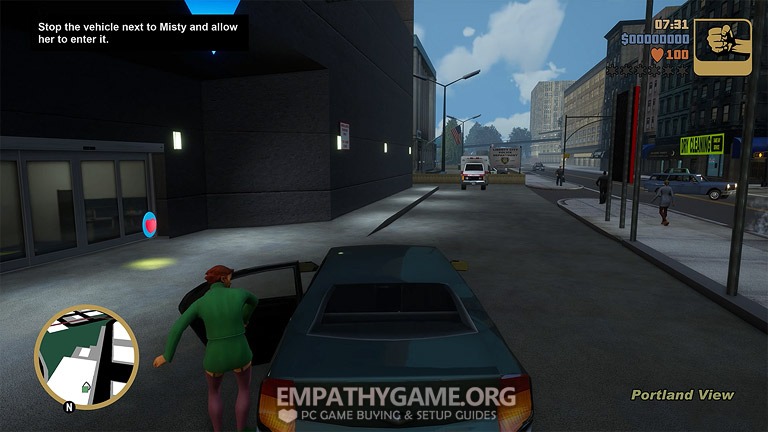
The game is much smaller and less mechanically rich than later GTA entries. Claude never buys businesses, changes appearance, builds character statistics, or develops through dialogue. Missions are often short, checkpoints are limited, shooting is clumsy, cars flip too easily, and story progression can make whole districts dangerously hostile. Yet the simplicity also creates focus. The player learns the city instead of merely following a GPS line, and routine jobs often collapse into memorable chaos because traffic, police, gang hostility, vehicle damage, and mission scripting collide naturally.
The Definitive Edition reduces some of the original friction with a weapon wheel, modernized aiming, a full map, waypoints, autosaving, quicker restarts, and improved presentation. Those changes can make the game substantially easier to approach, especially because switching weapons no longer means cycling blindly during a firefight. But they do not redesign the old missions or turn Liberty City into a modern simulation. GTA III remains a harsh early-2000s sandbox, whether played through the remaster or a carefully configured classic PC version.
Liberty City Is the Real Star
Claude is the playable character, but Liberty City carries most of the personality. Portland, Staunton Island, and Shoreside Vale each have a clear identity, and the island-by-island unlock structure makes expansion feel like progress. The player does not begin with an enormous map available for tourism. They learn one part of the city, complete work for its criminals, survive a major transition, and then gain access to a new district with different roads, employers, threats, and opportunities.
Portland is industrial, dirty, and tightly connected. Docks, factories, elevated rail lines, red-light streets, Mafia territory, steep roads, narrow alleys, and waterfront routes create a city that feels worn down rather than glamorous. Staunton Island brings wider roads, office towers, construction zones, parks, casinos, and richer criminal networks. Shoreside Vale mixes suburban streets, airport roads, hills, tunnels, dams, and Colombian Cartel territory into the least intuitive but most varied island.
The city feels heavier than its limited interaction would suggest. Rain, fog, muted colours, distant sirens, traffic noise, dark roads, and overcast skies create a bleak identity. Classic Lighting in the remaster helps restore more of that gloomy character. It is not a perfect recreation of every original effect, but the city once again looks closer to the rainy, grey place players remember rather than a brightly cleaned-up version of it.
The map’s compactness is a strength. A player becomes intimately familiar with police bribes, hidden weapons, useful cars, garage locations, alley escapes, steep shortcuts, tunnels, and routes between mission contacts. That local knowledge is harder to develop in a huge map. Liberty City may contain less, but the player is more likely to remember where that content is.
Claude’s Silence Can Feel Empty or Liberating
Claude never speaks, explains himself, argues with employers, or reflects on Catalina’s betrayal. He reacts through brief body language and then continues working. Compared with later GTA protagonists, he can seem emotionally blank. The story has little interest in his inner life, and most character comes from the people giving him orders.
That thinness is a legitimate weakness. Salvatore Leone’s paranoia, Asuka Kasen’s confidence, Ray Machowski’s fear, Donald Love’s opportunism, and Catalina’s theatrical cruelty are far more expressive than Claude. The plot moves through betrayal, gang conflict, corruption, and revenge, but it rarely becomes emotionally involving in the way later Rockstar stories do.
At the same time, Claude’s silence gives the sandbox a different kind of immersion. Because he has so little stated personality, random street crimes, reckless driving, side activities, and improvised chaos can feel more like the player’s story than a contradiction with a heavily written character. From Vice City onward, GTA increasingly becomes the protagonist’s narrative. GTA III leaves more empty space for the player to inhabit.
That makes Claude divisive rather than simply inferior. Players who want a developed lead will find him flat. Players who enjoy old-school silent protagonists may appreciate how little he interferes with the fantasy of being dropped into a criminal city and deciding what kind of trouble to create.
Driving Still Holds the Game Together
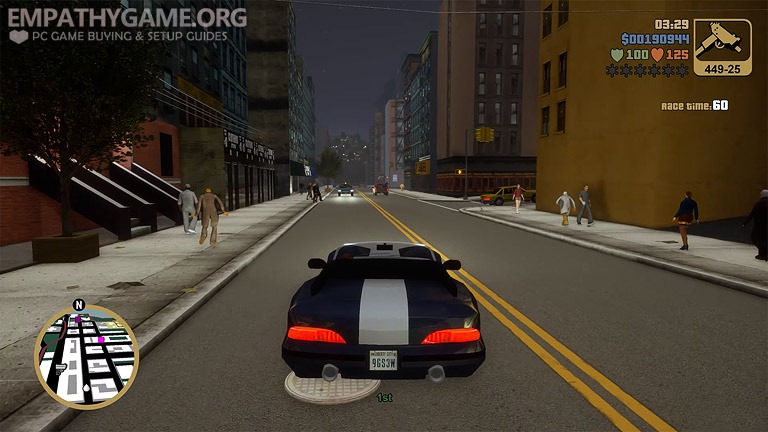
Driving remains the strongest everyday mechanic. Cars have distinct weight, speed, durability, and handling characteristics. Sedans lean through corners, vans feel slow and heavy, sports cars trade stability for speed, and emergency vehicles open separate side activities. Learning which vehicle suits which route becomes part of mission preparation.
The handling is also one of the game’s most obvious age-related problems. Many cars feel floaty, and a small swerve can send a vehicle into a spin or flip. Once a car lands upside down, it catches fire quickly and gives Claude little time to escape. That can be funny during free roam and infuriating when failure is one junction away from a mission objective.
Traffic increases the unpredictability. Civilian cars can block turns, collide at intersections, or push a damaged mission vehicle toward destruction. The city sometimes feels alive precisely because it refuses to cooperate. At other times, it feels like the game destroyed a clean attempt through randomness.
The remaster improves stability and general usability in places, but the original physical character remains. GTA III driving is not realistic, and it is not as smooth as later GTA handling. It works because the city is built around short routes, narrow escapes, quick vehicle theft, and the constant possibility that a routine drive will become a police chase.
The Wanted System Turns Mistakes Into Stories
The wanted system is simple by modern standards but effective because it overlaps with the rest of the sandbox. Minor crimes attract patrol officers. Higher levels introduce roadblocks, spike strips, SWAT teams, the FBI, and eventually the army. Escaping requires more than driving quickly in a straight line.
A damaged car may need to be abandoned before it explodes. A police bribe can reduce pressure if the player remembers its location. Pay ’n’ Spray can end a pursuit if Claude reaches it in an acceptable vehicle. Alleys, tunnels, ramps, bridges, and sudden vehicle changes all become survival tools.
The system creates unscripted stories because traffic and police do not pause for missions. A simple delivery can become a chase after one collision, while an escape route that worked on Portland may fail once hostile gangs enter the picture. Later games use more sophisticated pursuit logic, but GTA III’s compact geography keeps escaping partly about local knowledge.
Shooting Is the Weakest Core Mechanic
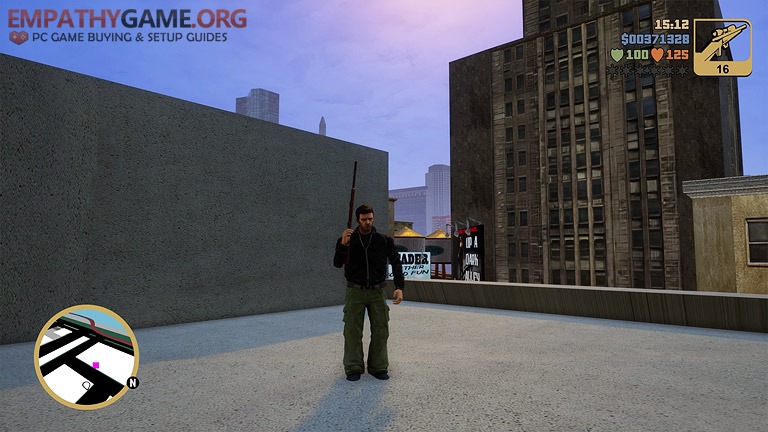
Gunplay has aged much worse than driving. Classic lock-on can select the wrong enemy, struggle with groups, or behave awkwardly when targets stand at different heights. Claude cannot use a modern cover system, movement during combat is stiff, and close-range fights often become ugly circles around armed opponents.
The weapon selection is broad enough to create options. Pistols, shotguns, assault rifles, sniper rifles, grenades, Molotov cocktails, rocket launchers, and heavy weapons all solve different problems. The issue is not the arsenal. It is the act of aiming and surviving while enemies use simple but damaging AI.
The Definitive Edition’s third-person aiming and weapon wheel are meaningful improvements. The wheel is especially valuable because it lets the player reach the correct weapon immediately instead of cycling through the entire inventory under fire. Modernized targeting also makes missions more readable without changing their structure.
Those improvements can already be approximated through classic PC mods, which is why the remaster may feel less transformative to experienced PC players. But for someone who wants an official version without building a mod setup, the modern aiming and weapon wheel can make difficult missions far less irritating.
Even with better controls, encounter design remains old. Enemies stand in crude positions, rush unpredictably, or deal heavy damage before the player can react. The remaster improves access; it cannot make the gunplay elegant.
Mission Design Rewards Preparation but Punishes Failure
GTA III missions are often mechanically simple: steal a car, collect someone, destroy a target, escort a vehicle, assassinate an enemy, survive an ambush, or deliver something before time expires. The context and city routes give these jobs more personality than their objective lists suggest.
Bomb Da Base is memorable because it combines preparation, positioning, and sniper fire. Payphone assassinations often reward choosing the right weapon or vehicle before starting. Import and delivery jobs encourage knowledge of Liberty City rather than raw combat skill.
The most frustrating missions expose the lack of checkpoints. Espresso-2-Go! asks players to destroy targets spread across multiple islands after the timer begins, with limited guidance in older versions. Success is much easier if the stands are scouted first and the route is planned before attacking the first one. The Exchange removes Claude’s weapons before a timed, heavily defended final assault, turning preparation and dropped enemy weapons into part of the challenge.
Failure can mean another drive, another armor pickup, another weapon purchase, and another unskippable or partially repeated sequence. This is tolerable when failure feels deserved. It is much harder to forgive when a traffic collision, flipped car, or badly communicated objective ruins the attempt close to completion.
The Definitive Edition’s autosaving, mission checkpoints, navigation, and quicker retries remove some wasted time. That makes the campaign more comfortable without changing the fact that many objectives were designed around strict routes and early-2000s repetition.
The Story Is Thin, but the Criminal Network Works
The plot begins with Catalina betraying Claude during a bank robbery and leaving him for dead. After escaping custody, Claude enters Liberty City’s criminal network and takes jobs from anyone who offers money, access, or a path forward. Revenge remains the final direction, but it spends much of the campaign in the background.
Early contacts such as Luigi Goterelli, Joey Leone, Toni Cipriani, and Salvatore Leone introduce the city through low-level Mafia work. Later employers expand the scope into Yakuza operations, corrupt policing, surveillance, gang warfare, and corporate manipulation. The jobs become more dangerous as Claude becomes more useful.
The storytelling is fragmented because Claude rarely contributes anything beyond action. Characters talk at him, use him, betray him, and send him elsewhere. There are memorable personalities, but not much emotional continuity. Catalina is important to Claude’s revenge, yet the game does not build that relationship with the depth a modern story would.
This makes the campaign refreshingly direct, but it can also make the story feel barely present. GTA III is stronger as a criminal sandbox with recurring characters than as a character drama.
The Radio Gives Liberty City a Voice
Radio stations add more personality than many cutscenes. Chatterbox FM turns callers, Lazlow, and public absurdity into a portrait of the city’s culture. Game Radio FM brings underground hip-hop, MSX FM adds drum and bass, and Flashback 95.6 strengthens the connection to crime-film influences.
Advertisements, news updates, talk shows, and station personalities make Liberty City sound cynical, commercial, violent, and ridiculous. The humour is harsher and uglier than in some later games, fitting a city where almost every relationship is transactional.
The radio improves driving because tracks, callers, and roads quickly become linked in memory. Licensing means releases may not contain every historical song, but the station design remains central. Liberty City lacks a voiced protagonist, so its radios do some of the talking for him.
Progression Comes From Access and Knowledge
GTA III has no character statistics, clothing system, purchasable businesses, or large property economy. Money pays for weapons, armor, resprays, and practical needs, but it eventually becomes almost irrelevant because there are few meaningful long-term purchases.
The real progression is access. New islands open. New employers appear. Stronger weapons become available. Hidden-package rewards accumulate at safehouses. The player learns faster routes, safer alleys, reliable vehicle spawns, and preparation points near difficult missions.
That knowledge creates a satisfying transformation. Portland feels confusing during the opening and familiar later. Staunton Island first appears wide and exposed, then becomes a network of useful roads. Shoreside Vale remains awkward longer, but even its hills, airport routes, tunnels, and bridges become manageable.
This progression is less visible than CJ’s growth in GTA San Andreas, but it suits GTA III’s colder design. Claude does not become a different person. The player becomes better at using Liberty City.
Side Missions Should Be Done Early
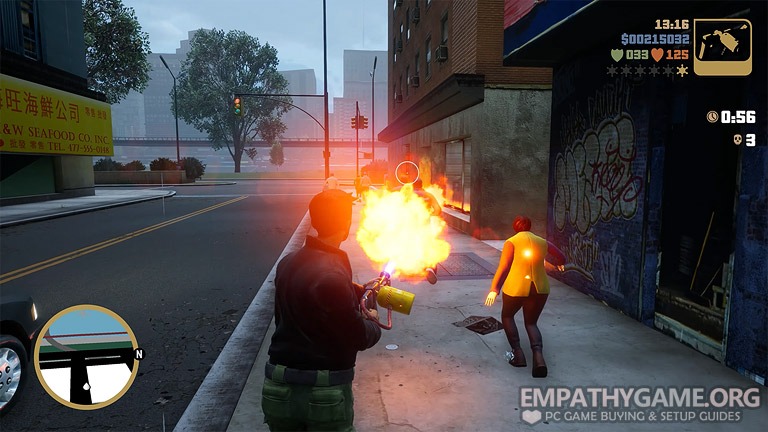
Completion planning matters because the city becomes more dangerous as the story progresses. Gangs that were once neutral or manageable can become permanently hostile, and some eventually use shotguns or automatic weapons. A route that was safe during the opening can become a death trap later.
Paramedic, Firefighter, Vigilante, Taxi, hidden packages, rampages, stunt jumps, import/export work, and other activities are therefore easier when completed early. Paramedic is especially punishing because the ambulance must survive a long uninterrupted run while collecting patients efficiently. Attempting it after gangs become heavily armed can turn every street into an ambush.
Early hidden-package collection is valuable because rewards appear at safehouses. Weapons, armor, and police bribes near save points reduce preparation time. Money may not matter much, but convenient supplies do.
A bulletproof vehicle obtained from the payphone race chain can also simplify several later missions. Preserving unusual mission vehicles is part of old GTA mastery: the game rarely explains how valuable they may become, but experienced players learn to exploit them.
This structure is both interesting and unfair. The world remembers Claude’s criminal path through hostility, but players can unknowingly make completion much harder. A first-time player focused only on story progress may discover too late that the ideal order was never communicated.
Completion Content Is Uneven and Sometimes Cruel
GTA III includes one hundred hidden packages, twenty rampages, twenty unique stunt jumps, emergency-service jobs, import/export lists, RC Toyz challenges, off-road events, taxi work, and other activities required for full completion.
Some of this content fits the sandbox well. Hidden packages reward exploration and gradually improve safehouses. Import/export garages make vehicle recognition useful. Rampages provide short bursts of destruction with weapon-specific goals.
Other challenges feel almost hostile. The hidden checkpoint vehicle missions in Portland, Staunton, and Shoreside Vale can demand awkward routes, unforgiving vehicle control, and precise knowledge of terrain. The beach and mountain-area challenges are particularly easy to remember for the wrong reasons.
Cars flipping, timers continuing, poor terrain feedback, and limited retry convenience turn these activities into tests of patience as much as skill. Dedicated players can still enjoy mastering them—some complete the game repeatedly across PC and original console versions—but 100% completion is not required to appreciate Liberty City.
The completion path suits players who enjoy checklists and route optimization. Everyone else can appreciate Liberty City without chasing every hidden checkpoint.
The Definitive Edition Is Easier to Recommend Than It Was
The Definitive Edition launched with major problems, but its accumulated fixes and Classic Lighting mode make it easier to recommend than the launch build. The weapon wheel, modernized aiming, pause-menu map, waypoints, autosaving, improved frame rate targets, higher-resolution assets, and better retry convenience all reduce the original game’s harshest barriers.
The weapon wheel may be the single most useful change. GTA III frequently expects the player to react quickly during crude firefights. Reaching a shotgun, assault rifle, grenade, or rocket launcher immediately makes encounters less chaotic and reduces deaths caused by cycling past the required weapon.
The full map is similarly important. The original GTA III had only the radar and required players to learn Liberty City through observation, printed maps, or memory. That design encouraged geographical knowledge, but it also made multi-island missions unnecessarily opaque for newcomers. Waypoints reduce confusion while leaving route choice largely intact.
The downside is that many improvements are features classic PC mods already provide. Players comfortable installing widescreen fixes, modern controls, restored effects, and interface upgrades may prefer the original atmosphere and mature mod ecosystem. The remaster is most valuable as a convenient official package rather than a complete reinvention.
GTA III’s Influence Is Clear, but Its Identity Is Still Its Own
Later GTA games expanded almost every system. Vice City added a voiced protagonist and property ownership. San Andreas introduced deeper progression, customization, multiple cities, and broader activities. GTA 4 returned to Liberty City with denser simulation, heavier physics, stronger gunplay, and a far more developed protagonist.
GTA III is simpler than all of them, but that simplicity gives it a harsher identity. The city feels indifferent. Claude is disposable to nearly everyone. Money matters less than weapons and routes. Employers disappear, betrayals happen quickly, and the player moves forward because standing still offers nothing.
The compact geography, gloomy atmosphere, silent protagonist, and rough mission structure create a sandbox that feels less cinematic and more impersonal than later entries. It is not the best GTA in every mechanical category. It may be the one that most strongly feels like being dropped into a hostile city and told to survive through usefulness.
Final Verdict
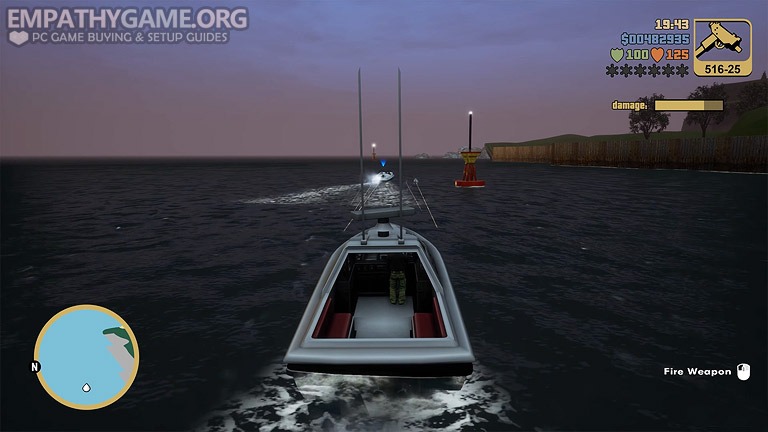
Grand Theft Auto III remains worth playing because Liberty City still works as a compact, dangerous crime sandbox. Driving, wanted levels, radio stations, island-by-island expansion, side activities, and route knowledge create a foundation that later GTA games made larger and smoother without completely replacing.
Its weaknesses are obvious. Shooting is crude, cars are floaty and easy to flip, mission checkpoints are limited, objectives can communicate too little, gang hostility can punish late completion attempts, and Claude provides almost no emotional story. Some side challenges feel deliberately cruel, while failure near the end of a mission can waste far too much time.
The Definitive Edition now removes enough friction to be a practical entry point. Its weapon wheel, updated aiming, map, waypoints, autosaving, quicker restarts, improved presentation, and Classic Lighting make the campaign easier to understand and control. Classic PC players can reproduce many of those improvements through mods while preserving more of the original look, but that requires more setup.
GTA III is not a modern open-world game with an old skin. It is a leaner, harsher design where the player’s greatest upgrade is familiarity with the city. Those expecting detailed character drama, generous checkpoints, deep progression, or polished combat may find it primitive. Those who enjoy bleak atmosphere, criminal improvisation, compact geography, and a sandbox where one bad turn can become a memorable disaster will still find Liberty City compelling.
Grand Theft Auto III Pros & Cons
- Pro: Liberty City’s industrial districts, rain, fog, radio stations, traffic, gangs, crime, and bleak atmosphere still give GTA 3 a distinct identity within the series
- Pro: The open structure lets missions, hidden packages, emergency-service activities, vehicle exports, rampages, stunt jumps, and unrestricted exploration overlap naturally
- Pro: PC players can choose the Definitive Edition for modern controls and achievements or Rockstar’s classic Trilogy for the original presentation and legacy modding
- Pro: Classic Lighting mode and accumulated fixes make the remaster more faithful and stable than its widely criticized launch build
- Pro: The classic PC version has a mature mod scene covering widescreen support, restored effects, controller improvements, visual fixes, quality-of-life changes, and gameplay overhauls
- Con: Mission checkpoints are limited, difficulty can spike sharply, and failed missions may require long drives and repeated preparation
- Con: Claude’s silence and the relatively simple story feel less developed than the protagonists, dialogue, progression, and activities in later GTA games
- Con: PC access is fragmented because the original standalone Steam app is retired and ownership may depend on Trilogy packages, launchers, accounts, or GTA+ access
- Con: Definitive Edition models, environmental changes, remaining bugs, and incompatibility with classic mods remain divisive among longtime players
Grand Theft Auto III PC System Requirements
OFFICIAL WINDOWS PC REQUIREMENTS FOR GRAND THEFT AUTO III – THE DEFINITIVE EDITION:
MINIMUM:
OS: Windows 10, 64-bit
CPU: Intel Core i5-6600K / AMD FX-6300
RAM: 8 GB
GPU: NVIDIA GeForce GTX 760 2 GB / AMD Radeon R9 280 3 GB
Storage: 45 GB available space
RECOMMENDED:
OS: Windows 10, 64-bit
CPU: Intel Core i7-2700K / AMD Ryzen 5 2600
RAM: 16 GB
GPU: NVIDIA GeForce GTX 970 4 GB / AMD Radeon RX 570 4 GB
Storage: 45 GB available space
Additional: Installation and activation require Rockstar Games Launcher, a Rockstar Games account, and an internet connection; periodic entitlement verification may also require internet access. DirectX, Microsoft Visual C++ redistributables, Chromium components, and Rockstar authentication software may be installed as part of setup.
Additional PC Performance and Setup Notes
- Classic PC widescreen (16:9): The original GTA III can distort the HUD, field of view, and aiming when using its built-in widescreen option. For a more accurate result, get ThirteenAG’s GTA III Widescreen Fix from the creator’s release page. Back up your unmodified game folder, download the GTA3.WidescreenFix ZIP, and extract its contents into the folder containing
gta3.exe. Select your screen resolution in the game; the fix adjusts the aspect ratio, HUD, field of view, and cutscenes. Its optional settings are inGTA3.WidescreenFix.ini. The creator recommends the original v1.0 executable, although other versions may work; verify compatibility with your installed classic build and avoid mixing it with Definitive Edition mods. This fix does not solve high-frame-rate game-logic problems. - Storage planning: Rockstar lists 45 GB in its Definitive Edition PC requirements, while the separate GTA III Steam listing specifies 5 GB. These figures reflect different store/package presentations; leave extra free space for the Rockstar launcher, downloads, and updates.
- Busy city scenes in the Definitive Edition can become CPU- or engine-limited. If frame pacing is uneven, prioritize a stable frame rate and reduce demanding options such as shadows, reflections, effects, draw distance, or resolution scale rather than assuming resolution alone will solve the bottleneck.
- Use Steam, Epic Games Store, or Rockstar Games Launcher file verification before reinstalling if the Definitive Edition crashes, fails to launch, or displays missing assets.
- Steam Deck players should complete the first Rockstar account setup with an active internet connection and use the touchscreen or virtual keyboard if launcher navigation does not respond normally.
- For the Steam Deck OLED fatal-error issue documented by Rockstar, enter
%command% -dx12in Steam Launch Options before starting the game. - Classic GTA 3 mods are highly version-sensitive. Keep a clean installation and backup saves before installing ASI loaders, script mods, widescreen fixes, restored-effects projects, texture packs, or vehicle replacements.
- Definitive Edition modifications belong in the remaster’s own folder and should explicitly support the Steam, Epic, or Rockstar build you are using.
- Do not load a heavily modified save into a clean or incompatible installation without backing it up first, especially when changing mission scripts, map files, vehicles, or total-conversion content.
Video Trailer
Frequently Asked Questions
Which GTA III PC version should I choose: classic or Definitive Edition?
The Definitive Edition is easier to approach thanks to modern targeting, a weapon wheel, an in-game map, waypoints, autosaves, and achievements. The classic version retains its original visual style and established mod ecosystem. The two versions use different engines and do not share the same mod files.
Where can I officially buy and download GTA 3 for Windows?
Steam, Epic Games Store, and Rockstar Store provide official Definitive Edition purchasing routes, generally through the Definitive Edition Trilogy. Rockstar also offers the original PC game within its separate classic Trilogy package. Check the Official PC Stores section above for verified links and the differences between purchase and subscription access.
Can I buy the original GTA III on Steam or reinstall a copy I already own?
The original standalone Steam release is no longer sold to new customers. If you purchased it previously, you can normally reinstall it from the Steam library associated with that account. A new purchase on Steam uses the Definitive Edition route instead.
Is GTA III available through GTA+ without purchasing it?
The Definitive Edition Trilogy is listed in the GTA+ PC Games Library. This is subscription access, not permanent ownership: an active membership and continued inclusion in the library are required.
Can GTA III be played offline on PC?
GTA III is a single-player game and does not need a continuous connection for ordinary play after setup, but Rockstar account sign-in, first-time activation, updates, and periodic entitlement verification can require internet access depending on the version and storefront.
Does GTA III have a world map, GPS, or waypoints?
The classic PC release has a radar but no full pause-menu city map or modern GPS. The Definitive Edition adds a full world map and destination waypoints, which help with missions spanning Portland, Staunton Island, and Shoreside Vale.
Which missions can be missed, and when should I save?
Certain missions become unavailable when story progression removes or turns against a particular employer. Complete open mission chains and payphone jobs before advancing another contact too far, and keep multiple manual save slots. Definitive Edition autosaves and quicker retries help with failures, but they do not remove every mission lockout.
What is required for 100% completion, and how many hidden packages are there?
The checklist includes required story and payphone missions, emergency-service and Taxi work, RC Toyz and off-road challenges, import/export collections, 100 hidden packages, 20 rampages, and 20 unique stunt jumps. Collecting packages at milestones also unlocks useful safehouse pickups. Keep a checklist because the game does not track every missing task clearly.
Which side activities should I finish early?
Paramedic, Vigilante, Firefighter, and Taxi missions are easier to plan before later gang hostility makes some routes dangerous. Paramedic is particularly demanding because Level 12 must be completed in a single uninterrupted run. The associated activities also contribute to full completion and various rewards.
How do GTA III Import/Export garages work?
Each collection point requests specific vehicles. Deliver those cars or emergency vehicles to the correct garage or crane; finishing the relevant lists counts toward 100% and lets you obtain the collected vehicle models again through the completed collection points.
Why are Espresso-2-Go! and The Exchange so difficult?
Espresso-2-Go! becomes much more manageable if you identify the coffee stands across the islands before destroying the first one and starting the timer. The Exchange strips Claude of his weapons and rewards preparing a fast route and knowing where useful equipment can be acquired.
Can Claude swim, and is the Dodo really flyable?
Claude cannot swim in either edition, so deep water is lethal. The Dodo can be flown, but its clipped wings make sustained flight far harder than piloting aircraft in later GTA games; it is an optional handling challenge rather than a straightforward transport option.
Do cheats affect saves or achievements?
Use a separate manual save before experimenting with cheats. They can change pedestrian or traffic behavior and complicate missions; on achievement-enabled versions, using cheats can also prevent achievements or trophies from unlocking.
Does GTA III have multiplayer, co-op, or split-screen?
No. The official GTA III PC releases are single-player only, with no built-in online multiplayer, campaign co-op, local split-screen, LAN, cross-play, or cross-progression.
Can I install classic GTA III mods in the Definitive Edition?
No, not directly. The original runs on RenderWare, while the remaster uses Unreal Engine. ASI, CLEO, widescreen and other classic modifications require the appropriate classic executable and should not be mixed with remaster-only mods. Back up saves and keep a clean installation before changing files.
How can I improve GTA III widescreen support and controller setup on Windows?
The Definitive Edition provides modern controller support and handles modern display resolutions more cleanly. For the classic game, the Additional PC Performance and Setup Notes above link directly to ThirteenAG’s Widescreen Fix and explain where to install it. Use a separate version-compatible solution for legacy controller or input problems; very high frame rates can still disrupt the original game’s timing.
Does GTA III work on Steam Deck?
Valve rates the Steam Definitive Edition as Playable. First-time account setup requires internet access, and Rockstar Launcher screens can need touchscreen or virtual-keyboard input. This rating applies to the Steam remaster, not automatically to a separate installation of the original GTA III.
Still have questions? Check the GTA 3 subreddit, Rockstar’s GTA III support portal, and Steam Discussions.
Sources & References
Key factual and technical information in this guide was checked against relevant official and community sources, including:
- Rockstar Store — Grand Theft Auto: The Trilogy – The Definitive Edition — package contents, remaster features, PC system requirements, launcher, account, activation, and entitlement requirements
- Rockstar Store — Grand Theft Auto: The Trilogy — official availability of the classic GTA III, Vice City, and San Andreas PC package
- Rockstar Store — GTA+ for PC — GTA+ PC Games Library inclusion and subscription-access conditions
- Steam — Grand Theft Auto III – The Definitive Edition — Steam availability, single-player status, Rockstar account requirement, achievements, and overall user reception
- Rockstar Games Support — Classic Lighting notes — verification that Classic Lighting and accumulated fixes are part of the Definitive Edition
- PCGamingWiki — Grand Theft Auto III — original PC release date plus classic Windows, widescreen, frame-rate, and compatibility context
- ThirteenAG — Grand Theft Auto III Widescreen Fix — creator’s release page, supported installation directory, and FOV/HUD/cutscene corrections for the classic PC version
Similar Games Like Grand Theft Auto III
- GTA Liberty City Stories
- GTA Vice City
- GTA San Andreas
- GTA Chinatown Wars
- The Godfather
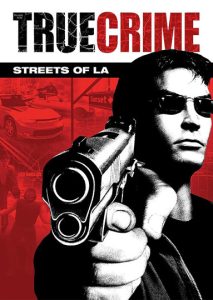
- True Crime: Streets of LA



Found something worth playing through DecideGame?
DecideGame.com is an independent gaming project run by Editor Zero. If this guide helped you discover a game, solve a problem, or find useful information, you can support DecideGame.com and help keep new and updated game guides coming.
DecideGame — PC Game Guides, Reviews & Setup Help