

📅 Game released: 2009
Use this updated 2026 X-Men Origins: Wolverine Uncaged Edition PC guide to check official download status, retail ownership and installation options, system requirements, SecuROM compatibility, and practical setup guidance for Raven Software’s Windows version.
 By Editor Zero — independently researched, edited, and maintained.
Last updated: 26 September 2026
Last reviewed: 26 September 2026
Table of Contents
- Quick Summary
- Quick Facts
- Official PC Stores, Download & Installation
- X-Men Origins: Wolverine Uncaged Edition Review
- Pros & Cons
- PC System Requirements
- Frequently Asked Questions
- Similar Games
X-Men Origins: Wolverine Uncaged Edition Quick Summary
✔ Single-player third-person action-adventure and beat ’em up built around Wolverine’s claws, regeneration, lunging attacks, rage abilities, combo upgrades and brutal finishing moves
✔ The Uncaged Edition is Raven Software’s full PC, PS3 and Xbox 360 version rather than the substantially different PS2, Wii and handheld adaptations
✔ Similar to Deadpool through its character-focused Marvel action, combo-heavy melee combat, upgrades, cinematic encounters and aggressive third-person pacing
✔ The Windows release expands beyond the movie’s story with additional locations and encounters while retaining Hugh Jackman, Liev Schreiber and will.i.am in their film roles
✔ No active official digital PC storefront was verified; the original Windows release was sold at retail and uses legacy SecuROM copy protection
✔ Existing retail owners should expect a DirectX 9.0c-era game designed for Windows XP and Vista, making compatibility preparation and save backups useful on modern Windows systems
X-Men Origins: Wolverine Uncaged Edition Quick Facts
Official PC Store Status, Download & Installation
👇 Use the notes below to understand the current official PC availability status for X-Men Origins: Wolverine Uncaged Edition and avoid unsafe or unofficial acquisition options.
- PC availability: No active official Windows PC digital storefront was verified. The Raven Software PC release was historically sold as a retail Games for Windows title rather than through a currently available Steam, Epic Games Store, GOG or Microsoft Store product page.
- Uncaged Edition: Windows PC received Raven Software’s Uncaged Edition, the same main version family released for PS3 and Xbox 360. The PS2, Wii, PSP and Nintendo DS releases are separate adaptations and should not be used as the basis for PC requirements, compatibility or review scores.
- Retail ownership: Existing owners should install from their legitimate original PC media and retain any packaging, discs and purchase materials associated with that copy. This guide does not link to unofficial copies, abandonware mirrors or key marketplaces.
- SecuROM: The retail Windows version uses SecuROM 7.39.0006. Because the game was designed for the Windows XP/Vista era, copy-protection behavior can be an additional compatibility variable on newer Windows installations; this guide does not recommend bypassing or replacing the game’s DRM.
- GOG status: GOG lists X-Men Origins: Wolverine Uncaged Edition in Dreamlist for preservation voting rather than as a purchasable GOG product.
- Legacy DirectX: The game was built for DirectX 9.0c. If a legitimate installation reports missing legacy DirectX components, Microsoft’s official DirectX End-User Runtimes package supplies optional side-by-side libraries used by many older Windows games without replacing the modern DirectX version installed with Windows.
- Weapon X Arena: The additional Weapon X Arena modes were never officially released for Windows PC, so they should not be treated as included PC DLC or as part of a normal retail installation.
- PC fixes & backups: PCGamingWiki documents configuration tweaks and compatibility information for the retail version. Back up the game’s save and configuration folders before applying community modifications, and prefer documented technical fixes over altered game executables from untrusted sources.
 Download Microsoft DirectX End-User Runtimes (June 2010)

X-Men Origins: Wolverine Uncaged Edition Review
Brutal movement, regeneration and surprisingly flexible combat make Wolverine feel right, even when repetition and uneven bosses hold the campaign back.
X-Men Origins: Wolverine Uncaged Edition succeeds for a reason more important than fidelity to its film license: Raven Software built its combat around the way Wolverine should occupy a fight. Logan does not cautiously trade blows from the edge of an arena. He closes distance instantly, absorbs punishment, tears through clustered enemies, uses the environment as a weapon and keeps moving while wounds visibly knit back together. The result is a linear third-person brawler whose best systems reinforce the character rather than merely decorate him.
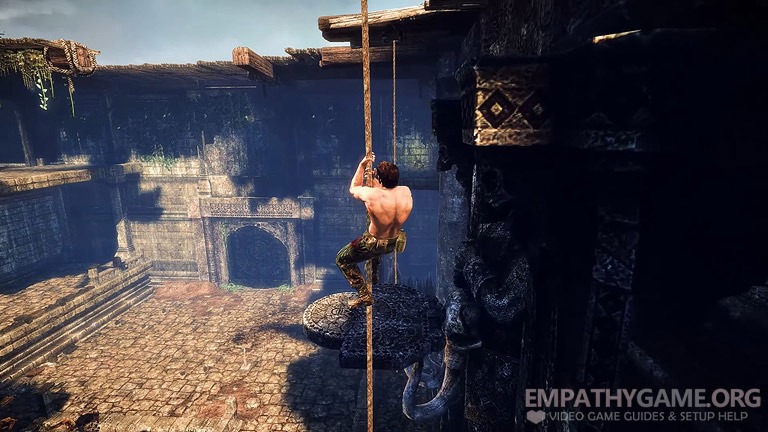
That does not make it a deep character-action game in the Devil May Cry sense. Enemy groups repeat, many encounters eventually fall into familiar rhythms, and the campaign often relies on more bodies rather than new tactical problems. Longer combo strings look impressive in the move list but are not always practical once enemies begin blocking, parrying or interrupting them. Even so, the interaction between lunges, counters, grabs, Rage abilities, regeneration and progression gives the fighting more texture than simple button-mashing suggests. The game is at its best for players who want direct, violent melee action with just enough mechanical variety to make Wolverine feel predatory rather than merely powerful.
The Lunge Makes Every Arena Feel Smaller
The defining move is Wolverine’s lunge. Locking onto an enemy and launching across the room turns distance into a temporary inconvenience, which is exactly what the combat needs when riflemen occupy balconies or spread across wide arenas. A typical encounter can begin with Logan diving into a shooter, finishing at close range, then immediately redirecting toward another target before the group has settled. That constant compression of space keeps fights aggressive and prevents ranged enemies from forcing the game into a slower chase.
The lunge is powerful without being universal. Certain enemies can disrupt it, and bosses can punish attempts to treat every target like an ordinary soldier. The rest of the move set matters because of those exceptions. Light and heavy claw attacks can launch enemies, grabs open brutal Quick Kills and environmental executions, and a well-timed block creates a counter window that can be more valuable than continuing a long string. Spikes, machinery and ledges also reward awareness of the arena rather than pure damage output.
This is where the move list is slightly more impressive on paper than in ordinary combat. Long attack strings exist, but many enemies defend themselves before the later hits can land. In practice, shorter sequences, launchers, counters and situational grabs are often more dependable than trying to complete the flashiest listed combo. That limitation reduces the expressive ceiling, yet it also nudges combat toward improvisation: use a heavy attack to create space, counter an incoming strike, throw one enemy into a hazard, then lunge toward the shooter who has been firing from the far side of the room.
Dodging fits that same rhythm, though the PC control layout is less elegant. The tutorial’s default Shift + Z + direction input is awkward for a reaction-heavy move, even though double-tapping a movement key provides a simpler alternative. It is a small friction point rather than a fundamental control problem, but it stands out because the claw attacks, lunges and grabs otherwise communicate Logan’s speed so immediately.
Regeneration Turns Taking Damage Into Part of the Spectacle
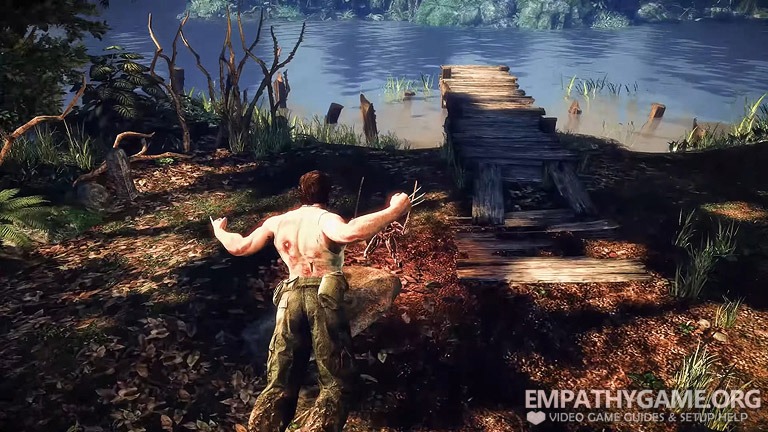
Wolverine’s healing factor is more than a conventional regenerating health bar. Heavy damage tears through clothing and skin, exposes muscle and can reveal parts of his adamantium skeleton before the body rebuilds itself. Watching those layers restore while Logan returns to the fight is one of the game’s most effective pieces of character design because damage becomes visible evidence of what he can survive.
The mechanic also changes the risk model. Sustained pressure can still kill Wolverine, but ordinary groups often struggle to maintain enough damage to stop his recovery once he creates breathing room. That makes Normal difficulty forgiving and sometimes undermines tension: retreating briefly can erase mistakes that would be decisive in another melee game. The trade-off is thematic consistency. Wolverine should feel difficult to contain, and the game wisely makes regeneration something the player reads during combat rather than a passive story fact.
That durability also explains why environmental hazards and scripted failures can feel harsher than normal enemies. A squad of soldiers may gradually lose control of the encounter as Logan heals between bursts of damage, while a missed traversal sequence can simply reset progress. The contrast is occasionally awkward, but the combat itself benefits from letting players take risks that would be reckless for a more fragile protagonist.
Enemy Design Is Best When It Forces a Different Answer
The campaign includes enough enemy types to test individual parts of the toolkit, though it does not introduce new ones quickly enough to prevent repetition. Standard gunmen are ideal lunge targets, while heavier enemies and specialized soldiers push the player toward counters, dodges, grabs or Rage attacks. The more interesting opponents are those that temporarily break the normal flow instead of simply absorbing more claw strikes.
Ghost soldiers are a strong example. Their cloaking device makes them difficult to track conventionally, so Feral Senses becomes a combat tool rather than just a way to highlight routes and puzzle elements. Revealing a Ghost, closing the gap and triggering its Quick Kill can end with Wolverine turning the enemy’s own shotgun against it. It is a small interaction, but it gives Feral Senses a practical purpose in a fight and makes that enemy type feel meaningfully different from another health bar waiting to be lunged at.
Large creatures such as Leviathans and W.E.N.D.I.G.O.s create a different problem, asking for more deliberate evasion and opportunities to attack from safer positions. These encounters are initially effective because they interrupt the rapid soldier-clearing rhythm. Their weakness is repetition: once the correct response is understood, later appearances feel less like new threats and more like pauses before the next standard arena.
The campaign increasingly leans on quantity in the same way. Clearing another room can remain satisfying because the underlying combat has strong impact, but the structure becomes predictable: fight, traverse, solve a light environmental problem, then enter another combat space. The systems stay enjoyable longer than the encounter design stays fresh.
Bosses Expose Both the Strength and the Limits of the Combat
Named fights against characters such as Sabretooth, the Blob and Gambit provide welcome visual and narrative variety, but they are inconsistent tests of the mechanics. Several rely on repeated patterns or special-case behavior rather than asking the player to combine the full move set in a new way. The Blob encounter is memorable for its physical comedy and scale, while some other bosses feel longer than their tactical ideas justify.
The Sentinel is the clear exception. The fight escalates from attacking a massive machine on the ground into a multi-stage airborne sequence, using scale and movement to create something ordinary arenas cannot. It works because spectacle and interaction reinforce each other instead of reducing the player to a spectator. Rather than simply increasing an enemy’s health, the encounter changes the spatial problem and lets Wolverine’s absurd durability become part of the set piece.
The optional costume challenges reveal another side of the combat. Fighting an AI-controlled Wolverine can make habitual lunging much less reliable because the opponent regenerates and can reverse or survive approaches that devastate normal enemies. Counters become far more valuable, turning a familiar defensive mechanic into an efficient answer. It is one of the better demonstrations that the combat system has more useful layers than the campaign always demands.
Progression Rewards Synergy, Not Just Bigger Numbers
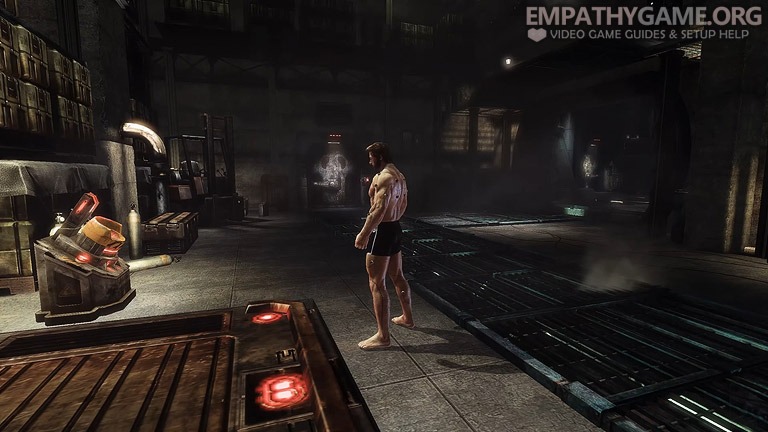
Experience levels Wolverine and feeds upgrades to health, claw damage and Rage abilities, while Combat Reflexes improve his effectiveness against enemy categories as he defeats more of them. Mutagens then add a second layer of customization through passive bonuses. On a first look, these systems can seem like straightforward percentage increases attached to an otherwise linear brawler, but the combinations create some meaningful build logic.
A damage-and-sustain setup illustrates the idea. Art of War strengthens the benefit of developed Combat Reflexes, Savage restores health through damage dealt, and Blood Rage increases Wolverine’s damage when he is close to death. When those effects overlap, aggression can partially support survivability: low health is not automatically a reason to retreat if a stronger burst of damage also returns some health. A defensive setup can instead emphasize faster regeneration, greater maximum health or reduced incoming damage.
The important point is not that the game becomes an RPG. It never does. The campaign still revolves around the same claw combat from beginning to end, and many players will settle into a preferred set of moves long before the upgrade tree is exhausted. Progression works because it reinforces how that player already likes to fight rather than demanding constant equipment management.
Collectibles also serve more than completion percentage. Dog tags, mutagens and Wolverine figures provide reasons to inspect side paths, while the figures unlock costume challenges tied to comic-inspired appearances. Exploration remains light and the environments are too linear to support discovery for its own sake, but these rewards prevent every detour from feeling empty.
The Story Has Better Moments Than Structure
The campaign follows the broad origin framework of the film while expanding beyond it, moving between Logan’s earlier mission in Africa and later events involving Weapon X. That freedom gives Raven room for jungles, laboratories, industrial spaces, casinos and encounters that are more openly comic-book in scale. Hugh Jackman and Liev Schreiber reprise Wolverine and Sabretooth, which helps connect the game to the film even when the material branches away from it.
The problem is the way those pieces are assembled. Frequent jumps between time periods create momentum in individual scenes but weaken the larger narrative line, and some villains enter with less context than their prominence suggests. The game is more convincing when characterization comes through mechanics: Wolverine throwing himself into danger, surviving grotesque injuries and responding to entire squads with aggression says more about Logan than much of the exposition.
Presentation follows the same pattern. Character damage and regeneration remain distinctive, combat sound gives claw strikes and impacts useful weight, and the larger set pieces sell a comic-book scale the quieter environments cannot always match. Some interface choices have aged less gracefully. Large target icons and the bright green lunge indicator can occupy too much visual space during combat, making a system built around instinctive movement look more heavily guided than it needs to be.
Replayability Depends on How Much You Enjoy the Core Fight
Replay Mission lets an existing progression path revisit earlier sections for missed collectibles, additional experience and Combat Reflex development. That is the best way to keep building the same Wolverine after the campaign. Hard difficulty is different: it unlocks as a fresh run rather than a conventional New Game Plus, resetting most progression while leaving unlocked costumes available.
That distinction matters because a second playthrough is not primarily about taking a finished build back through early encounters. Hard asks the player to rebuild while facing more dangerous enemies, so its appeal depends on whether counters, positioning and efficient move selection still feel satisfying after the first run. Alternate costumes and collectible cleanup add secondary goals, but the game does not fundamentally transform on repetition. Its replay value is therefore honest and narrow: come back because the combat is fun enough to master, not because the campaign hides an entirely different route.
Final Verdict
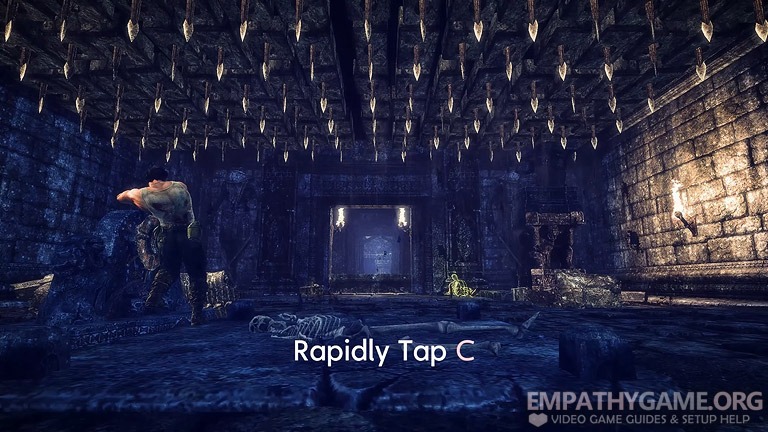
X-Men Origins: Wolverine Uncaged Edition is an uneven action game with a remarkably clear understanding of its protagonist. The lunge makes Wolverine feel impossible to keep at range, regeneration turns damage into spectacle, and counters, grabs, environmental kills, Rage abilities and mutagen combinations provide more tactical texture than the movie tie-in label implies. Small details such as using Feral Senses against cloaked Ghosts or relying on counters in Wolverine-versus-Wolverine challenges show a combat system capable of more than the campaign consistently asks from it.
Its weaknesses are equally clear. Long combos are often interrupted before they become useful, routine encounters repeat too aggressively, several bosses exhaust their ideas before the fight ends, and the fragmented story never becomes as memorable as the violence surrounding it. Normal difficulty can also make regeneration generous enough to flatten tension, while some interface and control choices reveal the game’s age.
What lasts is the physicality of playing Wolverine. Raven built a brawler where movement, healing and brutality all point toward the same fantasy: Logan should feel dangerous when surrounded, not threatened by the fact that he is surrounded. Players looking for intricate combo theory or constantly evolving mission design will find the limits quickly. Players who want a focused, aggressive superhero action game with satisfying claws and just enough progression to support different approaches will find a much stronger adaptation than its film-license origins suggest.
X-Men Origins: Wolverine Uncaged Edition Pros & Cons
X-Men Origins: Wolverine Uncaged Edition PC System Requirements
Important: The original Activision/Raven support destination is no longer available as a normal live product-support page. The specifications below are the historical retail minimum requirements preserved from Raven’s official Q&A material and corroborated by current PC technical references. A separate official recommended hardware tier could not be verified reliably, so one is not invented here.
HISTORICAL RETAIL PC MINIMUM REQUIREMENTS:
OS: Windows XP or Windows Vista
CPU: Intel Pentium 4 3.0 GHz / Intel Core 2 E6300 / AMD Athlon 64 3000+
RAM: 1 GB
GPU: DirectX 9.0c-compatible graphics card with 256 MB VRAM; the published baseline included NVIDIA GeForce 7800 GT-class and ATI Radeon X1800-class hardware
DirectX: DirectX 9.0c
Storage: 8 GB of uncompressed hard-drive space, plus 400 MB for the Windows swap file and approximately 12 KB for saved-game data
Sound Card: DirectX 9.0c-compatible 16-bit sound card
Optical Drive: 6x DVD-ROM drive for the original disc release
Input: Windows-compatible keyboard and mouse
Historical GPU exclusions: The original compatibility list excluded NVIDIA GeForce 8400 cards and ATI Radeon X1800 GTO, Radeon HD 2400, Radeon HD 2600 and Radeon HD 3450 models.
RECOMMENDED:
No separate official recommended specification was reliably verified from the preserved Raven/Activision material. Modern third-party estimates should therefore not be presented as official recommended requirements.
Additional PC Performance and Setup Notes
- The original supported operating systems were Windows XP and Windows Vista. Windows 10 and Windows 11 arrived years later and were not part of Raven’s original support target, so compatibility can vary between modern systems.
- The Windows version uses Direct3D 9.0c. PCGamingWiki documents a Direct3D 10 configuration option but reports that enabling it can cause the game to crash at startup, so it should not be treated as an officially usable graphics mode.
- If required legacy DirectX components are missing, use Microsoft’s official DirectX End-User Runtimes package rather than downloading individual DLL files from third-party websites.
- Configuration files are stored under
%USERPROFILE%\Documents\Wolverine\WGame\Config\, while save data is stored under%USERPROFILE%\Documents\Wolverine\WGame\SaveData\. Back up both locations before experimenting with compatibility or graphics tweaks. - The game supports keyboard and mouse input as well as controllers. Generic DirectInput controllers are documented as supported, although controller behavior can vary with modern hardware and mappings.
- The Windows executable is 32-bit. PCGamingWiki notes that applying a Large Address Aware flag may help stability on some modern systems, but this is a community compatibility measure rather than an official Raven update.
- When troubleshooting a legitimate retail installation, change one compatibility setting at a time and keep clean backups of configuration and save files so changes can be reversed easily.
Video Trailer
Frequently Asked Questions
Is X-Men Origins: Wolverine Uncaged Edition worth playing in 2026?
Yes. Its fast claw combat, lunges, brutal finishing moves, visible regeneration and surprisingly deep progression still give it a distinctive Wolverine feel. The main drawbacks are repetitive encounters and the inconvenience of running an older retail PC game that no longer has a normal digital storefront.
What is the difference between X-Men Origins: Wolverine and the Uncaged Edition?
The Uncaged Edition is Raven Software’s more violent and technically ambitious version released for Windows PC, PS3 and Xbox 360. The PS2, Wii and handheld adaptations were separately developed versions with different content, systems and reduced violence, so guides for those releases do not always apply to PC.
Does X-Men Origins: Wolverine follow the movie exactly?
No. The game uses the film’s characters, actors and broad origin-story framework, but Raven expanded the adventure with additional locations, encounters and story material that go beyond the movie’s events.
Is X-Men Origins: Wolverine an open-world game?
No. The Uncaged Edition is a linear, chapter-based action game with combat arenas, traversal sections, puzzles, bosses and hidden collectibles. You can replay unlocked portions of earlier missions, but there is no freely explorable open world.
How long does X-Men Origins: Wolverine take to beat?
A normal first playthrough is roughly a 12–15 hour experience for many players. Hunting collectibles, mastering combat reflexes, unlocking costumes and completing another difficulty can extend the total considerably.
Does X-Men Origins: Wolverine have multiplayer, co-op or split-screen?
No. The Uncaged Edition is a single-player game with no online multiplayer, campaign co-op, local co-op or split-screen mode.
How does Wolverine’s regeneration work?
Wolverine automatically regenerates health after he has avoided taking damage for a short period. His wounds also visibly heal on his character model, making the regeneration system both a gameplay mechanic and one of the game’s most memorable visual effects.
Can Wolverine still die even though he regenerates?
Yes. Regeneration is powerful but not instantaneous, so sustained damage can overwhelm Wolverine before his health has time to recover. Creating distance or avoiding attacks for a moment is often more useful than continuing to attack when his health is critically low.
What do Feral Senses do?
Feral Senses act as a navigation and environmental-awareness tool. They help reveal the intended route, useful climbing points and clues when the way forward is difficult to read.
How does the Lunge attack work?
Lunge lets Wolverine lock onto an enemy and rapidly leap toward the target, making it one of his best tools for closing distance. It is also used during traversal and several scripted encounters, so learning when enemies can or cannot be lunged at is important.
What is Rage used for?
Rage powers Wolverine’s stronger Fury abilities and combat techniques. Fighting enemies and interacting with destructible objects helps refill the meter, while upgrades can improve how effective those special attacks become.
What are Mutagens?
Mutagens are collectible passive upgrades that modify Wolverine’s abilities. Different Mutagens can improve areas such as regeneration, experience gain, Rage generation, combat-reflex growth, damage or survivability, letting you adjust progression toward your preferred play style.
How do Combat Reflexes work?
Combat Reflexes represent Wolverine adapting to particular enemy groups. Defeating more enemies from a category increases its Reflex level, gradually making Wolverine more effective when fighting that type of opponent.
Which upgrades are useful for beginners?
Improving core claw damage and survivability is a straightforward starting point because both remain useful throughout the campaign. Mutagens that accelerate experience or Combat Reflex growth can also help progression, while Rage and Fury upgrades become more valuable if you regularly use special attacks.
How do you unlock Wolverine’s alternate costumes?
Hidden Wolverine action figures unlock costume challenges. Collecting the required figures for a costume opens a bonus fight against that version of Wolverine, and winning the challenge unlocks the outfit for normal play.
Which alternate Wolverine costumes can be unlocked?
The Uncaged Edition includes unlockable comic-inspired appearances such as Classic Wolverine, Legendary Wolverine and X-Force Wolverine in addition to the default appearance. They are cosmetic and do not turn Wolverine into a different character build.
Does X-Men Origins: Wolverine have New Game Plus?
Not in the modern sense. Completing the campaign unlocks Hard difficulty, but starting a new game does not carry your full skill, level and Combat Reflex progression into the new run; unlocked costumes are the notable exception.
Can I keep upgrading Wolverine after finishing the campaign?
Yes. Replay Mission lets you return to previously unlocked sections to collect missed items, gain experience and continue developing Wolverine on that existing progression path. Starting a completely new game is different and resets most progression.
Does the game have chapter select or mission replay?
Yes. Replay Mission allows previously reached sections to be revisited, which is useful for missed Mutagens, dog tags, action figures and Combat Reflex progress. Progress earned during a replay should be taken through a checkpoint so the relevant character data is saved.
Is Weapon X Arena available in the PC version?
No. The additional Weapon X Arena content associated with the console versions was not officially released for Windows PC. It should therefore not be treated as standard PC content or something that a normal retail installation is missing.
How violent is the Uncaged Edition?
Very. It carries a Mature rating and includes strong blood effects, dismemberment, impalement and graphic finishing moves, with Wolverine’s damaged body visibly regenerating afterward. It is substantially more graphic than the separately developed versions released for several older consoles and handhelds.
Does X-Men Origins: Wolverine work on Windows 10 and Windows 11?
It can run on modern Windows systems, but Raven designed the PC release for Windows XP and Vista, so Windows 10 and 11 are not officially supported targets. Legitimate retail installations may encounter legacy DirectX, SecuROM, controller or configuration issues, and results can vary between systems.
Does X-Men Origins: Wolverine support controllers on PC?
Yes. The PC version supports controllers as well as keyboard and mouse, including legacy DirectInput support. Modern Xbox and other controllers can sometimes produce incorrect mappings or sensitivity behavior, so established community configuration fixes may be useful after backing up the original settings files.
Can X-Men Origins: Wolverine be modded on PC?
Yes, through unofficial community modding rather than an official toolkit or Steam Workshop. Nexus Mods hosts character skins, visual changes, configuration tweaks, controller fixes and other quality-of-life modifications; back up saves and configuration files before changing them.
Does X-Men Origins: Wolverine work on Steam Deck?
There is no official Steam release, Steam Deck compatibility rating or Valve-supported installation for the game. Running a legitimate retail Windows copy through Linux compatibility tools is an unofficial setup and can be complicated further by the game’s age and legacy disc protection.
Is X-Men Origins: Wolverine available on Steam or GOG?
No normal Steam or GOG purchase listing is available. GOG has a Dreamlist page where users can vote for X-Men Origins: Wolverine Uncaged Edition to return, but that page is a preservation request rather than a game purchase or download page.
Still have questions? Check the Wolverine Reddit community, X-Men Origins: Wolverine Nexus Mods community, or X-Men Origins: Wolverine Uncaged Edition GOG Dreamlist for additional discussion, PC modding resources and preservation interest.
Sources & References
Key factual and technical information in this guide was checked against relevant official and community sources, including:
- Activision — X-Men Origins: Wolverine retail launch announcement — verified the May 1, 2009 release, Raven Software development, Uncaged Edition platform identity, publisher information, gameplay premise and returning film voice cast
- Unreal Engine — Who Needs Retractable Claws When You Have Unreal Engine 3? — verified Raven Software’s use of Unreal Engine 3 and the PC, PS3 and Xbox 360 technology branch
- PCGamingWiki — X-Men Origins: Wolverine — used for retail-only PC availability, SecuROM information, Weapon X Arena’s PC status, Direct3D behavior, configuration and save paths, input support and modern-PC compatibility notes
- GameFAQs archive of Raven’s HeroHQ PC requirements — preserves the period minimum Windows requirements quoted from Raven’s original official Q&A board
- Metacritic — X-Men Origins: Wolverine PC Critic Reviews — verified the PC-specific 77/100 Metascore and version-correct critical reception
- GOG Dreamlist — X-Men Origins: Wolverine Uncaged Edition — verified that the title is represented as a preservation request rather than a purchasable GOG release
Similar Games Like X-Men Origins: Wolverine Uncaged Edition
- God of War II
- Deadpool
- Prototype
- Metal Gear Rising: Revengeance
- The Incredible Hulk: Ultimate Destruction
- Spider-Man: Web of Shadows




Found something worth playing through DecideGame?
DecideGame.com is an independent gaming project run by Editor Zero. If this guide helped you discover a game, solve a problem, or find useful information, you can support DecideGame.com and help keep new and updated game guides coming.
DecideGame — PC Game Guides, Reviews & Setup Help