
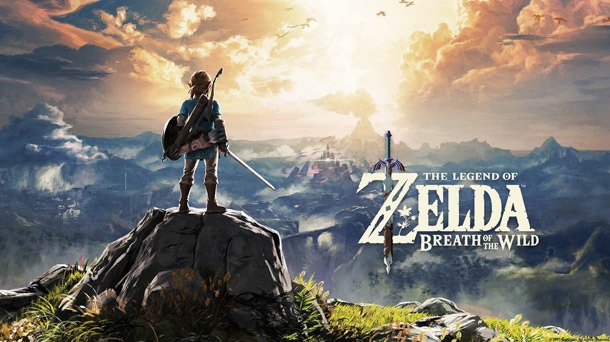
📅 Game released: 2017
The Legend of Zelda: Breath of the Wild sends Link across an open Hyrule where climbing, gliding, physics-based puzzles, cooking, and exploration shape the adventure. This PC emulation guide explains why there is no official Windows game download, how to set up the Wii U version in Cemu with your own lawfully obtained game data, and what to know about emulator system requirements, controllers, graphics packs, performance, and DLC.
 By Editor Zero — independently researched, edited, and maintained.
Last updated: 29 October 2026
Last reviewed: 29 October 2026
Table of Contents
- Quick Facts
- Official PC Store Status, Download & Installation
- The Legend of Zelda: Breath of the Wild Review
- Pros & Cons
- PC System Requirements
- Frequently Asked Questions
- Similar Games
The Legend of Zelda: Breath of the Wild Quick Facts
Official PC Store Status, Download & Installation
👇 Breath of the Wild has no native Windows PC download. The practical emulation route covered here is Cemu with an independently obtained, lawfully created backup of the Wii U game you own—not a Nintendo Switch or Switch 2 download.
- Official Windows status: Nintendo has not released Breath of the Wild on Steam, GOG, Epic Games Store, the Microsoft Store for PC, or PC Game Pass. Cemu is a separate, community-developed Wii U emulator, not an official Nintendo PC release.
- Recommended emulator: Cemu runs Wii U software on 64-bit PCs and offers controller configuration, Vulkan rendering, resolution scaling, and community graphic packs. Get the installer or portable Windows build only from the Cemu project’s official releases.
- Correct game version: Use an original Wii U disc or Wii U digital purchase that you legally own. A Nintendo Switch cartridge, Switch digital purchase, or Switch 2 Edition is not a Wii U game image and cannot be loaded by Cemu; owning a Switch copy does not grant a Wii U license.
- Wii U availability: New purchases through the Wii U eShop ended, but Nintendo says owners can still redownload previously purchased Wii U games and DLC and obtain software updates for the foreseeable future. A legitimate secondhand Wii U disc may be an option where available; its availability and condition depend on the seller.
- Official console alternative: If you do not own the Wii U release, Nintendo still offers Breath of the Wild for Nintendo Switch and a separate Switch 2 Edition. Those are legitimate console purchase options, but neither supplies a Wii U copy or a native Windows installer.
- Copy your own game: Cemu’s Wii U dumping guide documents using a Wii U console and Dumpling to copy your own disc, digital game, updates, DLC, and saves to removable storage. The documented process requires an actual Wii U; follow the guide’s hardware and preparation instructions and check your local rules on personal backups and technical protection measures. Neither Cemu nor this article supplies the copyrighted game.
- Install Cemu and the game: Launch Cemu on Windows, complete its initial setup, then use File > Install game title, update or DLC and select
meta.xmlin themetafolder of your own extracted Wii U game dump. Cemu’s installation instructions explain this workflow. Some other supported dump formats use different loading procedures. - Install your Wii U update: Breath of the Wild needs its Wii U game update to function correctly in Cemu; the official Wii U update is also important for FPS++ compatibility. Install the update you obtained from your own Wii U game/account using the same title-installation workflow, then check the game entry and launch screen for successful recognition.
- Owned Expansion Pass: If you purchased the Expansion Pass for Wii U, you may also copy and install your own Wii U DLC using the Cemu guide. The Master Trials and The Champions’ Ballad are separate from the base game. Switch or Switch 2 DLC entitlements do not substitute for Wii U DLC data.
- Configure a controller: Under Options > Input settings, emulate a Wii U GamePad and map your physical controller. Cemu supports SDL controller input and native motion data from compatible controllers such as DualShock 4, DualSense, and Switch controllers. Xbox-style controllers work for regular inputs but lack built-in gyro controls, which can complicate motion-based shrine puzzles.
- Enhance graphics carefully: Begin with default settings and Vulkan on compatible hardware. Under Options > Graphic packs, use Download latest community graphic packs to obtain official community-maintained packs; the Resolution pack can sharpen the picture, while FPS++ adjusts the frame-rate behavior. Test at 30 FPS first and increase settings only after confirming stable gameplay.
- Keep separate saves: Cemu can import compatible Wii U save data, but it does not provide automatic cross-save with Nintendo Switch or Switch 2. Back up your Cemu
mlc01data and exported saves before changing emulation settings, installing mods, or moving Cemu to another drive.
 Download Cemu from the Official Project

The Legend of Zelda: Breath of the Wild Review
A Landmark Open-World Adventure Built Around Freedom, Curiosity, and Experimentation
The Legend of Zelda: Breath of the Wild is a bold reinvention of one of Nintendo’s most beloved franchises. Instead of pushing you through a fixed chain of dungeons, items, and story beats, it wakes Link in a ruined version of Hyrule, gives you a few essential tools, and then quietly steps back. The goal is clear from the beginning: defeat Calamity Ganon. How you get there is the real game. You can rush toward Hyrule Castle almost immediately, spend dozens of hours hunting shrines and upgrading your gear, climb every suspicious mountain you see, or ignore the main quest for an entire evening because a strange glow appeared on the horizon.
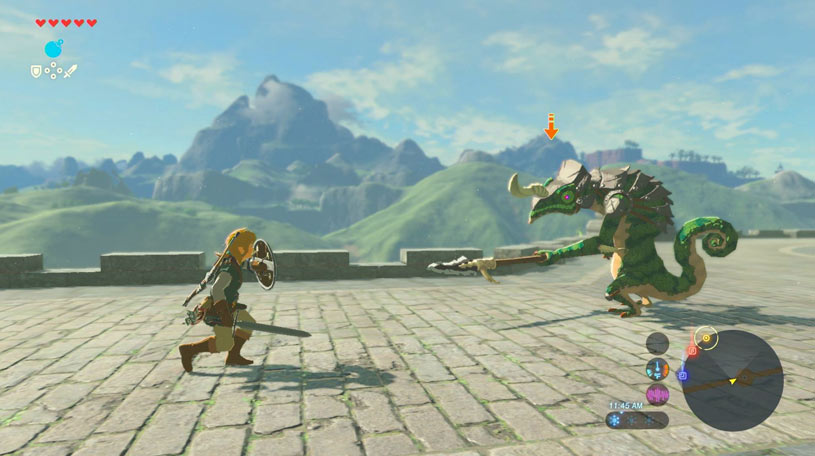
That freedom defines the whole experience. Breath of the Wild is not just about exploring a large map; it is about learning how the world works, testing ideas, failing in funny ways, and slowly becoming confident enough to turn Hyrule’s physics, weather, enemies, and terrain into tools.
Exploration Driven by Curiosity
Exploration is the heart of Breath of the Wild. The game does not rely on a map overloaded with icons. Instead, it teaches you to read the world itself. A tower in the distance, a strange rock pattern, a glowing shrine entrance, smoke rising from a stable, or a mountain that looks climbable can all become your next objective.
The core gameplay loop is simple but incredibly effective: spot something interesting, travel toward it, climb, glide, fight, solve a puzzle, collect resources, upgrade health or stamina, then get distracted by something else before you ever return to your original plan. That constant chain of curiosity is why the game works so well.
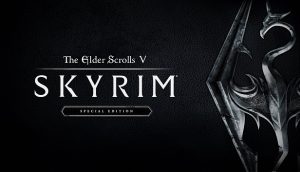
That open-ended pull toward whatever looks interesting also makes The Elder Scrolls V: Skyrim a natural comparison. Skyrim is more stat-driven and quest-heavy, but both games understand how easily a distant ruin, mountain, cave, or unexplored road can replace the objective you originally meant to follow.
Horses expose an interesting trade-off in that freedom. Riding the roads gives Hyrule a convincing sense of distance, with stables serving as useful stops between journeys. But a horse becomes less convenient when every interesting hillside invites Link to dismount, gather materials, and start climbing. A playthrough that relies less on fast travel can make horseback journeys and the road network far more meaningful, while players who constantly investigate the terrain may prefer to travel on foot.
One of the best early examples happens on the Great Plateau. You might see a cold mountain area and try to climb it too soon, only to realize the temperature is slowly draining your health. Then you start thinking like the game wants you to think: cook spicy food, find warmer clothing, light a torch, or search for another route. The solution is not just in a menu; it is in the world.
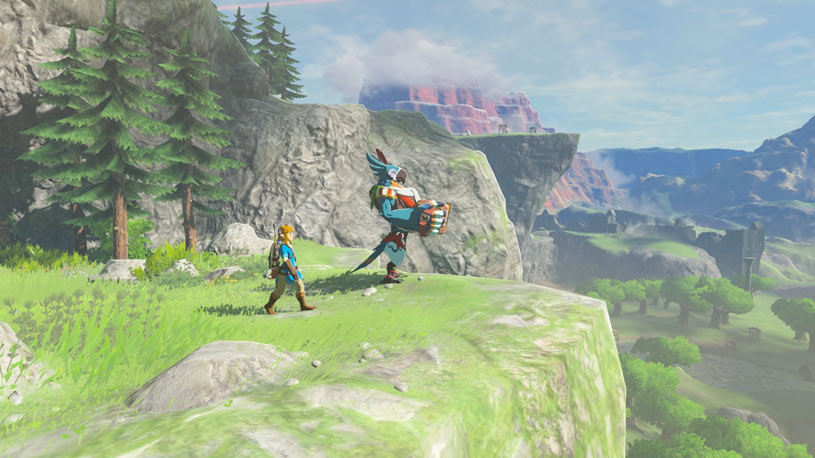
That same feeling continues across Hyrule. You can climb a cliff to get a better view, see a shrine far away, glide toward it, land near an enemy camp, steal a weapon, get caught in a thunderstorm, drop your metal gear before lightning hits, and end up discovering a completely different quest along the way. Very few open-world games make getting sidetracked feel this natural.
If you enjoy open-world adventures where exploration feels personal rather than heavily guided, The Witcher 3: Wild Hunt is another strong choice. It has a darker tone and a more traditional RPG structure, but it shares that sense of being pulled across the map by curiosity, side stories, strange locations, and memorable encounters that often become more interesting than the main objective.

Creative Gameplay and Physics-Based Problem Solving
Breath of the Wild stands out because so many systems interact with each other. Fire spreads through grass. Metal attracts lightning. Heavy objects can be pushed, dropped, launched, or used as weapons. Wind affects gliding. Rain makes climbing harder. Temperature changes what you can safely wear, cook, or explore.
Combat and puzzle-solving both reward experimentation. You can charge into a Bokoblin camp with a sword and shield, but you can also roll a boulder downhill, shoot a fire arrow into explosive barrels, sneak in at night while enemies sleep, or steal weapons before the fight even begins. The game rarely forces one “correct” solution, which makes even simple encounters feel flexible.
Weapons breaking is one of the most debated parts of the game, and it can feel annoying early on. You finally find a decent sword, use it for a few fights, and then it shatters. At first, that feels like punishment. Over time, it becomes part of the rhythm. You start saving strong weapons for tougher enemies, using weaker gear on basic mobs, and treating the environment as another weapon slot.
There is a limit to how well that trade-off works. Once Link carries powerful gear, clearing a minor camp can cost more durability than its weaker weapons and modest rewards justify. Walking past an enemy may become the sensible choice, even in a game that otherwise encourages creative combat. Hoarding every good weapon “for later” is not much better, though. Stronger gear continues to appear as you explore tougher regions, so the more interesting judgment is deciding which encounters are worth the equipment you spend on them.
The Sheikah Slate abilities also give the game its unique personality. Magnesis lets you move metal objects, Stasis freezes objects and stores kinetic force, Cryonis creates ice blocks from water, and Remote Bombs give you reusable explosive tools. These abilities are introduced early, but the game keeps finding new ways to make them useful in shrines, combat, traversal, and random environmental tricks.
For a darker, more punishing open-world adventure with heavier combat pressure, Elden Ring is a strong comparison. It does not have the same playful physics-driven freedom as Breath of the Wild, but it shares the thrill of looking at a distant landmark, deciding to go there, and discovering danger, mystery, bosses, and powerful rewards without being guided every step of the way.
Progression, Shrines, and Player Growth
Progression in Breath of the Wild is not built around traditional leveling. Link does not gain experience points from every enemy, and the game does not constantly interrupt exploration with stat screens. Instead, your growth comes from shrines, better equipment, upgraded armor, improved stamina, more hearts, stronger cooking knowledge, and your own understanding of the world.
Shrines are the main progression system. Scattered across Hyrule, they function as puzzle rooms, combat trials, fast travel points, and rewards for exploration. Completing shrines gives you Spirit Orbs, which can be exchanged for extra hearts or stamina. That choice matters because stamina affects climbing, swimming, sprinting, and gliding, which together make exploration feel so free.
The best shrine discoveries often happen naturally. You climb a tower, spot orange light in the distance, glide toward it, then find the shrine hidden behind a puzzle, enemy camp, environmental challenge, or small quest. That is much more satisfying than simply checking icons off a map.
Eventide Island shows how effective it can be to interrupt that steady accumulation of equipment. The island temporarily strips Link of his carried gear and demands that he complete a challenge with whatever he can scavenge, even while a Hinox presents a serious threat. It brings back the vulnerability of the opening hours without taking away the knowledge the player has gained. Progression here is as much about learning to improvise as it is about obtaining better items.
Some longtime Zelda fans may miss the classic dungeon structure. The Divine Beasts are creative and visually distinct, but they do not fully replace the feeling of older, larger, item-based dungeons. Shrines also vary in quality. Some are clever and memorable, while others are short enough to feel like quick rewards rather than full puzzle challenges.
Still, the system fits the game’s open design. Instead of saving major progression for a few huge dungeons, Breath of the Wild spreads meaningful rewards across the entire world. Almost every hill, ruin, island, canyon, and snowy peak has a reason to exist.
Combat, Survival, and Environmental Strategy
Combat in Breath of the Wild looks simple at first, but it becomes more interesting once you start using the full toolset. You can lock on, parry, dodge, trigger Flurry Rush attacks, use bows, throw weapons, block with shields, perform sneak strikes, or use elemental effects to control fights.
Enemy camps are where the combat systems shine. A group of Bokoblins around a fire can be approached in several ways. You can glide from above and land a headshot, sneak in and steal their weapons, push explosives into the camp, freeze one enemy with an ice weapon, or set the grass on fire and ride the updraft to reposition. Even when the enemies are familiar, the terrain changes the encounter.
The problem is that Hyrule’s regions are often more varied than the enemies inhabiting them. Bokoblins, Moblins, and Lizalfos appear repeatedly across very different environments, with tougher and elemental variants adding some variation but rarely changing the underlying behavior. More region-specific creatures could have made discovering a new biome feel as surprising in combat as it does visually.
Lynels are a completely different kind of test. The first time you face one, it can feel like you accidentally walked into a boss fight the game forgot to warn you about. They hit hard, move quickly, punish panic, and force you to learn dodging, parrying, positioning, and weapon timing properly. Beating one for the first time feels like a real skill check, not just a stat check.
Survival systems also shape the journey. Cold areas require warmth, hot regions need heat resistance, rain changes climbing routes, and storms make metal equipment dangerous. Cooking becomes more than a side activity because meals and elixirs can solve real problems. Need to cross a freezing mountain? Cook spicy peppers. Need extra stamina for a long climb? Prepare the right dish first. That preparation makes exploration feel earned. Its importance shifts as Link acquires specialized armor, however. Once clothing can provide a reliable environmental resistance, cooking often becomes less about experimenting with every available effect and more about a smaller set of useful health, stamina, attack, or defense boosts.
Story, Sound Design, and Atmosphere
Breath of the Wild tells much of its story through absence. Link wakes with little memory of the disaster that ruined Hyrule, and the scattered recollections of his earlier life gradually reveal his connection to Princess Zelda and the kingdom’s fall. Finding these memories at your own pace suits the open world, but it comes with a cost: scenes can appear out of chronological order, making changes in Zelda’s relationship with Link harder to follow until the pieces are assembled. The world is often more immediately expressive than the plot.
Visually, Breath of the Wild uses a painterly art style that blends fantasy, animation, and soft natural detail. It avoids chasing realism, which helps Hyrule feel timeless rather than tied to one console generation. Sunsets, storms, forests, snowy peaks, ruined temples, and quiet lakes all have a clean, readable beauty.
The atmosphere is one of the game’s greatest strengths. Hyrule feels empty in a way that is peaceful rather than lifeless. This is a world after disaster, but it is still full of wildlife, travelers, ruins, monsters, weather, music, and little signs of recovery.
The soundtrack is minimal and used carefully. Instead of constant orchestral music, you often hear wind, footsteps, birds, insects, distant enemy noises, the crackle of fire, or soft piano notes as you travel. That restraint makes discoveries feel more powerful. When music does swell, or when a familiar Zelda theme appears, it hits harder because the game has allowed silence to do so much work.

Replayability and Long-Term Appeal
Breath of the Wild has excellent replay value because the journey can change dramatically depending on how you approach it. One player might focus on completing shrines and upgrading stamina before touching the main story. Another might chase the Divine Beasts early. Someone else might spend most of their time hunting rare armor, experimenting with cooking, fighting Lynels, collecting Korok Seeds, or simply exploring regions they missed.
The freedom to attempt the final boss early also gives the game a unique structure. You are not just grinding because the story says you must. You are preparing because you personally want to feel ready. Every shrine completed, armor upgrade found, recipe learned, and tower climbed feels like your own decision.
The Expansion Pass offers a different kind of return through Master Mode. Its tougher enemies can regenerate health, pushing stealth, preparation, and environmental attacks into sharper focus. That pressure has a downside: a broken weapon or brief pause in damage can allow an enemy to recover, making an already costly encounter feel wasteful. It is an interesting test of the game’s combat economy, not simply a better way for everyone to play.
Finishing the main story also reveals a limit to the world’s responsiveness. After the final confrontation, the game lets you continue from before that battle rather than explore a permanently restored Hyrule. The arrangement preserves unfinished shrines, quests, and exploration, but players hoping to see the kingdom acknowledge their victory may find the ending less satisfying as a lasting change to the world.
The game also stays interesting because its systems invite experimentation. Even after dozens of hours, you can still discover a new trick with Stasis, find a better way to clear a camp, cook a useful meal you had never tried, or realize that a mountain route you avoided earlier is now easy because your stamina has improved.
Final Verdict
The Legend of Zelda: Breath of the Wild is a landmark open-world adventure built around freedom, curiosity, and player creativity. It trusts you to explore without constant instructions, experiment without being punished too harshly, and create your own path through Hyrule instead of following a rigid checklist.
It is not perfect. Weapon durability can discourage ordinary fights, familiar enemy types sometimes undermine the variety of Hyrule’s landscapes, and the Divine Beasts may feel lighter than classic Zelda dungeons. Players who prefer a more continuous story or a world that visibly changes after the finale will find other limitations. Yet the game’s best systems still work together to make exploration feel natural, personal, and genuinely surprising.
What makes Breath of the Wild special is not one single feature. It is the way climbing, gliding, cooking, weather, physics, shrines, combat, stamina, and curiosity all connect. You remember the time you reached a tower with no stamina left, the time lightning punished you for carrying metal gear, the first Lynel that destroyed you, the shrine you found by accident, and the quiet moment on a mountain when the whole map opened beneath you.
Few open-world games understand discovery this well. Whether you follow the main quest, hunt every shrine, or spend hours wandering just because a distant peak looks interesting, The Legend of Zelda: Breath of the Wild remains one of the most memorable and influential adventure games of its generation.
The Legend of Zelda: Breath of the Wild Pros & Cons
The Legend of Zelda: Breath of the Wild PC System Requirements
Official Nintendo Windows PC requirements: None. Nintendo has not released a native Windows version. The specifications below concern the third-party Cemu Wii U emulator, not official requirements for Breath of the Wild.
CEMU — PUBLISHED EMULATOR BASELINE:
OS: 64-bit Windows; Cemu also provides Linux builds and experimental macOS builds
CPU: 64-bit x86-compatible processor; Cemu does not publish a universal Breath of the Wild CPU minimum or fixed FPS guarantee
RAM: 4 GB minimum for Cemu
GPU: Graphics hardware with OpenGL 4.5 or Vulkan 1.2 support, according to Cemu’s official site
Storage: Enough free space for Cemu, your own Wii U game backup, game update, optional DLC, save data, and shader/pipeline caches; the project does not list a single fixed Breath of the Wild installation requirement
CEMU — PRACTICAL STARTING POINT FOR BREATH OF THE WILD (EDITORIAL, NOT OFFICIAL GAME REQUIREMENTS):
OS: Windows 10 or Windows 11, 64-bit, with compatible graphics drivers
CPU: A reasonably recent desktop or laptop processor with strong single-thread performance; actual results depend on the model and emulator settings
RAM: At least 8 GB, as recommended by Cemu; 16 GB gives more headroom for the game, graphics caches, and other applications
GPU: Prefer Vulkan-capable dedicated graphics with 4 GB or more VRAM when possible; lower-memory GPUs may struggle, especially around Hyrule Castle
Drive: An SSD is helpful for loading and storing the emulator, your backed-up game, and its caches, but Cemu does not make it an official Breath of the Wild requirement
Controller: Gamepad recommended; gyro-capable controllers are useful for motion-controlled shrine challenges
Additional PC Performance and Setup Notes
Start with stable emulation: On compatible graphics hardware, begin with Cemu’s default settings and Vulkan. Set a moderate resolution and verify the game runs smoothly before increasing graphics settings. The game’s original Wii U presentation targets 30 FPS; your PC’s achievable performance depends on CPU, GPU, graphics driver, and graphics packs.
FPS++ and physics: Cemu’s Breath of the Wild compatibility notes explain that FPS++ is tied to having the Wii U game updated correctly. Higher frame-rate targets may change climbing-jump distance, projectile or object behavior, and particular quest or shrine puzzles. If an objective behaves strangely, reduce FPS++ to 30 FPS or disable it temporarily rather than assuming your save is damaged.
Shader compilation and video memory: Brief stutters may occur while Cemu creates shader or Vulkan pipeline caches. Persistent slowdown can instead reflect inadequate RAM or VRAM; reduce resolution and shadow quality before applying complex fixes. Low-VRAM cards can run into particular problems in demanding areas such as Hyrule Castle.
Motion controls and mods: For gyro-capable controllers, use Cemu’s SDL motion-controller setup. For visual enhancements, use Cemu’s maintained community graphics packs. Gameplay mods are separate, unofficial projects; verify that a mod targets the Wii U/Cemu version, back up your saves, and test changes one at a time. The UKMM project is one established Breath of the Wild mod-management option, but mod support and compatibility depend on the individual modification.
Official Trailer
Note: Nintendo’s official presentation trailer shows Hyrule, exploration, combat, characters, Divine Beasts, and the main story. The Cemu instructions above apply to the Wii U release only; they do not turn Nintendo’s console editions into official PC versions.
Frequently Asked Questions
Can you play The Legend of Zelda: Breath of the Wild on a Windows PC?
Yes, through unofficial emulation of the Wii U version with Cemu, provided you have game data lawfully copied from your own Wii U copy. Nintendo has never released a native Windows PC version.
Which emulator is recommended for Breath of the Wild on PC?
Cemu is the practical choice for the original Wii U version. It has dedicated Breath of the Wild compatibility documentation, graphics packs, controller remapping, and configurable rendering. It is not a Nintendo Switch emulator.
Where can I download Cemu safely?
Use the official Cemu GitHub releases, linked from cemu.info. The Cemu download contains only emulator software, not Nintendo’s game files.
Can I use a Nintendo Switch or Switch 2 copy with Cemu?
No. Cemu emulates Wii U software. A Switch cartridge or digital Switch purchase is not a compatible Wii U dump, and the Switch 2 Edition’s enhancements and save system are not part of Cemu’s Wii U emulation.
Do I need a Wii U console to prepare my own game backup?
The Cemu guide documents obtaining game data from a Wii U console you own, using a properly obtained Wii U game. Merely buying the newer Switch version does not provide the Wii U files Cemu needs. Rules for copying games and circumvention vary by jurisdiction.
Can Wii U owners still get the game update and Expansion Pass?
Nintendo continues to support redownloading previously purchased Wii U content and existing game updates, but new Wii U eShop purchases have ended. Cemu can install lawfully obtained Wii U update and DLC data; you need to own the relevant Wii U DLC to use that content.
Why does Breath of the Wild fail to start or show an update-related message in Cemu?
A missing or incorrectly installed Wii U game update is a common cause. Follow Cemu’s game/update installation guide, confirm the update belongs to your Wii U game region and copy, and check its recognition in Cemu before changing performance settings.
Can Breath of the Wild run at 60 FPS or higher in Cemu?
Yes, supported graphics packs such as FPS++ can target higher frame rates on sufficiently capable hardware. Results vary, and higher FPS may affect some physics interactions, quests, and shrines. If a puzzle fails unexpectedly, use 30 FPS for that section.
Can Cemu display Breath of the Wild at 1080p, 1440p, or 4K?
Community resolution graphic packs offer higher rendering resolutions. The practical limit depends on your GPU, available VRAM, processor, and graphics settings. Increasing resolution does not guarantee smoother frame rates.
Can I use an Xbox, PlayStation, or Nintendo controller?
Yes. Configure a Wii U GamePad input profile in Cemu. DualShock 4, DualSense, and compatible Switch controllers can provide motion input through SDL; a conventional Xbox controller lacks built-in gyro input, which may affect some shrine puzzles.
Does the Wii U version support keyboard and mouse controls in Cemu?
Cemu can map PC inputs to Wii U controls, but Breath of the Wild was designed for a gamepad. A controller is generally the more comfortable setup, especially for analog movement, camera control, and motion-related challenges.
Does Breath of the Wild work on Steam Deck?
There is no official Steam release or Valve compatibility rating. Cemu has Linux builds that can be used in an unofficial Steam Deck emulation setup, but hardware performance and controller configuration are the user’s responsibility; this is not official Nintendo or Valve support for the game.
Can I use mods with the Cemu version?
Yes, community projects provide visual and gameplay modifications for the Wii U/Cemu version. The Cemu graphics-pack system is a good starting point, and UKMM is an independent mod manager. Check version compatibility and keep a backup of saves and unmodified game data.
Can I transfer my Switch or Switch 2 save into Cemu?
There is no official cross-save or direct Nintendo account synchronization between those console versions and Cemu. Cemu can work with compatible save data originating from your Wii U, as described in its documentation.
Is there a difference between Cemu emulation and the official Switch 2 Edition?
Yes. Cemu runs the original Wii U game with community-controlled PC graphics and input options. The official Switch 2 Edition is a separate console product with Nintendo-supported performance enhancements, HDR, Zelda Notes, and additional save flexibility; it is not available for Cemu.
What is included in the Breath of the Wild Expansion Pass?
It includes The Master Trials, The Champions’ Ballad, and bonus items. The Master Trials adds Master Mode, Trial of the Sword, Hero’s Path Mode, and useful exploration items; The Champions’ Ballad adds further story and challenges. Wii U owners need the Wii U DLC entitlement and data for Cemu use.
Should beginners invest in hearts or stamina first?
Stamina helps with climbing, gliding, and long journeys, while hearts make combat mistakes easier to survive. A balanced early approach works well; players who prefer exploration may benefit from an earlier stamina upgrade.
How many hearts do you need to obtain the Master Sword?
Link normally needs 13 permanent hearts. Temporary bonus hearts from meals do not count toward drawing the sword.
Can you fight Calamity Ganon before completing all the Divine Beasts?
Yes. After the introductory Great Plateau sequence, the game’s open structure makes an early confrontation possible, but shrines, equipment, and Divine Beast progression make the challenge more approachable.
Does Breath of the Wild have multiplayer or co-op?
No. The original game is a single-player adventure without official campaign co-op, split-screen, or online multiplayer.
Still have questions? Check the Breath of the Wild Reddit community, the Cemu compatibility and troubleshooting page, or Nintendo Support.
Sources & References
Official Nintendo information and Cemu project documentation were consulted for the game’s availability, ownership limitations, Wii U emulation workflow, controls, and compatibility notes.
- Nintendo — Wii U eShop discontinuation Q&A — confirms the end of new purchases and continued redownloads and updates for existing owners
- Nintendo — Switch 2 FAQ — verifies the separate Switch 2 Edition, Expansion Pass, and save-data distinctions
- Cemu — official releases — verifies the emulator’s legitimate download source and maintained PC builds
- Cemu Guide — dumping games from Wii U — documents the original-hardware requirements for copying game data that you own
- Cemu Guide — installing games, updates, DLC, and saves — supports the installation and import steps
- Cemu Wiki — Breath of the Wild compatibility — documents game-update compatibility, FPS++, physics caveats, shader stutter, and VRAM-related issues
Similar Games Like The Legend of Zelda: Breath of the Wild
- The Legend of Zelda: The Wind Waker
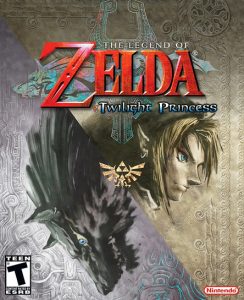
- The Legend of Zelda: Twilight Princess
- Elden Ring
- The Elder Scrolls V: Skyrim
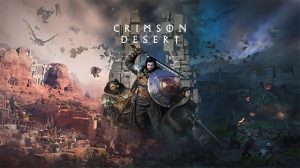
- Crimson Desert
- Hogwarts Legacy


Found something worth playing through DecideGame?
DecideGame.com is an independent gaming project run by Editor Zero. If this guide helped you discover a game, solve a problem, or find useful information, you can support DecideGame.com and help keep new and updated game guides coming.
DecideGame — PC Game Guides, Reviews & Setup Help