
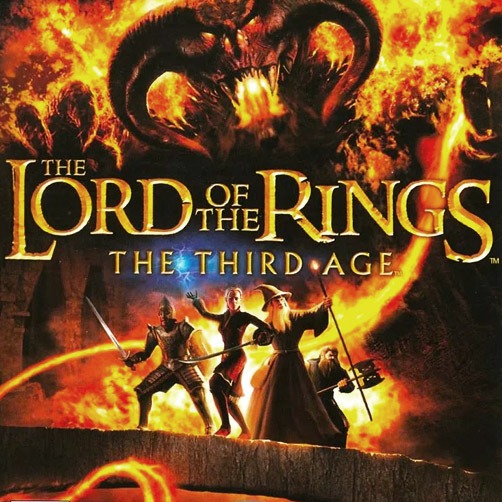
📅 Game released: 2004
Use this updated 2026 The Lord of the Rings: The Third Age PC guide to check official download availability, set up the GameCube edition with Dolphin or the PS2 edition with PCSX2, compare emulator system requirements, and understand controller support, local co-op, and safe game-backup options.
 By Editor Zero — independently researched, edited, and maintained.
Last updated: 12 October 2026
Last reviewed: 12 October 2026
Table of Contents
- Quick Summary
- Quick Facts
- Official PC Stores, Download & Installation
- The Lord of the Rings: The Third Age Review
- Pros & Cons
- PC System Requirements
- Frequently Asked Questions
- Similar Games
The Lord of the Rings: The Third Age Quick Summary
✔ A story-driven, turn-based fantasy RPG following Gondorian soldier Berethor and an original party traveling through Middle-earth alongside the events of Peter Jackson’s film trilogy
✔ Exploration and battles move through places including Moria, Rohan, Helm’s Deep, Osgiliath, and Pelennor Fields; three active party members fight with weapons, skills, and support abilities
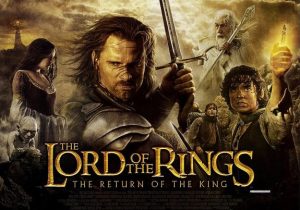
✔ Similar to The Lord of the Rings: The Return of the King in its film-inspired locations, major battles, familiar characters, and cinematic Middle-earth atmosphere, although The Third Age replaces real-time action with turn-based party combat
✔ No official native Windows PC release exists; the recommended route for an owned console copy is the GameCube game in Dolphin, which lists it as Perfect in its compatibility database
✔ The PlayStation 2 release is a viable PCSX2 alternative; the original Xbox edition has essentially the same campaign, while the Game Boy Advance release is a separate tactical strategy game
✔ The console RPG includes optional two-player local battle co-op and unlockable Evil Mode encounters played from the enemy side; neither requires online servers
The Lord of the Rings: The Third Age Quick Facts
Official PC Store Status, Download & Installation
👇 The Lord of the Rings: The Third Age has no official Windows download or PC storefront release. Use these ownership and emulator setup notes for a lawfully obtained console copy rather than treating third-party game files as official downloads.
- Native PC availability: Electronic Arts has not released a Windows edition of the original console RPG. No verified purchase or installation listing exists for this title on Steam, GOG, Epic Games Store, the Microsoft PC Store, or the EA app. Emulator software does not supply the copyrighted game.
- Best console version: Choose the original GameCube release for most Windows PC setups. Dolphin’s official compatibility list rates The Third Age as Perfect, and its GameCube emulation has straightforward gamepad configuration, internal-resolution scaling, and no required external PS2-style BIOS file.
- Recommended emulator: Install Dolphin from the official website. On Windows, use a suitable current 64-bit release and install the Microsoft Visual C++ runtime linked by Dolphin if it is missing. The emulator supports GameCube disc images including ISO/GCM and RVZ formats.
- Owned GameCube disc: Dolphin’s official disc-ripping guide explains how to make your own game backup using compatible hardware, including a GameCube or a Wii capable of reading GameCube discs. A normal PC optical drive generally cannot read an original GameCube disc directly; only certain specialized drives support it.
- PS2 alternative: If you own the PlayStation 2 edition, PCSX2 is the appropriate emulator. Its game compatibility page marks the title Playable and does not identify an active game-breaking issue. Start with current default settings rather than outdated fixes.
- PS2 disc and BIOS: Use PCSX2’s disc-dumping instructions for your own PS2 disc. PCSX2 also requires proprietary BIOS data dumped from your own PlayStation 2 console; these files are not included with PCSX2. This makes the PS2 setup more involved than Dolphin.
- Game-file responsibility: Neither emulator includes The Third Age. Readers must arrange their own lawful game copy and compatible disc image, and are responsible for checking the copyright rules applicable to obtaining, making, and using backups in their location. This guide provides no unofficial ISO sources, game archives, or instructions for circumventing copy protection.
- Version differences: GameCube, PS2, and Xbox contain essentially the same story-driven RPG and core gameplay; controller layouts and technical presentation differ. The Game Boy Advance edition, developed separately, uses a good-versus-evil, turn-based tactics structure and is not the same adventure or a substitute for the console RPG.
- Dolphin first launch: Open Dolphin, set the path to the folder holding your lawful GameCube backup under its game-directory settings, then launch the detected title. Configure an emulated GameCube controller for Port 1 under Controllers; add Port 2 for local cooperative battles. Let the game create its normal save data and keep a backup of the emulator’s user folder.
- Graphics and co-op: Begin with default graphics settings and the original 4:3 picture. Raise internal resolution gradually to 2× or 3× only if performance allows, and try Vulkan or Direct3D 11/12 on supported Windows hardware. Two-player co-op shares the campaign and divides combat inputs between controllers; exploration remains directed by the first player rather than becoming split-screen roaming.
 Get Dolphin from the Official Emulator Website
Get PCSX2 from the Official Emulator Website

The Lord of the Rings: The Third Age Review
Thoughtful turn-based battles give Middle-earth new life, even as the adventure struggles to escape the films’ shadow.
There is an appealingly strange idea at the heart of The Lord of the Rings: The Third Age: instead of reenacting the Fellowship’s journey with a sword or bow, it asks what might happen if a separate band of adventurers fought through the same war using the rules of a traditional party-based RPG. Berethor, a Gondorian soldier searching for Boromir, gathers an elf, a ranger, a dwarf, and eventually warriors from Rohan. Their route brushes against Peter Jackson’s trilogy, but the most important decisions happen in battle, where a timely stun or party swap can matter more than another heavy strike.
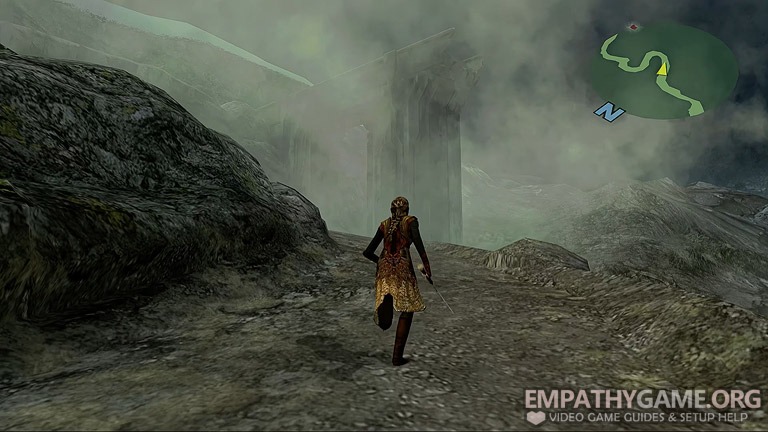
That combat system is the game’s best argument for itself. A visible turn order and flexible combinations of buffs and status effects turn familiar Orcs or trolls into tactical puzzles. The surrounding adventure is weaker. Exploration follows narrow routes, quests rarely become stories of their own, and the original cast struggles to establish an identity beside the heroes whose victories the films have already made famous. The Third Age works most convincingly as a battle-focused companion to Middle-earth, not as a fully realized Tolkien role-playing adventure.
Turn-Based Combat Is More Tactical Than It First Appears
Its debt to Final Fantasy X is unmistakable. Three companions fight at once, their portraits and their enemies’ portraits appear in a queue showing upcoming turns, and reserves can be brought into the active party during combat. With time paused during selection, every action can be considered carefully. A quick attack might let a character act again sooner; a powerful technique may push their next turn further down the queue. Speed is not just a character statistic. It is part of the cost of every decision.
Consider a fight in Moria against a hard-hitting troll with smaller enemies nearby. Berethor can reinforce the party or attack its armor, Idrial can protect wounded companions, and Elegost can attempt to disable a threat before its next turn. Spending everyone’s Action Points on powerful attacks risks leaving the group vulnerable when the troll acts. A more considered approach targets the enemy most likely to disrupt the next few turns, then uses the opening to heal, change formation, or build momentum. The queue shows an imminent enemy turn moving behind several friendly actions after a successful disable.
The system becomes considerably more interesting once multiple effects are available. Berethor’s leadership skills can accelerate allies, while Elegost’s Crippling Shot and Hadhod’s Crippling Smash can slow opponents. Combining compatible effects can widen the gap between friendly and enemy turns to the point that the party dictates the rhythm of a difficult fight. Preventing an attack through the timeline can be better than asking Idrial to repair its damage.
Party switching strengthens that idea because each companion has a recognizable job without being locked into it. Berethor is useful as both a frontline fighter and a source of group support; Elegost brings bow attacks and disabling skills; Hadhod can hit brutally hard; and Idrial offers healing, protection, and offensive spirit abilities. Morwen and Éaoden widen the possibilities later. A reserve is another tactical answer, and the best encounters reward changing the plan after the first exchange.
Boss Fights Expose Both the Depth and the Repetition
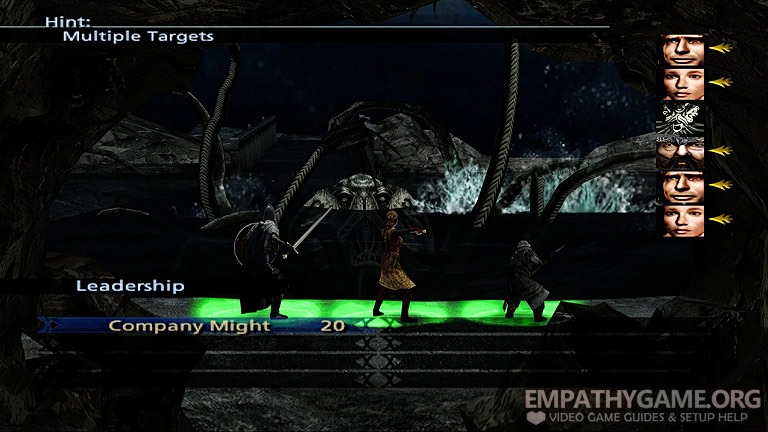
Familiar enemies help each region establish its own combat flavor. Wargs pressure a party in different ways from armored Uruk-hai, while trolls and larger battlefield threats demand more attention to survival and control. Set pieces around Moria and Helm’s Deep make menu-driven combat feel unusually grand for a game with such a straightforward interface. Choosing between a decisive strike, defense, and recovery gives the spectacle real stakes.
The uneven difficulty is harder to defend. Many ordinary encounters can be dispatched with a familiar sequence of attacks, then a boss suddenly asks whether the right defensive or disabling skills were developed earlier. Resistance to certain effects also means that a tactic capable of shutting down one opponent may accomplish little against another. This is reasonable in principle, but long stretches of routine fighting do not always prepare players for those jumps. Sometimes a boss tests earlier skill investment more than improvisation.
Executing the plan can be slow. Sword combinations, elemental powers, and elaborate attacks lend physical weight to combat, but their animations become familiar long before the campaign ends. Large encounters with several enemies may demand many repetitions of actions whose outcomes are already predictable. The ratio of tactical choices to time spent watching them gradually worsens. Only stronger encounters consistently interrupt the routine.
Exploration Looks Like Middle-earth but Rarely Feels Free
Moving between battles presents a much thinner RPG. Eregion’s paths, Moria’s ruined chambers, Rohan’s settlements, and the approaches to great fortresses have recognizable atmosphere, yet most areas are a procession of connected corridors and small detours. Side passages offer equipment and regional quest objectives, but rarely meaningful conversations or discoveries that change the journey.
The two encounter indicators neatly express the game’s priorities. The Eye of Sauron grows more prominent as a wandering battle approaches, while a palantír warns of an impending scripted confrontation. These cues are useful because they provide a little control over preparation, but they also make exploration feel organized around the next fight. A winding passage often supplies the party before combat resumes. Without shops, settlements full of characters to question, or substantial optional questlines, the rhythm remains travel, battle, loot, and repeat.
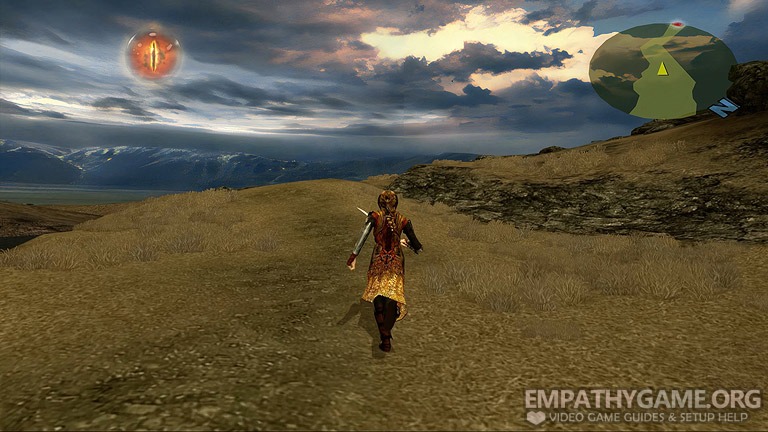
Even the apparent freedom to revisit earlier regions has limits. Some optional objectives become unreachable after particular story transitions, including portions of Helm’s Deep. It is therefore possible to leave a chapter less than fully completed despite having access to a broader travel system. This stings when chests and regional tasks are the main rewards for exploring. Thorough searching before advancing is rewarded, but the inability to recover every missed objective makes the linear design feel more rigid than it first appears.
An Original Fellowship That Never Quite Becomes Its Own
Berethor’s search for Boromir begins with a promising question: what is happening to ordinary soldiers and travelers while the Fellowship carries the world’s most consequential burden? His mysterious past gives the party a personal thread to pursue. Idrial’s Elven perspective, Elegost’s Dúnedain experience, Hadhod’s grief and distrust, and the later arrival of Morwen and Éaoden suggest a company shaped by different peoples and losses. Together they suggest a more intimate view of the war.
Instead, the companions are often defined more clearly by their combat roles than by their relationships. Conversations tend to establish where they are going or why the next familiar event matters, rather than allowing conflict, humor, or loyalty to develop through sustained interaction. Berethor’s history does receive attention, but revelations arrive within a narrative that spends much of its time hurrying the party toward another moment from the films. The companions rarely acquire comparable emotional weight.
Gandalf’s commentary, performed by Ian McKellen and accompanied by film footage, is an effective way to connect the adventure to the trilogy. It places the journey within a recognizable chronology. Yet it also highlights a structural weakness: the more the story explains what the famous characters are doing, the more Berethor’s group appears to exist on the margins of someone else’s plot. Occasional guest fighters and encounters with celebrated enemies are exciting, but inserting another party into scenes with established outcomes sometimes makes those victories feel crowded rather than expanded.
As a result, the game’s best storytelling often comes from simply arriving somewhere recognizable. Approaching Helm’s Deep or descending into Moria needs little dialogue to create tension. The landscape, armor, enemies, and music provide a stronger emotional link to Middle-earth than many of the conversations written specifically for this adventure.
Character Growth Is Rewarding, Then Demands Too Much Repetition
Progression gives the combat a longer-term purpose. Experience levels provide attribute points that can be assigned to qualities such as Strength, Speed, Spirit, Dexterity, and Constitution, allowing the same character to lean toward damage, endurance, or support. Equipment changes statistics and appearance, making a Gondorian breastplate or stronger dwarven axe feel like a tangible reward. With no merchant economy to manage, upgrading comes largely from battles, chests, and special rewards.
Active abilities develop differently. Using sword, bow, spirit, and other skill categories earns progress toward additional techniques within their respective trees. That makes a player’s habits part of character development: a Berethor who regularly uses leadership commands grows into a different practical role from one developed mainly through sword attacks. Elfstones further widen the system by granting access to extra categories such as Lightcraft, Shadowcraft, or Item Craft. Winning fights alone does not teach every ability; the actions chosen matter.
This creates a tension between playing efficiently and developing a complete toolkit. A simple physical attack may end a weak encounter quickly, but it does little for a healing or crafting category that needs repeated use. Conversely, keeping a manageable enemy alive while cycling support or creation abilities can produce more skill progress than ending the fight immediately. The system rewards variety initially, then encourages actions simply because they count toward an unlock. Training a neglected tree becomes an exercise in patience.
Perfect Mode contains a subtler trade-off. Filling the shared Attack Momentum meter allows a dramatic special move, an obvious temptation when a boss appears. Yet after Hadhod and Morwen develop their relevant passive abilities, remaining in the charged state can make their ordinary melee attacks reliably score critical hits. Spending the meter may deliver immediate spectacle at the expense of stronger damage over several subsequent turns. That distinction gives an apparently simple ultimate-attack resource an unexpected strategic role, and shows how the passive system can change the value of a familiar command as the party matures.
Evil Mode and Co-op Offer Different Reasons to Return
Evil Mode is a compact but memorable change of perspective. Clearing a region unlocks a series of preset fights in which Orcs, trolls, and other servants of darkness take the player’s side against the heroes. There is no parallel story to explore and little opportunity to shape these enemy forces, so the novelty is in recognizing a familiar encounter from the opposite side of the battlefield. Completing these sequences also earns equipment for the main adventure.
Those rewards can also reshape a repeat campaign. With previously unlocked Evil Mode battles available, powerful gear can be awarded to a newer save; a weapon such as the Sword of Isildur can make Berethor dramatically stronger much earlier than the normal equipment curve intends. This is not New Game Plus, and it can undermine the challenge, but it makes repeat runs unusually malleable. Players seeking a balanced second run may prefer to leave those advantages behind and develop a different party composition instead.
Two-player local co-op changes the atmosphere of battles without changing the structure of the quest. One person directs exploration while both share control of the party during combat. Debating whether to heal, slow an enemy, or risk a strong attack makes lengthy encounters more social. The second participant has little agency between battles, however. The mode works best as a shared tactical playthrough rather than a fully cooperative journey.
Cinematic Presentation Has an Old-Fashioned Rhythm
Howard Shore’s familiar musical themes, forceful battle effects, and film-inspired visual design do much of the heavy lifting. Armor clatter, imposing trolls, and equipment that visibly changes make the party feel present in its surroundings. Some environments remain striking because their shapes and atmosphere are so closely associated with the trilogy, even where the underlying routes are plain.
The trade-off is a presentation that repeatedly stops to admire its own combat. Close-up attack animations sell the force of an individual blow, but their length can drain urgency from an encounter that demands dozens of turns. Character interactions also tend toward stiff staging compared with the more lavishly presented battles. The clear interface helps, but audiovisual polish favors monsters and battles over travel and conversation.
Final Verdict
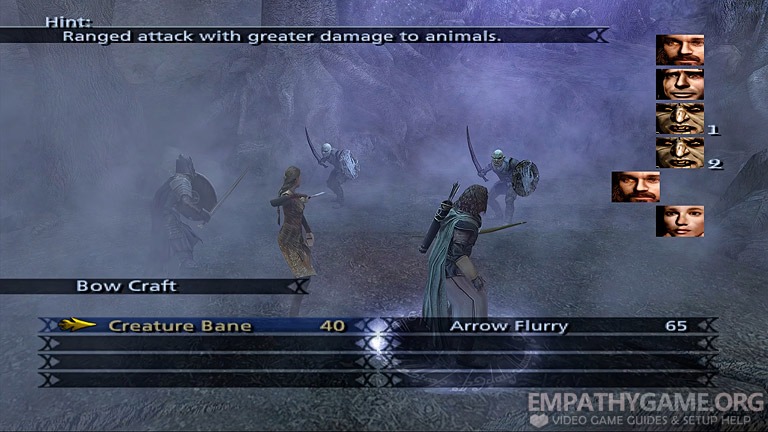
The Lord of the Rings: The Third Age has a stronger combat system than its straightforward exploration initially suggests. Turn-order manipulation, adaptable party roles, distinctive equipment, and use-based skill progression can make the familiar battlefields of Middle-earth genuinely absorbing. Its best victories depend on controlling dangerous enemies rather than choosing the largest attack.
Its limitations are substantial. The world offers little freedom beyond locating chests and completing regional tasks, the original characters rarely escape the films’ shadow, and too many battles stretch the same animations and skill routines across a long campaign. Evil Mode and shared battles offer worthwhile diversions, not a cure for those shortcomings. For Tolkien fans who enjoy methodical, character-driven combat systems more than exploration or branching stories, this remains a distinctive and often rewarding RPG. Those seeking a richly interactive Middle-earth will find a much narrower journey.
The Lord of the Rings: The Third Age Pros & Cons
The Lord of the Rings: The Third Age PC System Requirements
There are no official Windows PC minimum or recommended requirements for The Lord of the Rings: The Third Age because EA never released a native Windows version. The following is emulator host-PC guidance, not an official specification for the game or a guarantee of a particular resolution or frame rate.
DOLPHIN — GAMECUBE EMULATOR GUIDANCE:
OS: Windows 10 or 11, 64-bit; Dolphin also supports modern macOS and Linux
CPU: Modern processor with strong single-thread performance; Dolphin recommends high clock speed and roughly four capable cores for comfortable multitasking
RAM: Dolphin documentation recommends at least 2 GB; 8 GB or more is a practical modern Windows PC target, not a game-specific minimum
GPU: Graphics hardware with modern drivers and support for a compatible Dolphin graphics backend; Direct3D 11.1 or OpenGL 4.4 support is specifically recommended in Dolphin’s documentation
Storage: Allow room for Dolphin, save files, and an owned GameCube disc backup (a full standard GameCube disc image is approximately 1.36 GiB)
Controller: XInput-compatible gamepad recommended; keyboard control is possible through mapping
Internet: Not required for offline gameplay once emulator software and the lawful game backup are available
PCSX2 — PLAYSTATION 2 ALTERNATIVE:
OS: Use a current PCSX2 build compatible with your operating system
CPU/GPU: Requirements vary by renderer and internal resolution; review PCSX2’s official documentation for present-day host-PC guidance
Additional files: A PlayStation 2 BIOS dump from your own console and a game disc backup made from your own copy
Performance: PCSX2 rates the game Playable, but that rating does not guarantee identical performance across all hardware and emulator settings
Additional PC Performance & Setup Notes
On Dolphin, test the game at its normal speed and default settings before enabling enhancements. Increasing internal resolution improves 3D image clarity but does not replace the original textures or animations. If transitions, audio, or battles become uneven, return to native resolution, try another supported graphics backend, and avoid stacking unverified patches or widescreen hacks. The native 4:3 aspect ratio is the safest starting point for the original interface and cinematic presentation.
For the original local co-op mode, configure two emulated GameCube controller ports in Dolphin or two controller inputs in PCSX2. Ordinary in-game saves are safer for long-term progress than relying entirely on emulator save states, particularly before changing emulator versions or experimenting with modifications.
Official Trailer
Note: This archived GameCube trailer published by IGN shows the original console game’s film-inspired presentation; the written guide above focuses on Windows availability, lawful disc backups, emulator compatibility, and modern control setup.
Frequently Asked Questions
Is The Lord of the Rings: The Third Age worth playing in 2026?
Yes, especially for Lord of the Rings fans who enjoy traditional turn-based RPGs, character development, and exploring locations from the film trilogy. Its atmospheric environments and tactical battles remain appealing, although frequent encounters, uneven difficulty, and a linear campaign may frustrate players expecting a modern open-world RPG.
Can The Lord of the Rings: The Third Age run on Steam Deck?
Yes, the GameCube version can be played through Dolphin on Steam Deck using a legally obtained game backup. This is community emulation rather than an official Steam release, so controller configuration, performance, and compatibility depend on the emulator setup. There is no official Steam Deck Verified or Playable rating for the game.
Does the GameCube version of The Third Age require two discs?
Yes. The GameCube release uses two discs, and the game requests Disc 2 during the campaign. In Dolphin, keep the game running and use File > Change Disc when prompted, selecting your backup of the second disc from the same game region. Do not close the game and launch Disc 2 as a separate session, because that can interrupt the transition.
How do you enable two-player co-op in The Third Age?
Connect two controllers and enable the Co-op option from the game’s menu. Player one handles exploration, while the two players control assigned party characters during turn-based battles. Co-op shares the same campaign and does not create a separate multiplayer storyline.
Does The Third Age support online co-op or split-screen?
No. The console RPG has local, shared-screen cooperative battles but no native online multiplayer, LAN mode, or split-screen exploration. Emulators can reproduce the original local functionality, while any remote controller-sharing arrangement depends on separate third-party software rather than an official game feature.
Can you switch party members during combat in The Third Age?
Yes. Once additional companions join Berethor’s group, you can replace an active fighter with a reserve character during most battles using the character-switch command. Only three regular party members fight simultaneously, and certain scripted encounters may temporarily restrict swapping.
Do reserve characters receive experience points?
Yes, companions outside the active battle party can still receive experience, but participation and quest rewards influence how quickly individual characters develop. Rotating fighters into combat and occasionally changing the exploration leader helps prevent important companions from falling behind.
How do you unlock new abilities in The Third Age?
Most character-specific active skills develop through repeated use of abilities from the relevant skill category. Open the Skills menu to select an available ability to work toward, then use qualifying skills successfully in battle to accumulate skill points. Relying exclusively on basic attacks can leave important abilities underdeveloped later in the campaign.
What are Action Points, and how do you restore them?
Action Points (AP) are consumed by special attacks, healing, buffs, and other character abilities. Lembas and certain restorative skills replenish AP, while using a save point also restores the party’s health and action points. Managing AP is particularly important before long boss encounters.
Which characters are best for beginners in The Third Age?
Berethor, Idrial, and Elegost form a practical early-party combination. Berethor provides melee damage and leadership abilities, Idrial supplies healing and magical support, and Elegost uses ranged attacks, enemy analysis, and disabling skills. Later companions such as Hadhod, Morwen, and Eaoden offer useful alternatives depending on the encounter.
What is Perfect Mode in The Third Age?
Perfect Mode allows the party to unleash powerful special abilities after filling the battle’s Attack Momentum meter. These attacks can deal heavy damage or provide other advantages, but they consume momentum and may also require AP. Saving Perfect Mode for difficult enemy groups or dangerous bosses is often more effective than using it immediately.
What do Elfstones do in The Third Age?
Elfstones are equippable magical accessories that provide different benefits depending on the stone. Certain Elfstones also grant access to special ability categories, including Lightcraft, Shadowcraft, and Item Craft, which can be developed through use. They are worth checking whenever the party acquires new equipment.
Why are some boss battles much harder than normal encounters?
Some encounters, particularly around Helm’s Deep and later campaign areas, place greater pressure on healing, party composition, and enemy control. Skills that inflict Sleep, Stun, or Slow can prevent dangerous opponents from taking turns, while defensive abilities help the party survive concentrated attacks. Repeated difficulty spikes may also indicate that useful skills were neglected earlier.
Can you change the difficulty during The Third Age?
Yes. The console RPG provides difficulty settings through its Options menu, allowing players to adjust the challenge without beginning a completely new campaign. Reducing the difficulty can help with troublesome encounters, although it does not remove the need to manage healing, action points, and party abilities.
How do you unlock Evil Mode in The Third Age?
Evil Mode becomes available for a region after progressing beyond that region in the main campaign. From the title menu, select More and then Evil Mode to fight a series of encounters controlling enemy forces. Completing these battles awards equipment and other rewards that can be applied to a main-campaign save.
Can you play as Sauron, Orcs, or other villains throughout the campaign?
Not throughout the normal story. Evil Mode lets you control selected enemies, including Orcs and other powerful creatures, during preset battles, but it is not a complete alternate campaign with free exploration. The main adventure remains centered on Berethor and his companions.
Can you play as Aragorn, Gandalf, Legolas, or Gimli?
Familiar Fellowship characters appear during the story, and some assist as temporary guest allies in specific battles. However, they do not become permanent customizable party members, and you cannot freely explore the campaign as Aragorn, Gandalf, Legolas, or Gimli.
Can you return to earlier locations and finish missed quests?
The game introduces travel between previously visited regions through save points after progressing into Moria. However, some encounters and objectives can become unavailable after particular story transitions, so backtracking does not guarantee that every missed task can be recovered. Check the regional quest-completion percentage and explore side paths before advancing.
Does The Third Age have random enemy encounters?
Yes. Many fights begin while traveling through exploration areas rather than from individually visible enemies standing in the world. An on-screen danger indicator provides some warning when an encounter is approaching, but avoiding every regular battle is not practical.
How do you save your progress in The Third Age?
Save progress at designated save points found throughout the campaign. These points also restore the party’s HP and AP, making them useful before difficult battles or extended exploration. When playing through an emulator, keep normal in-game saves and avoid relying entirely on emulator save states.
Does The Third Age follow the Lord of the Rings movies or the books?
The game primarily follows the setting and events of Peter Jackson’s film trilogy, but tells a separate adventure involving original characters. Berethor’s group encounters familiar places, battles, and movie characters while experiencing events not established in Tolkien’s original story. It should be treated as a film-inspired interpretation rather than a canonical continuation of the books.
How long does it take to finish The Lord of the Rings: The Third Age?
A typical first playthrough takes approximately 25–35 hours, depending on difficulty, exploration, and time spent developing abilities. Thorough quest completion, repeated battles, and unlocking additional character skills can extend the experience substantially.
Does The Third Age have New Game Plus or multiple endings?
No conventional New Game Plus mode or branching-ending system is included in the console RPG. Finishing the story does not unlock a separate enhanced campaign that carries all character progress into another playthrough. Evil Mode provides additional battles and equipment rewards, while replaying the main adventure is the primary way to experience different party strategies.
Is The Third Age similar to Final Fantasy X?
Yes. Its turn-based party combat, visible turn order, character switching, and special abilities closely resemble the structure of Final Fantasy X. The Third Age places that style of RPG combat in Middle-earth, with a more linear exploration structure and a stronger emphasis on familiar Lord of the Rings battles and locations.
Still have questions? Check the Lord of the Rings Games Reddit community for gameplay discussions, the Dolphin Forums for GameCube emulation assistance, or the PCSX2 Forums for PlayStation 2 compatibility and controller setup help.
Sources & References
Key factual and technical information in this guide was checked against relevant publisher interviews, contemporary reviews, and emulator documentation, including:
- GameSpot’s interview with EA’s executive producer — original platform coverage, film connection, and the distinction between console and GBA versions
- Dolphin’s official compatibility list — the GameCube version’s Perfect compatibility rating
- Dolphin’s official disc-ripping guide — GameCube disc-backup procedures and supported image handling
- Dolphin’s official FAQ — supported operating systems, CPU, GPU, and RAM guidance
- PCSX2’s game compatibility page — PlayStation 2 emulation status and technical notes
- Metacritic’s console review records — platform-specific critic averages and original release context
Similar Games Like The Lord of the Rings: The Third Age
- The Lord of the Rings: The Return of the King
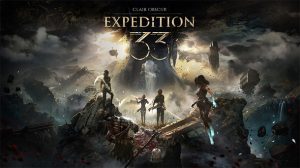
- Clair Obscur: Expedition 33
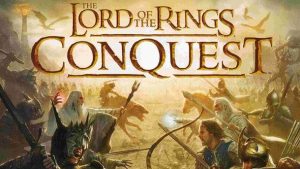
- The Lord of the Rings: Conquest
- Baldur’s Gate 3
- Middle-earth: Shadow of Mordor
- Dragon’s Dogma: Dark Arisen
Found something worth playing through DecideGame?
DecideGame.com is an independent gaming project run by Editor Zero. If this guide helped you discover a game, solve a problem, or find useful information, you can support DecideGame.com and help keep new and updated game guides coming.
DecideGame — PC Game Guides, Reviews & Setup Help