
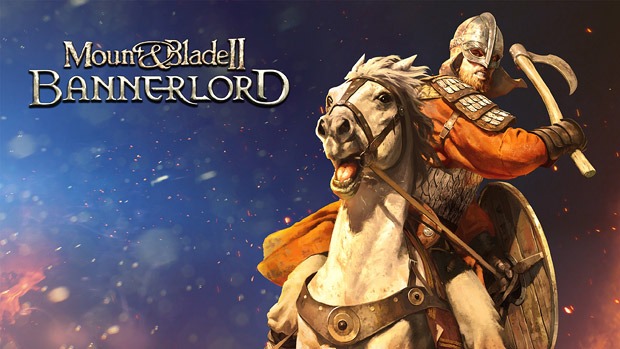
Use this updated 2026 Mount & Blade II: Bannerlord PC guide to compare official Steam, Epic Games Store, GOG, and Xbox download and installation options, understand editions and War Sails ownership, and check system requirements, Steam Deck support, multiplayer, mods, performance, and save guidance.
 By Editor Zero — independently researched, edited, and maintained.
Last updated: 29 September 2026
Last reviewed: 29 September 2026
Table of Contents
- Quick Summary
- Quick Facts
- Official PC Stores, Download & Installation
- Mount & Blade II: Bannerlord Review
- Pros & Cons
- PC System Requirements
- Frequently Asked Questions
- Similar Games
Mount & Blade II: Bannerlord Quick Summary
✔ Medieval sandbox strategy and action RPG set roughly 200 years before Mount & Blade: Warband, during the collapse of the Calradic Empire and the rise of competing kingdoms
✔ Start with a small clan and build toward trading, mercenary service, vassalage, fief ownership, dynasty management, kingdom creation, or independent conquest across a changing campaign map
✔ Similar to Kingdom Come: Deliverance II through its grounded medieval atmosphere, directional melee combat, mounted travel, equipment, skills, settlements, political conflict, and first-person or third-person action
✔ Real-time battles let you fight directly while positioning infantry, archers, cavalry, and horse archers through formations, movement orders, targeting, and delegated command
✔ Campaign mode adds the family introduction and Dragon Banner storyline, while Sandbox mode removes the central quest structure; the optional War Sails expansion adds the Nords, naval warfare, fleets, coastal trade, blockades, raids, and custom naval battles
✔ PC players can choose Steam, Epic Games Store, GOG, or Xbox Play Anywhere, with different ownership, DRM, cloud-save, Workshop, and account features; multiplayer remains separate from the single-player campaign
Mount & Blade II: Bannerlord Quick Facts
Official PC Stores, Download & Installation
👇 Compare the official Steam, Epic Games Store, GOG, and Microsoft/Xbox options below before purchasing, downloading, or installing Mount & Blade II: Bannerlord.
- PC availability: The Windows PC version is officially sold through Steam, Epic Games Store, GOG, and Microsoft/Xbox Store. Each storefront provides its own licence, installation, account features, and cloud-save environment.
- Standard Edition: The base purchase contains the complete original land-based Bannerlord experience, including Campaign, Sandbox, Custom Battle, multiplayer, kingdoms, sieges, trade, smithing, mod support, and free base-game improvements. War Sails is not required for the original campaign.
- Digital Deluxe Edition: Digital Deluxe combines the base game with the Digital Companion. The companion contains an interactive map of Calradia, the Travels in Calradia audio storybook, soundtrack material, and concept art rather than a separate gameplay campaign.
- Seafarer and Sealord: Steam’s Seafarer bundle combines Bannerlord with War Sails. The Sealord bundle adds the Digital Companion and original soundtrack. Check the bundle contents against products you already own before purchasing overlapping items.
- War Sails: The expansion requires the Bannerlord base game and should be purchased for the same storefront ecosystem as the installed base game. It adds the Nords, an expanded northern map, 20 ships, naval battles, fleets, maritime skills, blockades, seaborne raids, coastal trade, and naval custom battles; it does not add campaign co-op or naval multiplayer.
- GOG and offline play: GOG sells DRM-free Windows versions and provides official offline installers without mandatory GOG Galaxy activation for single-player. GOG Galaxy remains relevant for GOG multiplayer, achievements, and cloud-save synchronization.
- Steam features: Steam includes achievements, Steam Cloud, Workshop integration, trading cards, Family Sharing, the Bannerlord Modding Kit, level-editor access, and direct installation of compatible Workshop modules.
- Epic Games Store: Epic sells the base game, Digital Deluxe Edition, Digital Companion, and War Sails for Windows and provides Epic achievements and online multiplayer through the Epic ecosystem.
- Xbox Play Anywhere: The Microsoft digital version supports compatible Xbox consoles, Windows PC, and supported Windows handheld devices under the same Xbox account, with Xbox achievements and cloud-synchronised saves inside that ecosystem.
- Game Pass and cloud play: The Xbox listing does not present Bannerlord as a Game Pass catalogue entitlement. Cloud play is available with an owned copy and an eligible Game Pass tier, so do not subscribe solely expecting the base game to be included automatically.
- Separate ownership: Buying Bannerlord on Steam does not grant Epic, GOG, or Microsoft/Xbox ownership, and the reverse is also true. DLC and bundle ownership should be checked in the same storefront where the base game is installed.
- Multiplayer across PC stores: Cross-platform multiplayer is supported between compatible PC storefront environments, but that should not be confused with universal cross-progression, shared campaign saves, or shared ownership.
- Save transfers: Automatic campaign cross-save is not provided between Steam, Epic, GOG, and Xbox ecosystems. Manual file movement may work between compatible Windows installations, but back up saves first and do not assume cloud services will merge libraries.
- Steam Deck: Valve rates the base game as Playable. Default performance and controls pass Deck checks, while launcher navigation, manually invoked text input, small UI text, and external-controller order may need extra attention.
- Installation and version matching: Keep the base game and War Sails fully updated together through the same official storefront. If one component finishes downloading before the other and the game crashes or reports mismatched modules, verify the installation files before reinstalling.
 Buy Mount & Blade II: Bannerlord on Steam
Buy the Bannerlord War Sails Expansion on Steam
 Buy Mount & Blade II: Bannerlord on Epic Games Store
Buy the Bannerlord War Sails Expansion on Epic Games Store
 Buy Mount & Blade II: Bannerlord on GOG
Buy the Bannerlord War Sails Expansion on GOG
 Buy or Play Bannerlord through Xbox Play Anywhere
 Visit the Official Mount & Blade II: Bannerlord Website
Mount & Blade II: Bannerlord Review
A spectacular medieval war sandbox whose self-written battles expose the emptiness of its politics and late-game rule.
Mount & Blade II: Bannerlord is most convincing when a carefully organised campaign disintegrates into chaos. A cavalry charge misses its intended flank and collides with spearmen. Archers run out of safe targets as infantry lines merge. Reinforcements arrive behind the formation that was supposed to contain them. The commander loses a horse, takes an arrow, and spends the final minutes fighting beside the few soldiers still standing. No scripted scene announces that this is the decisive moment. The simulation, tactical decisions, and personal combat create it together.

That mixture remains Bannerlord’s defining achievement. The player begins as an obscure traveller leading a handful of recruits and can eventually command armies, govern settlements, establish a dynasty, or conquer Calradia. Every level of that rise remains playable rather than abstract. The person ordering a shield wall can ride beside it, break through the enemy line, fall unconscious, and watch the remaining troops decide the battle.
The military sandbox is broad enough to support hundreds of hours, but its political and social systems rarely develop comparable depth. Nobles matter more as armies and influence totals than as people. Kingdoms repeat familiar cycles of war, siege, peace, and recovery, while ruling during peacetime provides surprisingly little to do. Bannerlord can generate remarkable history, yet it often asks the player to supply the meaning that its characters and institutions fail to provide.
The Early Game Makes Every Soldier Feel Expensive
The climb from obscurity works because a small party has almost no margin for error. A group of fresh recruits may outnumber a band of raiders and still suffer costly losses because shields, armour, weapon skill, morale, and formation matter more than the headcount suggests. Replacing several dead troops can consume most of the money earned from the encounter, leaving the party larger in theory but no more secure than before.
This gives ordinary decisions weight. Chasing a faster bandit group into difficult terrain may cost more in wages and food than the eventual loot is worth. Recruiting every available villager can create an army the player cannot afford to maintain. An injured party may need to remain near friendly settlements rather than accept a profitable contract deep inside hostile territory.
Tournaments provide useful combat practice because failure does not destroy the campaign party, while prizes can supply equipment that would otherwise remain unaffordable. Mercenary service later introduces kingdom warfare without immediately attaching the clan to permanent territory. The player can earn money and influence from battles, learn how armies operate, and leave before the obligations of vassalage become overwhelming.
The first important victory is often modest. Defeating a group that previously forced the party to flee, upgrading several recruits into shielded infantry, or buying a horse that allows the player to control the pace of a fight feels more significant than another numerical level. Bannerlord’s progression is strongest when authority is measured through practical changes: enemies begin avoiding the party, nobles recognise the clan, and losses that once ended a campaign become recoverable.
Personal Combat Feels Best When Momentum Matters

Bannerlord’s directional combat is easy to understand and difficult to perform consistently under pressure. Attacks and blocks come from different directions, while weapon reach, swing speed, armour, movement, and timing determine whether an apparent opening is actually safe. The system is less intricate than the duelling simulation in Kingdom Come: Deliverance, but it works more naturally when dozens or hundreds of soldiers share the battlefield.
Weapon choice affects spacing. A spear can control an approaching rider or infantryman at the correct distance, then become awkward once the opponent moves inside its effective reach. A short weapon is easier to use inside a crowded formation but struggles against enemies who can maintain distance. Two-handed axes are dangerous around packed troops and shields, although their committed swings leave the user exposed when mistimed.
Mounted combat is the system at its most satisfying. Speed converts a well-aligned strike into devastating damage, but the horse also limits how quickly the player can correct a poor approach. Couching a lance against an exposed formation can remove an enemy immediately. Attempting the same charge into braced spearmen or dense infantry may stop the horse and leave the rider surrounded.
Archery creates another useful rhythm. Hitting a moving target from horseback requires leading the shot while accounting for personal movement, enemy direction, and distance. Firing into a crowded battle is easier but risks wasting ammunition on shields or protected targets. Elevated ground and a clear line of sight can therefore matter more than raw bow skill.
The combat remains readable because it does not require a large catalogue of special abilities. Its complexity comes from movement, formations, numbers, terrain, and the danger of losing awareness. A technically superior fighter can still die after focusing on one opponent while another attacks from outside the camera.
Army Command Turns Simple Orders Into Personal Stories
The transition from fighter to commander is where Bannerlord separates itself from most medieval RPGs. Infantry, archers, cavalry, and horse archers can be arranged, repositioned, delegated, or ordered toward specific threats while the player remains physically present. The battlefield does not pause while those decisions are made.
A basic formation can produce a satisfying combined-arms plan. Infantry forms a shield wall on a slope, forcing the enemy to approach under missile fire. Archers remain behind or above the line with a clear view. Cavalry waits beyond a hill until the opposing force commits, then attacks exposed archers or the rear of the infantry formation. The orders are simple; the difficulty lies in timing and adaptation.
Enemy behaviour regularly disrupts the plan. Horse archers may circle far enough to pull undisciplined troops out of formation. Cavalry can strike the archers before the infantry lines meet. Reinforcements may arrive from a direction that turns the carefully selected hill into the wrong position. A defensive line that looked secure can disappear within seconds after one flank collapses.
The player’s physical presence creates another source of uncertainty. Leading the cavalry personally improves the sense of timing, but it also means attention is focused away from the infantry. Falling unconscious removes direct control and leaves the surviving captains and soldiers to finish the engagement. A battle can therefore continue after the person responsible for the plan is no longer able to correct it.
Bannerlord’s most memorable victories often occur when the original strategy has failed. A smaller experienced force can defeat an army several times its size through terrain, high-tier troops, repeated engagements, careful formations, and personal combat. The final moments may involve a wounded commander without a horse fighting beside the last few soldiers against one remaining opponent. The strategic significance of that victory matters less than how improbable and personal it feels.
Sieges Contain the Best and Worst of Bannerlord
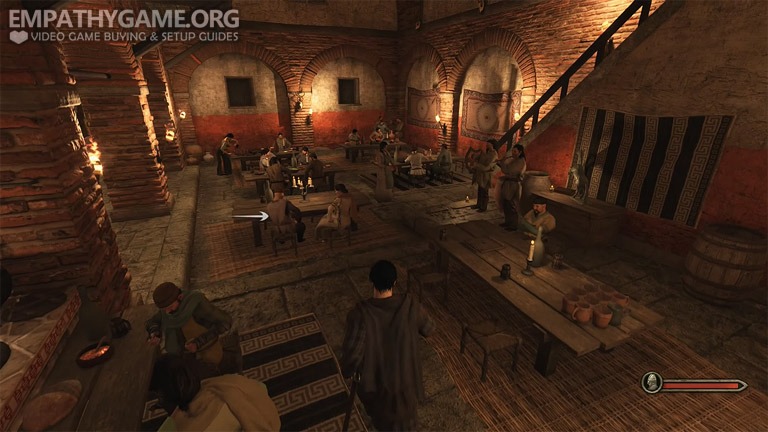
Sieges transform army command into a fight over walls, gates, stairways, towers, and narrow courtyards. The scale can be extraordinary. Projectiles cross above packed formations, ladders fill with climbing troops, gates break under repeated impact, and defenders withdraw from one layer of the settlement to another.
A disciplined defence can feel like a battle planned in stages. Archers initially occupy the walls and fire into attackers approaching the fortifications. Once enemies begin reaching the top, the archers withdraw behind infantry arranged at the base of the stairs. Shield walls contain anyone who survives the climb, while another formation protects the gate and a smaller reserve waits inside the courtyard.
This arrangement creates natural attrition. Attackers climbing into concentrated missile fire arrive wounded and disorganised. Those who survive must fight through a protected formation while more troops crowd behind them. Stones and other defensive ammunition are especially destructive against soldiers compressed below walls, around ladders, or inside a gate passage.
Reserves matter because the first line cannot hold indefinitely. A gate formation may withstand several waves before fatigue, casualties, and broken shields create gaps. Committing the reserve too early leaves nothing available when another entry point fails. Waiting too long can allow the attackers to establish enough space inside the settlement that the defensive structure collapses.
Siege equipment introduces additional consequences. Losing a tower before it reaches the wall can eliminate or weaken one intended assault route, concentrating troops at the remaining ladders or gate. That bottleneck can help defenders, but it may also cause attackers to crowd aimlessly while the AI searches for a usable path.
This is where the spectacle becomes unreliable. Soldiers sometimes gather beneath ladders without climbing, abandon strong defensive positions, or struggle to pass through a gate that appears open. Formations break apart inside narrow streets, and the player may lose control of troops after they decide another wall is more important. Bannerlord’s sieges create exceptional tactical stories when the pathfinding cooperates and farce when it does not.
Calradia Writes History Better Than It Writes Characters
The campaign’s formal story provides an introduction to Calradia but never becomes its main attraction. The memorable narrative is the one produced by defeat, promotion, marriage, inheritance, captured nobles, lost settlements, and political resentment. A kingdom that refuses to award a hard-won town can create a stronger motive for rebellion than any scripted dialogue.
Factions have recognisable military and geographic identities. Vlandian cavalry dominates open ground, Battanian archers become terrifying with suitable terrain, Khuzait horsemen punish slow armies, and Imperial forces support balanced formations. These distinctions shape campaigns because fighting in forests, steppes, deserts, or narrow mountain routes changes which advantages can be used.
Individual nobles are less convincing. Their importance comes from clan strength, relations, holdings, political influence, and army size. Conversations rarely develop a friendship or rivalry beyond those values. Marriage is strategically useful, but courtship and family life provide little emotional detail. Companions can spend years leading parties for the clan without developing through shared memories in the way an authored RPG companion would.
The Elder Scrolls V: Skyrim provides more individually authored settlements, characters, and quests, but its world waits more patiently for the protagonist. Calradia feels more active at the strategic level: nobles are defeated, castles change hands, clans gain and lose power, and wars continue regardless of where the player is travelling.
The strongest personal stories emerge when the simulation gives familiar names new roles. A companion can be promoted into nobility, granted a settlement, and allowed to establish a clan. Years later, political changes may place that former follower on the opposite side of a war, now accompanied by relatives and troops of their own.
Meeting that clan in battle carries meaning the game never explicitly narrates. The opponent was once the unknown wanderer hired in a tavern, then a trusted captain, governor, and vassal. Their family exists because the campaign continued long enough to create one. Bannerlord supplies the systems and names; the player supplies the history connecting them.
The Economy Works Until Smithing Escapes It
Bannerlord’s economy is most interesting when several imperfect sources of income must support an expanding military. Trade rewards understanding local supply and scarcity. Workshops depend on production and market conditions. Caravans can generate money while roads remain safe, then disappear into enemy territory during war. Fiefs produce taxes but demand garrisons and protection.
These systems create useful tension because income is rarely guaranteed. A workshop that performed well during peace can decline after its supplying villages are raided. A caravan may earn steadily for weeks and then be captured. A profitable town can become a financial burden after starvation, rebellion risk, and an expensive garrison interrupt construction and tax collection.

Smithing can undermine that structure. Once valuable weapon parts and efficient recipes become available, crafted weapons may sell for sums that ordinary commerce cannot approach. Materials and smithing stamina provide some restrictions, but repeated crafting can still generate enough money to make troop wages, equipment, tribute, and most purchases trivial.
The problem is not simply that smithing is profitable. A blacksmithing-focused character should be able to earn well. The imbalance is that one activity can invalidate the simulated economy built around caravans, market demand, workshops, settlement prosperity, and wartime disruption. Why risk a caravan or study regional prices when several crafted weapons can produce a safer and larger return?
Players can ignore the most excessive recipes or treat smithing as an emergency tool, but meaningful balance should not depend entirely on self-restraint. Bannerlord repeatedly creates intricate systems and then provides a shortcut capable of making them optional.
Becoming King Adds Responsibility Without Enough Rulership
Establishing an independent kingdom appears to be the natural culmination of the campaign. In practice, it begins a more demanding cycle of diplomacy, clan recruitment, influence, fief distribution, tribute, garrisons, and defensive warfare. Neighbouring kingdoms recognise vulnerability quickly, particularly when the new realm has few clans and settlements spread across exposed borders.
The best strategic decision is often geographical. Beginning with mountains, coast, or a friendly border protecting one side reduces the number of directions from which armies can arrive. Expanding outward from a defensible core is more sustainable than accepting scattered fiefs awarded during vassalage.
Kingdom management creates difficult decisions, but it rarely makes the player feel like a ruler during peace. Policies can be proposed, votes influenced, clans recruited, and settlements developed. There are few substantial court events, negotiations, ceremonies, internal disputes, or administrative projects that make rulership feel socially different from vassalage.
A king without an active war may spend time performing familiar village tasks, hunting bandits, recruiting troops, managing inventory, or waiting for another declaration. The title changes strategic responsibilities without providing a new layer of personal role-playing. Nobles do not suddenly become more interesting because the player now outranks them.
This emptiness contributes directly to late-game fatigue. Once money is plentiful and the clan has strong armies, the remaining goal is usually territorial expansion. Kingdoms gather troops, besiege a settlement, negotiate peace, recover, and begin again. The player may repeatedly recapture the same border towns because conquered territory is difficult to stabilise before the next campaign begins.
Late-Game Repetition Can Be Either the Problem or the Point
Bannerlord’s conquest cycle is undeniably repetitive. Field battles, sieges, raids, prisoner management, army reconstruction, votes, and peace negotiations recur across an increasingly large map. Opposing kingdoms recover fighting forces quickly enough that defeating one major army rarely settles the war.
For players seeking evolving politics or new forms of leadership, this repetition exposes unfinished depth. Becoming king does not transform the campaign into a more sophisticated strategy game. It primarily increases the number of armies, settlements, and crises requiring attention.
For others, the repetition is the appeal. Large battles remain enjoyable after the political context has become predictable. Capturing settlements changes the map visibly, and gradually replacing an opposing colour with the player’s kingdom provides a clear sense of progress. A campaign played without rushing can alternate conquest with tournaments, family development, trading, or experimentation with another troop composition.
Children and younger relatives can become self-imposed long-term projects. Training them, selecting equipment, assigning clan roles, arranging marriages, and eventually giving them parties provides a reason to allow years to pass instead of treating the campaign as a race toward conquest. The game does not supply a detailed family drama, but it supplies enough systems to support one imagined by the player.
The distinction depends on motivation. Bannerlord does not continuously invent new late-game activities. It provides a durable battlefield and asks whether fighting another war remains satisfying. For someone who enjoys the act of commanding and participating in those battles, the loop can remain rewarding. For someone waiting for rulership to unlock deeper politics, the campaign eventually feels unfinished.
War Sails Adds Another Strong Battlefield, Not Deeper Politics
War Sails expands Bannerlord in the direction where it is already strongest. Naval combat introduces a new tactical space shaped by wind, waves, ship handling, ramming, boarding, missile fire, crew strength, and the danger of losing mobility. A heavy vessel can dominate a direct collision but struggle to turn, while smaller ships can approach from a better angle or avoid an unfavourable boarding action.
The player’s presence again gives the strategy physical weight. Ordering a boarding attack is different when the commander must cross onto the enemy deck, fight inside a crowded mass, and survive while crews from nearby vessels create another threat. Damaged sails, lost oars, fire, and hull damage affect more than a health bar because they change whether the ship can reposition or escape.
Naval movement also gives coastal warfare more strategic meaning. Fleets can protect trade, support raids, move armies, and interfere with supplies reaching coastal settlements. The Nords and northern territory broaden the campaign without feeling completely detached from Calradia’s existing conflicts.
The expansion does not solve Bannerlord’s weakest areas. Naval victories still feed into kingdoms whose diplomacy and characters remain shallow, while owning more territory eventually returns the player to familiar administrative problems. War Sails is a meaningful expansion because it creates another excellent form of battle, not because it transforms what happens between wars.
Final Verdict
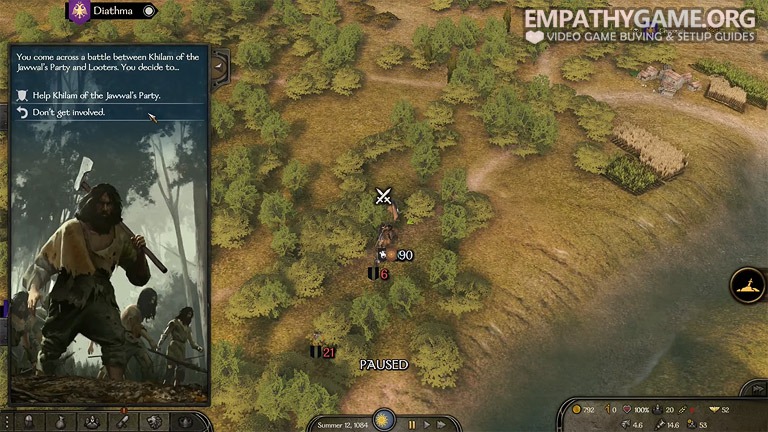
Mount & Blade II: Bannerlord succeeds because it allows strategy to become personal. A shield wall is not merely an icon receiving a defensive bonus; it is a line the player can stand behind. A cavalry flank is something the commander can lead and mistime. A siege defence can become a layered retreat from battlements to stairways, gate, and courtyard before the last reserve enters the fight. These moments create stories that no campaign script needs to predict.
The simulation surrounding those battles is broad but uneven. Calradia changes without waiting for the player, companions can become nobles, children can inherit a dynasty, and former allies can return as enemies. Yet individual characters remain thin, diplomacy is limited, smithing can trivialise the economy, siege AI is unreliable, and kingship offers too little beyond managing the next war. Late campaigns often become cycles of conquest and recapture rather than increasingly sophisticated rule.
Players seeking authored companions, deep court intrigue, or a rewarding peacetime monarchy may find Bannerlord emotionally hollow. Those who enjoy building armies, testing formations, surviving impossible battles, and watching a self-directed clan reshape the map can remain absorbed for hundreds of hours. Its politics rarely deserve the wars fought over them, but few games make those wars feel this immediate.
Mount & Blade II: Bannerlord Pros & Cons
Mount & Blade II: Bannerlord PC System Requirements
OFFICIAL BASE-GAME WINDOWS PC REQUIREMENTS:
MINIMUM:
OS: Windows 7, 64-bit only; the current Steam client requires Windows 10 or later
CPU: Intel Core i3-8100 / AMD Ryzen 3 1200 / Snapdragon X Elite
RAM: 6 GB
GPU: Intel UHD Graphics 630 / NVIDIA GeForce GTX 660 2 GB / AMD Radeon HD 7850 2 GB
Storage: 60 GB available space
Additional Notes: A 64-bit processor and operating system are required. Integrated GPUs require an additional 2 GB of system RAM.
RECOMMENDED:
OS: Windows 10, 64-bit only
CPU: Intel Core i5-9600K / AMD Ryzen 5 3600X
RAM: 8 GB
GPU: NVIDIA GeForce GTX 1060 3 GB / AMD Radeon RX 580
Storage: 60 GB available space
War Sails Additional PC Requirements
MINIMUM:
OS: Windows 7, 64-bit only; the current Steam client requires Windows 10 or later
CPU: Intel Core i3-9100T / AMD Ryzen 3 2200G
RAM: 6 GB
GPU: Intel UHD Graphics 770 / NVIDIA GeForce GTX 960 2 GB / AMD Radeon RX 570 4 GB
Storage: 35 GB available space
Additional Notes: A 64-bit processor and operating system are required. Integrated GPUs require an additional 2 GB of system RAM.
RECOMMENDED:
OS: Windows 10, 64-bit only
CPU: Intel Core i5-13600K / AMD Ryzen 5 7600X
RAM: 8 GB
GPU: NVIDIA GeForce RTX 3060 8 GB / AMD Radeon RX 6600 XT 8 GB
Storage: 35 GB available space
Additional PC Performance and Setup Notes
- The published base-game and War Sails storage figures are separate requirements. Keep additional free space available for updates, shader caches, save backups, Workshop content, and manually installed mods.
- The official minimum specifications still name Windows 7, but the current Steam client itself requires Windows 10 or later. A supported Windows 10 or Windows 11 installation is the practical choice for a current Steam setup.
- Keep Bannerlord and War Sails updated together. TaleWorlds notes that launching while the base game and expansion are temporarily on mismatched files can cause a crash; verify files if that happens.
- Large field battles and sieges can become CPU-limited before the GPU is fully used. Reducing battle size, character detail, ragdolls, shadows, and other simulation-heavy settings can help when frame times rise sharply.
- Naval battles add ships, crews, water simulation, boarding paths, sails, projectiles, and destructible components, which is why War Sails lists substantially stronger recommended CPUs and GPUs than the base game.
- Launch a clean installation once before adding community modules, then install only versions that explicitly support the game branch you are using.
- Advanced mods may depend on shared libraries such as Harmony, ButterLib, UIExtenderEx, or Mod Configuration Menu. Keep dependencies and load order aligned with the documentation supplied by each mod author.
- Back up important campaign saves before changing major overhauls, total conversions, load order, or game branches. Removing a heavily scripted mod from an established save can permanently damage that campaign.
- Steam Deck users may need the touchscreen for launcher interaction, the manually opened virtual keyboard for text entry, and a controller-order change in Steam’s Quick Access Menu when an external controller is connected.
- GOG Galaxy is optional for DRM-free offline single-player installation, but GOG requires Galaxy for its multiplayer functionality and uses it for cloud saves and achievement synchronization.
Official Trailer
Note: This official TaleWorlds War Sails launch trailer presents the Nords, ships, storms, fleet combat, ramming, boarding, naval projectiles, coastal settlements, and maritime expansion of Calradia, while the written guide also covers the complete base campaign, editions, PC stores, Xbox cloud access, multiplayer, Steam Deck, mods, requirements, troubleshooting, and setup guidance.
Frequently Asked Questions
Is Mount & Blade II: Bannerlord worth playing in 2026?
Yes, especially if you enjoy large medieval battles, open-ended character progression, army building, sieges, trade, and campaigns that generate their own stories. Its combat and strategic simulation remain the main strengths, while shallow diplomacy, limited peacetime rulership, and repetitive late-game wars are the most important limitations.
What kind of game is Mount & Blade II: Bannerlord?
Bannerlord combines an action RPG with a strategic medieval sandbox. You travel across Calradia, fight directly in first or third person, recruit and command troops, trade, manage a clan, serve or oppose kingdoms, own settlements, and potentially create a realm of your own.
When does Bannerlord take place?
It is set roughly 200 years before Mount & Blade: Warband, during the fragmentation of the Calradic Empire and the rise of the kingdoms that shape the later setting.
What is the difference between Campaign and Sandbox mode?
Campaign includes the family introduction and Dragon Banner storyline before opening into the wider sandbox. Sandbox removes the central campaign quest structure and lets you define a freer starting character and long-term goal.
What is War Sails?
War Sails is an optional single-player expansion that integrates naval warfare into the campaign. It adds the Nords, northern territory, 20 ships, fleets, maritime skills, sea travel, boarding, ramming, coastal trade, blockades, seaborne raids, naval quests, equipment, companions, and custom naval battles.
Do I need War Sails to play normal Bannerlord?
No. The Standard Edition contains the complete original land-based Bannerlord campaign, Sandbox, Custom Battle, multiplayer, trade, smithing, kingdoms, sieges, and mod support. Buy War Sails only if you want its naval and Nord content.
Do I need to start a new campaign for War Sails?
War Sails is designed to integrate with Bannerlord’s campaign rather than exist as a separate standalone game. Back up an important save before adding a major expansion or changing a heavily modded setup, and confirm that installed mods support the same game and expansion configuration.
Does War Sails add naval multiplayer?
No. War Sails is a single-player expansion. Its custom naval battles are offline/custom-battle content rather than a naval PvP mode.
What is the difference between Standard and Digital Deluxe?
Standard contains the base game. Digital Deluxe adds the Digital Companion, which includes an interactive Calradia map, the Travels in Calradia audio storybook, soundtrack material, and concept art rather than additional campaign gameplay.
What are the Seafarer and Sealord editions?
On Steam, Seafarer bundles Bannerlord with War Sails. Sealord adds the Digital Companion and original soundtrack to the base game and War Sails. Check owned products before purchasing because these bundles can overlap with separately purchased items.
Where can I officially buy and download Bannerlord on PC?
The Windows PC version is officially sold through Steam, Epic Games Store, GOG, and Microsoft/Xbox Store. War Sails is also sold for the supported PC storefront ecosystems.
Is Bannerlord included with PC Game Pass?
The current Xbox listing does not present Bannerlord as a Game Pass catalogue entitlement. Xbox cloud play instead requires an owned copy plus an eligible Game Pass tier, so check the live Xbox listing before subscribing specifically for this game.
Does Bannerlord support Xbox Play Anywhere?
Yes. The Microsoft digital version supports Xbox Play Anywhere across compatible Xbox consoles, Windows PCs, and supported Windows handhelds under the same Xbox account, with Xbox achievements and cloud saves inside that ecosystem.
Is there a DRM-free version of Bannerlord?
Yes. GOG sells a DRM-free Windows version and provides official offline installers that do not require GOG Galaxy for normal offline single-player play. Galaxy is used for GOG multiplayer, cloud saves, and achievements.
Can I play Bannerlord offline?
Yes, single-player can be played offline after the game is properly installed. GOG provides the clearest fully offline installation path; multiplayer, cloud synchronization, Workshop access, and other connected services still require internet access.
Do Steam, Epic, GOG, and Xbox saves automatically transfer between stores?
No universal cross-store campaign synchronization is provided. Xbox Play Anywhere synchronizes supported saves inside Microsoft’s ecosystem, while Steam, Epic, and GOG use their own services. Back up saves before attempting any manual transfer between compatible Windows installations.
Does Bannerlord have campaign co-op?
No. Another player cannot join your Campaign or Sandbox world to build a kingdom with you. Multiplayer is a separate competitive mode.
What multiplayer does Bannerlord support?
Bannerlord provides online PvP, matchmaking, custom and community servers, and dedicated-server files. GOG explicitly lists cross-platform multiplayer, and compatible PC storefront environments can participate together, but campaign saves and ownership do not become shared.
Can I host a private or dedicated Bannerlord server?
Yes. TaleWorlds provides dedicated-server files for community multiplayer hosting. Server operators should keep the server and required multiplayer modules aligned with the clients expected to connect.
Is Bannerlord good on Steam Deck?
Valve rates the base game as Playable rather than Verified. Default controls and performance pass Deck checks, but launcher interaction, manual keyboard invocation, small interface text, and external-controller order can require extra steps, and very large battles remain demanding.
Does Bannerlord support mods?
Yes. The PC version has an official Modding Kit, Steam Workshop integration, extensive Nexus Mods support, scripting and scene tools, and a large ecosystem ranging from small interface changes to campaign overhauls and total conversions.
Does War Sails support modding?
Yes. TaleWorlds provides a War Sails Modding Kit for naval maps, ships, Nord assets, settlement work, and related expansion systems. Mods that depend on War Sails require the expansion and should clearly state their dependencies.
Why do Bannerlord mods sometimes break after game changes?
Many mods depend on specific assemblies, official modules, shared libraries, load order, and save structures. Keep backups, verify every dependency, and avoid opening an important modded save after a major game or mod change until compatibility is confirmed.
Does Bannerlord work on Windows 11?
Yes, current Windows 11 systems can run the Windows version. The official published requirements still list Windows 7 or Windows 10 depending on the tier, but a supported modern Windows installation is the practical choice for current storefront clients and drivers.
Why does Bannerlord stutter in large battles even with a strong GPU?
Large battles simulate many agents, formations, physics interactions, AI decisions, projectiles, and audio sources, so CPU load can become the bottleneck. Reduce battle size and simulation-heavy settings before assuming the graphics card is the only limitation.
What should a new Bannerlord player do first?
Use tournaments and smaller bandit fights to learn directional combat, recruit gradually instead of expanding beyond your wages, keep enough food and reserve money, and avoid battles where a small numerical advantage hides a large troop-quality disadvantage.
What are reliable ways to make money early?
Tournaments, loot from manageable battles, quests, trading, mercenary service, and later workshops or caravans can all help. Smithing can become extremely profitable, but using the strongest crafted-value loops can trivialize much of the economy if you prefer a more balanced campaign.
How do clans, marriage, children, and succession work?
Your clan can recruit companions, form additional parties, marry into other families, have children, assign governors, and expand its political role. Births, deaths, inheritance, and succession allow a long campaign to continue beyond the original character.
Can I create my own kingdom?
Yes. Kingdom creation becomes available after meeting the necessary campaign conditions and controlling suitable territory. Independent rule adds clan recruitment, policies, influence, diplomacy, fief distribution, tribute, garrisons, and the risk of wars on several borders.
Still have questions? Check the official TaleWorlds Bannerlord forums, Steam Discussions, and TaleWorlds news and support updates.
Sources & References
Key factual and technical information in this guide was checked against relevant official and established sources, including:
- TaleWorlds — Mount & Blade II: Bannerlord – War Sails and War Sails Modding Kit Release — official expansion features, ships, naval systems, modding tools, and base/expansion update-matching guidance.
- TaleWorlds Bannerlord Engine Dev Blog — official confirmation that Bannerlord uses an engine built entirely in-house.
- Steam — Mount & Blade II: Bannerlord and Steam — War Sails — editions, features, Steam Deck rating, Workshop support, user reception, ownership requirements, and official PC specifications.
- GOG — Mount & Blade II: Bannerlord — DRM-free installation, offline play, Galaxy features, and cross-platform multiplayer information.
- Xbox — Mount & Blade II: Bannerlord — Xbox Play Anywhere, cloud saves, supported devices, cloud-play requirements, and edition information.
- Metacritic — Mount & Blade II: Bannerlord — PC critic score and review aggregation.
Similar Games Like Mount & Blade II: Bannerlord
- Kenshi
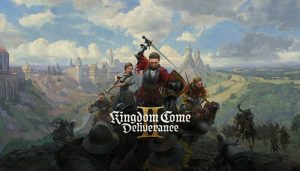
- Kingdom Come: Deliverance II
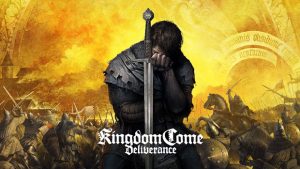
- Kingdom Come: Deliverance
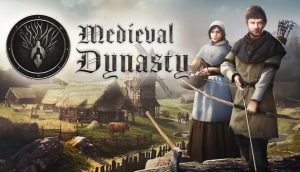
- Medieval Dynasty
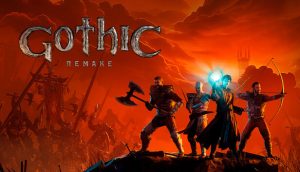
- Gothic 1 Remake
- The Elder Scrolls V: Skyrim
Found something worth playing through DecideGame?
DecideGame.com is an independent gaming project run by Editor Zero. If this guide helped you discover a game, solve a problem, or find useful information, you can support DecideGame.com and help keep new and updated game guides coming.
DecideGame — PC Game Guides, Reviews & Setup Help