
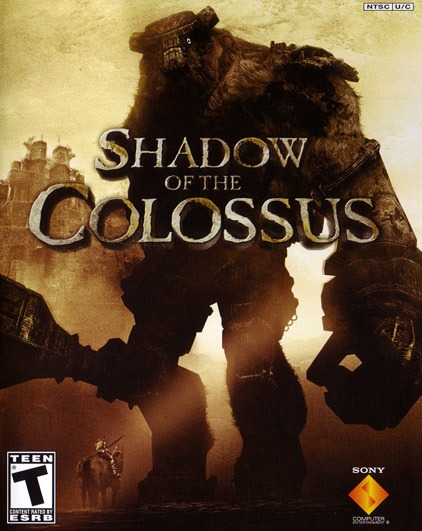
📅 Game released: 2005
Shadow of the Colossus is a solitary PS2 adventure in which Wander hunts 16 giants to revive Mono, but it has no official Windows game download. This PC guide compares the original PS2 version through PCSX2 with the PS3 HD remaster through RPCS3, explains lawful game-copy and emulator setup, distinguishes the PS4 remake, and provides emulator system requirements and practical performance advice.
 By Editor Zero — independently researched, edited, and maintained.
Last updated: 18 November 2026
Last reviewed: 18 November 2026
Table of Contents
- Quick Facts
- Official PC Stores, Download & Installation
- Shadow of the Colossus Review
- Pros & Cons
- PC System Requirements
- Frequently Asked Questions
- Similar Games
Shadow of the Colossus Quick Facts
- Game: Shadow of the Colossus (PS2 original); Shadow of the Colossus HD in The Ico & Shadow of the Colossus Collection (PS3); Shadow of the Colossus (PS4 remake, discussed separately)
- Developer: Team Ico / Sony Computer Entertainment Japan Studio (original); Bluepoint Games with Japan Studio (HD remaster and remake)
- Publisher: Sony Computer Entertainment (PS2/PS3); Sony Interactive Entertainment (PS4)
- Genre: Action-Adventure, Puzzle-Solving, Open World
- Release: October 18, 2005 (original PS2, North America); September 27, 2011 (PS3 HD collection, North America); February 6, 2018 (PS4 remake, North America); no official native Windows release
- Platforms: PS2 (original); PS3 (HD remaster); PS4 (remake)
- Modes: Single-player; no co-op or multiplayer
- Best PC Emulation Route: Original PS2 release using PCSX2; the PS3 HD remaster using RPCS3 is a separate alternative
- Engine: Original PS2 engine not publicly given a definitive official name; the separate PS4 remake uses Bluepoint Engine technology
- Community: Shadow of the Colossus Reddit, Team Ico Reddit, RPCS3 Forums
- PC modding: No official Windows mod support; PCSX2 and RPCS3 offer emulator-side graphics, controller, and game-specific patch options; independent PC port experiments are unofficial
- Metacritic score: 91/100 (original PS2 version)
- IGN score: 9.7/10 (original PS2 review)
- GameSpot score: 8.7/10 (original PS2 review)
Official PC Store Status, Download & Installation
👇 There is no officially released Windows edition of Shadow of the Colossus. The routes below explain how owners of the PS2 original or PS3 HD collection can prepare their own game copies and use official emulator software, without relying on unauthorized game downloads.
- Official Windows status: Sony released the original on PS2, the HD remaster on PS3, and a rebuilt remake on PS4. None is an official Steam, GOG, Epic Games Store, or Microsoft Store Windows edition. The freeware emulators described here do not include the copyrighted game.
- Which version to choose: PCSX2 with the PS2 original is the primary recommendation for preserving the 2005 design, atmospheric rendering, and original release. Choose RPCS3 with the 2011 PS3 HD remaster if you own that version and prefer its higher-definition presentation, more consistent original-console frame pacing, and PS3 additions such as Trophies. These are distinct console releases, not interchangeable game files.
- PS2 game ownership: Obtain a legitimate PS2 copy and create your own disc backup by following PCSX2’s official disc-dumping instructions. A suitable computer optical drive can read PS2 DVD discs; the documented tools create a local backup that PCSX2 can load. Personal-copying rules differ by jurisdiction, and possession of a disc does not automatically make every duplication method lawful.
- PS2 BIOS requirement: PCSX2 needs BIOS data from a real PS2 console. Consult the official BIOS-dumping guide to prepare firmware from your own hardware; PCSX2 does not distribute Sony BIOS files. Never obtain a supposed BIOS bundle from an unrelated game-download website.
- PCSX2 installation: Download PCSX2 from its official website, launch the current Windows build, select the BIOS you prepared, and add the folder containing your legitimate PS2 game backup to the game list. Follow the emulator’s first-run setup and running guide if a game does not appear automatically.
- PCSX2 controller and display: Map a modern controller under PCSX2’s controller settings. Start with default game-specific fixes and the Vulkan or Direct3D renderer supported by your GPU, then increase internal resolution gradually. Shadow of the Colossus already provides native 16:9 and progressive-scan options in its PS2 game settings: enable the built-in aspect ratio and match it in the emulator rather than stretching 4:3 or adding an unnecessary widescreen patch.
- PCSX2 limitations: The PS2 game was demanding even on original hardware. Its PCSX2 compatibility notes describe graphical flicker in hardware rendering and significant CPU demands in some scenes. If the image misbehaves, reduce upscaling or try software rendering as a diagnostic; that mode can demand much more CPU power. Avoid treating aggressive speedhacks or forced 60 FPS as universally safe defaults.
- PS3 HD remaster identity: The version to use with RPCS3 is Shadow of the Colossus from The Ico & Shadow of the Colossus Collection (or the corresponding legally owned PS3 digital release), not the PS2 disc and not the 2018 PS4 remake. Sony’s PS3 release adds HD presentation, 3D support, surround-sound features, and Trophies, with a nominal 30 FPS console target.
- RPCS3 installation: Get RPCS3 from its official download page, extract or install it as instructed, then consult the official RPCS3 Quickstart. RPCS3 requires PS3 system firmware: obtain the official PS3 update file from Sony and install it with RPCS3’s File > Install Firmware command.
- PS3 game preparation: Prepare your own PS3 game data using a supported method in RPCS3’s official Quickstart (a compatible Blu-ray drive or a compatible PS3 may be required, depending on the disc and method). Add the extracted or supported disc data to RPCS3; for a lawfully owned digital package, follow RPCS3’s package-install instructions and any applicable license requirements. Do not treat a PS2 backup as valid input for this PS3 remaster.
- RPCS3 graphics and patches: Start with the Vulkan renderer, default game settings, and the collection’s entries in RPCS3’s compatibility database. Use a game-specific configuration if necessary. Optional community patches may support higher resolutions or frame rates, but results are build-, region-, and hardware-dependent; higher FPS should not be advertised as guaranteed or automatically faithful to the original physics and climbing behavior.
- Saves and troubleshooting: Use ordinary in-game saves and back up emulator save-data directories before changing important settings or patches. If performance or controls are problematic, retest with default settings, verify that your game’s region/build matches any selected patch, and consult the PCSX2 performance guide or RPCS3 documentation before applying old community fixes.
- PS4 remake is separate: The 2018 Bluepoint remake rebuilds the visuals and is an official PS4 product, also playable on compatible PS5 hardware through PS4 backward compatibility. It is not the PS3 HD remaster and does not provide an official Windows license or PC download.
- Unofficial PS4 PC projects: Community work, including the independent ShadowOfTheColossus-PC project, attempts to run the PS4 remake’s code on Windows with user-supplied game data. These changing, unofficial projects are not Sony releases, have build-specific compatibility issues, and are not the supported emulation route in this guide. Follow applicable ownership and software rules; avoid repackaged game files or purported preinstalled copies.
 Download PCSX2 from the Official Website (PS2 Emulator)
Download RPCS3 from the Official Website (PS3 Emulator)

PS2 vs PS3: Which Shadow of the Colossus Version Is Better on PC?
Choose the PS2 original with PCSX2 if you want the 2005 presentation, including its distinctive lighting, haze, and original game behavior. PCSX2 can sharpen the image and display the game’s own widescreen mode, but a modern resolution does not remove all of the original hardware’s demanding frame-rate behavior. This is the most direct route for preserving what Team Ico released.
Choose the PS3 HD remaster with RPCS3 if you own the 2011 version and prefer an HD-era presentation and a steadier 30 FPS console target, while accepting more demanding PS3 emulation. The remaster is not identical in every detail: Bluepoint acknowledged that the PS3 frame-rate increase exposed a physics-related problem that made the third colossus more difficult. That is a concrete reason some fans still favor the PS2 experience despite the remaster’s cleaner image. Neither route automatically becomes a faithful 60 FPS edition through emulator patches.
The 2018 PS4 remake is a third, visually rebuilt product rather than a setting you can select in PCSX2 or RPCS3. For this guide’s two practical emulator paths, the deciding questions are which genuine console edition you own and whether you value original presentation or HD remastering more.
Shadow of the Colossus Review
Sixteen towering creatures make victory feel thrilling, uneasy, and occasionally exhausting.
Most action-adventures fill the space between major battles with enemies and rewards. Shadow of the Colossus leaves it almost empty. Wander enters the Forbidden Lands with his horse, Agro, to defeat sixteen enormous creatures in the hope of restoring Mono’s life. The journey alternates between quiet rides across an abandoned landscape and desperate attempts to climb seemingly impossible enemies. The game’s brilliance lies in making a colossus feel like a creature, a puzzle, and a place to explore at once. The same design can frustrate when awkward controls or unpredictable movements turn discovery into waiting.
The Empty Land Gives Every Encounter Room to Breathe
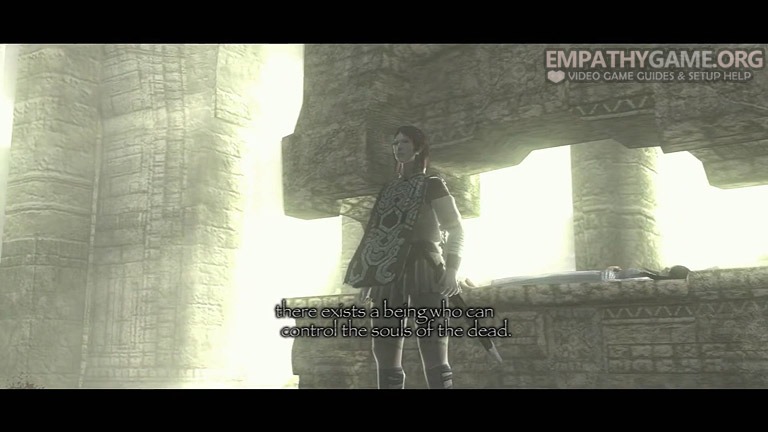
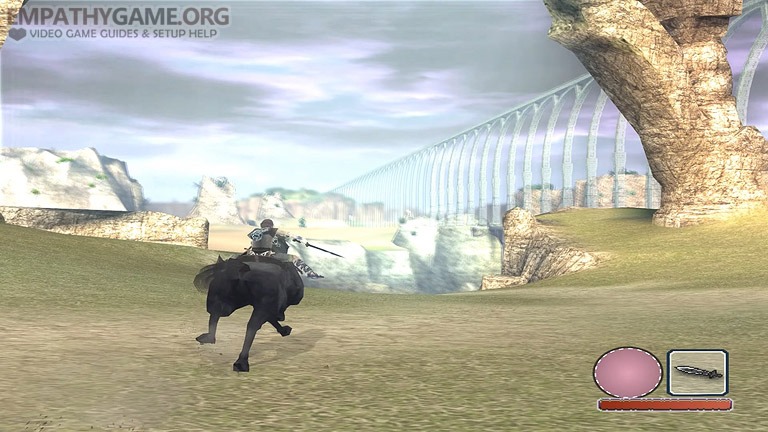
Every hunt begins at the Shrine of Worship. Wander raises his ancient sword into the sunlight, follows its converging rays, and rides through plains, canyons, forests, and scattered ruins. The beam indicates a direction rather than drawing a route. Reaching a secluded arena may require finding a way around a mountain that appears to block the destination. The land offers little guidance beyond its own geography.
There are no towns, enemy patrols, or side quests. In a conventional open world, the journey might be where the player collects resources and checks objectives off a map. Here, travel is mostly about the place itself. A distant structure comes into focus; a forest gives way to open ground. Because so little happens between encounters, their locations start to feel remote rather than merely far apart.
That restraint is not always enjoyable. A wrong turn can mean retracing several minutes of familiar scenery, with few tangible rewards for exploring. The emptiness is essential to the atmosphere, but it asks something of the player too. If a silent valley has no appeal, those stretches offer little else.
Every Colossus Is a Moving Puzzle
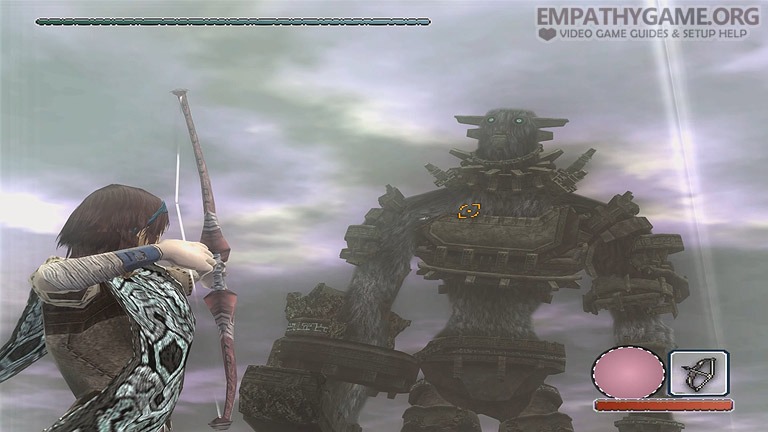
The first encounter teaches the idea without feeling like a tutorial. Wander cannot simply stand below the colossus and trade blows. He has to locate a foothold, grab the fur on its leg, and work upward toward a glowing sigil. The enemy becomes a route: stone armor provides ledges, fur offers handholds, and each movement of the creature threatens to rearrange the path. Recognizing a weak point is only half the puzzle. The other half is reaching it while that entire route moves beneath Wander.
The later battles develop that idea. Avion turns a lake into a takeoff point, asking Wander to leap onto a winged giant and stay attached as it changes direction in flight. Phalanx, circling over the desert, makes Agro and carefully timed movement part of an encounter that unfolds across a much wider area. The appeal lies in how each creature changes the solution, not in bigger damage numbers or stronger weapons.
The arena itself can also be the key. With Phaedra, the fourth colossus, Wander uses underground entrances to manipulate where the creature stands and encourage it to lower its head. The landscape becomes part of the fight, but understanding the puzzle and enjoying its execution are different things. Once the positioning is clear, waiting for Phaedra can feel more like managing unresponsive behavior than solving a puzzle.
Grip, Weight, and Agro’s Unusual Controls
Wander’s grip meter is what makes these enormous bodies more than elaborate climbing walls. Hanging on drains stamina, and a violent shake can interrupt a climb or a charged sword thrust. A stable ledge provides both progress and a chance to recover. Sometimes the best move is to hold tight until the creature finishes struggling.
That sense of weight is one of the game’s defining strengths. Wander looks and moves like someone barely capable of controlling the situation, which makes reaching a weak point genuinely satisfying. But vulnerability is not the same as obstructive controls. His slow recoveries and committed jumps can make a small correction surprisingly difficult. The camera can press against a shoulder or swing beneath a limb, hiding the next foothold. The view may look spectacular while providing exactly the wrong information.
Agro demands a different adjustment in expectations. She does not turn instantly with every input, and constantly correcting her direction can make riding feel awkward. Against Dirge, the tenth colossus, that behavior has a practical advantage. Wander needs to aim his bow at the creature while it pursues him through the sand. Letting Agro maintain her course frees attention for the shot instead of forcing the player to steer and aim with equal intensity. Her handling remains unusual, but the independence that feels stubborn during travel makes sense when horse and rider must act together.
Discovery Is Stronger Than Repeating the Solution
Often, the greatest satisfaction comes before the sword strike, when a movement or architectural detail turns an invulnerable giant into a solvable problem. But a strong idea does not always support a long fight. Some colossi repeat a sequence long after the mystery disappears.
Pelagia, the twelfth colossus, demonstrates this tension clearly. By striking projections on its head, Wander can influence where it moves and guide it toward structures that create a chance to attack. Directing the creature rather than climbing it initially feels fresh. Once the route is understood, however, swimming back, repositioning Pelagia, and waiting for another damage opportunity can turn into laborious repetition. Its execution outlasts the discovery that makes it worthwhile.
Argus, encountered later, can be more punishing in a different way. Its large arena demands a chain of environmental actions before Wander can reach the necessary positions. A fall or missed opportunity may require repeating much of that preparation, and the interaction involving its hand is not as immediately readable as the glowing sigils elsewhere. The irritation is not difficulty itself, but repeating solved steps before retrying the one that caused failure.
These frustrations matter more because there are only sixteen fights. Each carries considerable weight, with no alternative combat system when a fight grows tedious. The strongest colossi sustain curiosity through the final strike; the weaker moments become routine well before the creature falls.
A Sparse Story That Makes Its Victories Questionable
Wander arrives carrying Mono’s motionless body and makes a bargain with Dormin, a mysterious presence in the Shrine of Worship. Destroy the colossi, he is told, and she may be brought back. That is nearly all the motivation needed. Wander has a purpose, but the nature of his bargain remains uncertain.
The creatures are especially important to that uncertainty. They are not presented as a uniform collection of villains. Some react aggressively to Wander’s presence; others appear to be occupying their own territory until he disturbs them. Their fur, weathered stone, and armor suggest a much older history. When one collapses, the spectacle is undeniable, but so is the uncomfortable feeling that something ancient and perhaps undeserving has just been destroyed. Progress is clear. Whether progress is justified is another matter.
The game rarely explains its history outright. Ruined temples and abandoned spaces suggest a civilization that is no longer there, and Dormin offers instructions without resolving the questions behind them. This leaves room for interpretation rather than directing the player toward an obvious moral verdict. The story can also feel distant, with little character interaction or dialogue and no branching decisions for Wander. The storytelling depends on players noticing what the journey does not say.
Sound, Light, and Water Make Scale Personal
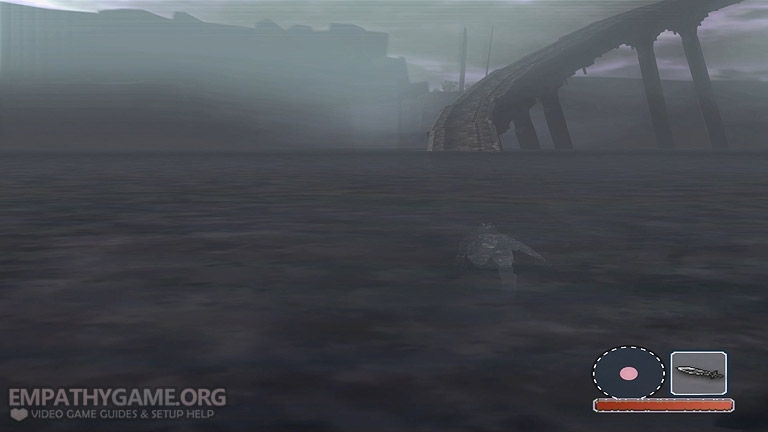
Kow Otani’s score works partly because it does not follow Wander everywhere. Much of the Forbidden Lands is accompanied only by wind, flowing water, and Agro’s hooves. When orchestral music rises during a colossus battle, the change gives danger and movement a sudden urgency. Just as important is what happens afterward. The music recedes, and the land returns to a quiet that can make the victory feel unexpectedly lonely.
The original visuals support that feeling. Pale light, haze, and distant silhouettes can make the landscape seem difficult to fully understand, especially when a colossus first appears against it. The PS4 remake replaces much of that softness with sharper surfaces and more elaborate environmental detail. The world becomes easier to examine and its creatures more detailed, but that clarity changes the quality of its mystery. Clarity and atmosphere are not the same. Preferring the older haze is an artistic judgment, not simply nostalgia.
Hydrus, the seventh colossus, shows how an arena can create tension before an attack. The approach takes Wander into a wide expanse of deep water, with an enormous form moving beneath him. For players uncomfortable with dark water, the slow swim can be more frightening than the actual climbing. That feeling of exposure comes from the water and the empty distance around Wander, not simply from the danger of being attacked. In this world, scale is often felt most strongly when Wander seems completely out of place.
Progression Is Modest; Time Attack Changes the Rules
There are no character classes, skill trees, or better swords to purchase. Wander grows more capable mainly through increased health and grip stamina as colossi fall. Fruit and white-tailed lizards offer optional increases and modest rewards for exploration. Additional stamina can make a difficult climb more forgiving or allow another charged thrust before letting go. It cannot replace understanding the creature’s movements.
Hard difficulty, Time Attack challenges, equipment rewards, and Reminiscence Mode offer reasons to return after the story. They change the demands more than the solutions. Once a colossus’s weak points and climbing route are known, replaying it becomes an exercise in execution rather than revelation. That can be rewarding for players who enjoy mastering a specific encounter, although it is a narrower kind of replayability than a campaign with multiple builds, quests, or narrative choices.
Barba, the sixth colossus, illustrates how a timed challenge can alter the value of the same design. During the story, watching it advance across the arena contributes to its scale and intimidating presence. In Hard Time Attack, that movement eats into the timer before an attack becomes possible. Waiting patiently may be appropriate to the creature, but it is not especially satisfying under a strict clock. Success requires precise climbing and timing, but also rehearsed enemy behavior and patience with unavoidable delays.
Final Verdict
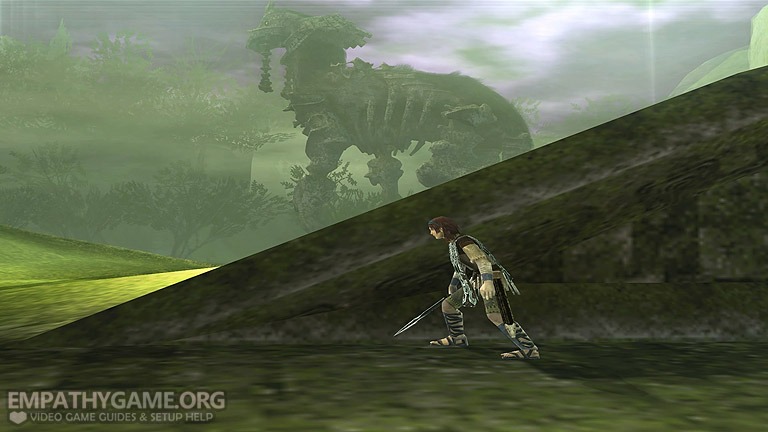
Shadow of the Colossus remains unusual because it gives its sixteen encounters so much space, both geographically and emotionally. The silent rides, the effort of holding onto a moving giant, and the unsettling quiet after a victory all contribute to the same experience. Its puzzles are inventive not because they hide complicated rules, but because each creature changes how Wander must move, observe, and take risks. The game understands that scale is more convincing when the person confronting it feels genuinely small.
It also asks players to accept real frustration. The camera sometimes sacrifices clarity for spectacle, movement can feel heavier than it needs to, and several encounters require too much repetition after the central idea has become clear. Anyone seeking constant action, abundant side activities, or precise modern controls may struggle with those compromises. For players willing to spend time observing an unfamiliar creature and exploring a deliberately lonely world, the rewards are less about defeating sixteen bosses than about everything those victories make them consider.
Shadow of the Colossus Pros & Cons
- Pro: Sixteen colossi turn boss battles into memorable climbing, observation, and environmental puzzles.
- Pro: The sparse Forbidden Lands, Agro’s movement, and orchestral score create a distinctive sense of isolation and scale.
- Pro: PCSX2 preserves the original release while offering higher rendering resolution and native in-game widescreen.
- Pro: The PS3 HD version offers a separate, sharper presentation without requiring the visual redesign of the PS4 remake.
- Con: The deliberately empty journey between colossi offers little conventional quest or enemy variety.
- Con: Wander’s movement, camera, and grip management can feel awkward or frustrating in difficult encounters.
- Con: PCSX2 can reproduce demanding PS2-era slowdowns and encounter graphical issues when upscaled.
- Con: Neither version has an official Windows release; emulator ownership, firmware, and configuration introduce extra setup work.
Shadow of the Colossus PC System Requirements
Official Windows PC requirements: None exist for the PS2 original, PS3 HD remaster, or PS4 remake because Sony has not released these products as native Windows editions. The specifications below are for running PCSX2 and RPCS3 on a Windows host PC, not official system requirements published for Shadow of the Colossus.
PCSX2 — PS2 Original (Official Emulator Hardware Tiers)
MINIMUM PCSX2 HOST REQUIREMENTS:
OS: Windows 10 22H2 / supported LTSC, 64-bit
CPU: x86-64 with SSE4.1; four physical cores with SMT; PassMark single-thread score around 2,000 or higher
GPU: Vulkan 1.1, Direct3D 11 (Feature Level 10.0), or a supported OpenGL 3.3 GPU
RAM: 8 GB
Game/firmware: Your own legally prepared PS2 game backup and BIOS dumped from a PS2 console
Performance: These are PCSX2’s general minimums, not a promise of full-speed Shadow of the Colossus gameplay.
MODERATE PCSX2 HOST TIER — BETTER STARTING POINT FOR THIS GAME:
OS: Windows 11, 64-bit
CPU: x86-64 with AVX2; six physical cores; PassMark single-thread score around 2,500 or higher (PCSX2 examples: Intel Core i7-8700K or AMD Ryzen 5 3600)
GPU: Vulkan 1.3 or Direct3D 12; around 4 GB VRAM (PCSX2 examples: GeForce GTX 1650 or Radeon RX 5600 XT)
RAM: 16 GB
Storage: Space for emulator files, save data, and your own disc backup; the amount varies by game copy and backup format
Performance: Complex colossus scenes or elevated internal resolutions may benefit from a stronger CPU and GPU.
RPCS3 — PS3 HD Remaster (Practical Host-PC Guidance)
RPCS3’s hardware needs are separate from PCSX2’s, and the PS3 HD collection cannot be launched through PCSX2. The following is a practical suggested starting configuration based on RPCS3’s hardware guidance, not a game-specific benchmark or a guaranteed 30/60 FPS target.
SUGGESTED RPCS3 HOST CONFIGURATION:
OS: Windows 10 or Windows 11, 64-bit
CPU: Modern x86-64 processor with at least six cores / twelve threads and strong single-core performance; AVX2-capable hardware preferred
GPU: Actively supported Vulkan-capable graphics card and current compatible driver
RAM: 16 GB dual-channel recommended as a sensible modern target
Storage: SSD recommended for emulator caches, firmware data, and installed game files
Firmware: Official Sony PS3 system software installed through RPCS3
Game data: The legitimately prepared PS3 HD collection or corresponding owned PS3 digital edition
Performance: Check the official RPCS3 Quickstart and the collection’s compatibility entry for the latest emulator-specific advice.
Additional PC Performance and Setup Notes
PS2 widescreen: Shadow of the Colossus is an exception to the many PS2 games that require unofficial 16:9 patches. Its own game options include a native widescreen setting, so select 16:9 there and use a matching PCSX2 display aspect ratio. The game also offers a progressive-scan option; test it with your regional game build if desired. Upscaling improves image sharpness but does not change the original artwork, geometry, or behavior into the PS4 remake.
Expectations and stability: On PCSX2, start near native or 2× internal resolution before pushing higher values, and leave automatic game fixes in place. On RPCS3, begin at default settings before testing optional patches; a higher frame-rate readout does not necessarily mean better frame pacing or identical original-game physics. Record your working configuration, back up normal saves, and consult each emulator’s current documentation if a later emulator update changes performance.
Official Trailer
Note: This is the official PlayStation launch trailer for the 2018 PS4 remake, included to show the same story and colossus designs in a rebuilt visual presentation. The PS2 and PS3 versions described in the PC setup guide are different releases and do not have these graphics.
Frequently Asked Questions
How do you find the next colossus in Shadow of the Colossus?
Raise Wander’s Ancient Sword while standing in sunlight and rotate the camera until the reflected beams converge into one direction. Follow that direction using Agro, but remember that mountains, cliffs, caves, and other obstacles may require a detour. The sword indicates the destination, not a complete route through the landscape.
Can you fight the 16 colossi in any order?
No. The main campaign presents all 16 colossi in a fixed sequence, although the Forbidden Lands are open for exploration between encounters. You can investigate distant locations, find collectibles, and visit save shrines, but you cannot freely select a different colossus to advance the story.
How do you find a colossus’s weak points?
Use the Ancient Sword’s reflected light to identify glowing sigils on a colossus’s body. Reaching these points often requires climbing, manipulating the creature’s movements, or using the surrounding environment. Once positioned correctly, charge your sword stab for greater damage rather than relying on repeated quick attacks.
Why does Wander keep falling when a colossus shakes?
Wander’s grip consumes stamina, and a colossus’s shaking can interrupt climbing or prevent a fully charged stab. Try waiting for a calmer moment, moving toward a stable foothold, or resting on a surface where Wander can stand and recover stamina. Repeatedly attempting to attack during violent movement can waste your entire grip meter.
How do you increase stamina in Shadow of the Colossus?
Find lizards with glowing white tails throughout the Forbidden Lands. Shoot a lizard with the bow or otherwise catch it, then collect its white tail to increase Wander’s maximum grip stamina slightly. Many save shrines have a white-tailed lizard nearby, making them useful places to investigate while exploring.
What does eating fruit do in Shadow of the Colossus?
Ordinary fruit found growing in trees increases Wander’s maximum health. Shoot fruit down with your bow and collect it from the ground. The extra health helps with falls and enemy attacks, while white-tailed lizards improve stamina instead. Be aware that the unusual fruit in the hidden Secret Garden behaves differently from ordinary fruit.
Do you need to collect every lizard and fruit to finish the game?
No. Collecting white-tailed lizard tails and ordinary fruit is optional for completing the story on Normal difficulty. The additional stamina and health can make difficult encounters more forgiving, but careful climbing and understanding each colossus’s puzzle are more important than collecting everything before progressing.
Can you save anywhere in Shadow of the Colossus?
The original PS2 and PS3 versions use save shrines scattered throughout the Forbidden Lands, along with saving opportunities at the Shrine of Worship and after defeating colossi. Approach a shrine’s stone altar and use the interaction or prayer command to save. You cannot manually save at an arbitrary location in the original game world.
Does Shadow of the Colossus have fast travel?
No conventional fast-travel system exists in the PS2 original or PS3 HD remaster. Agro is the primary way to cross the Forbidden Lands, although some areas must be reached on foot or through climbing. After defeating a colossus, Wander returns to the Shrine of Worship automatically, but travelling to the next encounter remains part of the adventure.
Can you replay colossi you have already defeated?
Yes. Reminiscence Mode allows Wander to revisit the remains of a previously defeated colossus and pray there to replay that encounter. It works for the earlier colossi but not the sixteenth. For timed challenges and additional unlockable equipment, the separate Time Attack mode becomes available after completing the story.
How do you unlock Time Attack mode in Shadow of the Colossus?
Finish the campaign and continue from your completed save, then pray before a colossus statue inside the Shrine of Worship to begin a timed battle. Normal and Hard Time Attack have separate challenges and unlockable rewards, with Hard Time Attack requiring a completed Hard difficulty playthrough. Earned bonus equipment can be used in normal gameplay, but not during the timed challenges themselves.
What changes when you play Shadow of the Colossus on Hard difficulty?
Hard Mode makes the colossi more demanding, including additional weak points on some creatures and less forgiving combat. The main progression, locations, and total number of colossi remain the same. Completing Hard difficulty also opens the corresponding Hard Time Attack challenges, which offer their own set of unlockable items.
Does Shadow of the Colossus have New Game Plus?
Yes. After completing the campaign, you can continue into another playthrough using the completed save while retaining accumulated health and grip-stamina improvements. This also allows repeated attempts at the colossi and access to post-game challenges. Keep a separate backup save before starting another run, particularly if you want to preserve different difficulty or Time Attack progress.
How long does it take to beat Shadow of the Colossus?
A first playthrough generally takes around 8–12 hours, depending on how quickly you discover each colossus’s location and solution. Players familiar with the encounters can finish substantially faster. Exploring for fruit and lizards, completing additional difficulty modes, and earning Time Attack rewards can extend playtime considerably.
Do you need to play Ico before Shadow of the Colossus?
No. Shadow of the Colossus tells a self-contained story about Wander, Mono, Agro, and the mysterious Dormin. It shares creative origins, thematic elements, and connections with Ico, but understanding Ico’s story is not necessary to follow the main adventure. Either game can be enjoyed first without requiring knowledge of the other’s ending.
Can you play Shadow of the Colossus with a keyboard and mouse on PC?
PCSX2 and RPCS3 allow keyboard inputs to be mapped to emulated PlayStation controls, and mouse inputs can also be configured where supported. However, Shadow of the Colossus was designed around analog movement, camera adjustment, and sustained grip inputs, so a modern gamepad is generally the more comfortable choice. Neither emulator turns the game into a native keyboard-and-mouse PC release.
Can Shadow of the Colossus run at 60 FPS through PCSX2 or RPCS3?
Optional emulator configurations and game-specific patches can provide higher frame rates, but stable, correct 60 FPS gameplay is not guaranteed. The PS2 original has variable frame-rate behavior, and the PS3 HD remaster was designed around a 30 FPS target. Emulator frame counters, game speed, animation timing, and climbing physics do not always correspond directly, so start with the original timing before experimenting with frame-rate patches.
What does the PS4 remake add beyond better graphics?
Bluepoint’s 2018 PS4 remake rebuilds the game’s visual presentation while retaining the original 16-colossus adventure. It introduces alternative control options, a detailed Photo Mode, and additional hidden collectibles, including coins tied to an optional reward. These additions belong to the PS4 remake and should not be confused with the original PS2 game or the PS3 HD remaster available through the two emulation routes discussed in this guide.
Still have questions?
Check the Shadow of the Colossus Reddit community for gameplay discussions, the official PCSX2 documentation for PS2 emulation help, or the official RPCS3 Quickstart for PS3 HD remaster setup and troubleshooting.
Sources & References
Key factual and technical information in this guide was checked against relevant official and established project sources, including:
- Sony’s original PS2 announcement — confirms the 2005 release, platform, and core game identity
- Sony’s PS3 HD collection announcement — confirms the 2011 remaster, release timing, and upgraded PS3 features
- PlayStation’s Shadow of the Colossus remake page — confirms the separately rebuilt 2018 PS4 product
- PlayStation Blog’s Bluepoint developer interview — explains the PS3 remaster’s frame-rate-related third-colossus difficulty change
- PCSX2’s Shadow of the Colossus compatibility notes — documents built-in widescreen, performance demands, and emulation-specific issues
- Official PCSX2 setup documentation — covers BIOS dumping, original-disc backups, installation, and emulator hardware guidance
- Official RPCS3 Quickstart — covers PS3 firmware, supported game preparation, emulator configuration, and host-PC hardware expectations
- Unofficial ShadowOfTheColossus-PC source project — documents the independent, evolving PS4-remake Windows experiment, not an official Sony release
Similar Games Like Shadow of the Colossus
- The Legend of Zelda: Twilight Princess
- God of War II
- The Legend of Zelda: Breath of the Wild
- Dragon’s Dogma: Dark Arisen
- Tomb Raider I-III Remastered
- Elden Ring
Found something worth playing through DecideGame?
DecideGame.com is an independent gaming project run by Editor Zero. If this guide helped you discover a game, solve a problem, or find useful information, you can support DecideGame.com and help keep new and updated game guides coming.
DecideGame — PC Game Guides, Reviews & Setup Help