
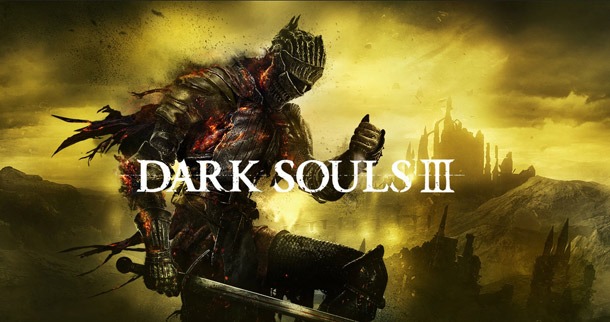
📅 Game released: 2016
Dark Souls III is a dark-fantasy action RPG where stamina-based combat, intricate levels, and demanding bosses reward careful decisions. This PC guide compares official Steam download and Deluxe Edition options, explores Ashes of Ariandel and The Ringed City, and covers system requirements, Steam Deck support, co-op, mods, save backups, and setup.
 By Editor Zero — independently researched, edited, and maintained.
Last updated: 12 November 2026
Last reviewed: 12 November 2026
Table of Contents
- Quick Facts
- Official PC Stores, Download & Installation
- Dark Souls 3 Review
- Pros & Cons
- PC System Requirements
- Frequently Asked Questions
- Similar Games
Dark Souls 3 Quick Facts
- Game: Dark Souls III / Deluxe Edition / The Fire Fades Edition
- Developer: FromSoftware, Inc.
- Publisher: FromSoftware, Inc. (Japan) and Bandai Namco Entertainment (other regions)
- Genre: Action RPG, Soulslike, Dark Fantasy
- Release: March 24, 2016 (PS4 and Xbox One, Japan); Windows PC: April 12, 2016
- Platforms: Windows PC, PS4, Xbox One
- Expansions: Ashes of Ariandel and The Ringed City; both included with the Season Pass
- Steam Deck: Verified; external controllers may require switching the active controller in SteamOS
- Engine: FromSoftware’s internally developed engine; an official public engine name has not been confirmed
- Modes: Single-player, online area-based co-op, invasions, duels, covenants, asynchronous messages and bloodstains, and Undead Match arena battles with DLC access
- Save Data: Locally stored on PC; Steam does not advertise automatic Steam Cloud saves for this game
- Community: Reddit Dark Souls 3, Steam Discussions, Official Bandai Namco Page
- PC modding: Nexus Mods for Dark Souls 3 hosts unofficial overhauls, randomizers, visual changes, challenge projects, and quality-of-life tools
- Metacritic score: 89/100 on PC
- IGN score: 9.5/10
- OpenCritic average: 90/100
- Steam user reception: Very Positive overall
Official PC Stores, Download & Installation
👇 Compare the official Steam options below before purchasing, downloading, installing, or adding Dark Souls III expansions on PC.
- Official PC store: Steam offers Dark Souls III for Windows PC. No official Epic Games Store, GOG, or Microsoft/Xbox Store Windows edition was verified.
- Base game: The standard Steam purchase includes the complete original campaign, achievements, full controller support, and the game’s online features. DLC areas are separate purchases.
- Deluxe Edition: Steam’s Deluxe package contains the base game and Season Pass, giving access to both story expansions.
- Season Pass: Ashes of Ariandel and The Ringed City are included. Existing base-game owners can purchase the pass without buying the game again; each DLC is also sold individually.
- Fire Fades Edition: This complete-edition branding includes the base game and both expansions. Steam’s Deluxe package supplies equivalent playable content rather than a separate Fire Fades PC download.
- Avoid duplicate DLC purchases: Check your Steam library and owned downloadable content before purchasing individual expansions or the Season Pass.
- Installation and online access: Install through the Steam client and keep the official game files updated for online play. PC online co-op, invasions, and multiplayer features are supported; matchmaking depends on game area, levels, weapon upgrades, and network conditions.
- Local save backups: Steam does not advertise automatic Steam Cloud syncing. Before reinstalling Windows, changing computers, or testing mods, copy your save folder from
%APPDATA%\DarkSoulsIII\to a separate location. - Mod precautions: Unofficial modifications can create online penalty, save-integrity, and compatibility risks. Back up saves and use a clean installation and unmodified save for official online play.
 View Dark Souls III Season Pass on Steam

Dark Souls 3 Review
A beautiful, brutal farewell shaped by restraint, ruined kingdoms, and unforgettable bosses.
Dark Souls III feels like a world taking its final breath. Lothric is filled with collapsing castles, twisted pilgrims, abandoned thrones, and people who have waited too long for an ending that never arrived. From the High Wall to the ruins at the world’s end, the landscape suggests that the cycle of fire has been prolonged beyond reason. The setting is bleak, but it never feels empty of meaning.
Rather than explain everything through cutscenes, the game leaves its history in item descriptions, architecture, strange conversations, and the circumstances of its bosses. Sometimes a place feels important long before its significance becomes clear. This approach asks more of the player, yet it also allows exploration and storytelling to become the same activity.
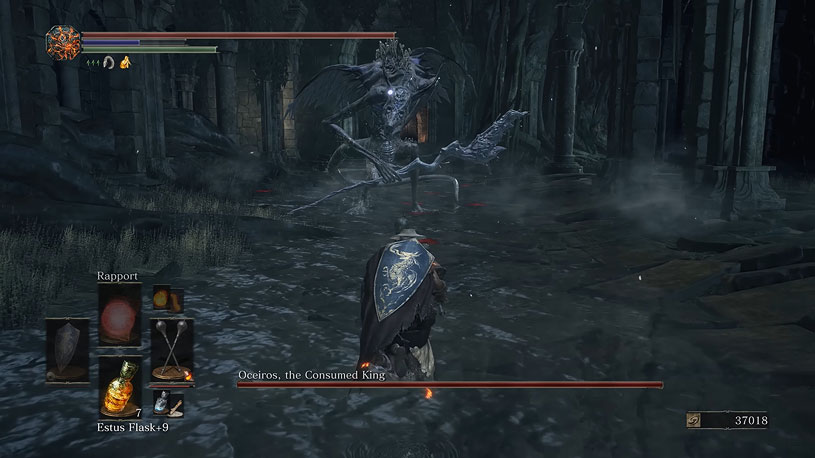
What makes the journey compelling is how closely combat, atmosphere, and progression depend on one another. A corridor teaches enemy placement; a shortcut changes the risk of returning to a boss; a difficult encounter exposes a habit that once seemed harmless. Lothric is not merely a dark fantasy backdrop. Its design keeps asking the player to pay attention.
Precision-Based Combat Rewards Restraint
Combat preserves the series’ stamina management, committed attacks, shields, parries, dodges, and weapon scaling, but moves with a more aggressive rhythm than the first Dark Souls. The loop remains demanding: explore, collect souls, find a route back to safety, improve equipment, and confront a boss. Dying leaves carried souls at the place of death; a second death before retrieving them loses that opportunity.
The decisive skill is often knowing when to stop. An extra sword swing can leave no stamina for a roll. Healing without enough space invites punishment, while blocking a long combination may break a guard just before the final blow. These failures have recognizable causes, which is why learning an enemy’s rhythm is more satisfying than simply becoming stronger.
Weapons change the terms of that learning. Straight swords allow quick corrections; greatswords, axes, and hammers commit the character to slower, more consequential attacks. Heavy equipment is not automatic protection from interruption. Poise helps certain attacks continue through a hit only during their active hyperarmor frames, so even a great hammer can be stopped if the timing is wrong. A slow build therefore rewards prediction and deliberate trading rather than merely wearing the heaviest armor available.
Weapon Arts bring another layer. A straight sword’s stance can pressure a shield, while a larger weapon may offer a sweeping or high-impact special attack. Shields make unfamiliar passages easier to approach, and two-handing changes both defense and offensive options. Not every art deserves its FP cost, but these choices give weapons identities beyond their damage values. The best moment in a difficult fight is often the one in which the player waits instead of acting.
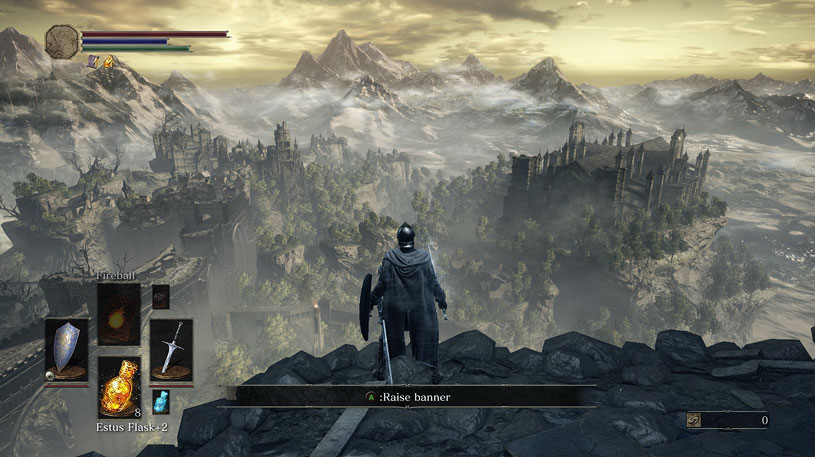
Lothric Is Linear, but Its Levels Still Fold Inward
The journey follows a clearer overall route than the original game, yet individual areas are dense with elevators, locked gates, ladders, illusory walls, ambushes, and optional discoveries. Opening a door back to a familiar bonfire can feel more valuable than finding another weapon. It turns a threatening expedition into a route that the player finally understands.
The Undead Settlement demonstrates that design particularly well. A grim village expands into rooftops, hidden NPCs, underground passages, optional encounters, and a giant launching arrows from a distant tower. Few discoveries arrive with an explanation of why they matter. Remembering an unusual doorway or recognizing where two paths connect becomes part of the satisfaction.
Each region gives that process a different character. The Cathedral of the Deep is layered around hostile interiors; Farron Keep makes even movement through poisonous mud feel exhausting; Irithyll of the Boreal Valley offers cold beauty and sudden danger. Yet Farron also reveals how equipment can reshape exploration. A dagger with the Quickstep art can bypass much of the swamp’s sluggish movement, making a humble sidearm valuable even to a character who rarely fights with it.
Enemy relationships can be just as useful as equipment. Near Farron Keep Perimeter, Darkwraiths and Ghru may attack one another, allowing a cautious player to approach what remains instead of fighting every opponent directly. Such moments suggest a world that has its own hostilities, not simply a collection of creatures waiting for the Ashen One.
The limitation is geographical. Immediate bonfire warping and a largely sequential path mean Lothric rarely achieves Lordran’s extraordinary sense of a single world folding back on itself. There are exceptions: knowledgeable players can challenge the Dancer of the Boreal Valley unusually early and open a route toward later Lothric Castle areas, though the difficulty makes this a severe gamble rather than a natural first-playthrough choice.
For dark-fantasy exploration with clearer quests and a more cinematic story, The Witcher 3: Wild Hunt offers a contrasting appeal. Its broader regions are more welcoming, while Lothric draws much of its identity from what it refuses to explain.
Boss Fights Define the Journey
Bosses are the centerpiece because they test more than reflexes. Each demands an understanding of spacing, stamina, recovery windows, camera behavior, and the temptation to panic. The strongest encounters change the question being asked rather than simply increasing enemy damage.
The Abyss Watchers begin as a duel that gradually breaks into conflict within their own brotherhood. Their fiery second phase then demands closer attention to distance and the lingering danger of each slash. Pontiff Sulyvahn tests a different weakness: rolling at every movement can make his combinations feel endless, while recognizing the actual opening after a sequence makes the fight considerably more readable. His summoned duplicate even hints at attacks to come.
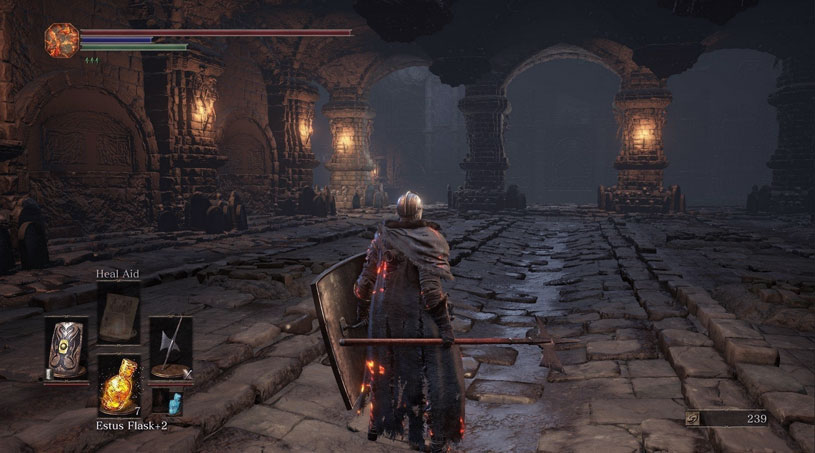
The Dancer bends the expected rhythm; Champion Gundyr punishes hesitation with relentless pressure; Nameless King pairs an awkward camera-heavy phase with a measured duel. Sister Friede changes tempo across a long encounter, while Darkeater Midir rewards the discipline of engaging a huge enemy from the front rather than chasing safety beneath it. These fights do not all suit the same instincts, and that variety helps them remain memorable.
Slave Knight Gael is an especially fitting conclusion. The battle grows from a desperate duel into an apocalyptic spectacle, but its expanding moveset remains something the player can study. His movement, cape, projectiles, lightning, and barren arena communicate the trilogy’s themes through combat rather than another explanation. A victory feels convincing because the player understands what changed between the failed attempts and the successful one.
For a different kind of deliberate encounter, Monster Hunter: World emphasizes preparation and structured hunts. Black Myth: Wukong offers more cinematic boss-focused action. Neither duplicates the particular relationship between Dark Souls III’s bosses and the hazardous journeys leading to them.
Builds Turn Familiar Routes Into Different Games
Souls fund character levels, while attributes, weapon upgrades, infusions, spells, rings, and equipment load determine what those levels accomplish. Vigor buys room for errors; Endurance supports longer combinations and escapes; Vitality permits heavier gear. Strength and Dexterity change weapon choices, while Intelligence, Faith, and Attunement shape magic. A build is not just a damage calculation. It determines which dangers feel manageable.
Reinforcing a reliable weapon often matters more than chasing small early increases in offensive attributes. A straight sword can remain effective for the full campaign when upgraded and suited to its user’s stats. Yet experimentation has a cost: titanite arrives in stages, so basic shards eventually become easier to spare while rarer upgrade materials still force decisions about which weapon receives attention. Finding another piece of titanite can therefore be as exciting as discovering a new blade.
Infusions deepen those choices. Heavy favors Strength, Sharp favors Dexterity, and Refined can suit investment in both; elemental paths create other possibilities but change scaling and buff options. Rings fine-tune stamina recovery, equip load, casting speed, health, or damage. None of this requires endless numerical optimization, although the game can be poor at explaining why two apparently similar weapons perform differently.
Spellcasting offers distance and flexibility without eliminating vulnerability. Sorcery, miracles, and pyromancy need casting windows, positioning, and FP. Unlike stamina, FP does not simply recover between encounters; allocating more Ashen Estus means carrying fewer ordinary healing charges. A long route can leave a magic-dependent character short of options before the next bonfire. Pyromancy’s access to fire and dark damage is appealing, but investing in both Intelligence and Faith can delay early survivability.
For a fantasy RPG driven more by character freedom than strict combat mastery, The Elder Scrolls V: Skyrim remains a useful contrast. Its broader role-playing possibilities come at the expense of the deliberate encounter design that gives Lothric its intensity.
Ashes of Ariandel and The Ringed City Complete the Arc
Ashes of Ariandel sends the Ashen One into a decaying painted world of snow, disease, concealed depths, and uneasy inhabitants. It is comparatively short, but its environment and Sister Friede encounter make a strong impression. Reaching its entrance early is misleading: the area expects more developed equipment and an ability to withstand drawn-out battles.
The Ringed City offers the broader conclusion, from its hostile approaches and towering Harald knights to the Demon Prince, Darkeater Midir, and Slave Knight Gael. Its locations carry the idea of a world worn down by repeated attempts to preserve an age. The expansion’s combat is demanding, sometimes punishing, but its final encounters give the trilogy’s larger themes a physical form.
Together, the expansions add more than extra bosses and equipment. Ariandel establishes conflicts and characters that become more meaningful in The Ringed City, while the latter brings old questions about fire, dark, and survival into focus. The two chapters feel like an extension of the base game’s central idea rather than a detached collection of late-game challenges.
Replay Value Comes From Knowledge
New Game Plus preserves the character while strengthening enemies, but beginning again with a different build may produce the more dramatic change. A shield-focused fighter, fast Dexterity character, or fragile sorcerer reads familiar encounters differently. Better knowledge of enemy placements and shortcut routes makes later playthroughs faster, yet alternative equipment creates new risks.
Optional bosses, different endings, boss-soul rewards, hidden areas, and NPC quests all encourage return visits. The questlines are unusually easy to disrupt because characters move or disappear after decisions the game barely signals. That mystery supports discovery but can make pursuing a specific ending frustrating without outside notes.
Co-op and invasions alter familiar encounters in another way. A summoned phantom may turn a brutal boss into a coordinated effort, whereas an invader introduces an opponent who will not obey a memorized pattern. Messages range from genuinely useful warnings to deliberate misdirection. These systems make the world less predictable without altering the underlying level design.
Covenants are a less consistently rewarding reason to keep playing. Pursuing particular ranks and rewards can require repeated multiplayer tasks or low-probability item drops; farming the same Silver Knights at Anor Londo for Proofs of a Concord Kept is a striking contrast to the game’s varied boss encounters. Completionism can turn mastery into routine. The more satisfying replay value usually comes from discovering what a different character can do with an already familiar world.
Imperfections Still Matter
Not all difficulty teaches equally well. Irithyll Dungeon’s jailers can temporarily reduce maximum health through their line-of-sight effect, making an encounter dangerous before an ordinary blow lands. Managing visibility and separating enemies provides a response, but the sudden loss of survivability can feel more arbitrary than learning a boss’s weapon tells. It is a reminder that oppressive atmosphere and satisfying challenge do not always mean the same thing.
Some swamps and catacombs revisit familiar frustrations, weaker bosses cannot match the standouts, and the linear world lacks Lordran’s geographical surprise. Fast enemy combinations can make slower builds demanding even once hyperarmor is understood. The oblique storytelling and fragile NPC questlines will also disappoint anyone who wants clear instructions or a conventional narrative. Limited PC display flexibility is a secondary irritation, better addressed through setup guidance than allowed to overshadow the game’s design.
Final Verdict
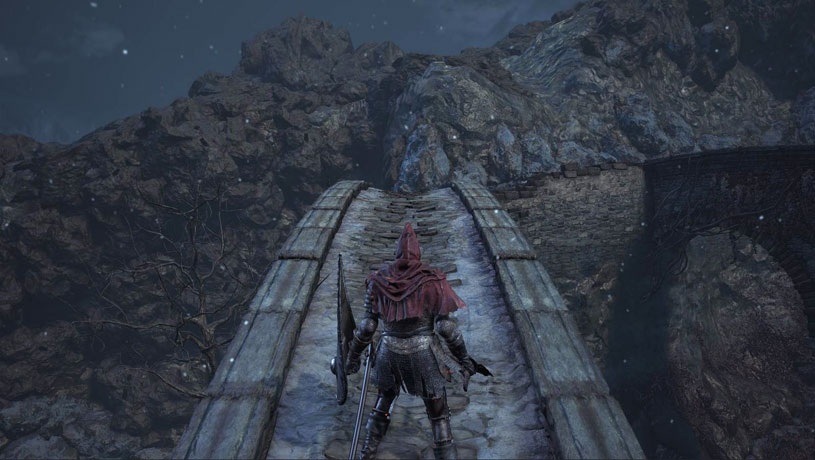
Dark Souls III remains a distinctive action RPG because its finest ideas reinforce one another. Careful combat makes each enemy meaningful; thoughtful level layouts give exploration consequences; ruined landscapes and haunting music make the journey feel older and sadder than its immediate story can explain. The bosses provide the clearest expression of that design, particularly across the two expansions.
It is not an effortless recommendation. Unclear quests, uneven difficulty, resource pressure, and a narrower world structure can frustrate players who prefer freedom or straightforward storytelling. But the game rarely mistakes size for substance. For those willing to study their mistakes and revisit familiar routes with fresh strategies, Lothric offers a concentrated kind of discovery and achievement that remains difficult to replace.
Dark Souls 3 Pros & Cons
- Pro: Precise, responsive combat built around stamina, spacing, dodging, blocking, parrying, Weapon Arts, and disciplined timing
- Pro: Exceptional bosses including Abyss Watchers, Pontiff Sulyvahn, Nameless King, Sister Friede, Darkeater Midir, and Slave Knight Gael
- Pro: Dense levels reward careful exploration with shortcuts, hidden routes, NPCs, equipment, optional areas, and environmental storytelling
- Pro: Builds, covenants, co-op, invasions, endings, New Game Plus, challenge runs, and mods create strong replay value
- Pro: Ashes of Ariandel and The Ringed City provide a meaningful late-game and trilogy conclusion
- Con: Difficulty, cryptic quests, missable NPC progression, and limited direction can overwhelm newcomers
- Con: Overall world progression is more linear and less geographically interconnected than the first Dark Souls
- Con: Some swamps, catacombs, repeated enemies, and weaker bosses do not match the game’s best areas
- Con: The PC version remains capped at 60 FPS and lacks robust native ultrawide and FOV options
- Con: Local-only saves and mod-related softban risks require more manual care than many modern PC games
Dark Souls 3 PC System Requirements
Official Windows PC requirements as listed on Steam:
MINIMUM:
OS: Windows 7 SP1, Windows 8.1, or Windows 10 (64-bit)
CPU: Intel Core i3-2100 / AMD FX-6300
RAM: 4 GB
GPU: NVIDIA GeForce GTX 750 Ti / AMD Radeon HD 7950
DirectX: Version 11
Network: Broadband internet connection
Storage: 25 GB available space
Sound Card: DirectX 11-compatible audio device
Additional: Internet connection required for product activation and online play
RECOMMENDED:
OS: Windows 7 SP1, Windows 8.1, or Windows 10 (64-bit)
CPU: Intel Core i7-3770 / AMD FX-8350
RAM: 8 GB
GPU: NVIDIA GeForce GTX 970 / AMD Radeon R9 series
DirectX: Version 11
Network: Broadband internet connection
Storage: 25 GB available space
Sound Card: DirectX 11-compatible audio device
Additional: Internet connection required for product activation and online play
Additional PC Performance and Setup Notes
- Modern Windows: Steam’s original hardware table still names Windows 7 and 8.1, but the current Steam client requires Windows 10 or later. A fully updated 64-bit Windows 10 or Windows 11 installation is the practical choice.
- Frame rate: The unmodified PC game is capped at 60 FPS. Unofficial frame-rate changes can interfere with timing or online compatibility.
- Ultrawide and FOV: Native 21:9 presentation and field-of-view controls are limited. Community fixes are unofficial and should be kept separate from ordinary online play.
- Steam Deck: Valve classifies the game as Verified. External USB or Bluetooth controllers may need to be manually selected through SteamOS Quick Access controls.
- Save files: Back up the
%APPDATA%\DarkSoulsIII\folder, including the account-specific directory containingDS30000.sl2, before a reinstall, PC migration, or mod experiment. Automatic Steam Cloud syncing is not advertised for the game. - Crashes and startup failures: Verify installed Steam files, remove incompatible mods, check display drivers, disable interfering overlays, and test an unmodified configuration before reinstalling the entire game.
- Stutter and controller problems: Compare available display modes, review Steam Input, disconnect unused controllers and HID devices, and avoid overlapping controller-remapping tools.
- Online mod safety: Restore clean game files and a clean save before official matchmaking; randomizers, overhauls, altered regulation data, or invalid items can cause compatibility or account-restriction problems.
Official Trailer
Note: Bandai Namco Europe’s official Ringed City launch trailer presents the final expansion’s ruined landscapes, enemies, equipment, bosses, and end-of-the-world atmosphere, while the written guide covers the complete Steam packages, DLC order, Steam Deck, online play, requirements, mods, and setup.
Frequently Asked Questions
Do I need to play the earlier Dark Souls games first?
No. Dark Souls III tells a self-contained journey through Lothric. Knowledge of earlier games makes its recurring themes, locations, and lore more meaningful, but it is not required.
Which PC edition includes both DLCs?
Steam Deluxe Edition includes the base game and Season Pass, covering Ashes of Ariandel and The Ringed City. The Fire Fades Edition also contains the complete game and both expansions; existing Steam base-game owners can purchase the Season Pass separately.
Which DLC should I play first, and when should I start?
Play Ashes of Ariandel before The Ringed City. Both are demanding late-game content; a well-upgraded weapon and established build help. The Ringed City is best treated as the finale.
Where do I enter the DLC areas?
Ashes of Ariandel begins by speaking to Slave Knight Gael at the Cleansing Chapel bonfire in the Cathedral of the Deep. The Ringed City can be reached from a bonfire near the end of the main campaign or after completing Ashes of Ariandel.
Is Dark Souls 3 an open-world game?
No. Its overall route is largely linear, but individual areas contain interlocking shortcuts, branching paths, hidden passages, optional bosses, and discoveries.
How long does it take to finish Dark Souls 3?
A first main-story run often takes around 30–45 hours. Exploring optional areas, finishing both DLCs, learning bosses, and experimenting with builds can extend that substantially.
Does beating the final boss force New Game Plus?
No. You can remain in the same playthrough and finish optional content or DLC. Start the next journey later from the Firelink Shrine bonfire.
Does Dark Souls 3 have multiple endings?
Yes. Several endings depend on NPC questlines, special items, and choices tied to the First Flame. Some ending routes can become unavailable if important quest steps are missed.
What is the best starting class for a beginner?
Knight is a forgiving choice thanks to its shield, armour, and dependable straight sword. Starting classes do not permanently lock you into a particular build.
Which stats and upgrades should beginners prioritize?
Invest in Vigor for survival, maintain enough Endurance for stamina, and upgrade one weapon consistently. Meet its attribute requirements before spreading levels across several damage stats.
Can I reset my attributes?
Yes. Rosaria in the Cathedral of the Deep allows a limited number of attribute reallocations per playthrough. Her services can affect another NPC’s questline.
What does being embered change?
Ember increases maximum HP and allows the host to summon friendly phantoms, but also exposes eligible online hosts to invasions. Defeating a boss can restore the embered state.
Can I play the entire campaign in co-op with a friend?
Not as seamless shared progression. An embered host can summon a friend into eligible areas, but guests leave after certain milestones such as defeating an area boss, and each player progresses through their own world.
Why can’t I see my friend’s summon sign?
Check the host’s embered state, whether the area boss is still alive, the summon-sign location, identical passwords, online mode, and account or network restrictions. Password matching bypasses normal character-level and weapon-upgrade matchmaking ranges for co-op.
Does Dark Souls 3 support cross-play, split-screen, or LAN co-op?
No. PC, PlayStation, and Xbox players do not match across platforms. There is no local split-screen or official LAN co-op mode.
Are official PC multiplayer servers available?
Dark Souls III supports official PC online features such as summons, invasions, messages, covenants, and duels. Whether a particular session can connect depends on service availability, maintenance, and your network; finding other players also depends on area and matchmaking conditions.
Does Dark Souls 3 have a difficulty setting?
No conventional Easy, Normal, or Hard menu exists. Equipment upgrades, defensive builds, co-op summons, consumables, and optional exploration provide ways to make particular challenges more manageable.
Does Dark Souls 3 use Steam Cloud saves?
Steam does not advertise automatic Steam Cloud synchronization for Dark Souls III. Back up the account-specific save directory inside %APPDATA%\DarkSoulsIII\, especially before changing PCs or modifying the game.
Can mods cause problems with online play?
Yes. Unofficial overhauls, randomizers, modified files, and altered saves can result in penalties, corruption, or incompatibility. Maintain backups and use a clean setup for official matchmaking.
Still have questions? Check the Dark Souls 3 community on Reddit, the Steam Discussions, or the official Bandai Namco page.
Sources & References
Key factual and technical information in this guide was checked against relevant official and community sources, including:
- FromSoftware — Dark Souls III product information — original console and Windows release chronology, platforms, and core features
- Steam — Dark Souls III — Windows availability, minimum and recommended requirements, Steam Deck status, controller features, and overall user reception
- Steam — Dark Souls III Deluxe Edition — base-game and Season Pass package contents
- Bandai Namco — Dark Souls III — expansions, editions, and official gameplay information
- FromSoftware — Dark Souls III PC server notice — continuing PC online service and temporary maintenance context
- PCGamingWiki — Dark Souls III — local save paths, Steam Cloud limitations, frame-rate restrictions, and widescreen technical details
Similar Games Like Dark Souls 3
- Demon’s Souls
- Elden Ring
- Sekiro: Shadows Die Twice
- Black Myth: Wukong
- Dragon’s Dogma: Dark Arisen
- Dragon’s Dogma 2

Found something worth playing through DecideGame?
DecideGame.com is an independent gaming project run by Editor Zero. If this guide helped you discover a game, solve a problem, or find useful information, you can support DecideGame.com and help keep new and updated game guides coming.
DecideGame — PC Game Guides, Reviews & Setup Help